
Published: November 30, 2025
By Thomas Reynolds, Pump Systems Engineer
Thomas has installed and serviced over 1,000 well pump systems for homeowners.
From inspecting residential wells over the past two decades, I can tell you this: most well problems start small and get expensive the longer they are ignored. The guidance below reflects what I have actually seen in real well systems, not just what the manuals say.
?Have you noticed persistent bubbling in your tap water, a faint gas odor near your well, or small gas pockets collecting in your plumbing?
How Do I Recognize Methane Gas In My Well Water?
You rely on your well for everyday water use, and discovering gas in that supply can be unsettling. This article helps you identify signs of methane in well water, explains testing and safety steps, and guides you through treatment choices.
What is methane and why it matters in well water
Methane is a colorless, odorless gas that commonly makes up natural gas. You may encounter methane dissolved in groundwater or as free gas pockets that enter water supplies through fractures, permeable soils, or well casings. While methane itself is not highly toxic at low concentrations, it is highly flammable and can create explosion hazards in confined spaces, so recognizing and addressing it is important for safety.
Differences between biogenic and thermogenic methane
Methane in groundwater can come from two broad processes: biogenic production by microbes in shallow sediments or thermogenic migration from deeper hydrocarbon reservoirs or natural gas wells. You should know the likely source because the presence of methane from industrial or subsurface hydrocarbon migration can mean other hazardous compounds (VOCs) might also be present and require different testing and remediation.
Common signs that methane may be in your well water
You may not be able to smell methane directly, but there are telltale signs you can observe at home. Pay attention to bubbling, fizzing, unusual tastes or odors (from associated gases), or appliances making popping or sputtering noises when you use water.
Visible gas bubbles and persistent fizzing
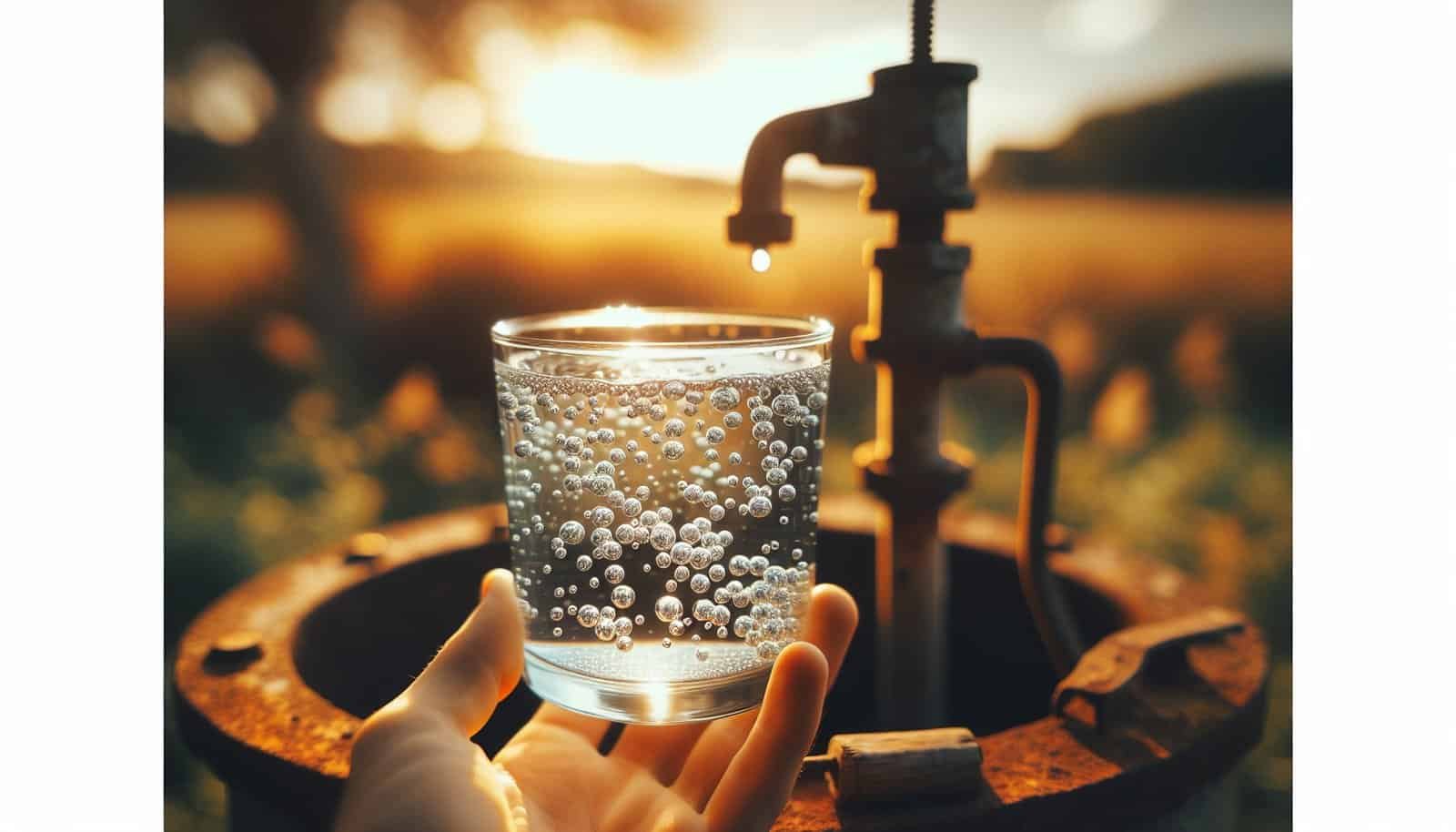
If water from your tap releases bubbles continuously or you notice gas pockets forming in standing water, methane or other dissolved gases may be escaping. These bubbles are particularly noticeable when you fill a glass, bathtub, or water container and bubbles cling to the sides or rise to the surface.
Gurgling or sputtering faucets and plumbing noises
When dissolved gas comes out of solution as water pressure changes, it can cause your faucets, showerheads, or supply lines to gurgle or sputter. You might also hear a popping sound during pump startup or when you open certain taps.
Changes in water taste or smell — and associated gases
Methane itself is odorless and tasteless, but dissolved gas mixtures can include hydrogen sulfide (which smells like rotten eggs) or petroleum odors if hydrocarbons have migrated into your aquifer. If you detect a sulfurous or petroleum-type smell, it’s an indicator that you should take immediate action to test for gas and other contaminants.
Bubbles near wellhead, aeration tanks, or inside storage tanks
Bubbling around the wellhead, inside pressure tanks, or in storage cisterns suggests gas is being released from the water. If gas accumulates in vents or plumbing cavities, it can pose a flammability risk.
Safety first: immediate precautions you should take
Your safety is the top priority if you suspect methane in your well water. Methane can accumulate in enclosed spaces and create explosion hazards, so take immediate steps to reduce risk while you arrange proper testing.
Ventilate enclosed areas and avoid ignition sources
If you detect any gas smell or persistent bubbling, ventilate basements, crawlspaces, and areas near the well. Do not use open flames, pilot lights, or spark-producing appliances. Turn off gas-using appliances, and extinguish smoking materials. If you have any reason to suspect gas has accumulated indoors, evacuate and call emergency services.
Stop using appliances that might cause ignition
Avoid running dishwashers, clothes dryers, or water heaters that have pilot lights until a professional has assessed your system. Even small sparks can ignite methane in concentrations between about 5% and 15% in air, so err on the side of caution.
Notify professionals for persistent or strong indications
If bubbling persists, if you notice a strong rotten-egg or petroleum smell, or if anyone in the household feels dizziness or nausea, contact your local gas utility (if a pipeline is nearby), a licensed well contractor, and your health department. They can advise whether immediate action such as evacuation or emergency tests is necessary.
How professionals test for methane and related gases
Accurate identification requires proper sampling and laboratory analysis. Professionals use gas chromatography and dedicated dissolved-gas analysis methods to measure methane and other hydrocarbons in water. You should plan to have a certified lab perform testing rather than relying on household guesswork.
Common analytical methods and what they measure
Gas chromatography (GC) with flame ionization detection or mass spectrometry separates and quantifies methane, ethane, propane, butane, and volatile organic compounds (VOCs). Headspace gas analysis and direct dissolved-gas analysis measure concentrations in mg/L or ppm and determine whether gas is in solution or as free-phase gas.
Field instruments and on-site screening tools
Professionals may use calibrated combustible gas detectors, photoionization detectors (for VOCs), or portable GC units for on-site screening. These tools help identify whether gas is present and whether rapid action is needed, but lab confirmation is almost always required for remediation planning.
Typical detection thresholds and interpretation
Laboratories can detect methane at very low concentrations (parts per billion). Results are interpreted both for concentration and safety risk. While there is no federal maximum contaminant level for methane in drinking water, concentrations high enough to release significant gas (for example, several mg/L or more) pose safety concerns and may require treatment.

How to sample your well water safely for gas testing
Correct sampling is crucial because improper collection can introduce air or lose dissolved gas, causing misleading results. It’s best to let a certified sampler collect samples, but if you need to prepare ahead of time, follow conservative, safety-minded steps.
General sampling principles
Sampling for dissolved gases typically uses glass vials or serum bottles with airtight septa, avoiding aeration and headspace changes. You should purge stagnant water from the well until the water temperature, pH, and conductivity stabilize, which helps ensure a representative sample. Keep samples cold and deliver them quickly to the laboratory.
Steps a professional sampler will follow
A trained sampler will:
- Run the pump to purge stagnant water and stabilize parameters.
- Use certified gas-tight bottles to capture water with minimal or controlled headspace.
- Add preservatives or salt to create a known headspace for headspace analysis if required.
- Label and chain-of-custody the sample and transport it under temperature control to the lab.
Safety note about home sampling
Don’t perform open-air gas ignition tests or use matches/lighters to check for flammable gas. Those simple-sounding tests can be deadly if gas is present. Use a gas detector or call a professional instead.
Interpreting laboratory results and associated concerns
Once you get lab results, you’ll need to understand whether concentrations are a nuisance, a safety hazard, or a sign of broader contamination by hydrocarbons or VOCs.
What concentration levels mean for safety
Methane concentrations in water are often reported in mg/L. Any concentration that leads to significant off-gassing when the water is used (producing flammable concentrations in air near appliances or enclosed areas) is a safety concern. If lab results show significant methane plus other hydrocarbons like benzene, toluene, ethylbenzene, and xylenes (BTEX), you may have a more serious contamination problem that affects health, not just flammability.
When methane indicates potential oil/gas migration
If methane is accompanied by heavier hydrocarbons or a higher concentration of methane than is typical for local geology, it may indicate migration from a pipeline, gas well, or petroleum reservoir. In such cases, you should notify regulatory agencies and possibly the operator if you live near energy development.
Monitoring and retesting recommendations
If your initial results show methane but at low concentrations, periodic monitoring (for example annually) may be sufficient. If concentrations are higher or change over time, establish a more frequent testing schedule and consult experts about treatment and source identification.

Health risks related to methane and associated contaminants
Methane itself is not a regulated drinking-water contaminant and is not known to be toxic at low levels when ingested. However, associated issues and other hydrocarbons that can accompany methane are serious concerns.
Safety vs health issues
The primary immediate risk from methane in well water is flammability and explosion hazard from accumulation of gas in enclosed spaces. Health effects from ingesting methane in water are not the main concern, but related VOCs (benzene, toluene, etc.) can be harmful if present and require targeted remediation.
Signs of potential health effects
If you or household members experience unexplained headaches, dizziness, nausea, or respiratory irritation and suspect gas exposure, seek medical advice and inform local health authorities. Persistent unexplained symptoms warrant professional air and water testing.
Treatment and mitigation options for methane in well water
Treating methane in water focuses on safely removing dissolved gas and preventing accumulation in structures. Different systems suit different concentrations and well configurations.
Common treatment options
- Aeration systems (packed-tower aeration, cascade aeration, diffused bubble aeration) strip dissolved methane from water by transferring it to air, which is then vented outside.
- Granular activated carbon (GAC) is ineffective for methane but can remove other VOCs; carbon sometimes is used after aeration to polish water or treat other contaminants.
- Air/gas separators or gas-freeing devices installed at the wellhead can remove free gas before water enters the pump.
- Pressure tanks with appropriate venting and gas elimination equipment help reduce gas accumulation in household plumbing.
- Relocating or deepening the well may be considered when the source is a shallow, localized gas pocket and other options fail.
Table: Treatment methods at a glance
| Treatment type | How it works | Pros | Cons | Typical cost range |
|---|---|---|---|---|
| Packed-tower aeration | Water flows through packed media; air strips gases; vents outside | Very effective for methane and most VOCs; high removal rates | Requires space, electricity, and outdoor venting; maintenance needed | $3,000–$10,000+ |
| Cascade aeration / spray aeration | Water is sprayed or cascaded to increase air–water contact | Simple, effective for moderate concentrations | Less efficient than packed-tower; requires outdoor venting | $1,500–$6,000 |
| Diffused bubble aeration | Fine bubbles transfer gas from water to air | Good for small systems; lower cost | Can create aerosols; requires treatment of off-gas if VOCs present | $2,000–$8,000 |
| Air/gas separator at wellhead | Separates free gas before water enters pump | Prevents free gas from entering system and pump | Does not remove dissolved gas | $500–$2,500 |
| Granular activated carbon (GAC) | Adsorbs organic contaminants | Effective for many VOCs after aeration | Ineffective for methane; requires replacement/regeneration | $1,000–$5,000 |
| Well relocation / deepening | Moves intake away from gas-bearing zones | Can permanently solve source-related problems | Expensive; not always feasible | $5,000–$20,000+ |
Choosing the right solution for your situation
Your choice depends on methane concentration, the presence of other contaminants, your well setup, and budget. Aeration is the most common and effective solution for dissolved methane. If VOCs are present in the water, combine aeration with off-gas treatment or follow-up polishing (e.g., carbon filters for specific VOCs) and coordinate with environmental authorities.
Can I use UV light systems to keep my well water safe?
UV light systems are a powerful disinfection tool, but they have limits. Understand what UV can and cannot do so you can make the right choices for your well.
What UV systems do well
UV disinfection effectively inactivates bacteria, viruses, and many protozoa in water when the water is clear and turbidity is low. If your primary concern is microbial contamination (E. coli, coliforms, Giardia, Cryptosporidium), a properly sized UV system can protect your household water supply without changing the water chemically.
Why UV won’t remove methane
UV light does not remove or destroy dissolved gases like methane. Methane is a stable molecule that passes through UV disinfection systems unchanged. If methane or other dissolved gases are present, you will still need mechanical or aeration-based gas removal methods.
Where UV fits in a treatment sequence
You can integrate UV systems with gas-removal treatment. For example, treat water first with aeration to strip methane and VOCs, then pass it through particulate and carbon filters as needed, and finally use UV as a last barrier for microbiological safety. This sequence ensures UV lamps operate efficiently because they require clear water with low turbidity and minimal fouling.
Table: Role of UV compared to other treatments
| Concern | Effective with UV? | Recommended approach |
|---|---|---|
| Bacteria/viruses/protozoa | Yes | Use UV as point-of-entry or point-of-use after prefiltration |
| Dissolved methane | No | Use aeration or gas separation first |
| VOCs (e.g., benzene) | No | Use aeration + carbon or specialized VOC treatment |
| Iron/manganese | No | Use oxidation and filtration before UV if needed |
Steps you should take if methane is detected in your well
Once you have confirmed methane or related hydrocarbons, follow a clear action plan to protect your family and remedy the issue.
Immediate actions
- Stop using appliances that could cause ignition and ventilate enclosed spaces.
- Avoid confined spaces where methane could accumulate, like basements, until cleared.
- Inform your household and keep everyone away from potential ignition sources.
Diagnostic and corrective steps
- Hire a certified well contractor or environmental consultant to identify the methane source and assess remediation options.
- Conduct comprehensive lab testing that includes methane, ethane, propane, and common VOCs (BTEX).
- Based on results, install appropriate treatment (aeration, gas separation, or combined systems).
- After remediation, retest water and establish a monitoring schedule.
Working with regulators and utilities
If your well is near oil, gas, or pipeline activity, notify your state regulatory agency or local health department. They can advise about reporting obligations and may coordinate investigations if migration from an industrial source is suspected. If a pipeline leak is a possibility, contact your pipeline operator immediately.
Long-term prevention and maintenance for safe well water
After remediation, regular maintenance and monitoring help you avoid recurring problems and keep your system functioning safely.
Regular well maintenance checklist
- Inspect wellhead seals, caps, and vents yearly to ensure proper sealing and venting.
- Check for new nearby construction, drilling, or pipeline work that might affect groundwater flow.
- Schedule annual water testing for methane, VOCs (if relevant), and standard drinking-water contaminants.
- Maintain treatment systems (clean media, replace filters, check aerator vents) per manufacturer recommendations.
Tips for ongoing household safety
- Keep the area around the wellhead clear and accessible.
- Install methane or combustible gas detectors in basements and near appliances if you’ve had methane issues.
- Ensure proper venting on water storage tanks and pressure systems.
- Keep records of tests, treatments, and maintenance so you can spot trends over time.
Frequently asked questions (short answers)
Can I smell methane in my water?
You usually cannot smell methane; it’s odorless. If you detect a rotten-egg smell, that is typically hydrogen sulfide or another contaminant. If there is any detectable gas odor, act immediately and contact professionals.
Is methane dangerous in drinking water?
Ingestion of methane is not typically a health hazard, but the main danger is flammability and explosion risk if methane accumulates in indoor air. Associated VOCs, if present, can be health hazards, so test comprehensively.
How much will testing and treatment cost?
Basic home test kits for bacteria are inexpensive, but professional gas and VOC testing often costs $100–$400 per lab analysis. Treatment systems like aerators typically range from a few thousand to over ten thousand dollars depending on capacity and complexity.
Will boiling water remove methane?
Boiling water is not an effective or safe method to remove methane; it can release more gas into the air and increase flammability risk. Use proper gas-stripping systems instead.
Final checklist and next steps for you
- Observe: Note any bubbling, sputtering, odors, or unusual smells around taps and the wellhead.
- Protect: Ventilate enclosed spaces and avoid ignition sources if you suspect gas.
- Test: Arrange for professional dissolved-gas and VOC testing from a certified lab.
- Remediate: Work with licensed contractors to choose and install aeration or other appropriate treatment.
- Monitor: Retest periodically and maintain equipment to ensure ongoing safety.
You don’t have to manage this alone. If you suspect methane in your well water, contact a licensed well professional and your local health department to confirm results and develop a safe remediation plan. Proper testing and timely treatment will protect your home, your family, and your peace of mind.
Sources
The guidance in this article is informed by the following authoritative sources:
- USGS — Ground Water — U.S. Geological Service data on groundwater levels, well construction, and water quality.
- EPA — WaterSense — EPA guidance on water conservation and water quality standards.
- CDC — Water and Wellness — Centers for Disease Control and Prevention guidance on safe drinking water.
External links open in a new tab. Verify current details with the source before relying on them.