
Have you ever wondered how long your residential water well can keep supplying safe water before it needs major repairs or replacement?
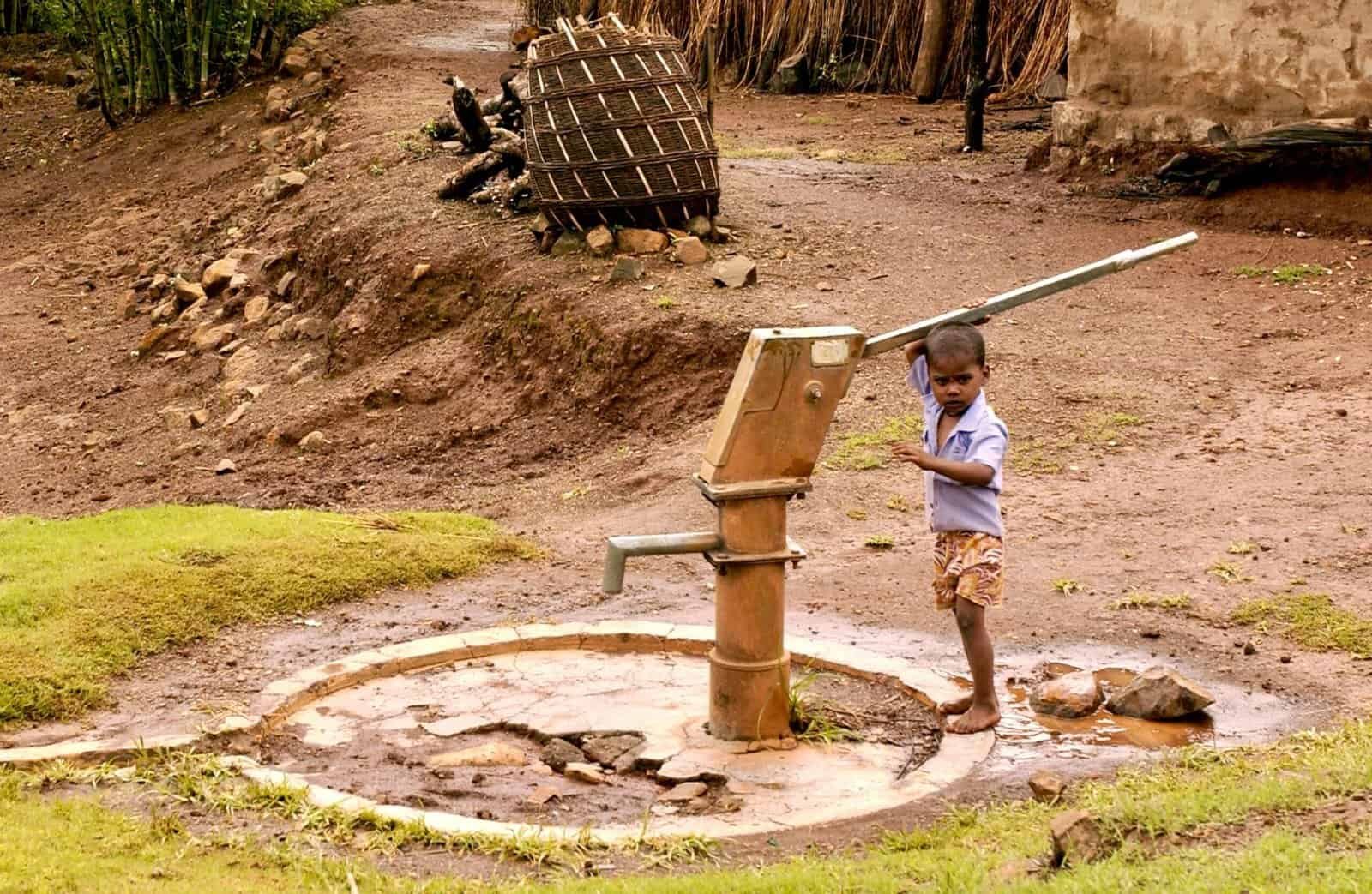
What is the safe lifespan of a residential water well?
You probably want a straightforward answer: there isn’t a single number that applies to every well. The “lifespan” of a water well depends on many variables, including the type of well, the materials used, local geology, water chemistry, usage patterns, maintenance, and how the well has been protected from surface contamination. Some wells provide reliable water for 30–50 years or more, while others may experience problems much sooner.
What do people usually mean by “lifespan”?
When you talk about a well’s lifespan, you may be referring to one of several things:
- The structural integrity of the well casing and grout.
- The continued ability of the well to yield sufficient water.
- The functional life of mechanical components (pump, pressure tank, controls).
- The period during which water quality remains safe without costly treatment.
Each of these has a different expected timeframe, so understanding which part you’re concerned about helps you plan maintenance and budgets.
Typical lifespans of well components
Here’s a simple table showing approximate life expectancies for common well components. Actual performance varies widely.
| Component | Typical lifespan (years) | Notes |
|---|---|---|
| Well casing (plastic/PVC) | 50–100+ | Resistant to corrosion, longevity depends on installation and chemicals in water. |
| Well casing (steel) | 20–50 | Susceptible to corrosion in acidic or aggressive water; may require replacement earlier. |
| Well cap and seal | 10–30 | Exposed to weathering; seals may fail leading to contamination risk. |
| Submersible pump | 8–15 | Depends on run time, water quality (sand content), electrical supply quality. |
| Jet pump (aboveground) | 10–20 | Easier to service but wear depends on usage and cavitation. |
| Pressure tank (bladder or diaphragm) | 7–15 | Tank type and maintenance (pre-charge) affect lifespan. |
| Well screen | 20–40 | Clogging by sediment and biofilm reduces yield; rehabilitation may help. |
| Gravel pack / filter pack | 20–40 | Fines and biofouling reduce permeability. |
| Well grout | 30–100+ | Proper grouting prevents surface infiltration; may be compromised by ground movement. |
These are broad ranges. Your well could last much longer with attentive care, or components could fail sooner if conditions are harsh.
Factors that shorten or extend a well’s safe lifespan
Understanding what shortens a well’s lifespan helps you make smart choices. Here are common factors and how they influence longevity.
Water chemistry and corrosion
If your water is acidic or contains certain aggressive ions (chloride, sulfate), steel casings and pump parts can corrode faster. High iron and manganese can also coat screens and pumps, reducing flow and increasing wear.
Sediment and sand
Wells completed in unconsolidated sands can pump sand, which abrades pump components, leads to turbidity, and clogs screens and plumbing. Sand production often necessitates earlier pump replacement or well rehabilitation.
Biological fouling (biofilm)
Bacteria that form slimy biofilms can encrust screens and casing, reducing productivity and possibly contributing to corrosion. Repeated chlorination or well rehabilitation may be necessary to restore yield.
Groundwater level changes
If the water table drops due to drought or increased regional pumping, the well may go dry or require a deeper pump. Lowering the water level can expose pumps or increase run times, shortening pump life.
Construction quality
Wells drilled and completed by licensed professionals using proper materials and grouting last longer. Poor construction, incomplete sealing, or inadequate screen selection can lead to early problems.
Surface protection and land use
Proximity to septic systems, livestock areas, fuel storage, or agricultural fields increases risk of contamination (nitrate, pesticides, pathogens). Good site setbacks and protective wellheads prolong safe use.
Usage and pumping patterns
Constant heavy use stresses pumps and can lead to faster wear. Intermittent use with long rest periods can also encourage bacterial growth. Properly sized systems and pressure tanks help manage cycles.
Maintenance and inspections
Routine maintenance—pressure tank checks, electrical inspections, annual water testing—catches issues early and lengthens useful life.
How often should you test and inspect your well?
Testing and inspections are critical for safety and lifespan extension. Here’s a recommended schedule:
- Annually: Test for total coliform bacteria and E. coli, nitrate (especially if you have infants/pregnant household members or live near agriculture), and indicator parameters like pH and total dissolved solids (TDS).
- Every 2–3 years: Test for iron, manganese, hardness, and sulfate; test for arsenic if regional data or older geology suggests risk.
- Every 3–5 years: Test for volatile organic compounds (VOCs) and synthetic organic chemicals if you are near industrial or agricultural activity.
- After any repair, power outage that allowed backflow, flooding, or any event that could affect water quality: Test for bacteria and nitrates immediately.
- Every year: Visual inspection of wellhead cap, concrete pad, and surface drainage. Check for cracks, loose caps, or insect/rodent access.
- Pump and electrical system: Annual or biennial check depending on reliability and age.
Why annual testing matters
Bacterial contamination can occur quickly after flooding or surface events. Nitrate levels can change over seasons and land-use changes. Regular testing gives you an early warning and prevents health risks.

Signs your well may be failing or unsafe
Keep an eye out for these changes; they often indicate a problem that needs attention:
- Reduced flow rate or slow recovery after heavy use.
- Sand or sediment in taps.
- Cloudy or discolored water (brown, reddish, or black staining).
- Unpleasant tastes or odors (sulfur/rotten egg smell from hydrogen sulfide).
- Fluctuating pressure or short cycling of pressure tank.
- Sudden presence of coliform bacteria or nitrates in tests.
- Visible damage to well cap, casing, or surface seals.
- Frequent pump burnouts or tripping breakers.
If you notice any of these, stop using the water for drinking until you test and, if necessary, disinfect or treat.
Well rehabilitation vs well replacement
You don’t always need a new well if you have problems. Here are common rehabilitation approaches and when replacement is more appropriate.
Rehabilitation options
- Mechanical redevelopment: Surging, airlifting, or jetting to remove silt and fine materials from around the screen.
- Chemical treatment: Shock chlorination to disinfect; acidizing to dissolve mineral encrustation (iron/manganese); biocides for persistent biofouling (must be done by pros with correct chemicals and handling).
- Screen replacement or reaming: In some wells, a workover can replace screens or enlarge the borehole.
- Pump and column pipe replacement: If pump components are worn or corroded, replacing them can restore service.
- Well sealing or surface repairs: Repairing grout, cap, and sanitary seal to prevent surface infiltration.
Rehabilitation can often restore yield and water quality at a fraction of the cost of a new well.
When to replace
- Structural failure of casing that cannot be repaired.
- Very low yield that can’t be restored economically.
- Widespread contamination with no feasible source control (e.g., deep-seated contamination).
- Repeated expensive repairs with short-lived improvements.
- You need greater capacity and the old well can’t be deepened or modified.
How to extend the safe lifespan of your well
You can take several practical steps to maximize the life and safety of your well.
- Test water regularly and act on results.
- Keep a sanitary well cap, and repair any cracks in the well casing or pad.
- Maintain proper setbacks: keep septic systems, livestock, fuel tanks, and chemical storage at safe distances (check local regulations).
- Avoid lowering the water table by inefficient irrigation or over-pumping; schedule water use wisely.
- Install a sediment filter or sand separator if you have sand.
- Use a properly sized pressure tank to limit pump cycling.
- Protect the well from surface runoff—slope the surrounding ground away from the well.
- Keep records of construction details, repairs, test results, and pump service.
- Hire licensed well professionals for major work and permit-required activities.
- Consider a water treatment system for issues like iron, hardness, or arsenic before they damage plumbing.
Costs: maintenance, rehabilitation, and replacement
Costs vary by region and geology, but here are ballpark ranges to give you an idea.
| Work type | Typical cost range (USD) | Notes |
|---|---|---|
| Annual water test (basic: coliform, nitrate, pH, TDS) | $25–$100 | State labs are often less expensive; private labs vary. |
| Extended water test (metals, VOCs, pesticides) | $100–$500+ | Depends on number and type of tests. |
| Shock chlorination (professional) | $150–$400 | DIY kits available but pros ensure proper application. |
| Pump replacement (submersible) | $600–$3,000+ | Depends on depth, pump type, and labor. |
| Pressure tank replacement | $300–$1,200 | Depends on size and type (bladder vs plain). |
| Well rehabilitation (mechanical/chemical) | $500–$5,000 | Varies widely by method and severity. |
| Drilling a new residential well | $3,000–$15,000+ | Highly variable; depends on depth, drilling difficulty, and region. |
| Permanent well plugging/abandonment | $500–$2,000 | Required by many jurisdictions when wells are taken out of service. |
These are estimates. Get multiple quotes and verify contractor licensing.

Regulations and permits you should know about
You’ll need to follow local and state rules for well construction, repair, and abandonment. Typical requirements include:
- Permits for drilling or deepening a well.
- State licensing for well drillers and pump installers.
- Required methods for plugging and abandoning wells.
- Mandatory water testing in some real estate transactions.
- Restrictions on placing wells near septic systems, manure storage, or contamination sources.
Contact your local health department or environmental agency for the exact rules in your area.
Safe practices after flooding or contamination events
If your well was submerged or if surface water entered the well area, take immediate action:
- Do not use the water for drinking, cooking, or oral hygiene until tested and disinfected.
- Have the well inspected and shock chlorinated by a qualified professional as necessary.
- Test for bacteria (total coliform, E. coli) and nitrates after disinfection and before resuming use.
- Check electrical systems and pump integrity if the pump was submerged.

How to identify nitrate problems and why they matter
Nitrate (NO3-) commonly comes from fertilizer, septic systems, manure, and natural soil nitrogen processes. It’s colorless and odorless, so testing is the only reliable way to know if it’s a problem.
Health risks of high nitrate
- Infants under six months are at greatest risk of methemoglobinemia (“blue baby syndrome”), which reduces oxygen-carrying capacity of blood.
- Pregnant women and people with certain medical conditions should also be cautious.
- Chronic exposure at elevated levels may have other health associations that are still being studied.
Remember: boiling water does not remove nitrate; in fact, it concentrates it slightly as water evaporates.
How do I test for nitrate levels in my well water?
Testing for nitrates is straightforward, but you should follow a careful process to ensure an accurate result.
Step-by-step: Getting a reliable nitrate test
- Contact your state-certified laboratory or local health department: They will provide instructions and often a proper sterile sample bottle. Using the lab’s bottle ensures correct preservatives and labeling.
- Choose the right test: Request nitrate as nitrate-nitrogen (NO3–N) or nitrate (NO3–) — clarify which unit you want. EPA guidance and many health references use nitrate as nitrogen (NO3–N) with a maximum contaminant level (MCL) of 10 mg/L. Labs can report both forms or conversion. As a rule of thumb: 10 mg/L nitrate-nitrogen ≈ 45 mg/L nitrate.
- Collect water from an indoor cold water tap that is directly connected to the well (e.g., kitchen sink), ideally after letting the water run for several minutes to clear standing water in pipes. Avoid taps with softeners, filters, or aerators.
- Use clean containers supplied by the lab; do not rinse or touch the inside of the bottle. Fill to the indicated level.
- Keep the sample cool: Place it on ice or in a cooler and deliver it to the lab within the time window the lab specifies (often within 24 hours).
- Label and record: Include sample ID, date and time of collection, and any relevant notes.
- Receive and interpret results: Ask the lab to provide guidance on units (mg/L) and whether the value exceeds EPA guidance levels. If the lab reports nitrate as NO3 (not nitrate-nitrogen), remember the MCL equivalent is 45 mg/L.
Using home test kits vs certified labs
- Home test strips and kits can give an immediate indication but are generally less accurate and have detection limits. They’re useful for screening but not for regulatory decisions.
- For health-critical situations (infant formula, pregnant women) or official requirements (real estate transactions), use a state-certified lab.
What result levels mean
- Less than 1 mg/L: Very low nitrate; typical for many deep aquifers with minimal agricultural influence.
- 1–5 mg/L: Low to moderate; usually acceptable but worth retesting periodically.
- 5–10 mg/L: Elevated; consider source evaluation and retesting more frequently, especially if you have vulnerable household members.
- Above 10 mg/L (NO3–N) or 45 mg/L (NO3): Exceeds EPA MCL for public water systems — action required. Avoid using water for infant formula and seek alternative water sources until treated.
If nitrate is elevated: immediate steps
- Do not use the water for infant formula or for infants’ drinking needs.
- Use bottled water or water from a safe alternative source for drinking and food preparation, particularly for infants and pregnant women.
- Identify potential local sources (recent fertilizer application, nearby septic leak, livestock operations) and contact local health authorities for guidance.
- Test household members for exposure if health issues are suspected.
- Consult a licensed well professional to evaluate potential remediation and treatment options.
Treatment options for elevated nitrate
If your well has high nitrate, there are several treatment routes. Choose based on cost, household needs, and long-term management.
| Treatment | Removes nitrate? | Pros | Cons |
|---|---|---|---|
| Reverse osmosis (RO) | Yes (point-of-use) | Effective at point-of-use (kitchen); relatively affordable for household use. | Requires regular maintenance; only treats one tap; wastes some water; not practical for whole-house use. |
| Ion exchange (anionic exchange) | Yes (whole-house possible) | Can treat entire home; effective and reliable when maintained. | Requires regeneration with brine (salt); ongoing operating costs; not ideal if water has high sulfate or TDS. |
| Distillation | Yes | Produces very pure water for drinking. | Slow, energy intensive, point-of-use only. |
| Blending with low-nitrate source | Yes (if available) | Simple if you have a second, low-nitrate well or surface source. | Requires consistent low-nitrate source; logistics of blending flowrates. |
| Point-of-entry systems (whole-house RO) | Possible but costly | Treats all water; good for intensive needs. | Very expensive, large footprint, high waste water. |
| Well replacement or locating alternate water source | Yes | Eliminates contaminated source permanently if new source is clean. | Very expensive; may not be feasible depending on hydrogeology. |
| Source control (septic repair, land management) | Preventative | Stops additional nitrate from entering groundwater. | May not reduce already existing concentrations quickly. |
Work with a water treatment professional and confirm post-treatment results by retesting.
Special considerations for infants and pregnant women
If you have infants under 6 months or women who are pregnant in the household, be especially cautious:
- Use bottled water or tested low-nitrate alternatives for formula and drinking.
- Test frequently (every 3–6 months) if you live in an agricultural area or near septic systems.
- Consult your family doctor or local health department for guidance when levels are near or above MCL.
Choosing a well contractor or laboratory
When you need professional help, select qualified service providers:
- Use licensed, insured well drillers and pump installers.
- Ask for references and examples of past work.
- Confirm lab accreditation (state-certified or NELAP-accredited).
- Request written estimates and scope of work.
- Verify that contractors follow regulatory requirements for permits and abandonment.
Record-keeping: a simple log that helps
Keep a notebook or digital file with:
- Well construction details (depth, casing type, screen, driller).
- Copies of test results and dates.
- Pump service records and parts replaced.
- Photos of wellhead and site condition over time.
- Correspondence with authorities or contractors.
These records are invaluable when selling a property, troubleshooting, or applying for grants.
End-of-life and proper abandonment
When a well is no longer in use, it must be properly plugged to protect groundwater:
- Abandonment procedures involve removing or destroying the pump, filling the borehole with grout, and sealing the well according to local rules.
- Improperly abandoned wells are conduits for contamination and liability.
- Check local requirements and use a licensed contractor for plugging.
Quick owner’s checklist
- Test for bacteria and nitrate yearly; test after floods or repairs.
- Inspect well cap and casing annually.
- Keep hazardous materials and livestock away from the well.
- Maintain adequate distance from septic systems.
- Service the pump and pressure tank as recommended.
- Shock chlorinate after any breach or contamination event.
- Keep good records and call licensed professionals for major repairs.
Frequently asked questions
Can you predict exactly when a well will fail?
No, you can’t predict an exact date. Regular testing and inspections reduce risk and give you actionable signs before failure.
Does water hardness or iron shorten a well’s lifespan?
Hardness itself isn’t usually destructive to the well structure, but iron and manganese can clog screens and pumps, requiring earlier replacement or rehabilitation.
Are older wells less safe?
Older wells can be safe if properly constructed and maintained. Problems are more likely in very old wells that lack modern sanitary seals or grouting, or if construction records were poor.
If my nitrate level is slightly elevated, do I need treatment?
If levels are below health thresholds but trending upward, investigate the source and retest more often. If you have sensitive household members, consider treatment even at moderate levels.
Final thoughts
You rely on your well every day, and understanding the variables that affect its lifespan helps you protect your water supply and household health. Regular testing, preventive maintenance, protecting the wellhead, and responding quickly to warning signs are the most effective ways to keep your well functioning safely for as long as possible. If nitrates are a specific concern, use certified lab testing to guide decisions, and consider treatment options that match your household’s needs and budget.