
Published: December 08, 2025
By Thomas Reynolds, Pump Systems Engineer
Thomas has installed and serviced over 1,000 well pump systems for homeowners.
?Are you worried that the water coming from your private well could put your children’s health at risk?
How Do I Protect Children From Unsafe Well Water?
You need clear, practical steps to keep your family safe when your drinking water comes from a private well. This article walks you through why children are more vulnerable, how to test and interpret results, immediate and long-term protections, and which agencies can help or provide guidance.
Why Children Are More Vulnerable
Children’s bodies and behaviors make them more susceptible to contaminants in drinking water. You should know that their smaller size, developing organs, and higher water intake per pound mean pollutants can cause more harm than they would in adults.
Physiological differences that increase risk
Children metabolize and absorb chemicals differently, and their immune systems are still developing. Because they drink more water relative to their body weight, contaminants reach higher effective doses, increasing potential harm.
Behavioral factors that increase exposure
Young children tend to put things in their mouths and may drink more unfiltered water when unsupervised. You should consider that these behaviors can increase direct ingestion of contaminated water or exposure via food prepared with well water.

Common Well Water Contaminants
You should know the most common contaminants so you can prioritize testing and treatment. The following list highlights typical problems found in private wells and why they matter for children.
Bacteria and viruses (microbial contamination)
Coliform bacteria and E. coli indicate fecal contamination and present immediate illness risks. You should treat any positive test seriously and consider boiling or using bottled water until the source is fixed.
Nitrate and nitrite
Nitrates commonly originate from fertilizers, septic systems, and livestock waste, and high levels can cause “blue baby syndrome.” Infants under six months are especially at risk, so you should avoid their exposure to water above the safe limit.
Lead
Lead can enter well water from household plumbing, fixtures, or solder, and it harms developing brains and nervous systems. You should understand that no level of lead is safe for children, and steps to eliminate lead exposure are essential.
Arsenic
Arsenic is a naturally occurring contaminant in some groundwater and has long-term cancer and developmental risks. If you live in a region with known arsenic in groundwater, you should test your well and consider treatment options like reverse osmosis or adsorption filters.
Pesticides and herbicides
Runoff from farms, home gardens, or nearby fields can carry pesticides into groundwater. You should worry about chronic exposures that can affect neurodevelopment in children and perform targeted testing if agricultural activity is nearby.
Volatile organic compounds (VOCs)
VOCs like benzene, trichloroethylene (TCE), and perchloroethylene (PCE) can come from industrial sources, leaking underground storage tanks, or household chemicals. You should be aware that VOCs can cause both short-term and long-term health effects and often require specialized treatment.
Radon
Radon gas can dissolve into well water, particularly from deep wells in some geological areas. You should test for radon if you are in a high-risk zone, because inhaled radon released from water during household use can contribute to lung cancer risk.
Fluoride and manganese
Fluoride at optimal levels prevents tooth decay but in high amounts can cause dental or skeletal issues, while manganese at high levels can affect neurodevelopment. You should balance benefits and risks and test if these elements are suspected to be high.
How Contaminants Affect Children
You should understand both immediate and long-term consequences of exposure to make informed decisions about testing and treatment. Effects vary by contaminant, exposure level, and child’s age.
Short-term effects
Microbial contamination can cause vomiting, diarrhea, and dehydration quickly, which is dangerous for infants and young children. You should act fast if gastrointestinal illness occurs after drinking well water.
Long-term effects
Chronic exposure to arsenic, lead, or nitrates can affect cognitive development, growth, and increase risk for chronic illnesses. You should prioritize solutions that permanently reduce or eliminate these contaminants from household water.
Testing Your Well
Testing is the only reliable way to know what’s in your well water, so you should make sampling a routine. This section explains when to test, how to collect samples, and how to find a certified laboratory.
How often to test
You should test for coliform bacteria and nitrates at least once a year and after any event that could affect groundwater, like flooding or well repairs. You should also test for lead, arsenic, and other site-specific contaminants at least every few years or when children are present.
What to test for
Your testing should include total coliforms, E. coli, nitrates, and a regional suite of contaminants such as arsenic, lead, and VOCs. You should ask your state or county health department for a recommended testing panel tailored to local geology and land use.
How to collect samples properly
You should follow the sample kit instructions from a certified lab exactly, using sterile bottles and avoiding contamination. You should flush the tap, collect a first-draw sample when required for lead, and keep samples cold and deliver them to the lab quickly.
Choosing a certified lab
You should use a state-certified laboratory because results will be accurate and accepted by health officials. Your local health department can provide a list of certified labs and may even offer sampling assistance or free test kits.
Interpreting Test Results
You should understand common standards and what action levels mean for children’s safety. Interpreting results often means comparing numbers to EPA or state health advisory levels.
Health advisory and regulatory levels
Private wells are not regulated under the Safe Drinking Water Act, but federal EPA standards and health advisories provide benchmarks. You should treat EPA maximum contaminant levels (MCLs) and state guidelines as action triggers for treatment or temporary measures.
What to do if a test is positive
You should stop using the water for drinking and cooking if tests show dangerous levels of contaminants, particularly microbes, nitrates, or lead. You should use bottled water or an alternative water source and contact a health or environmental professional for follow-up actions.
Immediate Actions If You Find Unsafe Water
If a test shows unsafe levels, you should take immediate steps to protect children and other household members. Short-term solutions can prevent illness while you arrange permanent fixes.
Use safe alternative water sources
You should use bottled water or water from a safe public supply for drinking, cooking, making baby formula, and brushing teeth. You should also avoid ice made from unsafe water and use safe water for food preparation.
Boil water advisories and limitations
You should boil water for at least one minute (or three minutes at high altitudes) to inactivate microbial contaminants. You should know that boiling does not remove chemical contaminants like nitrates, lead, or VOCs, so it is not a universal fix.
Shock chlorination for microbial contamination
You should consider shock chlorination of the well and plumbing when bacterial contamination is confirmed and source control is possible. You should work with a qualified well contractor or follow public health guidance to ensure proper disinfection and prevent recontamination.
Long-Term Treatment Options
Long-term solutions aim to remove or reduce contaminants reliably and protect children’s health over years. You should choose systems based on the specific contaminants present, your household needs, and maintenance ability.
Point-of-entry vs point-of-use systems
You should understand that point-of-entry (POE) systems treat all water entering the home, protecting baths and laundry as well as drinking water, while point-of-use (POU) systems treat water at a particular tap. For contaminants that affect ingestion only, like lead or arsenic, POU systems on drinking taps may be sufficient, but for microbial or widespread chemical issues, POE is often better.
Reverse osmosis (RO)
RO systems effectively remove nitrates, arsenic, lead, and many other dissolved contaminants, producing very clean water. You should remember RO systems waste some water and require filter and membrane changes according to the manufacturer’s schedule.
Activated carbon filters
You should consider activated carbon for removing many VOCs, certain pesticides, and improving taste and odor. These systems need regular cartridge replacement and are not effective for dissolved minerals like nitrates or arsenic.
Ion exchange (water softeners and nitrate removal)
You should use ion exchange softeners to reduce hardness and some specialized resins for nitrates. You should be aware that standard softeners do not remove lead or arsenic, and some treatments can increase sodium or other ions in the water.
Ultraviolet (UV) disinfection
You should use UV to inactivate bacteria, viruses, and protozoa, often as part of a multi-stage system. UV does not remove chemical contaminants, so it’s frequently paired with filtration systems for comprehensive protection.
Distillation
You should know that distillers remove a broad range of contaminants, including many heavy metals and microbes, but they are energy-intensive and slow. Distillation is typically used for point-of-use drinking water rather than whole-house needs.
Chlorination and continuous disinfection
You should consider continuous chlorination for wells with recurring microbial contamination, especially if source control is difficult. You should also know that chlorine can create disinfection byproducts and requires careful dosing and monitoring.
Choosing and Maintaining Treatment Systems
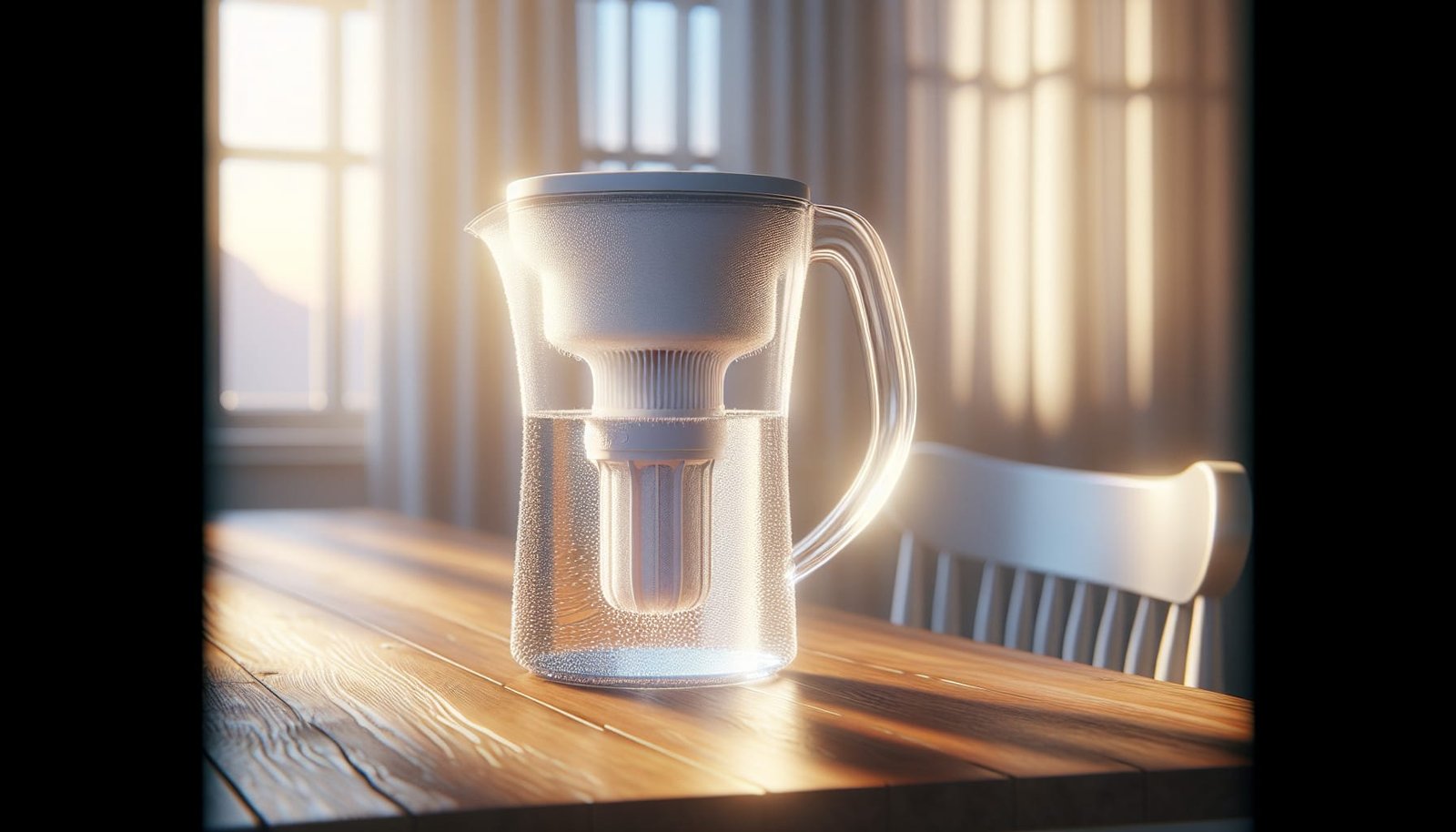
Selecting the right treatment system requires matching the technology to the contaminant and committing to ongoing maintenance. You should buy certified equipment and follow a clear maintenance plan to protect children consistently.
Certification and standards
You should look for systems certified to NSF/ANSI standards for specific claims, such as removing lead, arsenic, or bacteria. You should also ask manufacturers for performance data and independent test results.
Installation and professional help
You should hire licensed contractors for complex systems, especially point-of-entry installations that affect plumbing and pressure. You should verify contractor credentials and get written maintenance instructions and warranties.
Maintenance schedule and record-keeping
You should set reminders for filter and membrane replacements, UV lamp changes, and periodic testing to confirm performance. You should keep records of maintenance, test results, and any repairs to demonstrate consistent protection for children.
Protecting the Well Structure and Site
Preventing contamination at the source is one of the most reliable ways to protect your children’s water. You should maintain the wellhead, monitor nearby land uses, and ensure proper construction and sealing.
Wellhead protection and sealing
You should ensure the wellhead extends above flood levels, has a tight cap, and is surrounded by well-draining soil or gravel. You should fix any visible cracks, broken caps, or exposed piping promptly to keep surface contaminants out.
Distance from contamination sources
You should maintain recommended setbacks from septic systems, livestock areas, fuel tanks, and pesticide storage to reduce contamination risk. You should consult state guidelines for minimum distances between wells and potential sources of pollution.
Flooding, storms, and seasonal risks
You should inspect your well after heavy rains or floods, as surface water can carry contaminants into shallow wells or through damaged seals. You should test microbial contamination immediately following flooding events and consider shock chlorination if contamination is detected.
What Agencies Regulate Private Well Safety?
You’ll want to know which agencies provide rules, guidance, and assistance for private well safety, because authority and services vary by level and location. Here’s a clear breakdown of federal, state, and local roles, plus professional organizations that can help you keep children safe.
Federal agencies and their roles
The U.S. Environmental Protection Agency (EPA) does not regulate private wells under the Safe Drinking Water Act, but it provides guidance, research, and voluntary standards for private well owners. The Centers for Disease Control and Prevention (CDC) offers health guidance and educational materials, and the U.S. Geological Survey (USGS) provides data on groundwater quality and trends that can inform testing priorities.
State and local health/environment departments
You should contact your state Department of Health or Department of Environmental Protection, because states typically manage well owner programs, licensing of drillers, and public health responses. County or city health departments often offer testing assistance, local well code enforcement, and educational resources specific to your local geology and land use.
State well driller licensing boards and regulations
You should know that well construction and decommissioning are usually regulated at the state level by licensing boards that set standards for well depth, casing, grouting, and placement. These boards also oversee contractor licensing, which helps ensure wells are constructed to prevent contamination.
Certified laboratories and testing oversight
You should use state-certified labs for legally defensible water testing, and these labs are overseen by state environmental or health agencies to ensure quality control. You can ask your local health department for a list of approved labs and guidance on proper sampling.
USDA, EPA funding programs, and assistance
You should explore funding and technical assistance programs like USDA Rural Development grants or state-led programs that sometimes help low-income households with well repair or treatment. While the EPA doesn’t regulate private wells, it supports outreach and tools for well owners and links to state programs.
Professional and nonprofit organizations
You should consult organizations such as the National Ground Water Association (NGWA), American Water Works Association (AWWA), and University Cooperative Extension programs for guidance, education, and professional referrals. Certification bodies like NSF International provide standards for treatment equipment so you can choose reliable systems.
Your role and local responsibilities
You should understand that primary responsibility for private well safety rests with you as the owner, with support and regulation varying by state and locality. You should engage with local health departments for the most actionable and legally applicable requirements in your area.
Financial Assistance and Resources
You should know about programs and resources that can reduce the financial burden of testing, treatment, and well repair. Funding options vary by state and may include grants, loans, or subsidies for families with children.
Grants and loans
You should check state and federal programs such as USDA Rural Development loans and grants, state well-water grant programs, or local health department assistance. Eligibility often depends on income, location (rural vs urban), and the nature of the contamination.
Low-cost testing and lab vouchers
You should ask your local health department about free or reduced-cost testing, especially when infants or young children are in the household. Many health departments provide vouchers or community testing events to promote regular monitoring.
Community and nonprofit support
You should look for nonprofit organizations, university extension services, or faith-based groups that can offer hands-on help with testing, education, or repairs. These groups sometimes run well-owner workshops or help coordinate volunteer labor for repairs.
Educating Family and Caregivers
You should make sure everyone caring for your children understands the risks and precautions related to well water. Clear communication and simple rules can prevent accidental exposures.
Household rules and habits
You should set rules like using only designated taps for drinking, avoiding ice from unsafe sources, and never letting infants drink untested well water. You should keep a visible note near sinks if water is unsafe and routinely remind caregivers of the correct actions.
Teach children appropriate behaviors
You should teach older children not to drink from outdoor taps or hoses and to report any taps with unusual taste, smell, or cloudiness. You should also demonstrate handwashing and safe water use habits in a calm, instructive way.
Emergency Planning
You should prepare for scenarios like sudden contamination, equipment failure, or natural disasters to ensure children have safe water at all times. A simple plan and supplies can prevent panic and reduce risk.
Emergency water supply
You should keep an emergency supply of bottled water sufficient for drinking and food preparation for at least several days. You should rotate supplies periodically and store water in a cool, dark place.
Rapid response checklist
You should maintain a checklist with contact numbers for local health departments, certified labs, licensed well contractors, and your water treatment service provider. You should also include steps for temporary actions like using bottled water, boiling for microbes, or disinfecting the well.
Practical Checklists and Tables
You should use simple checklists and comparative tables to make decisions easier and to communicate quickly with family and professionals. Below are practical tools you can print or save.
Table: Common contaminants — sources, health effects, testing, common treatments
| Contaminant | Common Sources | Health Effects (children) | How to Test | Common Treatments |
|---|---|---|---|---|
| Coliforms / E. coli | Septic systems, surface runoff, cracked well | Gastroenteritis, dehydration | Certified lab bacterial test | Boil water, shock chlorination, fix well sealing, UV |
| Nitrate | Fertilizers, septic leakage, agriculture | Methemoglobinemia in infants | Lab nitrate test | RO, ion exchange, distillation |
| Lead | Old plumbing, solder, fixtures | Neurodevelopmental delays, behavioral issues | First-draw lead test | Replace plumbing, POU RO, certified filters |
| Arsenic | Natural geology, mining | Developmental impacts, cancer risk | Lab arsenic test | RO, adsorption (media), distillation |
| VOCs (benzene, PCE) | Industrial, LUSTs, household chemicals | Developmental, liver/kidney effects, cancer | Lab VOC panel | Air stripping, activated carbon, RO |
| Radon | Geological sources | Lung cancer (from inhalation), some ingestion concern | Radon in water test | Aeration, RO, use bottled water for drinking |
| Manganese / Fluoride | Natural sources | Neurodevelopmental risk (manganese), fluorosis (fluoride) | Lab elemental tests | RO, adsorption, adjust fluoride treatment where needed |
Table: Treatment methods — what they remove and limitations
| Treatment Type | Removes | Limitations / Notes |
|---|---|---|
| Reverse Osmosis | Nitrates, arsenic, lead, many ions | Wastewater, regular maintenance, POU suitable |
| Activated Carbon | VOCs, pesticides, chlorine | Doesn’t remove nitrates, heavy metals; cartridge changes |
| UV Disinfection | Bacteria, viruses, protozoa | Doesn’t remove chemicals; requires prefiltration |
| Ion Exchange | Hardness, some nitrates (special resins) | Requires regeneration; can add sodium |
| Distillation | Broad range (metals, microbes) | Slow, energy intensive, POU use |
| Aeration | Dissolved gases (radon), VOCs | May require off-gas handling; prefiltration recommended |
| Chlorination | Bacteria (continuous control) | Byproducts, taste/odor, needs careful dosing |
Final Checklist: Protecting Your Children Today and Tomorrow
You should use this checklist to prioritize actions that protect children from unsafe well water.
- Test your well annually for bacteria and nitrates, and every few years for metals and chemicals.
- Use bottled water or certified filters for infant formula until you confirm safety.
- Fix wellhead defects, maintain proper setbacks, and inspect after floods.
- Choose certified treatment systems matched to contaminants and commit to maintenance.
- Register contacts for local health department, certified lab, and licensed well contractor.
- Explore financial assistance if cost prevents necessary repairs or treatment.
- Educate all caregivers and older children about safe water practices.
Closing Thoughts
You should remember that protecting children from unsafe well water is a straightforward process once you know where to begin: test, interpret results, take immediate protective steps, and install a long-term solution where needed. Regular maintenance, engagement with local health agencies, and a simple emergency plan will keep your family safer and give you peace of mind.
Sources
The guidance in this article is informed by the following authoritative sources:
- USGS — Ground Water — U.S. Geological Service data on groundwater levels, well construction, and water quality.
- EPA — WaterSense — EPA guidance on water conservation and water quality standards.
- CDC — Water and Wellness — Centers for Disease Control and Prevention guidance on safe drinking water.
External links open in a new tab. Verify current details with the source before relying on them.