
Published: December 11, 2025
By Robert Harrison, Certified Well Inspector
Robert has 20+ years of experience inspecting and testing residential water wells across the western US.
From inspecting residential wells over the past two decades, I can tell you this: most well problems start small and get expensive the longer they are ignored. The guidance below reflects what I have actually seen in real well systems, not just what the manuals say.
? Are you confident that the cap on your well is keeping your water safe and your family protected?
What’s The Safest Type Of Well Cap To Use?
You rely on your well for water and, in many cases, for household health and safety. Choosing the right well cap and knowing how to handle contaminated well water are essential steps you can take to protect your water supply, prevent contamination, and respond correctly if a problem arises.
Why the Well Cap Matters
Your well cap is the first line of defense against surface contaminants, insects, small animals, and deliberate tampering. A poor cap or a damaged seal can allow bacteria, dirt, chemicals, and runoff to enter the well column. You should think of the cap as a small but critical part of the overall sanitary protection system for your well.
Primary functions of a well cap
You want a cap that:
- Seals the wellhead to prevent surface water infiltration.
- Vents to allow pressure equalization without letting insects or debris enter.
- Locks or is otherwise tamper-resistant to prevent unauthorized access.
- Is durable in your local climate and resistant to corrosion and UV degradation.
Types of Well Caps — Overview
There are many styles and materials of well caps. The safest choice depends on your well type, local climate, and whether the well is shallow, deep, or artesian. Below is a summary table to help you compare the main options at a glance.
| Cap Type | Common Materials | Pros | Cons | Best Use |
|---|---|---|---|---|
| Sanitary (tamper-resistant) cap | Polyethylene, PVC, ABS, stainless steel | Designed to seal with vented screened openings; lockable; meets many local codes | Need correct size and proper sealing gasket; can be more expensive | Most domestic drilled wells |
| Lockable threaded cap | Brass, stainless steel, plastic | Secure, relatively easy to install, durable | Threads can seize if corroded; gasket maintenance needed | Residential wells, pump houses |
| Vented screened cap | Polypropylene, polyethylene | Allows pressure equalization, keeps insects/flies out | Screens can clog; not suitable for high contamination risk without additional measures | General use, where venting is needed |
| Pitless adapter with cap | Stainless steel, cast iron | Protects below frost line; robust | More complex installation; costlier | Frost-prone areas; external pump connections |
| Concrete slab cover | Concrete | Heavy, vandal-resistant, protects casing top | Not airtight; can trap water; not tamper-proof | Older wells when used correctly with sealed cap beneath |
| Well hatch (for dug wells) | Galvanized steel, composite | Provides access for large casings | Not sanitary unless fitted with a proper internal sealing cap | Dug/large-diameter wells with appropriate sanitary seal |
Which Well Cap Is the Safest?
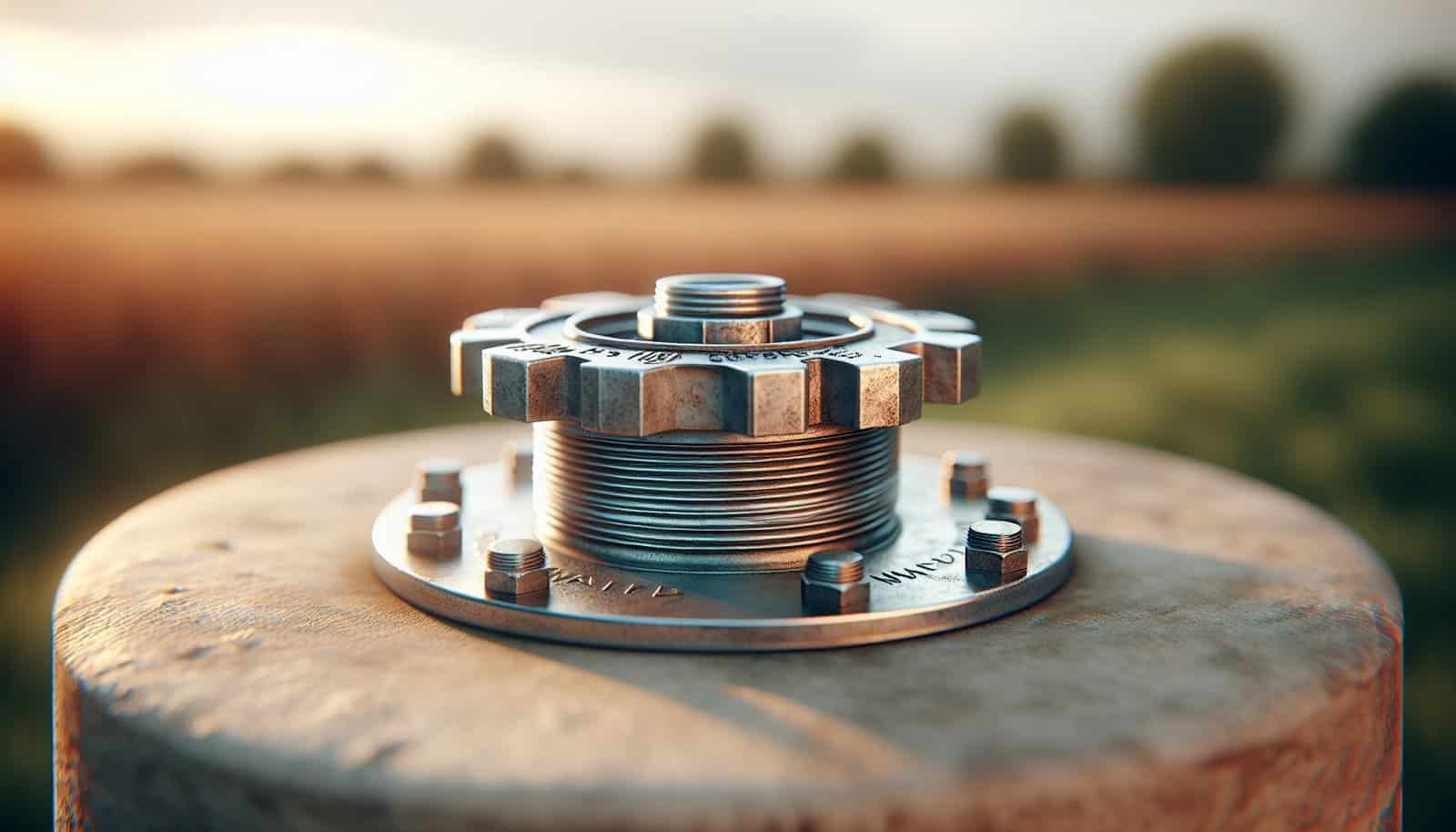
You should generally prefer a certified sanitary, lockable, vented well cap that fits your well casing and includes a gasket or O-ring to form a watertight seal. Caps made from durable plastic (engineered polyethylene or ABS) or stainless steel are common and effective. The safest caps have:
- A screened vent to prevent insect entry but allow pressure changes.
- A gasketed, threaded or bolted seal preventing water inflow.
- Locking or tamper-resistant features (padlock hole or security screw).
- Certification or compliance with local/state well construction standards (look for NSF/ANSI compliance and local code references).
If you have an artesian well (flows under pressure) or a wellhead below the frost line, you’ll need specialized components such as pitless adapters or pressure-rated caps. In those cases, prioritize certified components designed for your well type.
Key features to look for when choosing a cap
- Size compatibility with well casing (1¼”, 1½”, 2″ etc., or larger for larger casings).
- A vent screen made of stainless steel mesh (fine enough to exclude insects).
- A robust gasket (EPDM or similar material) for a reliable seal.
- Locking options and tamper-evident features.
- UV-stable material if the cap is exposed to sun.
Installation and Maintenance — How to Keep the Cap Working
Installing and maintaining the cap properly is as important as selecting the right type.
Installation tips
- Ensure the well casing top is cut square and clean before installing the cap.
- Replace the gasket each time the cap is removed or if the original gasket shows degradation.
- Tighten caps to manufacturer torque specs; over-tightening can damage threads or gaskets.
- If your well uses a pump downhole, ensure wiring and conduit still allow a watertight connection into the cap or pitless unit.
- If there’s a seal between casing and surface (annular grout), confirm it’s intact and not allowing surface water to flow down the outside of the casing.
Regular maintenance checklist
- Inspect the cap at least once a year or after storms/flooding.
- Check for cracks, UV degradation, rust, or insect nests.
- Ensure the vent screen is free of debris.
- Replace damaged or missing gaskets immediately.
- Keep the area around the wellhead clear of debris, chemicals, and irrigation equipment.
- Record inspections and any maintenance actions.
Signs Your Well Cap or Wellhead Is Compromised
You should inspect the well if you notice any of the following:
- Water tastes or smells unusual (chlorine, sulfur, petroleum odor).
- Sudden turbidity or discoloration.
- Positive bacteria tests (total coliforms or E. coli).
- Evidence of insects, rodents, or small animals near or inside the wellhead.
- Standing water around the casing after rain that’s pooling or running toward the casing.
- Physical damage visible on the cap (cracks, holes, missing fasteners).
If you encounter these signs, treat them seriously and consider both immediate corrective steps and professional assistance.
What to Do If Your Well Water Is Contaminated
Discovering contamination can be stressful, but you can take concrete steps to assess and resolve the issue.
1. Stop using the water for drinking and food prep
Do not drink, cook with, or use the water for brushing teeth until you know the nature of the contamination and have taken appropriate treatment actions. You can safely use bottled water or water from a safe source for those purposes.
2. Identify the contaminant
You need laboratory testing to determine what’s in the water. Common categories:
- Bacterial (total coliforms, E. coli).
- Nitrate/nitrite.
- Volatile organic compounds (VOCs) — solvents, fuel.
- Pesticides and herbicides.
- Heavy metals — lead, arsenic, manganese.
- Radiological contaminants.
- High iron, sulfur, or salinity.
Contact your local health department or a certified lab to collect representative samples. Some local agencies offer sampling services or certified sample bottles and instructions.
3. Take immediate sanitary actions
If contamination appears to be from surface water infiltration:
- Inspect and repair the well cap and casing seal.
- Shock-chlorinate the well for bacterial contamination (see procedure below).
- Keep surface runoff away from the well area; regrade the ground to slope away.
If contamination is chemical or radiological, skip shock chlorination as an all-purpose solution and move directly to professional testing and disposal/treatment options.
Shock Chlorination for Bacterial Contamination — Step-by-Step
Shock chlorination is a common, effective method to disinfect a well that has bacterial contamination. This applies to bacterial contamination only; it won’t remove chemical contaminants.
Supplies you will need
- Unscented household bleach (sodium hypochlorite 5–8.25%) or commercial well shock product.
- Clean plastic bucket and measuring tools.
- Adjustable wrench, screwdriver.
- Rubber gloves, eye protection.
- Water test kit or lab sampling materials for follow-up testing.
Procedure (general guidance)
- Calculate well volume: Estimate feet of water in the casing × cross-sectional area of casing. Use manufacturer’s well volume charts or consult a professional if unsure.
- Determine chlorine dose: For typical houses, aim for at least 50–200 ppm free chlorine in the well water. Use proper calculations: ppm = (grams of chlorine)/(liters of water) × 1,000,000. Many homeowner guides provide dosing charts for common well sizes.
- Mix chlorine: Dilute the required amount of bleach in a bucket of water and pour into the well through the sanitary well cap opening or directly into the well if designed for access.
- Circulate: Turn on pumps and open every cold and hot faucet (one at a time) until strong chlorine odor appears, then close faucets and let the system sit. This ensures the entire system receives the chlorinated water.
- Contact time: Let the system sit for at least 12–24 hours. Some recommendations suggest up to 24 hours for stubborn contamination.
- Flush: After contact time, run faucets until chlorine odor is gone, then flush hot water tanks and appliances according to manufacturer guidance (avoid discharging concentrated chlorine through septic systems without consulting local authorities).
- Test: Wait 1–2 weeks, then collect water samples and have them tested for bacteria. Repeat chlorination if tests remain positive.
Safety notes
- Use protective gear; chlorine is corrosive and can cause burns or respiratory irritation.
- Never mix bleach with ammonia or acidic cleaners — hazardous gases will form.
- Dispose of concentrated waste according to local guidance; do not dump large volumes into septic systems without verification.
- If you find chemical contamination, do not rely on chlorine: contact professionals.
Handling Chemical or Other Non-Bacterial Contamination
If lab tests show VOCs, pesticides, petroleum products, heavy metals, or other hazardous chemicals, you should not attempt to dispose of or treat the water by yourself except through approved systems or vendors.
Steps to follow
- Stop using the water for all potable purposes.
- Avoid irrigating the yard, disposing into storm drains, or releasing to surface water.
- Contact your local health department and environmental agency for guidance on sampling, containment, and legal disposal routes.
- Hire a licensed environmental contractor or hazardous waste hauler to remove and treat contaminated water, or install certified treatment systems if long-term contamination is localized and treatable (e.g., activated carbon for some VOCs, ion exchange for certain ions).
- If contamination is widespread or from a known source (fuel leaks, agricultural runoff), report to the appropriate regulatory agency for assessment and remediation.
Proper Disposal Options for Contaminated Well Water
Disposal method depends on the contaminant class. Below is a practical guidance table.
| Contaminant Type | Recommended Disposal/Treatment Options | Notes & Restrictions |
|---|---|---|
| Bacteria (coliform/E. coli) | Shock chlorination and gradual discharge while flushing to septic or municipal sewer (if allowed) | Check local rules before discharging; do not release concentrated chlorinated water to septic without guidance |
| Nitrate/Nitrite | Install treatment (ion exchange, reverse osmosis) or connect to safe supply; water is not usually “disposed” but treated | Avoid disposing to septic or surface water; seek treatment guidance |
| VOCs (solvents, fuel) | Haul to licensed hazardous waste facility; use activated carbon systems for ongoing treatment | DO NOT dump to surface or septic; contact environmental agency |
| Pesticides/herbicides | Hazardous waste handling and disposal, or specialized treatment systems | Consult state agriculture/environmental agencies |
| Heavy metals (lead, arsenic) | Install certified point-of-use or whole-house treatment; solids or concentrated brines require licensed disposal | Some media may become hazardous waste after saturation |
| Radiological contaminants | Contact state radiation control or health department for disposal; specialized licensed handling | Strict regulatory controls apply |
| High salinity/brine from RO systems | Brine disposal to sewer (if allowed) or collection for licensed disposal; professional consultation needed | Local sewer rules vary; surface discharge is generally prohibited |
Always contact your local health or environmental agency to confirm which disposal routes are permitted in your jurisdiction.

When to Call a Professional
You should contact a certified well contractor or environmental professional when:
- You suspect chemical contamination or detect an unusual odor that could indicate petroleum or solvents.
- You find structural damage to the casing, cap, or wellhead.
- Your well is artesian or under pressure and requires specialized sealing or control.
- Shock chlorination fails to remove bacterial contamination.
- You need safe abandonment or plugging of an unused well.
- You need a long-term treatment system installed for specific contaminants (e.g., arsenic, nitrate, VOCs).
Professionals can perform proper sampling, regulatory reporting, safe disposal, and permanent repairs.
Legal and Regulatory Considerations
Well construction, maintenance, and abandonment are often regulated by state or local authorities. You should:
- Check local well codes before modifying the wellhead.
- Use certified professionals for major repairs or abandonment.
- Follow regulations for hazardous waste disposal; improper disposal could result in fines and environmental harm.
- Maintain records of water tests, repairs, and maintenance as some local programs or real estate transactions will require documentation.
Well Abandonment and Plugging
If you are permanently taking a well out of service, it must be properly abandoned to prevent it from becoming a conduit for contamination.
General abandonment steps
- Remove pump and any equipment per manufacturer and safety guidance.
- Disinfect and clean if required.
- Fill the well with an approved sealing material, typically bentonite clay or neat cement grout, per local codes.
- Restore the surface and document the abandonment with local authorities.
Improperly abandoned wells can allow surface water to reach groundwater and spread contaminants, so use a licensed contractor.
Costs and Lifespan — What to Expect
Costs vary widely by material, size, and whether professional installation is required.
- Basic sanitary caps (plastic) can cost from $20–$100 for the part only.
- Lockable stainless steel caps or pitless adapters cost more (hundreds to over a thousand dollars for complex assemblies).
- Professional installation or repair typically ranges from $150–$800 or more depending on region and complexity.
- A well cap can last many years if UV-stable material is used and gasket replacements are made when needed. Stainless steel and quality plastics often last 10–20 years or longer under normal conditions.
Practical Tips to Reduce the Risk of Contamination
- Keep hazardous materials (petrochemicals, pesticides, fertilizers) well away from the well site.
- Maintain proper grading around the well so water runs away from the casing.
- Keep a secure, locked cap and consider a locked fencing or enclosure if vandalism or livestock are concerns.
- Never lower untreated surface water into a well or attempt to flood a well to “flush” it.
- After floods, inspect and test the well before using water for drinking or cooking.
- If construction or drilling occurs nearby, monitor your water quality.
Frequently Asked Questions
How often should I inspect my well cap?
Inspect at least once a year and after major storms or events that could damage the wellhead.
Can I replace the cap myself?
If the cap is readily accessible and you have basic mechanical skills, you can replace simple sanitary caps. However, if wiring, pitless adapters, or pressurized conditions are involved, consult a professional.
What should I do if my water tests positive for E. coli?
Stop using the water for drinking, disinfect the system via shock chlorination, and retest. If contamination persists, call a certified well contractor or health department for further actions.
Is a screened vent enough to prevent contamination?
A screened vent prevents insects but only works well if combined with a proper gasketed seal and tamper-resistant design. Screen size and material matter.
Can I pour bleach down the well to get rid of chemicals?
No. Bleach is only useful for biological contamination. For chemical contamination, you need identification of the contaminant and professional remediation and disposal.
Final Checklist — Choosing and Maintaining the Safest Cap
- Choose a sanitary, lockable cap sized to your well casing.
- Ensure vent screens are stainless steel and fine mesh.
- Use gaskets or O-rings for a watertight seal.
- Inspect and maintain annually and after extreme weather.
- Shock chlorinate only for bacterial contamination and follow proper safety steps.
- Test water with an accredited lab when contamination is suspected.
- Contact professionals for chemical, radiological, or structural issues.
- Follow local regulations for disposal and well abandonment.
Closing Thoughts
Selecting the right well cap and knowing how to respond if your water is contaminated are actions you can take to protect your well and those who depend on it. You should aim for a secure, vented, and gasket-sealed sanitary cap that fits your well configuration and complies with local requirements. If contamination occurs, identify the contaminant first, then treat or dispose of the water according to its type with the involvement of local health or environmental authorities when needed. Proper maintenance, responsible chemical handling near the well, and using licensed professionals for complex problems will keep your water supply safer for years to come.
Sources
The guidance in this article is informed by the following authoritative sources:
- USGS — Ground Water — U.S. Geological Service data on groundwater levels, well construction, and water quality.
- EPA — WaterSense — EPA guidance on water conservation and water quality standards.
- CDC — Water and Wellness — Centers for Disease Control and Prevention guidance on safe drinking water.
External links open in a new tab. Verify current details with the source before relying on them.