
Published: December 14, 2025
By Lisa Martinez, Water Quality Specialist
Lisa holds a degree in Environmental Science and specializes in private well water safety and treatment.
From inspecting residential wells over the past two decades, I can tell you this: most well problems start small and get expensive the longer they are ignored. The guidance below reflects what I have actually seen in real well systems, not just what the manuals say.
Worried that fertilizer runoff from your property could reach and contaminate your well water?
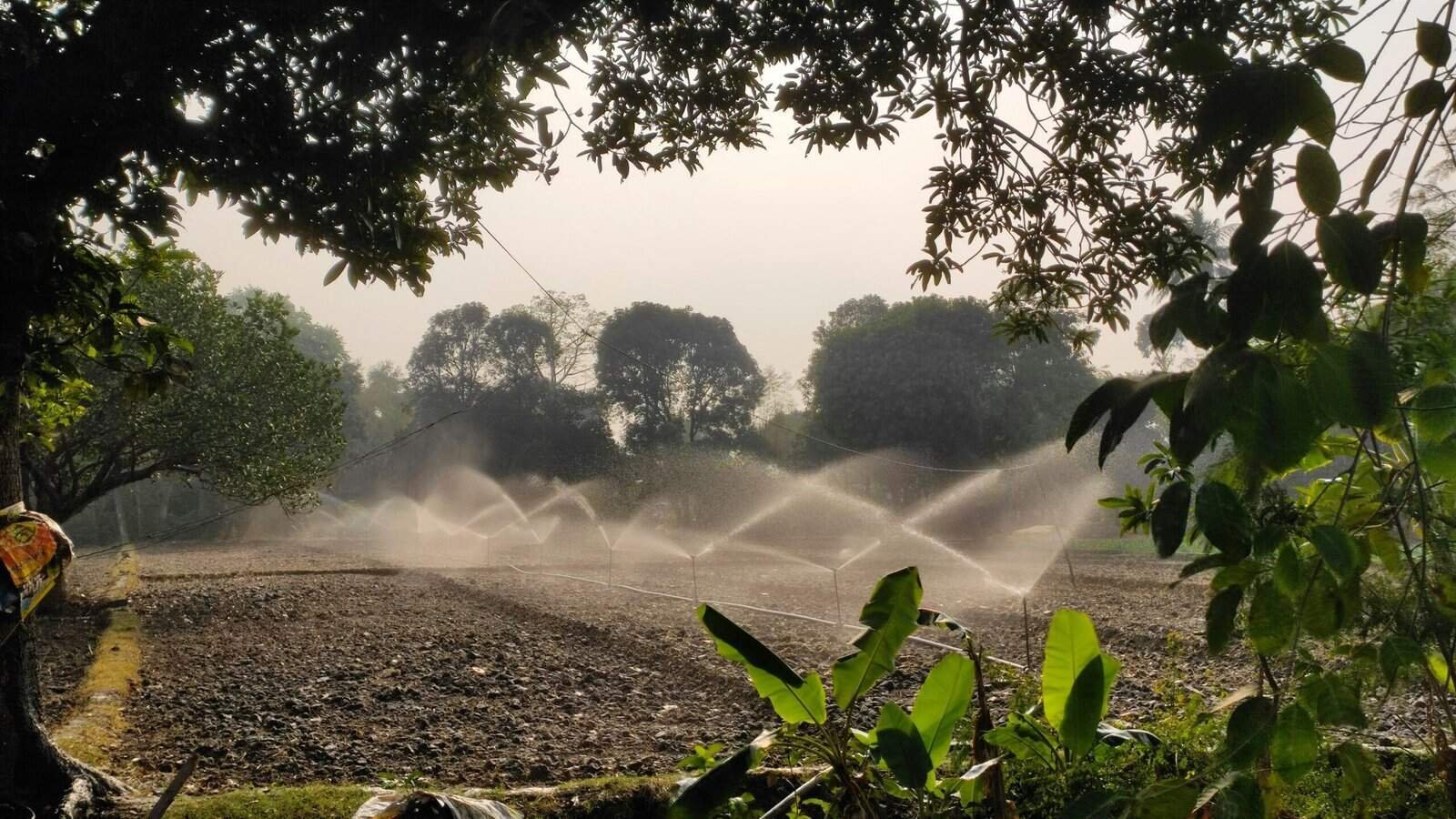
How Do I Prevent Fertilizer Runoff From Reaching My Well?
This article gives you clear, practical steps to protect your well from fertilizer runoff and explains safe practices for replacing a well pump. You’ll get prevention strategies, monitoring and testing guidance, emergency responses, and a step-by-step overview of safe pump replacement and post-installation checks. The goal is to give you actionable advice you can use whether you manage a small yard or a larger rural property.
Why preventing fertilizer runoff matters
Fertilizer runoff can introduce nitrates, phosphorus, and sometimes pesticide residues into groundwater. These contaminants can affect taste, cause algal blooms in surface water, and pose serious health risks—especially nitrates for infants and people with certain health conditions. Protecting your well protects your family’s health and your property’s value.
How fertilizer moves from land to well
Fertilizer can reach groundwater via surface runoff, subsurface flow through soil and fractured rock, direct entry through the wellhead, or migration into shallow aquifers. Understanding these pathways helps you choose the right prevention measures for your site.
Common contamination pathways
- Surface runoff after heavy rain carrying dissolved nutrients to low areas or drainageways.
- Preferential flow in compacted soils, cracks, drain tiles, or gravel layers that bypass soil filtration.
- Improper storage, mixing, or loading of fertilizer near the wellhead.
- Unsealed well casings, missing caps, or damaged sanitary seals that allow direct contamination.
Assessing your risk
You should assess soil type, slope, distance from fertilizer application areas to your well, well depth, casing condition, and local rainfall patterns. Sandy soils, fractured bedrock, shallow wells, and steep slopes increase contamination risk because they promote faster movement of water and less natural filtration.
Quick checklist for assessing risk
- How deep is your well and where is the water-bearing layer?
- What is the distance between your fertilized area and the wellhead?
- What soil types and slope characteristics exist between fertilizer areas and the well?
- Is your well cap and casing intact and sanitary?
- Do you have drainage ditches, tile drains, or culverts that connect the fertilizer area to the well or surface water?
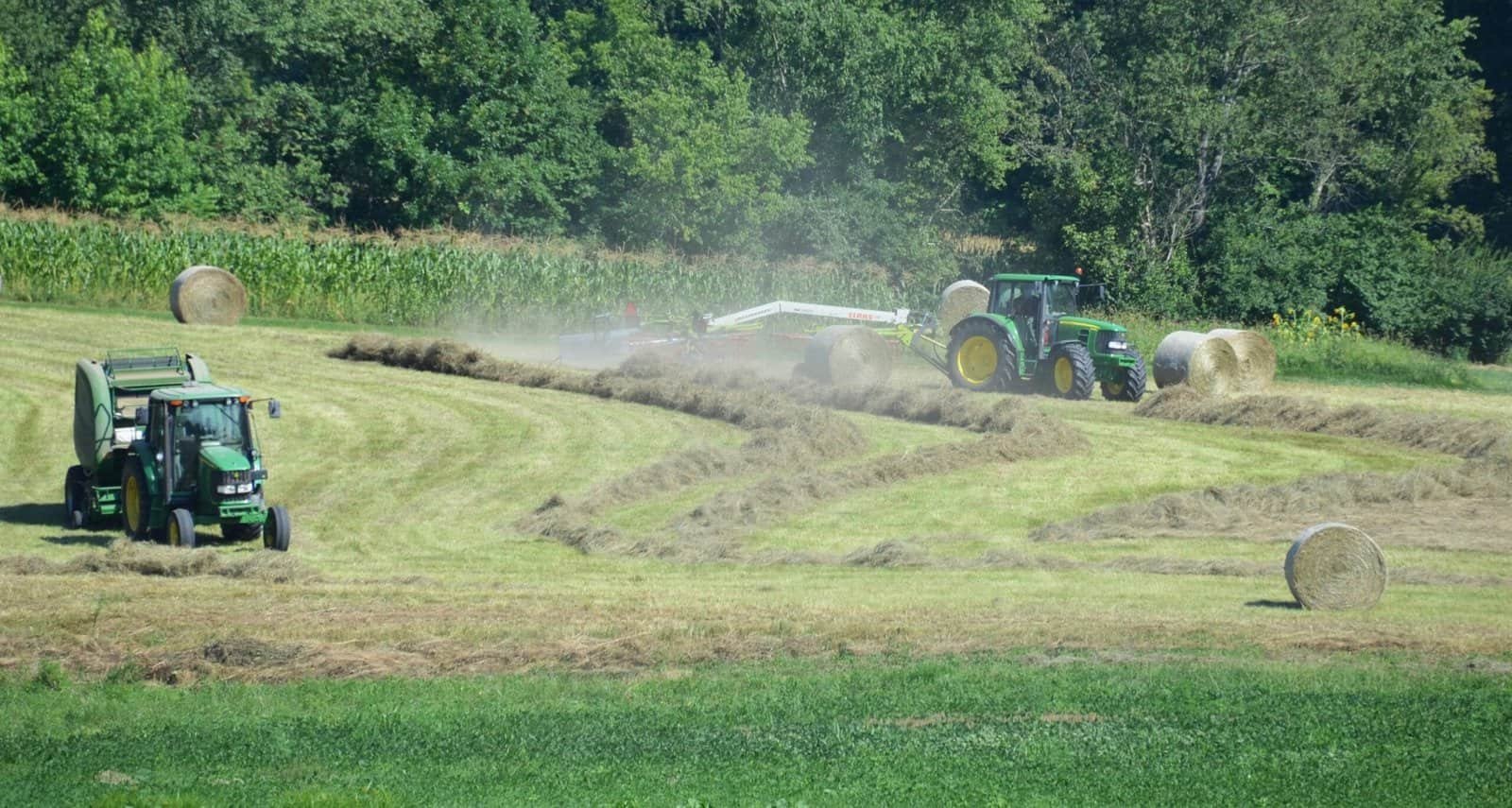
Recommended setbacks and buffer zones
Setbacks and vegetated buffers are among the most effective first-line defenses. Requirements vary by jurisdiction, but these recommendations give you a practical starting point. Always confirm local regulations and codes.
| Activity | Typical recommended setback from private well (approximate) |
|---|---|
| Fertilizer application (general) | 50–100 feet (15–30 m) |
| Fertilizer mixing/loading area | 100–200 feet (30–60 m) |
| Fertilizer storage (bulk containers) | 100–200 feet (30–60 m) |
| Livestock pens, manure storage | 100–300 feet (30–90 m) |
| Septic systems / drainfields | 50–200 feet (15–60 m) |
Best management practices (BMPs) to prevent runoff
A combination of smart fertilizer use, landscape design, and well maintenance reduces the chance that fertilizers reach your well.
Test your soil first
Getting a soil test is the most cost-effective first step. A soil test tells you what nutrients are needed and prevents unnecessary fertilizer application. You’ll save money and reduce environmental risks.
Use the right fertilizer and apply the right amount
Match fertilizer formula and application rates to soil test results. Consider slow-release formulations that reduce the chance of leaching. Avoid applying fertilizer “just in case.”
Time applications to avoid heavy rains
Apply fertilizers during dry weather and avoid treatment before expected heavy rain. If an unexpected storm comes shortly after application, nutrients are more likely to be transported to watercourses.
Use precise application techniques
Calibrate spreaders and sprayers so you deliver the correct amount uniformly. Banding fertilizer near plant rows or using targeted application reduces the total amount applied and reduces runoff risk.
Create vegetative buffer strips
A vegetated buffer between fertilized areas and the well or any waterway traps and uses nutrients before they reach groundwater or surface streams. Grasses, native plants, and shrubs slow water flow and enhance infiltration.
Implement erosion control
Contour planting, terraces, mulch, silt fences, and cover crops reduce soil erosion and reduce nutrient transport. On slopes, contouring and strips of cover crops can significantly reduce runoff.
Maintain and repair drainage systems
Keep ditches, culverts, and swales free of obstructions so water moves at a controlled rate and infiltrates rather than causing concentrated flow. Consider installing retention basins or rain gardens where runoff collects.
Avoid fertilizer storage near the well
Store fertilizers in a secure, dry area downhill and well away from your wellhead. Containment and secondary protection (sealed containers on concrete pads) prevent spills from reaching the ground.
Be careful with mixing and washing areas
Designate a mixing area away from wells, surface water, and storm drains. Use containment to capture spills and avoid washing application equipment where rinse water can flow toward the well.
Use cover crops and crop rotations
Cover crops reduce nitrate leaching during fallow periods by taking up residual soil nitrogen. Rotate crops to reduce the need for fertilizer and improve soil structure.
Install permeable surfaces and infiltration systems
Replace compacted or impervious surfaces with permeable options where possible. Use infiltration trenches, French drains, or dry wells to promote infiltration away from the well and reduce rapid runoff.
Well protection and maintenance
The wellhead is your last line of defense. Keep it in excellent condition and prevent direct contamination.
Inspect well components regularly
Check the well cap, casing, vents, seals, and grout at least once a year. Repair any cracks, holes, or missing components immediately.
Keep the area around the well clean and clear
Maintain a 10–20 foot radius clear of pesticides, fertilizers, animal pens, and heavy machinery. Keep grading sloped away from the well to prevent surface water pooling near the casing.
Properly seal or abandon unused wells
Abandoned wells can be direct conduits for contamination. If you have an unused well on property, have it properly decommissioned according to local rules.
Monitoring and testing your water
Regular water testing is essential for early detection of fertilizer-related contamination, especially nitrates and pesticides if you use them.
Recommended testing frequency
- Test for bacteria (total coliform and E. coli): at least annually and after any well work or suspected contamination.
- Test for nitrates: annually, and more frequently if you have young infants, pregnant women, or notice changes.
- Test for pesticides: if you use pesticides or live near agricultural land, test annually or after suspected contamination events.
- Test for general chemistry (pH, hardness, TDS): every 1–3 years.
Common contaminants and health effects
| Contaminant | Likely source | Health concerns | Suggested test frequency |
|---|---|---|---|
| Nitrate (NO3-) | Fertilizer, manure, septic systems | Methemoglobinemia (blue baby syndrome), health risks for pregnant women | Annually; after contamination event |
| Nitrite (NO2-) | Conversion of nitrate; fertilizer or septic contamination | Similar acute risks; more toxic in infants | As above |
| Phosphate | Fertilizer runoff, detergents | Contributes to algal blooms in surface water; less soluble in groundwater | If surface water influence is suspected |
| Pesticides | Agricultural/herbicide application | Varies by chemical; some are carcinogenic or neurotoxic | If pesticides are used nearby; annually |
| Coliform/E. coli | Surface contamination, septic systems, animal waste | Gastrointestinal illness | Annually, after repairs, and after contamination events |

Treatment options if your well is contaminated by fertilizer
If testing indicates high nitrates or other fertilizer-related contaminants, treatment options exist. Some methods are point-of-use (POU) and some treat whole-house water.
| Treatment | Targets | Pros | Cons |
|---|---|---|---|
| Reverse osmosis (RO) POU | Nitrates, many pesticides, TDS | Very effective at removing many contaminants | Wastewater production, requires maintenance, treats only drinking water faucet |
| Anion exchange (ion exchange) | Nitrate, nitrate removal | Whole-house or POU options available | Resin requires regeneration; may increase chloride content |
| Distillation (POU) | Nitrates, salts, many organics | Very effective, simple principle | Energy-intensive, slow, POU only |
| Granular activated carbon (GAC) | Some pesticides and organics | Good for certain organics, improves taste/odor | Not effective for nitrates |
| Whole-house RO or ion exchange | Nitrates, other contaminants | Treats all water used in house | High cost, maintenance-intensive |
Always confirm treatment effectiveness for your specific contaminants before purchase and consider certified devices and professional installation.
Emergency response if you suspect contamination
If you suspect fertilizer runoff has contaminated your well:
- Stop using the water for drinking, cooking, or infant formula until you have test results.
- Use bottled water for drinking and food preparation.
- Contact your local health department for immediate guidance and testing resources.
- Retest after any corrective action and after shock chlorination if done.
- If nitrates are elevated, infants and certain vulnerable people should use alternative water sources even before testing results arrive.

Recordkeeping and long-term planning
Keep a log of soil tests, fertilizer applications (dates, amounts, product type), well inspections, water test results, and maintenance actions. This documentation helps you track trends and supports decisions about land management and remediation.
What are safe practices for replacing a well pump?
Replacing a well pump can be a technical job that involves electrical hazards, confined-space considerations, and potential well contamination. You can do some steps yourself if you have the right skills, but hiring a licensed well contractor is often the safest course. The following guidance helps you prepare and understand what’s involved.
Decide whether to hire a professional
If you are not experienced with submersible pumps, electrical systems, and plumbing, hire a licensed pump installer. Licensed professionals know local codes, have proper equipment, and can usually ensure sanitary practices that protect your well water.
Permits and local regulations
Check with your local permitting authority or county health department before replacing a pump. Many jurisdictions require permits and inspections for well repairs or pump replacements.
Safety first: electricity and confined spaces
Always shut off power at the breaker before working on pump wiring. For submersible pumps that remain connected to a control box or generator, ensure the system is de-energized and locked out. Well pits and basements can be confined spaces—be mindful of low oxygen or fumes and use proper ventilation.
Tools, materials, and personal protective equipment (PPE)
You’ll typically need: pump winch or hoist, heavy-duty rope or cable, pipe wrenches, multimeter, torque wrench, Teflon tape, new drop pipe and fittings as needed, new control box or pressure switch (if applicable), chloro-based disinfectant for shock chlorination, and PPE such as gloves, eye protection, and rubber-insulated gloves for electrical work.
Pre-replacement checklist
| Task | Why it matters |
|---|---|
| Confirm static water level and pump setting depth | Ensures correct pump sizing and prevents drawing air |
| Inspect well casing and cap | Avoid disturbing an unsanitary wellhead during work |
| Turn off power and lockout/tagout | Prevents electrocution |
| Measure length of drop pipe and cable | Needed for new pump installation |
| Check pressure tank and plumbing | Determine if additional repairs or upgrades are needed |
| Order correct pump type and accessories | Match pump capacity to well yield and system requirements |
Steps to remove the old pump (overview)
- Turn off power and disconnect electrical supply.
- Secure a hoist or tripod over the well to support the pump weight.
- Release tension on the pump cable and drop pipe connections.
- Carefully raise the pump, avoiding contact between the pump and the well casing to prevent contaminant transfer.
- Inspect the pump, cable, and pipe for wear and damage.
- Cap the well temporarily with a sanitary plug if removal will be prolonged.
Steps to install the new pump (overview)
- Verify pump selection — correct depth rating, horsepower, and flow for your well.
- Assemble drop pipe and pump cable with corrosion-resistant fittings; use proper thread sealants rated for potable water.
- Lower the pump slowly, monitoring alignment to avoid damage to casing and pump.
- Reconnect electrical wiring at the control box per manufacturer instructions and local code.
- Reestablish power and test pump operation at low speed or manual control to ensure correct staging.
- Adjust pressure switch settings and check pressure tank precharge.
Disinfecting the well after pump replacement
Work in or around the well can introduce contaminants. Shock chlorination is commonly used to disinfect the well and household plumbing after pump replacement or other well work.
Basic shock chlorination steps:
- Estimate the volume of water in the well and plumbing to calculate required chlorine dose. Typical target residual in the well is 50–200 mg/L (ppm) free chlorine immediately after application—follow local guidance.
- Use household bleach (sodium hypochlorite 5–6%) and add the calculated amount to the well, then circulate the chlorinated water through all faucets until a chlorine odor is detected throughout the system.
- Let the chlorinated water stand in the system for at least 12–24 hours (or as recommended by your local health department).
- After the contact time, flush the system until chlorine odor is gone and dispose of wastewater according to local regulations.
- Test for bacteria (total coliform and E. coli) 7–10 days after chlorination to confirm disinfection.
Example calculation (approximate): If you have 100 gallons of water in your well and plumbing, to reach 50 ppm you need about 0.5 gallons (about 2 quarts) of 5% household bleach. Always consult local guidance and be conservative with volumes.
Post-installation testing and checks
- Bacterial test: Collect a sample for total coliform and E. coli 7–10 days after disinfection and repair work.
- Nitrate test: If your area is prone to nitrate issues, test after pump replacement to confirm water quality.
- Pressure and flow test: Measure flow rate and pressure to ensure the new pump matches expected performance.
- Check for leaks at all fittings and ensure the well cap is secure.
Maintenance after pump replacement
- Check pressure tank precharge and adjust if needed.
- Monitor pressure switch cycles; excessive cycling may indicate wrong tank sizing or bladder issues.
- Keep records of installation date, pump model, wiring diagrams, and test results.
- Inspect the wellhead annually and after major storms or floods.
Troubleshooting common pump replacement problems
- Pump runs but no water: Check for air lock, open valves, priming issues, or broken drop pipe. Confirm pump is set below static water level.
- Low flow or low pressure: Confirm pump size and well yield, check blockage or screen issues, verify voltage supply.
- Short cycling: Check pressure tank condition and precharge; check for leaks or small capacity tank.
- High electrical draw and tripping breakers: Inspect motor for mechanical binding or wrong voltage; consult electrician or pump installer.
Preventive measures to pair with pump replacement
Replacing the pump is a good time to take additional steps that lower contamination risk and improve system reliability.
Upgrade the well cap and sanitary seal
Install an approved well cap and ensure the casing is sealed to prevent surface water entry. A vermin-proof cap with screened vents is recommended.
Relocate mixing and storage areas
If your fertilizer mixing/loading or storage is near the well, consider relocating them to reduce contamination risk. Use proper secondary containment on impervious surfaces.
Improve drainage around the well
Grade the ground so water flows away from the wellhead. Add gravel or a concrete pad around the well to limit erosion and pooling.
Install backflow prevention devices
Protect household plumbing from cross-contamination by installing appropriate backflow prevention where required.
Working with professionals and authorities
If you hire a contractor, verify licensing, ask for references, confirm they carry insurance, and request written estimates that include permits and disinfection. Notify your local health department before and after major work, and ask for sampling guidelines.
Questions to ask a pump contractor
- Are you licensed in this state and insured?
- Do you provide a written estimate and warranty?
- Will you obtain required permits and inspections?
- Do you perform shock chlorination and provide test results?
- Can you provide references from other well owners?
Long-term stewardship and neighborhood considerations
Your actions affect not only your well but potentially neighbors’ water supplies. Coordinate with neighbors and local conservation programs for watershed-level solutions such as coordinated buffer strips, nutrient management plans, and shared stormwater infrastructure.
Summary checklist — Protecting your well from fertilizer runoff and replacing a pump safely
| Area | Key actions |
|---|---|
| Fertilizer use | Soil test, use slow-release, calibrate equipment, avoid application before heavy rain |
| Storage/mixing | Store away from well, use containment, designate mixing areas downhill and away |
| Landscape BMPs | Vegetative buffers, cover crops, erosion control, permeable surfaces |
| Well maintenance | Annual inspections, secure cap, seal abandoned wells, grade site away from wellhead |
| Monitoring | Annual bacteria and nitrate tests, test after work or contamination |
| Pump replacement | Permits, shut off power, use licensed installer if unsure, disinfect and test post-work |
| Emergency | Stop using water, contact health department, use bottled water until cleared |
Final recommendations
You can substantially reduce the risk of fertilizer runoff reaching your well by combining smarter fertilizer use with landscape design, proper storage and handling, and regular well maintenance. When it comes time to replace a well pump, treat it as an opportunity to assess and improve wellhead protection and to get appropriate testing done afterward. If you’re ever unsure, contact your local health department or a licensed well contractor to get specific, site-based advice.
If you want, provide details about your property—soil type, slope, how close your fertilized areas are to the well, and the well depth—and I can help you build a tailored plan for buffer zones, application timing, and whether a professional pump installer is recommended.
Sources
The guidance in this article is informed by the following authoritative sources:
- USGS — Ground Water — U.S. Geological Service data on groundwater levels, well construction, and water quality.
- EPA — WaterSense — EPA guidance on water conservation and water quality standards.
- CDC — Water and Wellness — Centers for Disease Control and Prevention guidance on safe drinking water.
External links open in a new tab. Verify current details with the source before relying on them.