
Published: December 17, 2025
By Lisa Martinez, Water Quality Specialist
Lisa holds a degree in Environmental Science and specializes in private well water safety and treatment.
From inspecting residential wells over the past two decades, I can tell you this: most well problems start small and get expensive the longer they are ignored. The guidance below reflects what I have actually seen in real well systems, not just what the manuals say.
Are you worried your well could be contaminated during a flood and want to know what to do about testing — especially for lead?
Why flooding threatens your well and your water
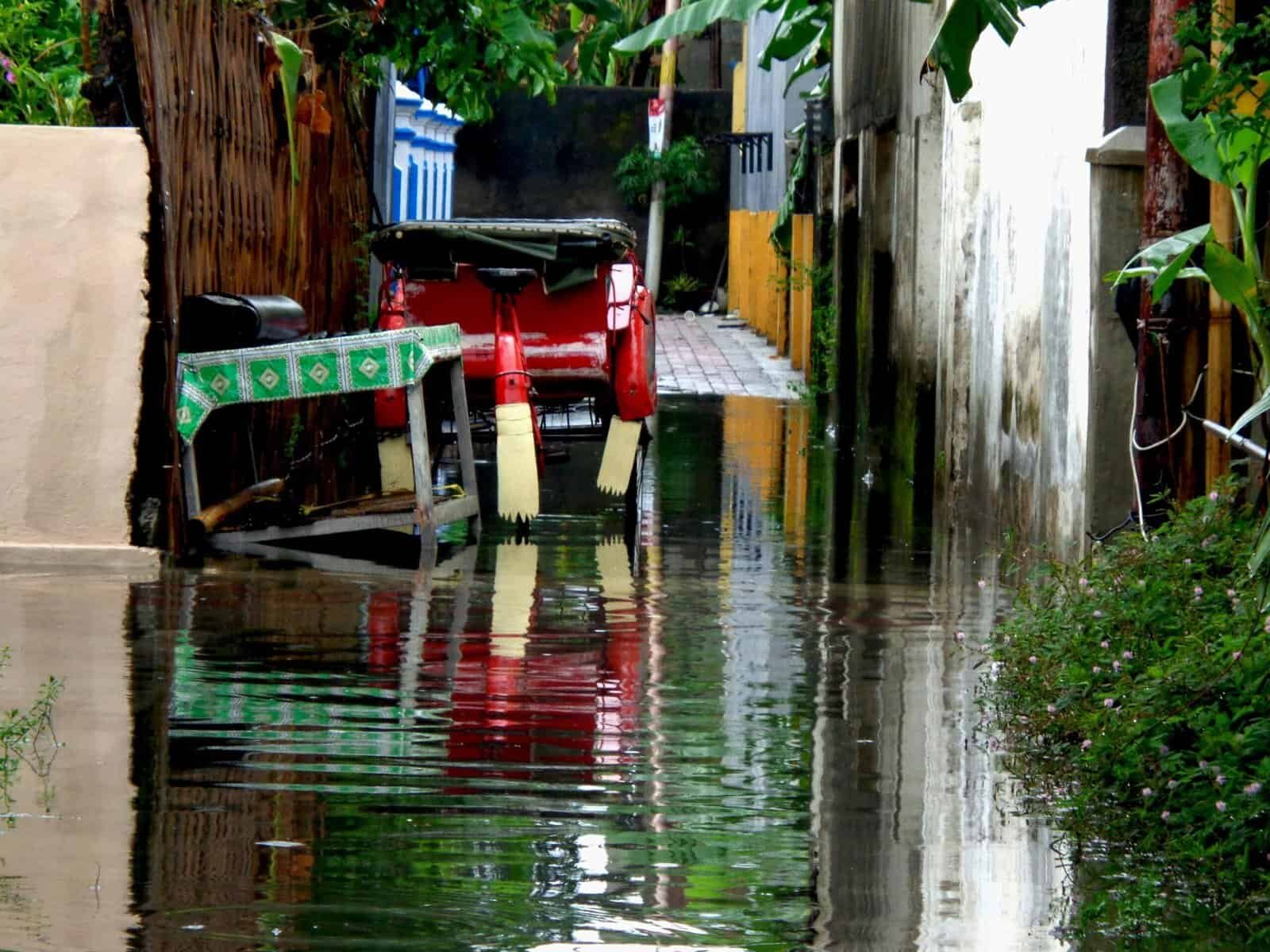
Flooding can make even a well that looked secure suddenly unsafe. Floodwaters can carry bacteria, viruses, chemicals, sediments and debris into the ground around your well and, in some cases, into the well itself if the wellhead or casing is compromised. You need to understand the specific risks so you can take effective steps before, during, and after a flood to protect your health and your water supply.
How wells become contaminated during floods
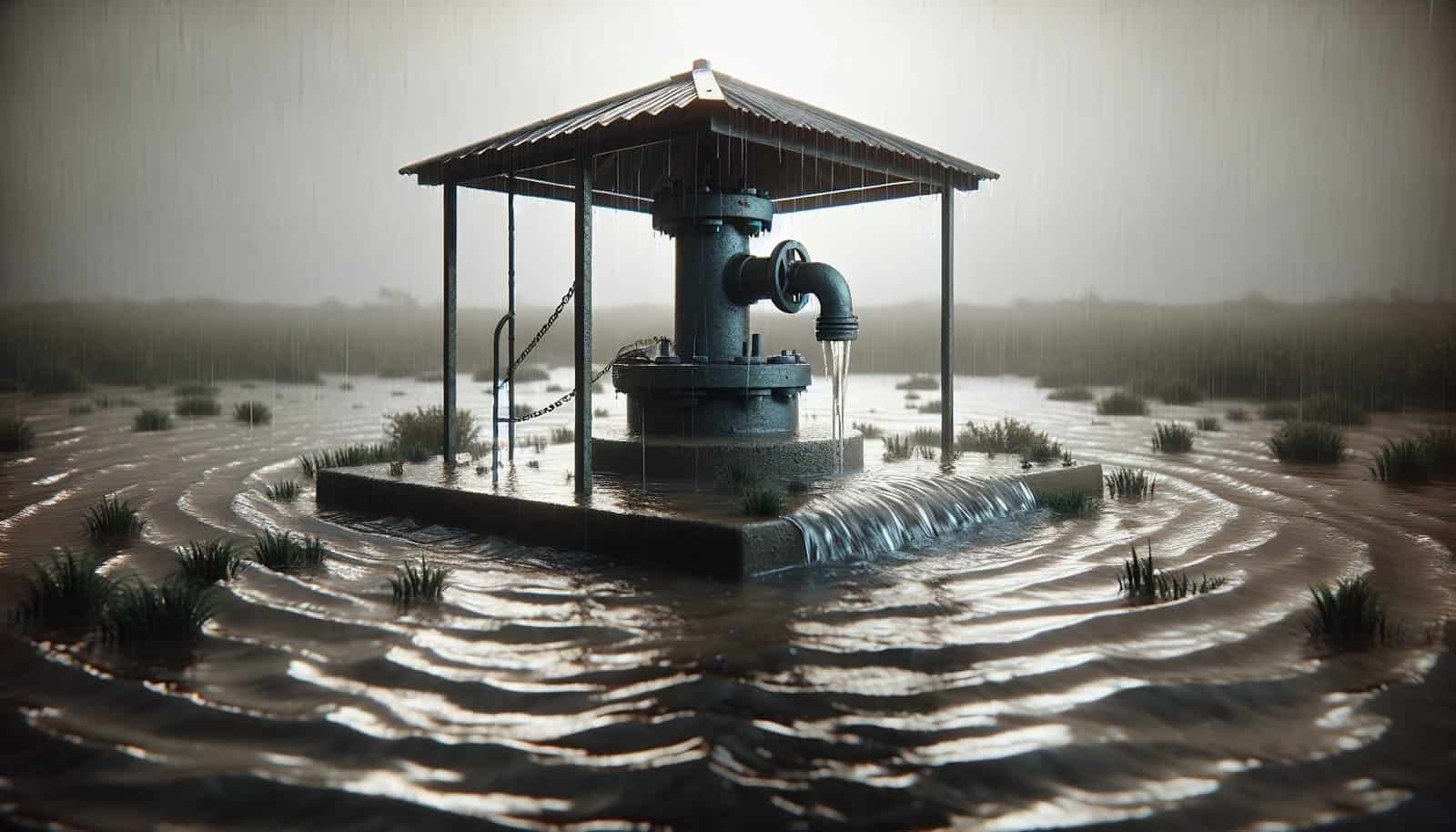
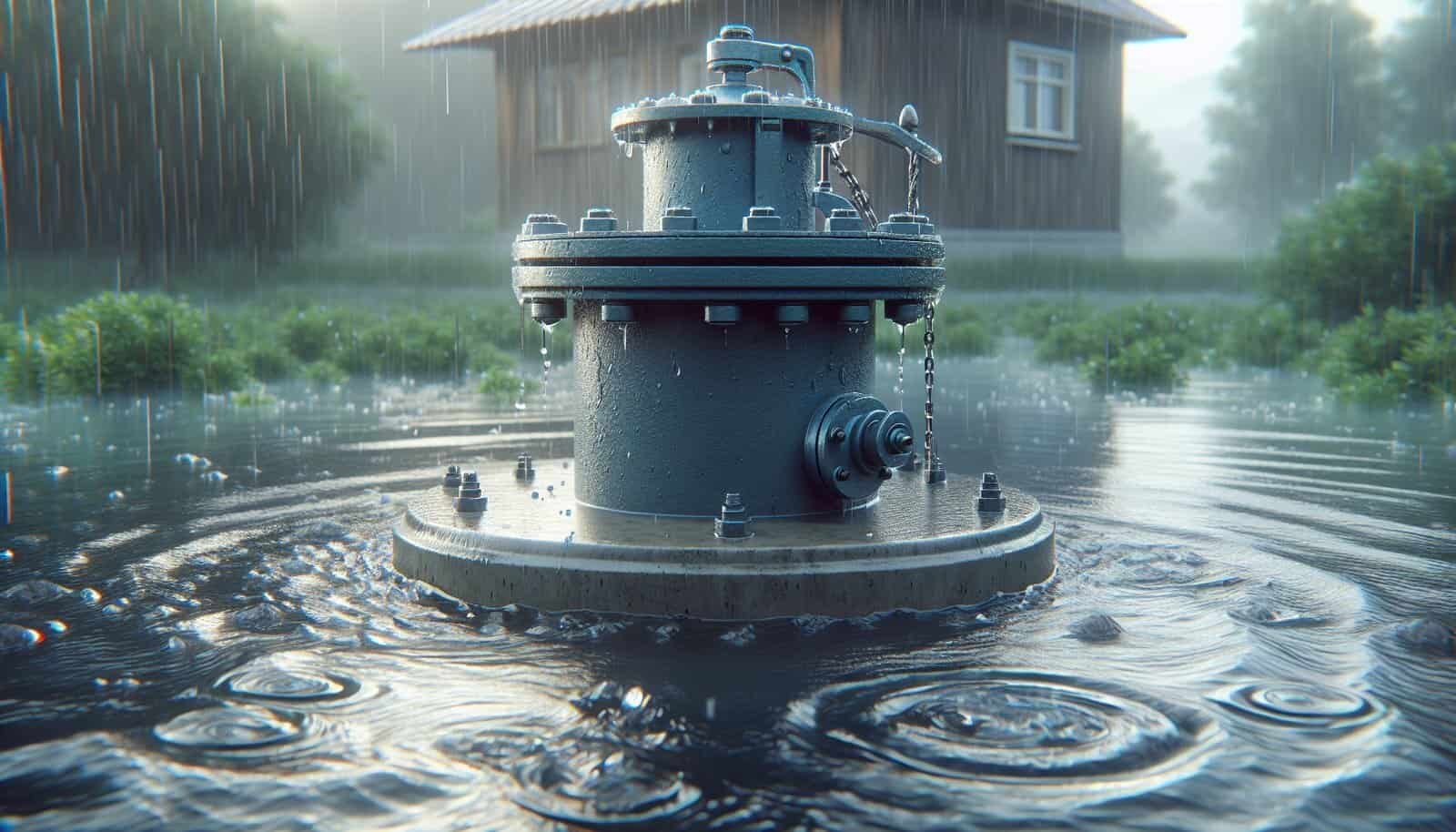
Floodwater can move contaminants from nearby sources — septic systems, farm fields, fuel storage, road runoff — into the soil surrounding your well. Water can also enter through an improperly sealed well cap, cracked casing, broken seals, or poorly sealed casing-to-concrete interfaces. If your wellhead is submerged, pressure differences or a damaged wellhead can allow contaminated water to enter the borehole.
Immediate health risk priorities after a flood
Your first priorities are safety and stopping exposure. Flood-contaminated well water often has microbes that can cause gastrointestinal illness, and it may carry chemical contaminants. Lead is a separate concern: it usually comes from plumbing materials and corrosion rather than floodwater itself, but flooding can disturb pipes or introduce corrosive water that increases lead release. You should not assume the water is safe after a flood until you disinfect and test it.
Before a flood: prevention and preparedness
Take actions long before a storm to reduce the risk of water contamination and make recovery easier.
- Keep the wellhead well above expected flood levels if you can. If you live in a flood-prone area, consider raising the top of the casing to above the base flood elevation during well construction or rehabilitation.
- Make sure the well has a sanitary cap that seals tightly and is vermin-proof. A sanitary seal prevents surface water, insects and small animals from entering.
- Create good site drainage. Grade the land so water flows away from the well, and consider a gravel pad or a low berm (raised soil or rock platform) to keep surface water from pooling around the casing.
- Keep hazardous materials (fuel, pesticides, fertilizers, chemicals, septic tank risers) well away from the well and at higher elevation when possible.
- Anchor above-ground equipment (meter, pressure tank, switches) so flood debris won’t damage them.
- Maintain a clear area around the well and keep records of well construction, depth, and pump information. Keep spare fittings and a copy of water test results in a waterproof container.

During a flood: actions to protect yourself and your well
If a flood is imminent and you have time:
- If possible, turn off the electrical power to your well pump at the circuit breaker to prevent damage and reduce the chance that contaminated floodwater will be pumped into your plumbing system.
- Move chemicals and equipment to higher ground if you can do so safely.
- Do not drink or use well water if the wellhead becomes submerged or if floodwater has come near the well. Use bottled water or other safe supplies.
After a flood: do not use your well water until it’s safe
After floodwaters recede, you should assume your well is contaminated until proven otherwise. That means:
- Do not drink the water, brush your teeth, prepare food, wash dishes, or make ice until testing shows the water is safe.
- Don’t use water for bathing vulnerable people (infants, pregnant women, immunocompromised or elderly) until you know it is safe.
- If you must use water for cleaning or flushing toilets, consider using boiled or disinfected bottled water for consuming or cooking.

First steps after floodwaters recede
Follow a set sequence — inspect, disinfect if needed, and test — so you don’t miss anything important.
- Visually inspect the wellhead, casing, pressure tank, electrical equipment and wiring for structural damage, cracks, or contamination. If the well casing or cap is damaged, do not attempt to use the well until a licensed well contractor makes repairs.
- If the well was submerged or you see contamination around the well, plan to disinfect (shock chlorinate) the system and then test for bacteria and other contaminants.
- If your system shows signs of damage beyond a simple cap replacement — collapsed casing, silt in the well, pump damage — contact a licensed well contractor or your local health department before using the well.
Testing after a flood: what to test and when
After a flood you should at minimum test for:
- Total coliform bacteria and E. coli. These are immediate red flags for fecal contamination.
- Turbidity (cloudiness) which affects disinfection effectiveness and may indicate sediment entry.
- Nitrate and nitrite, particularly in agricultural areas or if you have a septic system nearby.
- If you suspect chemical contamination (fuel, pesticides, industrial chemicals), test for the specific chemicals of concern. These are not part of routine panels and must be requested.
- Metals, including lead, if you have older plumbing or suspect corrosive water conditions or if flooding may have disturbed pipes.
Timing: collect bacteriological samples after you disinfect and flush the system — typically 3–5 days after recommended shock chlorination and after flushing all plumbing until chlorine is gone. If you do not disinfect, test immediately to document contamination. Always follow guidance from your local health department or the laboratory on sample timing.
How do I test well water for lead?
Testing for lead is straightforward but requires care so results are meaningful.
Step 1 — Decide what type of sample to collect
Lead in household water usually comes from plumbing (pipes, solder, brass fittings), not from the groundwater itself. To find the worst-case exposure to consumers:
- First-draw (first-flush) sample: Collect a sample after the water has sat in the pipes without being used for at least 6 hours (overnight is common). This sample shows the water sitting in your plumbing and is most likely to show lead released from pipes and fixtures.
- Flushed sample: After drawing the first-draw, run the cold water for a set time (e.g., 30 seconds or 2–5 minutes) and collect a second sample. This shows whether lead levels decrease after flushing and whether the groundwater or source water itself contains lead.
For private wells you may want both types: first-draw for plumbing lead and a flushed or sampled-from-the-well result to see if the source water is a problem.
Step 2 — Find a certified laboratory
Use a state-certified or EPA-recognized laboratory that analyzes drinking water for lead. Contact your state or county health department, or search your state’s certified lab directory. Laboratories will usually provide sample containers, instructions and shipping information. Using a certified lab ensures proper handling, accredited methods and accurate, defensible results.
Step 3 — Sample collection basics
Follow the lab’s instructions exactly. General tips:
- Use the lab-supplied bottle. These are often acid-washed and may contain preservatives for metals.
- Do not clean your faucet with a disinfectant that could affect results unless the lab tells you to do so. You will usually be instructed to remove aerators and run a gentle stream to clear loose particles, but do not flush the plumbing before a first-draw sample.
- For a first-draw sample: avoid using the tap for at least 6 hours (overnight). Do not touch the inside of the cap or bottle. Fill the bottle to the indicated level.
- For a flushed sample: after collecting the first-draw, run cold water for the time specified by the lab (often 30 seconds to several minutes depending on your piping) before collecting the second bottle.
- Use only cold water for lead sampling — hot water can dissolve more lead and give misleading results.
- Keep samples cool and deliver to the lab within the time the lab specifies (often within 24–48 hours).
Step 4 — Understand how results are reported
The lab will report lead concentrations in micrograms per liter (µg/L), which is equivalent to parts per billion (ppb). For public water systems the EPA’s action level is 15 ppb (this is a regulatory trigger for corrosion control, not a health-based maximum). For private wells, there is no federal “action level”: the recommended public health goal is 0 ppb and the CDC/WHO advise minimizing exposure because any detectable lead can be harmful, especially to infants and pregnant women.
If the lab reports any detectable lead, take action to reduce exposure immediately, especially for vulnerable household members.
Interpreting lead test results and steps to take
- Non-detectable: Continue periodic testing, especially if you have older plumbing or water chemistry that can cause corrosion. Re-test if you change your plumbing, or if a child or pregnant person moves in.
- Detectable but low (e.g., 1–10 ppb): Reduce exposure. Use only cold water for drinking and cooking, and consider a certified point-of-use filter. Retest to confirm and test different taps if possible.
- Higher levels (>15 ppb or levels that concern you): Take immediate action — don’t use water for drinking, infant formula, or cooking until you have safe alternatives or a treatment solution in place. Consider professional plumbing evaluation and treatment.
Short-term ways to reduce lead exposure right away
- Use bottled water for drinking and cooking, or use cold water that has been boiled and then cooled only for non-infant uses (boiling does not remove lead).
- Use only cold water for preparing baby formula; consider using bottled water if lead levels are elevated.
- Run the faucet until water is noticeably colder (or a set time like 30 seconds) before using it for drinking or cooking to flush standing water from pipes.
- Install a point-of-use filter certified to reduce lead (look for NSF/ANSI Standard 53 or Standard 58 for reverse osmosis systems; certification label should indicate lead reduction).
Treatment and remediation options for lead in well water
Here’s a practical table of common options with pros and cons.
| Treatment option | What it does | Pros | Cons |
|---|---|---|---|
| Point-of-use certified filter (NSF 53) | Removes lead at a single tap (kitchen sink) | Effective, relatively affordable, quick to install | Requires filter changes, only protects that tap |
| Reverse osmosis (RO) unit (POU) | Removes many contaminants including lead | Very effective for lead, produces high-quality water for drinking/cooking | Wastewater, cost of unit and maintenance, only POU |
| Distillation (POU) | Removes metals and many contaminants | Effective, no chemicals, simple concept | Energy intensive, slow, requires maintenance |
| Point-of-entry (whole-house) filtration | Treats all water entering the home | Protects entire house (bath, laundry) | More expensive, may be overkill for ingestion-only risks |
| Plumbing replacement (remove lead pipes, solder, brass) | Removes source of lead release | Long-term permanent fix | Can be costly, requires licensed plumber |
| Corrosion control (pH adjustment, orthophosphate) | Reduces leaching from plumbing | Effective for systems with known corrosion issues | Typically used by community systems; complex and ongoing; not always practical for private wells |
Choose the option that fits your budget and the area of concern (if only drinking water contains lead due to kitchen plumbing, a POU filter at the kitchen sink is usually the fastest and most affordable fix).
How often should you test your well water?
- After any flooding event or well repairs.
- Annually for bacteria and nitrate (more often if you’re at higher risk).
- If you have older plumbing, test for lead at least once, and re-test if you change plumbing or notice changes (taste, color, corrosion).
- Test whenever you have a new baby, pregnancy, or a person with a compromised immune system moves into the household.
How to disinfect (shock chlorinate) your well after flooding
If your well was submerged or you suspect microbial contamination, shock chlorination is a common first response. It’s a temporary disinfection technique and does not fix structural damage or chemical contamination.
General shock chlorination steps (summary)
- Use unscented household bleach (sodium hypochlorite). Check the product label to determine the concentration (typically 5–8.25% for household bleaches).
- Calculate the volume of water in the well and the amount of bleach needed to reach a target chlorine concentration (50–200 ppm is commonly recommended for shock chlorination).
- Add the bleach to the well and distribute it throughout the plumbing by opening each tap until a strong chlorine odor is present.
- Let the chlorinated water sit in the system for at least 12–24 hours, keeping it out of contact with plants or animals.
- After the wait period, flush the system until the strong chlorine smell is gone and dispose of heavily chlorinated wastewater appropriately (avoid discharging to waterways or into septic systems at volume).
- Test for total coliform/E. coli after the system has been flushed and chlorine is no longer present. If bacteria return, repeat chlorination or consult a professional.
How to estimate bleach needed (example calculation)
The exact bleach amount depends on your well diameter and depth to water. Here is a simple calculation method and an example you can use as a model, but you should always confirm with local guidance.
- For a 4-inch diameter well, volume in gallons per foot of water is about 0.65 gallons per foot.
- Total gallons = 0.65 × depth (feet of water in the well).
- Convert gallons to liters: liters = gallons × 3.785.
- Desired chlorine concentration (mg/L or ppm) × liters = total mg of chlorine needed.
- Household bleach concentration (e.g., 6% sodium hypochlorite) contains about 60,000 mg of available chlorine per liter (estimate). Liters of bleach needed = total mg needed / 60,000 mg per liter.
- Convert liters of bleach to ounces or cups (1 liter ≈ 33.8 fl oz, 1 cup = 8 fl oz).
Example: If your 4-inch well has 100 feet of water in it:
- Gallons = 0.65 × 100 = 65 gallons.
- Liters = 65 × 3.785 ≈ 246 liters.
- To reach 50 ppm: total mg = 50 mg/L × 246 L = 12,300 mg.
- Bleach (6%) liters needed ≈ 12,300 / 60,000 ≈ 0.205 liters ≈ 7 fl oz (just under 1 cup). This example shows that shock chlorination often requires surprisingly small amounts of bleach for typical wells, but the concentration of household bleach varies, and you may want a higher target concentration (50–200 ppm). Always follow local or state health department guidance and verify calculations, or hire a professional if you are unsure.
Table: Example bleach amounts for a 4-inch well (approximate)
| Water column depth (ft) | Approx. gallons | Liters | Bleach for ~50 ppm (6% bleach) |
|---|---|---|---|
| 25 ft | 16.3 gal | 62 L | ~1.0 fl oz (≈2 Tbsp) |
| 50 ft | 32.6 gal | 123 L | ~3.5 fl oz (≈7 Tbsp) |
| 100 ft | 65.2 gal | 246 L | ~7 fl oz (≈0.9 cup) |
| 200 ft | 130.4 gal | 493 L | ~14 fl oz (≈1.75 cup) |
Note: These numbers are illustrative. Bleach strength varies; some household bleaches are 5% while others are 8.25%. If you plan to shock chlorinate, check the labelled percentage and follow exact instructions from your local health department or well contractor.
Post-chlorination: flushing and retesting
- After shock chlorination, flush the system at each tap until you no longer smell chlorine.
- Test for total coliform and E. coli at least 3–5 days after chlorination and flushing. If positive, repeat chlorination or hire a professional.
- If chlorine levels never return to normal or bacteria reappear, there may be ongoing contamination (e.g., cracked casing, continuous surface water intrusion) requiring repairs.
When to call a professional
- You detect heavy contamination that you cannot resolve with shock chlorination.
- Your well casing or pump is physically damaged or submerged and you’re unsure about repairs.
- Lead levels are high and point-of-use treatment is not sufficient or you want whole-house treatment.
- You suspect chemical contamination (fuel, pesticides, solvents) — these require professional assessment and specialized testing/treatment.
Long-term maintenance and monitoring
- Test your well water annually for bacteria and nitrate, and test for lead if you have older plumbing or children/pregnant women in the home.
- Keep a record of test results and any maintenance work. These records help if you sell your home or if you must track seasonal trends.
- Maintain a clear zone around the well and prevent any contaminants from being stored nearby.
- Replace corroded or lead-containing plumbing elements when possible.
- Periodically inspect the well cap, casing, and concrete pad. Replace worn seals.
Practical checklist you can follow
| Action | When to do it |
|---|---|
| Keep records of well construction and tests in a waterproof package | Now |
| Inspect wellhead and cap condition | Annually and after storms |
| Test for bacteria and nitrate | Annually, and after flooding |
| Test for lead | At least once if you have older plumbing, or after plumbing work; after flooding if plumbing affected |
| Shock chlorinate | If well submerged or coliform positive |
| Hire licensed well contractor | If physical damage, persistent contamination, or complicated treatment needed |
Final considerations and resources
- Lead often comes from your plumbing rather than the well. If lead is detected, reduce exposure immediately and choose a remediation path that fits your situation — short-term point-of-use filters for immediate protection and more permanent plumbing replacement or treatment for long-term safety.
- For certified labs, treatment products and official guidance, contact your state or county health department or the state drinking water program. They can point you to certified labs, give recommended testing panels and provide step-by-step local guidance for shock chlorination and well repairs.
- If you’re uncertain at any step, get professional help. A licensed well contractor, certified laboratory, or local health authority can save time and reduce risks.
If you’d like, tell me the well depth, the diameter of your casing, the bleach percentage you have on hand, and whether you want a step-by-step calculation for shock chlorination or a checklist you can print and follow for sampling lead.
Sources
The guidance in this article is informed by the following authoritative sources:
- USGS — Ground Water — U.S. Geological Service data on groundwater levels, well construction, and water quality.
- EPA — WaterSense — EPA guidance on water conservation and water quality standards.
- CDC — Water and Wellness — Centers for Disease Control and Prevention guidance on safe drinking water.
External links open in a new tab. Verify current details with the source before relying on them.