
Published: April 30, 2026
By Thomas Reynolds, Pump Systems Engineer
Thomas has installed and serviced over 1,000 well pump systems for homeowners.
From inspecting residential wells over the past two decades, I can tell you this: most well problems start small and get expensive the longer they are ignored. The guidance below reflects what I have actually seen in real well systems, not just what the manuals say.
Your well water is the lifeline of your home, but invisible contaminants could be lurking beneath the surface. Whether you’re a new well owner or have been drawing water for decades, well water testing is the single most important thing you can do to protect your family’s health. With water contaminants ranging from bacteria to heavy metals to agricultural runoff, knowing exactly what’s in your water—and having the knowledge to act on it—separates a safe well from a dangerous one.
This 2026 edition of our DIY water test guide covers everything from basic bacterial screening to advanced lead testing well water kits, arsenic analysis, nitrate testing, and the professional-grade E.coli testing protocols that most DIY guides skip entirely. We break down every test kit on the market, compare costs, walk you through decision-making, and give you a practical framework for staying on top of well water safety year after year.
Table of Contents
- Why Test Your Well Water?
- Common Well Water Contaminants
- Types of DIY Water Test Kits
- How to Choose the Right Test Kit
- Step-by-Step: Bacteria & E.coli Testing
- Heavy Metals: Lead & Arsenic Testing
- Nitrate & Nitrite Testing
- pH, Hardness, & General Chemistry
- When to Call a Professional Lab
- Recommended Testing Schedule
- Interpreting Your Results
- Fixing Problems: What Results Mean
- Frequently Asked Questions

Regular well water testing protects your family from invisible health risks. Photo: Unsplash.
Why Test Your Well Water?
Unlike municipal water systems, private wells receive no federal treatment or monitoring. The EPA estimates that over 15 million Americans rely on private wells, and none of that water is treated by a public utility. Your well is your treatment plant, your monitoring station, and your first line of defense—all of which requires you to stay vigilant.
The reasons to test are both straightforward and urgent. Groundwater contamination events happen constantly. Agricultural runoff carries nitrates into aquifers. Old plumbing systems leach lead into your supply. Heavy arsenic well water conditions affect millions of wells across the American West, Midwest, and even parts of the Northeast. And bacteria like E.coli can invade your well through cracks, poor caps, or animal intrusion without warning.
Testing also gives you a baseline. If you haven’t tested your well in the last 12 months, you are flying blind. Even if your water looks and tastes fine, well water safety demands regular analysis. The CDC recommends at minimum annual testing for bacteria and nitrates, with heavy metal and mineral analysis every 3–5 years—or immediately after any event that could compromise your well.
Our companion guide, The Complete Well Water Maintenance Guide 2026, covers broader system care, but this guide focuses exclusively on the science and practice of testing your water for contaminants. If you want a seasonal checklist with testing built in, grab our Spring Well Testing Checklist for a ready-to-print action plan.
Common Well Water Contaminants and Their Risks
Not all contaminants are created equal. Some cause immediate illness; others accumulate in your body over years. Understanding which contaminants to prioritize helps you spend your testing budget wisely.
| Contaminant | Common Sources | Health Risk | DIY Test Available? |
|---|---|---|---|
| E.coli & Coliform Bacteria | Animal waste, septic leakage, surface water intrusion | Immediate illness: nausea, diarrhea, cramps. Dangerous for children and immunocompromised. | Yes — home test kits ($10–$40) |
| Nitrates / Nitrites | Fertilizer runoff, septic systems, animal waste | Blue baby syndrome (methemoglobinemia) in infants. Thyroid and nervous system effects in adults. | Yes — colorimetric kits ($15–$60) |
| Lead | Old plumbing, well cap materials, industrial contamination | Neurological damage, developmental delays in children. Kidney damage in adults. | Partially — some kits available, lab preferred |
| Arsenic | Natural geology, agricultural chemicals, mining | Cancer, skin lesions, cardiovascular disease, neurological effects. | Partially — field kits exist but lab confirmation required |
| Uranium | Natural uranium deposits, mining runoff | Kidney damage, bone cancer risk. Often accompanies arsenic. | Lab only |
| Manganese | Rock formations, plumbing fixtures | Neurological issues at high levels. Staining of fixtures. | Lab recommended; some field kits |
| Iron | Rock formations, pipe corrosion | Primarily aesthetic. High levels can harbor bacteria. | Yes — colorimetric tests ($8–$25) |
| pH / Acidity | Natural geology, acid rain, septic leaching | Corrosion of pipes (releases lead/copper). Sour taste. Scale at high pH. | Yes — test strips or drops ($5–$20) |
| Hardness (Calcium/Magnesium) | Limestone, dolomite geology | Scale buildup, dry skin, reduced soap lather. Not a health risk. | Yes — test kits ($8–$30) |
| E. coli Testing | Same as coliform | Same as coliform, but E.coli specifically indicates recent fecal contamination. | Yes — most bacterial kits include E.coli |
Note that arsenic well water is particularly insidious because it occurs naturally in groundwater across large regions. According to the USGS, arsenic exceeds EPA standards in over 27 states. There is no reliable home test for arsenic at the strictest levels (the EPA standard is 10 micrograms per liter), so if you live in an arsenic-prone area, lab analysis is essential.

Home test kits make it easy to screen for contaminants—before you commit to a lab analysis. Photo: Unsplash.
Types of DIY Water Test Kits
The market for well water testing kits has exploded in recent years. In 2026, you can buy everything from basic pH strips to smartphone-connected meters that stream data to your phone. Here’s a breakdown of what’s available and when to use each type.
Test Strips
Test strips are the simplest and cheapest option. You dip the strip into water, wait 15–60 seconds, then compare the color changes to the included chart. They’re ideal for quick checks of pH, hardness, chlorine, iron, and total coliform. Most strips cost $5–$25 for a 25–50 pack.
Pros: Inexpensive, no waiting, instant results, great for routine monitoring.
Cons: Low accuracy, subjective color comparison, limited contaminant panels, not EPA-validated for regulatory compliance.
Colorimetric Drop Kits
These kits use liquid reagents that you add to a water sample in a small vial. The water changes color, which you compare to a graduated color chart. They’re significantly more accurate than strips for nitrate testing, iron, chlorine, and hardness.
Pros: Better accuracy than strips, relatively inexpensive ($15–$60 per kit), no waiting period beyond mixing.
Cons: Color matching can be subjective, limited to the contaminants in the kit, expiration dates on reagents.
Bacterial Culture Kits
For E.coli testing and general coliform screening, bacterial culture kits grow any bacteria present in your water sample over 24–48 hours. You get a clear yes/no result based on whether colonies appear.
Pros: Confirms bacterial presence without a lab visit, affordable ($20–$50), fast results.
Cons: Only detects bacteria, doesn’t quantify contamination levels, requires incubation time, false negatives possible if sample is mishandled.
Electronic Meters
Digital meters measure pH, TDS (total dissolved solids), conductivity, and temperature. Some higher-end models include nitrate and hardness sensors. In 2026, WiFi-enabled meters that log data to your phone are becoming mainstream.
Pros: Objective readings, reusable, great for tracking trends over time.
Cons: Requires regular calibration, does not detect bacteria or most heavy metals, upfront cost ($30–$300).
How to Choose the Right Test Kit: Decision Flow
With dozens of kits on the market, picking the right one can feel overwhelming. Use this decision flow to narrow your options based on your specific needs.
│
├─ Bacteria / Health risk (children, elderly)?
│ → Buy an E.coli testing / coliform culture kit ($20–$50)
│ → Run quarterly, immediately after any well intrusion event
│
├─ Recent agricultural activity near your well?
│ → Buy a nitrate testing kit ($15–$60 drop kit)
│ → Also run nitrite testing (more dangerous than nitrate)
│ → Send a lab sample within 6 months
│
├─ Living in an arsenic-prone region?
│ → Do NOT rely on DIY kits alone
│ → Send lab samples for arsenic + uranium analysis ($30–$80)
│ → Home kits only as interim screening between lab tests
│
├─ Concerned about old pipes / lead exposure?
│ → Lab analysis required for definitive lead testing well water results
│ → Home kits exist but have accuracy issues at low levels
│ → Run a third-day first-draw sample for accuracy
│
├─ Just want routine water quality monitoring?
│ → Buy a digital pH/TDS meter ($30–$100)
│ → Add test strips for iron, hardness, chlorine ($10–$25)
│ → Test monthly; trend data prevents surprises
│
└─ Unsure what’s in your water?
→ Start with a comprehensive 7–15 panel test kit ($50–$150)
→ Follow up with a certified lab analysis ($100–$300)
→ This is the best first step for new well owners
The key takeaway: DIY water test kits are excellent for screening and routine monitoring, but they cannot replace periodic certified lab analysis for heavy metal testing, arsenic well water confirmation, or any result that approaches regulatory action levels.
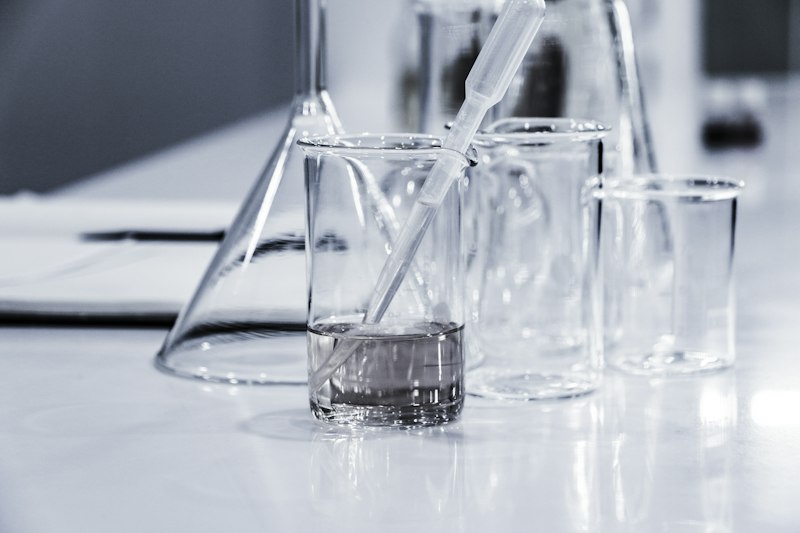
Even the best DIY kits should be supplemented with periodic certified lab analysis for full contaminant coverage. Photo: Unsplash.
Step-by-Step: Bacteria & E.coli Testing
Bacterial contamination is the most common problem found in private wells. The EPA states that coliform bacteria are present in about 3–5% of private wells tested annually, and E.coli specifically indicates that fecal material has recently entered your water supply.
Home E.coli Testing Kit Method
Here’s exactly how to perform a DIY E.coli testing procedure with a home culture kit like the LaMotte Colilert or similar EPA-recognized product:
Step 1 — Gather supplies. You’ll need the culture kit (often includes sterile sample bottles and growth media), a timer, and a warm, dark location at room temperature (ideally 68–77°F).
Step 2 — Sample collection. Open the sterile bottle without touching the inside. Remove your well cap, let the pump run for 5 minutes, then collect water from the cold water tap closest to the well (or directly from the wellhead if safe). Fill the bottle to the fill line. Cap it immediately.
Step 3 — Add reagent. Tear open the Colilert packet and pour all contents into the sample bottle. Cap tightly and swirl to dissolve. The solution will turn yellow if coliform bacteria are present.
Step 4 — Incubate. Place the bottle in a dark, warm location for 24 hours. After 18–24 hours, examine under a blacklight (UV light at 366 nm, included with most kits). Fluorescent yellow-green colonies = E.coli confirmed. Yellow without fluorescence = total coliform present, but E.coli not detected.
Step 5 — Interpret results.
- No color change = No bacteria detected — safe to drink
- Yellow, no fluorescence = Total coliform positive — retest in 2 weeks
- Fluorescent colonies = E.coli positive — boil water until professional chlorination or repair is complete
When to Test for Bacteria
Test your water for bacteria at minimum once per year, preferably in the spring after winter thaw when groundwater contamination risk is highest. Test immediately if you notice any of the following:
- Cloudy, foul-smelling, or discolored water
- Recent flooding near the well head
- Wildlife or livestock near the well area
- Any repair or work done on the well or plumbing
- A family member gets unexplained gastrointestinal illness
- New construction or agricultural activity nearby
Heavy Metals: Lead & Arsenic Testing
Heavy metals are the hardest contaminants to deal with because they don’t disappear. Once lead or arsenic is in your water, it stays there until you treat or replace the water source. Prevention through testing is your only reliable defense.
Lead Testing Well Water: What You Need to Know
Lead contamination in private wells typically comes from three sources: old well components (lead solder, brass fittings), surface contamination from industrial activities, or corrosive water (low pH accelerates lead leaching from any lead-containing plumbing). The EPA’s Lead and Copper Rule only applies to municipal systems—private wells have no such protection.
For lead testing well water accuracy, follow this protocol:
- Use a “first draw” sample. Open the cold water tap and let it run for 5 minutes. Wait at least 6 hours with no water usage. Then collect the first water that comes out. This captures the maximum lead concentration from pipes sitting stagnant overnight.
- Use a certified lab. While home lead testing well water kits exist (typically $20–$60), they have significant accuracy limitations at the EPA’s action level of 15 ppb (parts per billion). Only certified labs can deliver results accurate to 1 ppb. The cost is $50–$150 per sample.
- Compare first-draw and flush results. The EPA recommends collecting both a first-draw sample and a sample after running water for 5 minutes. The difference between the two tells you whether your plumbing is contributing lead.
Here’s how home kits compare to lab analysis for lead testing well water:
| Method | Accuracy (Lead) | Cost per Test | Turnaround | Best For |
|---|---|---|---|---|
| Home colorimetric kit (e.g., 3M LeadCheck) | ±5 ppb detection | $20–$60 | 1 minute | Quick screening; confirms presence/absence |
| Home electronic meter | ±3 ppb (ideal conditions) | $80–$250 upfront | 30 seconds | Trend monitoring between lab tests |
| DIY lab kit (mail-in reagent) | ±1 ppb at EPA action level | $50–$100 | 7–14 days | Definitive screening between full labs |
| Certified lab (EPA Method 200.8) | ±0.5 ppb at EPA action level | $50–$150 | 10–21 days | Definitive results; legal record; treatment design |
Arsenic Well Water Testing
Arsenic well water contamination is a geological problem, not a plumbing one. The arsenic concentration in your water is determined by the mineral composition of the rock formation your well taps into. However, the pH level and oxidation state of your water affect how much arsenic dissolves into your supply.
The EPA’s Maximum Contaminant Level (MCL) for arsenic is 10 micrograms per liter (μg/L). The World Health Organization recommends a stricter limit of 10 μg/L. Many private wells exceed this limit naturally, especially in the following regions:
- Northern Plains and Upper Midwest (North Dakota, South Dakota, Nebraska, Minnesota)
- Southwest (Arizona, New Mexico, Texas, California Central Valley)
- Northeast (New York, Pennsylvania, New Jersey, New Hampshire)
- Pacific Northwest (Washington, Oregon, Idaho)
- Southeast (parts of North Carolina, South Carolina, Georgia)
For arsenic well water testing, there are two viable approaches. Home test kits like the LaMotte As-7 Arsenic Test Kit can detect down to approximately 10–20 ppb but lack sensitivity at the EPA’s 10 ppb standard. If your kit shows any positive result, treat it as a red flag and send a sample to a certified lab. The lab option (EPA Method 200.8 for total arsenic) is the only method that provides legally defensible results. Lab cost for arsenic-only testing is approximately $30–$80.
Nitrate & Nitrite Testing
Nitrate testing should be part of every well owner’s annual testing routine. Nitrates enter groundwater through fertilizer runoff, septic system leakage, and livestock waste. The danger is particularly acute for infants under 6 months, who can develop blue baby syndrome (methemoglobinemia) from nitrate-contaminated formula prepared with well water.
The EPA’s MCL for nitrates (as N) is 10 mg/L. Nitrites (also regulated) have a lower MCL of 1 mg/L because they are more immediately toxic.
How to Perform Nitrate Testing at Home
For nitrate testing, a colorimetric drop kit is your best home option. The LaMotte Nitrate-Nitrogen Test Kit and the Hach Nitrate Test Kit both provide reliable readings down to approximately 1 mg/L, which is sufficient for screening.
Procedure:
- Fill the provided vial to the marked line with well water
- Add the recommended number of drops of reagent solution
- Swirl and wait for the specified color development time (usually 1–3 minutes)
- Compare the color to the chart under good lighting
- Record the reading and compare to the 10 mg/L MCL
If your nitrate testing shows results between 5–10 mg/L, send a certified lab sample within a week for confirmation. Results above 10 mg/L require immediate action: stop using the water for infant formula and consider installing a nitrate removal treatment system (reverse osmosis or ion exchange). Our maintenance guide covers treatment system selection in detail.
Watch: A practical demonstration of DIY well water contaminant testing using home kits and lab samples. Video: Water Quality Association.
When to Test Nitrates
In addition to annual testing, perform nitrate testing under these conditions:
- Spring after heavy rain or snowmelt (runoff events carry nitrates into aquifers)
- After new agricultural activity within 100 yards of your well
- If your septic system is failing or has been recently pumped
- If you have livestock within 200 feet of your wellhead
- If a family member experiences persistent digestive issues
pH, Hardness, & General Chemistry Testing
While pH and hardness don’t pose direct health threats at most concentrations, they are critical well water safety indicators because they affect corrosion, treatment system performance, and your ability to detect other contaminants.
pH tells you whether your water is acidic, neutral, or alkaline. The ideal range for well water is 6.5–8.5. Water below 6.5 is corrosive and can leach lead and copper from your plumbing. Water above 8.5 is alkaline and can cause scaling, reduce chlorine disinfection effectiveness, and indicate possible septic leaching contamination.
Hardness measures calcium and magnesium content. The EPA does not regulate hardness (it’s a cosmetic issue, not a health issue), but hard water above 120 mg/L (classified as “hard”) causes scale buildup in pipes, water heaters, and appliances, reducing their lifespan by 30–50%.
Test both pH and hardness monthly with a digital meter or test strips. Here’s a comparison of the best options available in 2026:
| Test Method | pH Range | Hardness Range | Accuracy | Cost | Best Use |
|---|---|---|---|---|---|
| Test strips (multi-parameter) | 5.0–10.0 | 0–500 mg/L | ±0.5 pH, ±25 mg/L | $8–$20 | Quick monthly check |
| Digital pH meter | 0.0–14.0 | N/A | ±0.1 pH | $15–$60 | Continuous monitoring |
| Digital TDS + pH meter | 0.0–14.0 | N/A (TDS proxy) | ±0.1 pH, ±10 ppm TDS | $30–$100 | Comprehensive monitoring |
| Titration hardness kit | N/A | 0–1000 mg/L | ±10 mg/L | $10–$30 | Accurate hardness measurement |
| Lab analysis (full panel) | 0.0–14.0 | 0–5000 mg/L | ±0.01 pH, ±1 mg/L | $100–$300 | Annual baseline + contamination confirmation |
For the most efficient approach, buy a digital TDS/pH meter ($50–$100) and test weekly. Replace test strips every 6 months (reagents degrade). Send a full water chemistry panel to a certified lab annually. The lab will give you hardness in grains per gallon and mg/L, plus calcium, magnesium, alkalinity, and bicarbonate levels that home kits cannot measure.
When to Call a Professional Lab
DIY water testing kits are powerful tools, but they have hard limits. Here’s when you should bypass home testing and send samples to a certified laboratory:
- Any E.coli positive result — Confirm with a lab test and get professional guidance on remediation
- Lead testing well water above 5 ppb (action level is 15 ppb, but consider treatment at 5 ppb if young children live in the home)
- Arsenic well water above 5 ppb (even if a home kit shows less than 10 ppb, a lab is the only way to be sure)
- Nitrate testing above 5 mg/L (home kits are screening tools; lab confirmation is needed before installing treatment)
- First-time well testing — Get a full 15–25 contaminant panel for your baseline
- Pregnancy or infant in the home — Don’t guess. Get lab results
- Known contamination in your area — Follow state health department guidance for mandatory testing
- Preparing to sell the property — Most buyers want a certified lab report
When selecting a lab, look for EPA certification or state health department accreditation. The National Drinking Water Advisory Council maintains a searchable list of certified labs at EPA’s Safe Drinking Water Act resources page. Alternatively, contact your state’s well program office—they often maintain lists of recommended testing facilities.
A comprehensive lab panel (bacteria, heavy metals, nitrates, pH, hardness, uranium, arsenic, iron, manganese) typically costs $150–$300. Some state programs offer reduced-cost testing for well owners. Check with your county health department before ordering.

Your well head should be inspected regularly and tested annually for a complete contaminant profile. Photo: Unsplash.
Recommended Testing Schedule for 2026
Staying on top of well water testing doesn’t require constant lab visits. Follow this structured schedule for maximum protection with minimum effort:
| Frequency | What to Test | Method | Estimated Cost |
|---|---|---|---|
| Weekly | pH, TDS, temperature | Digital meter | $0 (after initial $50–$100 meter purchase) |
| Monthly | pH, hardness, chlorine, iron (strips) | Test strips | $5–$10/month |
| Quarterly | Coliform bacteria, E.coli | Culture kit | $15–$25/test |
| Annually | Full bacteria panel + nitrates + nitrites | Certified lab | $80–$150 |
| Every 3–5 years | Full 20+ panel (heavy metals, uranium, VOCs) | Certified lab | $150–$300 |
| Immediately | Any suspected contamination | Certified lab preferred | $80–$300 depending on panel |
This schedule mirrors the Spring Testing Checklist recommendations while adding quarterly bacterial checks for owners with young children or elderly family members. If your well water safety concern level is higher than average, double the bacterial testing frequency.
Interpreting Your Results: What the Numbers Mean
Getting your test results back is only half the battle. Understanding them is what protects your family.
Understanding Test Reports
Certified lab reports include several important numbers for each contaminant:
| Term | Definition | Why It Matters |
|---|---|---|
| Result | The actual concentration found in your sample | This is what you compare to the MCL |
| MCL (Maximum Contaminant Level) | The EPA’s legal maximum for public water systems | Your private well has no legal limit, but this is your safety target |
| MCLG (Maximum Contaminant Level Goal) | The level at which no health risk is expected | Always zero for carcinogens like arsenic and lead |
| LOD (Limit of Detection) | The lowest concentration the lab can reliably detect | If your result is below the LOD, the contaminant may still be present but undetectable |
| MDL (Method Detection Limit) | The lowest level at which the specific method can quantify | Results below the MDL are imprecise |
Result Action Matrix
| Result vs. MCL | Action | Timeline | Cost Range |
|---|---|---|---|
| Below MCLG (safe zone) | Continue routine monitoring | No action needed | $0 |
| Below MCL but approaching (within 50% of MCL) | Investigate source; increase testing frequency | 1–3 months | $50–$100 retest |
| Above MCL, below 2× MCL | Install point-of-use treatment; retest in 3 months | 1–6 months | $200–$2,000 |
| Above 2× MCL | Install whole-house treatment; professional consultation | Immediate | $1,000–$8,000+ |
| Any E.coli positive | Boil water; shock chlorination; inspect well | Immediate | $100–$3,000 |
Fixing Problems: What Your Test Results Should Trigger
Every well water testing result should lead to an action—whether that action is “keep doing what you’re doing” or “install treatment immediately.” Here’s what to do based on the most common results:
E.coli or Total Coliform Positive
This means your well is compromised. Possible causes include: cracked well casing, damaged well cap, poor seal around the pump cable, animal intrusion, or surface water flooding into the wellhead. Steps to take:
- Immediate: Boil all water for drinking, cooking, and brushing teeth
- Week 1: Call a well professional to inspect the wellhead, casing, and seal
- Week 2: Perform shock chlorination (our maintenance guide has step-by-step instructions)
- Week 4: Retest with a certified lab to confirm the bacteria is gone
- Ongoing: Install a UV disinfection system for continuous protection ($300–$800)
Lead Above 5 ppb (but below 15 ppb)
This is a warning level. While the EPA action level is 15 ppb, the World Health Organization and the American Academy of Pediatrics recommend zero lead exposure for children. At 5–15 ppb, consider:
- Installing a certified reverse osmosis system at the kitchen faucet ($300–$800)
- Flush your plumbing for 2–3 minutes before drinking water during the day (but not during sleep hours—this is a trade-off with water conservation)
- Replacing old plumbing components with lead-free fixtures ($500–$3,000)
- Installing a pH adjustment system to reduce corrosivity ($400–$1,500)
Arsenic Above 10 ppb
Arsenic well water above the EPA standard requires treatment. Options include:
- Reverse osmosis system (most effective for arsenic, removes 90–95%) — $500–$2,000
- Activated alumina filter (effective for arsenic(V), less for arsenic(III)) — $300–$1,200
- Ion exchange system (effective if arsenic is in the pentavalent form) — $500–$2,500
- Green sand filtration (oxidizes and removes arsenic) — $400–$1,800
The type of arsenic in your water (arsenite vs. arsenate) determines which treatment works. Your lab report should include this detail—ask your lab to report the oxidation state. Our well equipment guide covers treatment system installation in practical detail.
Nitrate Above 10 mg/L
Nitrate contamination requires immediate treatment, especially if infants are in the household:
- Reverse osmosis system (removes 85–95% of nitrates) — $300–$1,500
- Ionic exchange system (specifically designed for nitrate removal) — $500–$3,000
- Boiling does NOT remove nitrates — in fact, it concentrates them as water evaporates
Frequently Asked Questions
How often should I test my well water?
Test for bacteria and nitrates annually. Test pH and hardness monthly. Send a comprehensive lab panel every 3–5 years. Test immediately after any event that could compromise your well (flooding, construction, system repairs) or if you notice any change in water taste, smell, or appearance.
Can I test my own well water for E.coli?
Yes. Home E.coli testing kits using the Colilert method (or similar EPA-recognized technology) provide reliable yes/no results for well water safety. However, any positive result should be confirmed by a certified lab, and you should contact a well professional for remediation guidance. Our guide covers step-by-step E.coli testing procedures above.
Are home lead testing kits accurate enough?
Home lead testing well water kits (like the 3M LeadCheck) can confirm the presence of lead, but they cannot reliably quantify it at the low levels that matter. The EPA action level of 15 ppb is so low that home kits may show a false negative. For definitive lead testing well water results, send a sample to a certified lab.
Is arsenic well water common in my area?
Check the USGS Arsenic Atlas for your region. Arsenic is naturally present in groundwater across the United States, with the highest concentrations in the Northern Plains, Southwest, and parts of the Northeast and Pacific Northwest. If you’re in one of these regions, arsenic well water testing should be part of your first comprehensive lab panel.
What’s the difference between total coliform and E.coli testing?
Total coliform testing detects a broad group of bacteria that naturally occur in soil, vegetation, and animal intestines. Finding total coliform doesn’t automatically mean your water is unsafe. E.coli testing specifically looks for one bacterium that only exists in the intestines of warm-blooded animals—its presence indicates recent fecal contamination and is treated as a health emergency.
How much does professional well water testing cost?
A basic bacterial and nitrate panel at a certified lab costs $80–$150. A comprehensive 15–25 contaminant panel (including lead testing well water, arsenic well water, uranium, heavy metals, and full chemistry) runs $150–$300. Some state and county programs offer reduced-cost or free testing—check with your local health department.
Can I use a water softener to remove contaminants?
No. Water softeners remove calcium and magnesium (hardness) through ion exchange but do not remove bacteria, nitrates, lead, or arsenic. For water contaminants beyond hardness, you need specialized treatment systems. Our maintenance guide covers treatment system selection for each contaminant type.
Should I test my water before buying a home with a well?
Absolutely yes. A comprehensive well water test should be a condition of your home purchase. The cost ($150–$300) is trivial compared to the risk of buying a property with contamination that requires $5,000+ in treatment. Test for bacteria, nitrates, lead, arsenic, uranium, pH, hardness, and any local concerns. Review results with a well professional before finalizing your offer.
Your Well Water Testing Action Plan
Protect your family with this simple testing framework:
- Buy now: A digital pH/TDS meter ($50–$100) and a bacterial culture kit ($25)
- This week: Test your water pH and TDS, establish a baseline
- This month: Send a comprehensive lab sample for your annual baseline
- Every quarter: Run a bacterial culture test
- Every year: Full lab panel including lead testing well water, arsenic well water, and nitrate testing
- Whenever: After any potential contamination event—don’t wait for symptoms
Remember: The cost of testing is always less than the cost of treating contamination you didn’t know about. Your well water is only as safe as your last test.
This article provides general guidance for DIY well water testing and water contaminants awareness. It does not replace professional water quality analysis or medical advice. Always consult a certified well professional and your healthcare provider for specific concerns about well water safety. Test results should be interpreted by qualified water quality professionals. Always follow local, state, and federal regulations for well water testing and treatment. The information in this guide is current as of 2026; regulations and testing standards may change.