
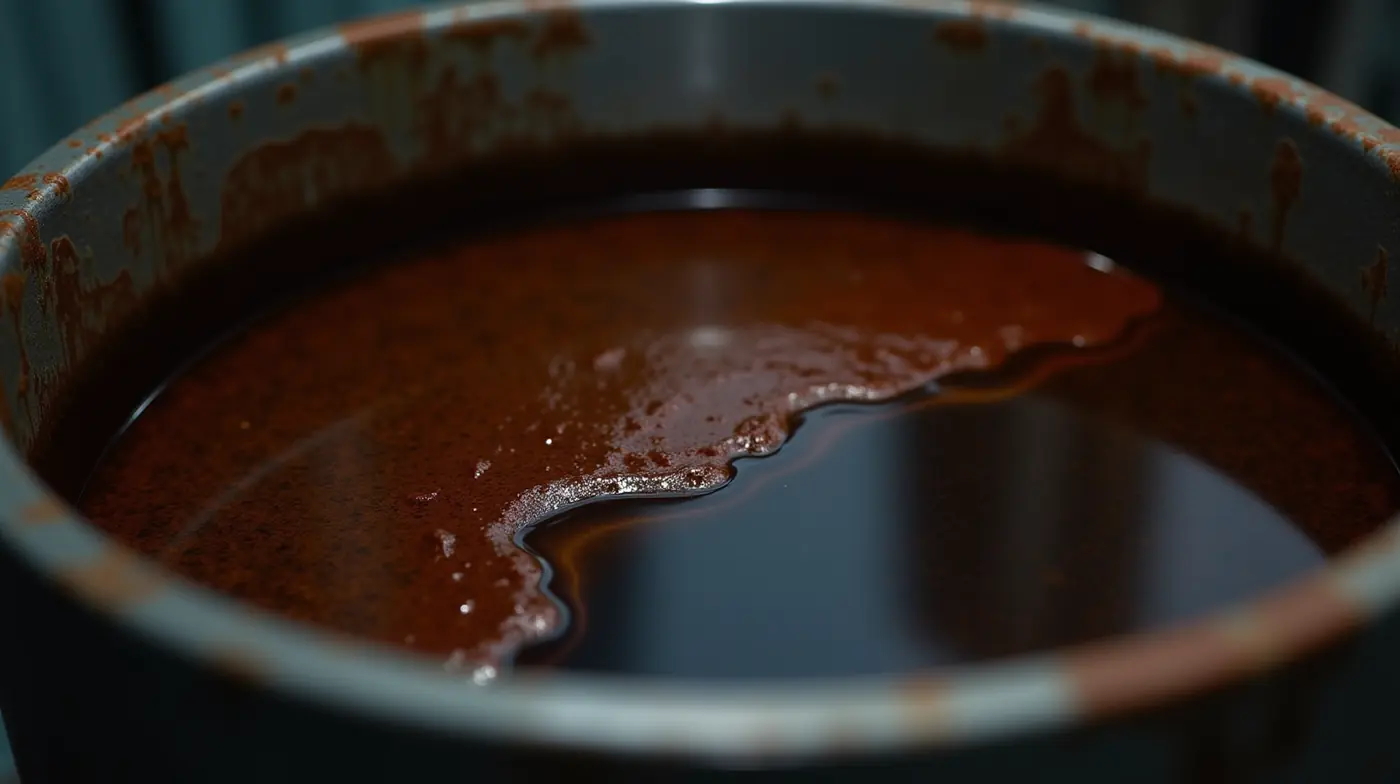
If you have ever opened your pressure tank lid and found a layer of black, putty-like slime floating on the water, or watched brown stains on your fixtures refuse to rinse off no matter how long you run the tap, you are probably dealing with iron bacteria in well water. It is one of the most common and most misunderstood problems in private wells, because the name makes people assume the bacteria themselves are a contaminant. In reality, the bacteria are a carrier: they feed on the iron already dissolved in your groundwater, and as they grow they build slimy rust-colored shells that clog filters, coat pipe walls, and stain everything from sinks to laundry. In this guide we explain what iron bacteria actually are, how to tell them apart from regular dissolved iron, how to test for them properly, and which removal systems work in 2026 — with costs, so you can plan the fix before you spend it.
By Lisa Martinez, Water Quality Specialist
Lisa holds a degree in Environmental Science and specializes in private well water safety and treatment. She has tested and treated hundreds of private wells across the western United States.
Last updated: November 2, 2026
Disclosure: As an Amazon Associate, we earn from qualifying purchases on this page. Product selections are based on independent research and real well water data.
Table of Contents
What Are Iron Bacteria?
Iron bacteria are a group of filamentous, slime-forming microorganisms — the most common genera in domestic wells are Gallionella and Leptothrix — that thrive where three things meet: dissolved iron, a little oxygen, and a surface to attach to. They are not the source of the iron in your water. Your aquifer supplies the iron; the bacteria simply harvest it. They oxidize dissolved ferrous iron (Fe²+) into insoluble ferric oxide (Fe³), and the rust precipitates get trapped in the sticky slime the bacteria secrete. That slime-and-rust shell is what you see: the black or dark-brown film in the tank, the crusty buildup in your filter housing, the film that coats showerheads and pipes.
Because the bacteria are aerobic, they need some oxygen, which is exactly why they love the top of a pressure tank (where water meets air), the wet-dry line of a showerhead, and the walls of a well where the pump cycles. A well that is high in iron, cycles frequently, or has any air in the tank gives iron bacteria a permanent banquet. In the hundreds of well samples we have evaluated, the pattern is consistent: iron bacteria are almost never a problem in wells with iron under 0.3 mg/L, and they are common in wells above 1 mg/L that have not been treated.
Iron bacteria are not the same as iron in your water
Dissolved iron is a mineral problem — yellow or orange water, rust-colored stains that can be filtered. Iron bacteria are a biological problem — slime, film, and rapid re-growth that no filter can keep up with. A well can have one, both, or neither, and the treatment is different for each. If you are not sure which one you have, start with our iron in well water guide, which covers the dissolved-iron side of the equation.
Iron bacteria typically establish where conditions are right, and once a biofilm forms on the inside of your casing or on the well screen, it is extremely difficult to starve out without intervention. The bacteria themselves are microscopic filaments; the visible damage is the mineral crust they build. That distinction matters for treatment, because you must address both the biological film and the iron it feeds on.
How to Tell Iron Bacteria From Regular Iron
Iron bacteria, dissolved iron, manganese, and sulfur all make well water look “bad,” and guessing wrong sends you down the wrong (expensive) treatment path. When we collect a sample, the first thing we do is look for the field signs below before the lab results come back. In our experience, the pressure tank is the single fastest diagnostic: a tank with a floating black or dark-brown gelatinous layer is iron bacteria until proven otherwise, while a tank that simply looks brown but has no slime is almost always dissolved iron or tannins.
| Problem | What it looks like | How it behaves |
|---|---|---|
| Dissolved iron | Yellow or orange water; reddish-brown stains in tubs and toilets | Stains rinse or scrub off; no slime; no smell; water clears when aerated |
| Iron bacteria | Black or dark-brown gelatinous slime, slimy film on pipes and fittings, crusty buildup in filters | Stains will not rinse off; slime reappears within days; filters clog unusually fast |
| Manganese | Black or purple-black stains; water may look clear until it sits | Stains will not rinse off; no slime, no odor; often co-occurs with iron bacteria |
| Hydrogen sulfide | Rotten-egg smell; sometimes black water from sulfur-reducing bacteria | Smell is the giveaway; staining is secondary; usually a separate treatment path |
Source: field diagnostic criteria used in private well assessments; manganese staining behavior per EPA manganese guidance, iron oxide behavior per manufacturer filtration data.
Beyond the tank check, the other field signs we look for are:
- Black slime floating in the pressure tank — the classic sign, usually present within weeks of the bacteria establishing.
- A slimy film on the inside of the filter housing or on pipe threads — you can often feel it when you disassemble the filter; it wipes away like wet putty.
- Brown or black stains that survive a full rinse cycle — dissolved iron leaves stains that flush out; bacterial film leaves stains that sit on the porcelain surface.
- Filters clogging far faster than their rating suggests — a 20-micron filter that should last months dying in a few weeks is a strong indicator.
- A water softener that regenerates constantly or leaves a black residue — ion-exchange resin fouls quickly in the presence of bacterial slime.
Pro tip: the rinse test
Run the affected tap for a full two minutes and watch the last water that comes out. If the water runs clean but the stain remains, you are dealing with a film or deposited oxide — point toward bacteria or manganese. If the running water itself stays discolored for a long time, the water column is loaded with dissolved material — point toward dissolved iron or manganese. This two-minute test is the fastest way to route yourself to the right diagnosis.
Is Iron Bacteria Safe to Drink?
Short answer: drinking iron bacteria is not considered a health risk, but the presence of the bacteria is a signal worth acting on. The U.S. EPA does not list iron bacteria as a regulated drinking water contaminant, and there is no maximum contaminant level (MCL) for them. The iron oxide they produce is chemically inert, and the bacteria themselves are not pathogenic in the way E. coli or coliforms are. In a 2026 review of the private well literature, the consensus is unchanged: iron bacteria are a nuisance and an equipment problem, not a disease vector.
That said, two things about an iron bacteria infestation are genuinely worth taking seriously. First, the biofilm is an ecosystem. The same conditions that let iron bacteria thrive — an unsealed well, air intrusion, stagnant water in the tank — are the conditions that let pathogenic coliform bacteria in. A well that grows iron bacteria should be retested for coliform and E. coli as part of the same sampling visit, because the two findings are statistically related. If your results show coliform, see our E. coli in well water guide for the response protocol. Second, the physical damage is real and expensive:
- Clogged filters and screens — slime and rust crust reduce flow and force the pump to work harder.
- Fouled water softeners — resin coated in bacterial film stops exchanging, wasting salt and water.
- Corroded pipe walls — the acidic byproducts of bacterial metabolism pit the inside of steel and galvanized pipe over time.
- Shortened pump life — a submersible pumping against a clogged well screen runs hotter and cycles more, accelerating failure.
The hidden cost of ignoring it
A chlorine dosing system installed early in an infestation typically runs $600 to $2,500 installed. The same infestation left to run for two or three years can end in a pulled submersible, a rebuilt or replaced softener, and a descaled pressure system — easily $5,000 to $12,000 of work that the dosing system would have prevented. This is the single most common “small problem that became a big invoice” we see in well service calls.
How to Test for Iron Bacteria in Well Water
Testing for iron bacteria is simpler than testing for most contaminants, but the sample handling is stricter. Bacteria are living organisms, and a sample that sits in a jar for a day is no longer a valid sample. Follow these steps:
- Do the visual inspection first. Open the pressure tank lid, pull the filter cartridge, and look for slime or crust. In most infested wells, the visual evidence is obvious and the lab test is confirmation, not discovery.
- Collect a bacteria sample with no preservative. Use a clean glass or plastic bottle, rinse it with the well water, fill it to the brim so there is no air space, cap it, and label it. The bottle must reach the lab within 30 to 60 minutes of collection. Do not refrigerate it and do not add any preservative — preservatives kill the very bacteria you are testing for.
- Order the full panel at the same time. Ask the lab to run coliform/E. coli, iron, manganese, and hardness on a second, preserved sample. Iron bacteria do not exist without iron in the water, and the iron number tells you how much “food” the treatment system has to handle.
- Read the results correctly. Bacteria results are usually reported as present/absent or as a count per milliliter. Any confirmed presence of filamentous iron bacteria is actionable, regardless of count. Pair it with the iron number: below 0.3 mg/L the problem will stay manageable; above 1 mg/L you are in “design a real treatment system” territory.
- Retest after treatment. Wait 30 days after the system is installed, then repeat the bacteria test. Iron bacteria are stubborn, and a single clean sample is not the same as a solved problem.
If you want a first pass before paying for a lab panel, a well water bacteria test kit from a reputable lab service (the kind that ships a sterile bottle and a prepaid return label) will give you a coliform result in a few days. For iron bacteria specifically, a visual of the tank plus a preserved sample for a full panel is the most cost-effective path.
Warning: do not reuse a preserved sample for bacteria
If your lab sends you bottles with a preservative fluid (the kind used for lead, nitrates, and metals), that bottle is for the metals and nitrates only. A bacteria sample must be unpreserved and delivered fast. Collecting both from the same tap in the same visit is easy: run the tap two minutes, collect the preserved bottle first, then the clean bacteria bottle second.
How to Remove Iron Bacteria From Well Water
Every effective treatment does the same three things in sequence: kill or oxidize the bacteria and the dissolved iron, filter out the resulting solids, and prevent regrowth by keeping a small residual in the system. The four standard approaches below are arranged from least to most complex. Costs below reflect installed, whole-house systems as of 2026; DIY parts-only costs are typically 40 to 60 percent of the installed figure. For a broader price breakdown, see our well water treatment cost guide.
Option 1: Chlorine Dosing (Shock Plus Continuous)
Chlorine is the workhorse treatment for iron bacteria because it kills the bacteria, oxidizes the dissolved iron, and leaves a residual that prevents regrowth. The standard two-phase approach:
- Shock chlorinate the well and plumbing. Fill a 5-gallon bucket with high-test or household bleach to target roughly 50 ppm of chlorine in the well, pump it in, and circulate through the house plumbing. Let it sit 12 to 24 hours, then flush until you cannot smell chlorine. Our step-by-step walkthrough covers the full procedure: How to Disinfect a Well 2026.
- Install a continuous chlorine dosing pump. A small peristaltic pump meters chlorine solution (or sodium hypochlorite) into the cold water line after the pressure tank, holding a residual of 0.5 to 1.0 ppm at the farthest faucet. A well water chlorine dosing pump with a chlorine injector or a small feed tank is a weekend install for most homeowners.
- Add a granular activated carbon (GAC) filter downstream. The GAC bed captures the oxidized iron floc and removes the residual chlorine so the water is safe and odor-free at the tap.
- Verify with a retest. Confirm the residual at the farthest tap, confirm iron is below 0.3 mg/L, and repeat the bacteria test at 30 days.
Chlorine dosing is the right answer for most shallow-well systems with iron bacteria and moderate iron levels (under 3 mg/L). It is the cheapest path that actually prevents regrowth, which is why we recommend it as the default.
Option 2: Aeration Plus Sand or Carbon Filtration
An aerator deliberately injects air into the water, oxidizing the dissolved iron and manganese so they precipitate as solids that a downstream sand or carbon filter then removes. A pressure-injection well water aerator is the common whole-house design: it works at line pressure, needs no compressor, and pairs with a sand filter system with automatic backwash. Aeration alone will not kill iron bacteria, but the combination of oxidation, mechanical removal, and the absence of a slime habitat in a clean, flowing system typically collapses the population. This is the better choice when iron is high (3 mg/L and up) or when manganese is present alongside the bacteria.
Option 3: Manganese Greensand Media
Manganese greensand is a treated zeolite media that oxidizes iron and manganese and holds the precipitates until a periodic regeneration cycle (typically a potassium permanganate or brine flush) washes them away. Greensand systems double as a bacteria treatment in practice: the media traps the floc and the system does not provide the stagnant, iron-rich habitat the bacteria need. A greensand well water filter is the right fit when you have iron, manganese, and bacteria and you want one tank to handle all three.
Option 4: Whole-House Water Treatment System
When the water has iron, manganese, hardness, and bacteria together, a professionally engineered whole-house well water treatment system — usually an aerator plus multi-media filter plus a softener in a single cabinet — handles the full panel in one footprint. It is the most expensive option and the most common choice on new builds with a documented iron-bacteria history.
| Method | Best for | Typical installed cost | Maintenance cadence |
|---|---|---|---|
| Chlorine dosing + GAC | Iron bacteria with iron under ~3 mg/L | $600 – $2,500 | Refill chlorine quarterly; replace GAC annually |
| Aerator + sand filter | High iron (3+ mg/L) or iron plus manganese | $1,500 – $3,500 | Auto-backwash monthly; media refresh every 2–3 years |
| Manganese greensand | Iron + manganese + bacteria in one | $2,000 – $5,000 | Auto-regeneration; media refresh every 2–4 years |
| Whole-house treatment system | Full-panel problems, new builds, resale value | $3,000 – $8,000+ | Service contract or annual media/brine checks |
Source: 2026 installed-cost ranges compiled from regional well treatment contractor quotes and manufacturer list pricing for residential 1–2 gpm service.
How to Keep Iron Bacteria From Coming Back
Treatment without prevention is a recurring expense. The bacteria return whenever the three ingredients reappear — iron, oxygen, and a stagnant surface. The six habits that keep an infested well clean, in order of impact:
- Keep the tank cycling. Stagnant water at the top of the pressure tank is the bacteria’s nursery. If a fixture rarely runs (a summer home, an irrigation-only tap), run every outdoor spigot for two minutes weekly to move the water.
- Maintain the chlorine residual. If you are dosing, check the residual monthly with a test strip and refill the feed tank before it runs dry. A dosing pump that starves for a week lets the population rebound.
- Fix air intrusion at the source. A leaking well seal, a worn pitless adapter, or a cracked casing lets air (and surface water) into the well, which feeds aerobic bacteria. If the bacteria came back after a treatment, the well seal is the first thing we inspect.
- Flush the well after dry spells. Low water levels concentrate iron and pull in air. After a drought or a long period of low pumping, run the well at full flow for 15 to 30 minutes before resuming normal use.
- Clean the pressure tank annually. Drain, hose, and disinfect the tank once a year; a year of slime at the waterline is where regrowth starts.
- Retest every 6 to 12 months. A cheap bacteria plus iron panel is the cheapest insurance in well ownership. If iron creeps back above 0.3 mg/L, you have a season to adjust the treatment before the film returns.
The annual iron-bacteria checklist
Once a year: (1) open the tank and check the waterline for slime, (2) test chlorine residual at the farthest tap if you dose, (3) run a bacteria plus iron panel, (4) clean the tank, (5) inspect the well seal and pitless adapter for air leaks. Five tasks, under two hours, and it catches every regrowth we have ever seen before it becomes an invoice.
Frequently Asked Questions
Do iron bacteria make my well water unsafe to drink?
No. Iron bacteria are not a regulated health contaminant and the iron oxide they produce is inert. The practical risks are equipment damage — clogged filters, fouled softeners, corroded pipe, and a shortened pump life — and the fact that the same well conditions that support iron bacteria can support pathogenic coliforms, which is why we always pair the bacteria test with a coliform/E. coli test.
Can a water softener remove iron bacteria?
No. A standard ion-exchange softener removes hardness minerals and, at high concentrations, some dissolved iron, but it does not kill bacteria and it cannot hold a slime film — the opposite: resin coated in bacterial film stops working and wastes salt. Treat the bacteria first (chlorine dosing or aeration), then the softener will perform normally again.
Why does my well water have black slime in it?
Black or dark-brown gelatinous material in a well water system is almost always an iron bacteria biofilm, sometimes mixed with manganese oxide or sulfur-reducing bacteria. Open the tank, note whether the material is slimy (bacteria) or gritty (mineral), and confirm with a preserved bacteria sample. If the water also smells like rotten eggs, see our rotten egg smell in well water guide, because the treatment path is different.
How long does it take to get rid of iron bacteria?
A shock chlorination plus a properly sized dosing system typically shows a clean retest in 2 to 6 weeks. Aeration-based systems can take 4 to 8 weeks of steady flow to collapse the population, because the biofilm has to be starved and washed out. If a retest at 30 days still shows bacteria, the usual culprits are a dead chlorine residual, an air leak into the well, or an undersized filter that lets floc settle and reseed the system.
Will iron bacteria come back after treatment?
Yes, if the conditions that created them return. The bacteria themselves are everywhere in groundwater; they only become a problem where there is iron, oxygen, and stagnation. Maintain the residual, keep the water moving, fix any seal or casing leaks, and retest annually, and an infested well can stay clean for years. Every regrowth we have investigated traced back to one of those four habits being dropped.
See Also
- Iron in Well Water 2026: Levels, Causes & Removal — the dissolved-iron side of staining, with testing thresholds.
- How to Disinfect a Well 2026: Step-by-Step Chlorination Guide — the shock-chlorination procedure used as phase one of any bacteria treatment.
- Well Water Treatment Cost 2026: Complete Price Guide — full cost breakdowns for every treatment type on this page.
- E. coli in Well Water 2026: Testing, Causes & Removal — what to do if the bacteria test also flags coliforms.
#IronBacteria #WellWater #PrivateWell #WellWaterQuality #WellTesting #WellMaintenance #WaterTreatment #WellOwner #CountryLiving #WellPump #WaterQuality #HomeWell #WellCare #DrinkingWater #RuralLiving