
Have you ever wondered whether an earthquake could put your well water at risk?
Can Earthquakes Affect Water Well Safety?
You rely on your well for drinking, cooking, bathing, and gardening, so it’s natural to ask whether seismic activity could affect that water. Earthquakes can influence wells in several ways — from physical damage to changes in water quality — so it’s important that you know the signs, immediate steps to take, and how to test for volatile organic compounds (VOCs) and other contaminants.
Why this matters
Protecting your well after seismic activity is about health and household continuity. If contamination or structural damage occurs and you continue to use the water, you could face acute sickness or long-term health risks. Taking the right steps quickly reduces risk and helps you get your well back to safe operation.
How earthquakes can affect groundwater and wells
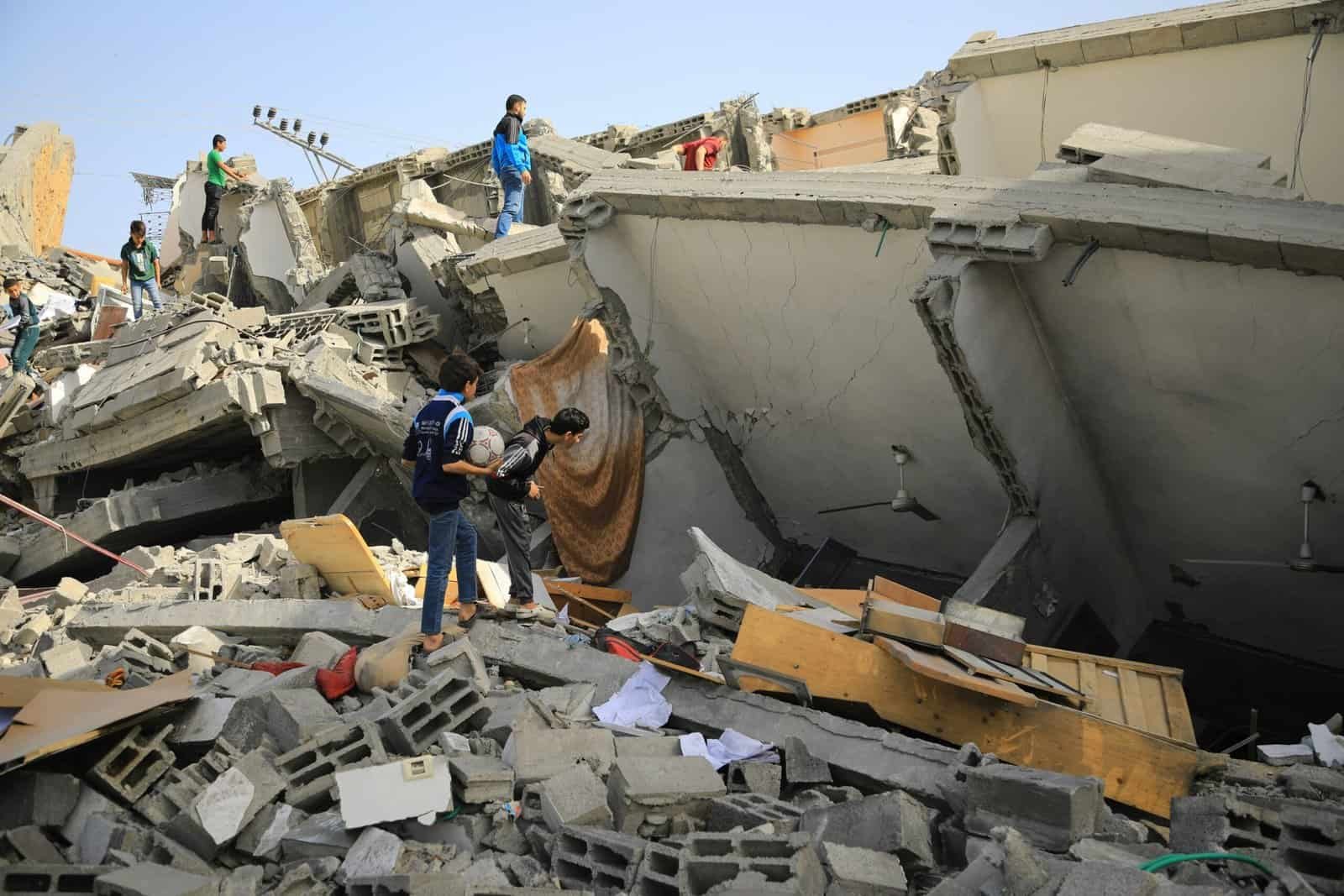
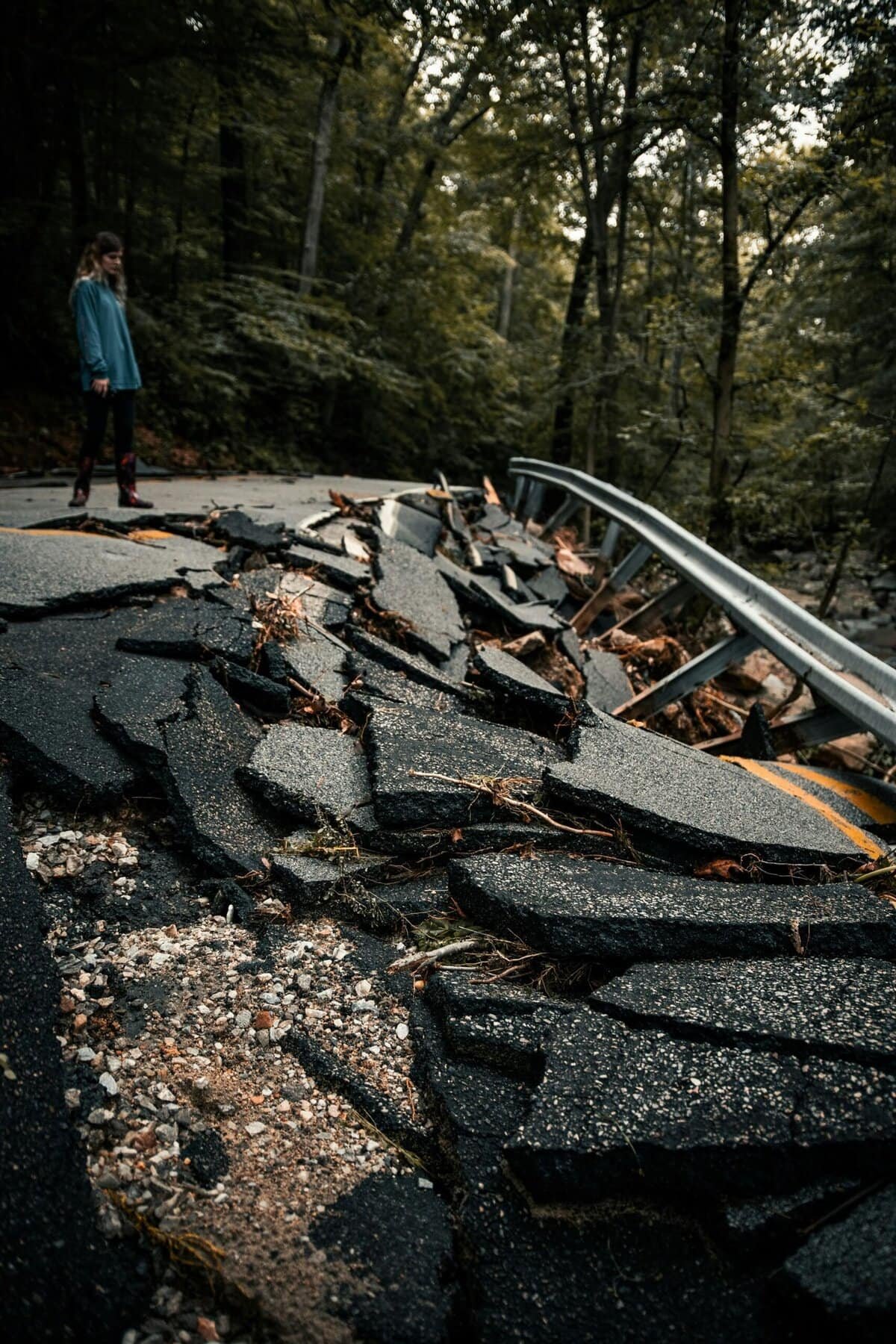
Earthquakes cause ground shaking and ground deformation, both of which can harm the physical structure of your well and the surrounding hydrology. That shaking can crack casings, separate grout, shift pumps, and open or close pathways in the subsurface.
Physical damage to well components
You should expect that strong shaking may move or damage the wellhead, casing, cap, pressure tank, or pump. A cracked casing can allow surface contaminants to enter, electrical connections can be loosened, and the seal between the casing and surrounding soil (grout) can be compromised.
Subsurface and aquifer changes
Seismic events can change groundwater flow by opening fractures, altering permeability, or compacting sediments. These changes might temporarily or permanently alter the direction and speed of groundwater movement, which can either dilute contaminants or bring new contamination into your well.
Common forms of contamination after an earthquake
Earthquakes don’t create pollutants, but they can mobilize them. Contaminants that are already in the soil, stored in tanks, or held in septic systems can be released and reach your well more easily after ground disturbance.
Surface-sourced contaminants
If your wellhead or well cap is damaged, bacteria and chemicals from surface runoff, septic systems, fuel tanks, or agricultural areas can enter the well. Sediment and turbidity often increase after shaking, which can transport attached contaminants.
Chemical contaminants and VOCs
Volatile organic compounds (VOCs) — solvents, fuels, and industrial chemicals — can be released from ruptured underground storage tanks, leaking pipelines, or damaged industrial sites. Because VOCs are volatile, they can move in both liquid and vapor phases and be harder to detect without proper testing.
Signs your well may be affected after an earthquake
You should inspect your well and monitor water quality immediately after a seismic event. Some signs are obvious, and some require careful observation.
Visual and operational indicators
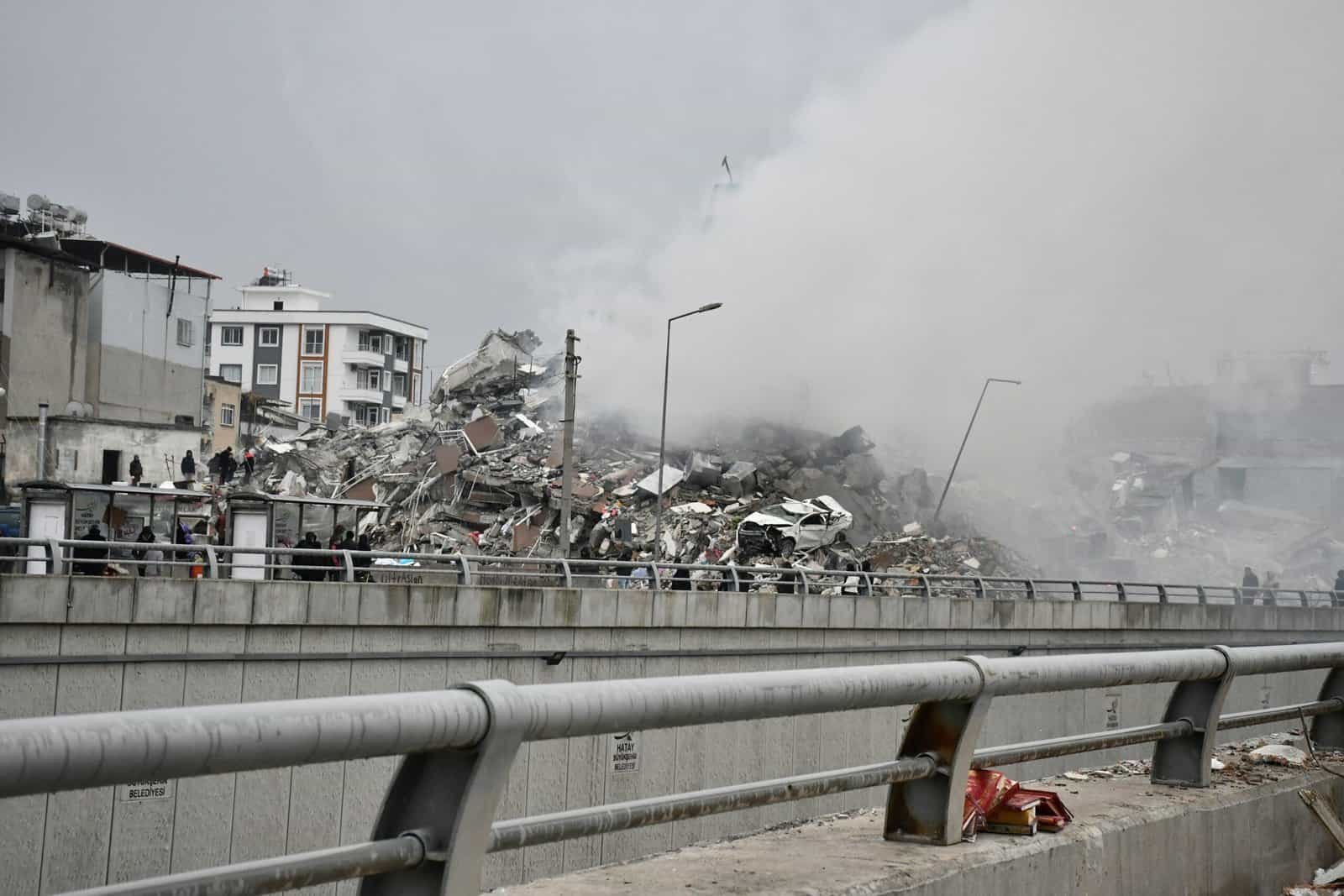
Look for visible damage to the wellhead, cracked concrete pad, loose or broken electrical wiring, or displaced piping. Operational signs include sudden drops in water pressure, frequent pump cycling, unusual noises from the pump, or the pump failing to restart.
Water quality indicators
You might notice discolored water, sediment, cloudiness, an oily sheen, or unusual taste and odors. Noticeable sulfur smells or fuel-like odors indicate specific pollutant types; cloudy water and sediment indicate disturbance or collapse in the well or aquifer.
Immediate steps to take after an earthquake
Act quickly but cautiously to protect your household and document conditions. Your actions can limit contamination exposure and preserve evidence for professionals or authorities.
Safety first, then inspection
If you detect obvious structural damage or gas odors, consider evacuating and contact emergency services. Otherwise, visually inspect the wellhead area for cracks, broken components, or spilled substances, and photograph any damage.
Avoid using compromised water
If you suspect contamination or see evidence of damage, stop using the water for drinking or cooking. For short-term needs, use bottled water or potable water from a trusted external source. If the only concern is bacterial contamination, boiling water for at least one minute (one minute at sea level; three minutes above 2,000 meters) will kill pathogens but will not remove VOCs or chemical contaminants.
Prevent further entry of contaminants
Turn off the electricity to the pump if you see exposed wiring or water around electrical components. If the well cap has been dislodged, cover the opening with a clean, tight-fitting temporary cap or plastic that prevents surface runoff from entering, but do not attempt repairs beyond basic containment unless you are licensed and experienced.
When to contact a professional
You should contact licensed well contractors, a certified water testing laboratory, or your local health department after an earthquake if you see damage or notice water quality changes. These professionals can perform safe inspections, sample collection, and repairs.
Who to call and why
- Licensed well contractor: to inspect the physical structure, casing, grout, and pump.
- Certified water testing lab: to test for bacteria, nitrates, VOCs, and other contaminants.
- Local or county health department: for guidance, local advisories, or financial assistance programs.
- Environmental consultant: for complex contamination or liability issues.
What are VOCs and why they matter
VOCs are organic chemicals that evaporate easily at room temperature. They come from fuels, solvents, adhesives, paints, and many industrial chemicals. Some VOCs pose serious acute and chronic health risks at low concentrations.
Health effects and exposure pathways
You can be exposed by drinking contaminated water, inhaling vapors in the home (for example, through water aerosols during showering), or via skin contact. Acute exposure can cause headaches, dizziness, or nausea; chronic exposure has been linked to liver, kidney, and neurological damage, and certain VOCs are carcinogenic.
Common VOCs, sources, and typical health concerns
To help you understand what to test for, here is a short reference of common VOCs and their typical sources. Use this table as a starting point and consult your testing lab or health department for local concerns.
| VOC (common) | Typical sources | Health concerns / notes |
|---|---|---|
| Benzene | Gasoline, industrial solvents | Carcinogen; can cause blood disorders; EPA MCL = 5 µg/L (0.005 mg/L) |
| Toluene | Paint thinners, fuels, industrial solvents | Affects nervous system at high levels; impacts vary with exposure |
| Ethylbenzene | Fuels, solvents | Respiratory and nervous system effects |
| Xylenes | Solvents, gasoline | Headaches, dizziness, coordination issues |
| Trichloroethylene (TCE) | Industrial solvent, degreaser | Carcinogen; EPA MCL = 5 µg/L (0.005 mg/L) |
| Perchloroethylene (PCE) | Dry-cleaning solvent | Carcinogen; EPA MCL = 5 µg/L (0.005 mg/L) |
| Vinyl chloride | Degradation product of other chlorinated solvents | Carcinogen; EPA MCL = 2 µg/L (0.002 mg/L) |
| MTBE (methyl tert-butyl ether) | Gasoline additive | Taste/odor issues; no federal MCL; many states have advisories |
Note: Regulations and MCLs can change. Use this table as a guide and confirm current standards with your lab or local authorities.
How do I test my well water for VOCs?
Testing for VOCs requires careful sampling technique, the right containers and preservation, and a certified analytical laboratory. If you want reliable results, follow standard sampling guidance or hire a professional sampler.
Step 1 — Contact a certified lab or your local health department
Begin by contacting a state-certified or EPA-accredited lab and explain you need VOC analysis (often by purge-and-trap gas chromatography/mass spectrometry, GC/MS). The lab will provide sampling bottles, instructions, and documentation requirements (chain-of-custody forms). Following the lab’s instructions is critical for valid results.
Step 2 — Gather supplies (lab usually provides)
If you collect samples yourself, use the supplies the lab provides. Typical items include:
- VOA (volatile organic analysis) 40-mL glass vials with Teflon-lined septa caps
- Cooler with ice packs to keep samples at 4°C
- Nitrile gloves and clean sampling tools
- Chain-of-custody paperwork and labels
- Trip blanks and field blanks as requested by lab
Here is a simple table describing typical sampling supplies and their purpose:
| Item | Purpose |
|---|---|
| VOA 40-mL glass vials | Required container for VOCs; minimize headspace |
| Teflon-lined caps | Prevent VOC loss and contamination |
| Cooler + ice packs | Maintain sample at 4°C during transport |
| Nitrile gloves | Prevent contamination from hands |
| Chain-of-custody forms | Document who handled the sample and when |
| Trip/field blanks | Detect contamination introduced during sampling or transport |
Step 3 — Choose sample location
Your lab will advise whether to sample from the wellhead or a tap. For well-specific results, sampling should be from a sample port at the wellhead or a faucet that is directly tied to the well (first-draw). For distribution system concerns, sample from a frequently used indoor faucet.
Step 4 — Purge the well and use low-disturbance techniques
To get a representative sample, purge stagnant well water. Typical guidance: purge at least three well volumes or continue purging until field parameters stabilize (temperature, pH, turbidity). However, because VOCs are volatile, use a low-flow sampling method to minimize aeration and turbulence that could strip volatiles from the water.
- Use a submersible pump or low-flow pump.
- Avoid splashing, mixing, or splashing into open containers.
- Do not use a bailer if possible, as it can cause degassing and underreport VOCs.
Step 5 — Fill vials with no headspace
When filling the VOA vials, minimize agitation and avoid creating bubbles. Fill each 40-mL vial so that there is zero headspace — the vial should be completely full and capped underwater or under a slow flow to avoid trapping air. Tightly cap the vial immediately, and invert once to check for bubbles.
Step 6 — Label, preserve, and chill
Label each vial with sample ID, date, time, and sampler. Many labs require samples to be kept at 4°C (on ice) and analyzed within a specified holding time; for many VOC methods the typical holding time is 14 days, but always follow your lab’s instructions. Do not add preservatives unless instructed by the lab.
Step 7 — Complete chain-of-custody and transport
Sign and attach chain-of-custody forms as directed, and transport samples to the lab in the chilled cooler as soon as possible. If your lab requires trip blanks or field blanks, include those and note them on the paperwork.
Step 8 — Interpret results with the lab or health department
Once results are back, review them with the lab or your health department. Ask for interpretations relative to EPA Maximum Contaminant Levels (MCLs), recommended actions, and detection limits. If VOCs are detected, ask detailed questions about concentrations, uncertainty, and recommended steps.
Quality assurance: blanks, duplicates, and detection limits
VOCs are easily introduced during sampling and transport. Use trip blanks, field blanks, and duplicate samples when requested to detect contamination or sampling errors.
Trip blanks and field blanks
- Trip blank: A vial of clean water prepared by the lab that travels with the samples to detect contamination during transport.
- Field blank: Clean water the sampler opens in the field to detect sampling-area contamination.
Duplicate samples
Collecting duplicates helps you evaluate sample precision and variability. Labs can help you decide how many replicates to run.
Interpreting VOC results and health guidance
When results arrive, focus on whether concentrations exceed regulatory limits or health advisory levels.
What to do if VOCs are detected
- If a contaminant exceeds an MCL or health advisory, stop using the water for drinking and cooking immediately.
- Use bottled water or another safe supply for ingestion and food preparation.
- Contact your lab, the local health department, and a licensed well professional to discuss remedial options and confirmatory sampling.
Immediate mitigation options
Short-term measures include using certified point-of-use devices (e.g., granular activated carbon (GAC)) for drinking water, but these must be certified for the specific contaminants and maintained regularly. Never rely on boiling to remove VOCs — boiling can increase volatilization and vapors.
Treatment and remediation options for VOCs
If VOCs are present, several treatment options are available. Your choice depends on which VOCs are present, their concentrations, water chemistry, flow rate, and budget.
Common treatment technologies
- Granular activated carbon (GAC) filtration: Effective for many VOCs at low to moderate concentrations. Requires periodic replacement or regeneration of carbon.
- Air stripping / packed tower aeration: Physically transfers VOCs from water to air; effective for volatile contaminants and large-scale systems. Off-gas must be appropriately managed.
- Advanced oxidation processes (AOP): Methods like ozone with hydrogen peroxide or UV/H2O2 can oxidize some VOCs into less harmful compounds. These can be complex and costly.
- Reverse osmosis (RO): Effective for a broad range of contaminants, but performance varies by VOC and system and produces a brine/concentrate that needs disposal.
- Vapor mitigation and soil remediation: If contamination source is subsurface (e.g., leaking tank), addressing the source through soil remediation or vapor extraction may be necessary.
Here is a comparison table to help you evaluate options:
| Treatment | Effective for | Pros | Cons |
|---|---|---|---|
| GAC filtration | Many VOCs at low-moderate conc. | Proven, easy to operate for homes | Consumable media; can become saturated and release VOCs if not changed |
| Air stripping | Highly volatile VOCs | Very effective for many VOCs | Requires handling off-gassing, may need permits |
| AOP (ozone/UV) | Some persistent VOCs | Can destroy compounds rather than transfer them | Complex, high energy, costly |
| Reverse osmosis | Range of organics and inorganics | High-quality product water | Wastes water, may not remove all VOCs, requires maintenance |
| Soil/vapor remediation | Source control for subsurface leaks | Addresses root cause | Expensive, time consuming, requires professionals |
Choosing and sizing a system
You should work with a qualified water treatment professional to select and size the correct system. They will consider contaminant concentrations, water demand, flow rates, and site constraints.
Shock chlorination and bacterial contamination
If bacteria contamination is suspected after an earthquake, shock chlorination can disinfect the well, but remember that chlorine does not remove VOCs.
When and how to perform shock chlorination
Shock chlorination should be done after structural repairs and only if recommended by a professional or local authority. The typical process involves introducing a chlorine solution to achieve a target free chlorine concentration (commonly 50-200 mg/L), circulating the solution through the system, letting it sit (often 12–24 hours), then flushing until chlorine levels are back to safe drinking levels. Afterward, retest for bacteria.
Limitations of chlorination
Chlorination targets biological contamination. It does not remove chemical contaminants like VOCs, heavy metals, or petroleum hydrocarbons.
Testing frequency after an earthquake
How often should you test after a seismic event? Initial actions and follow-up tests should be planned.
Recommended timeline
- Immediately (as soon as possible): Visual inspection and initial precautions (do not drink if suspect).
- Within 24–72 hours: Sample for bacteria (total coliform and E. coli) and other obvious contaminants (if smell/taste indicates chemicals).
- Within 1–2 weeks: Sample for VOCs if chemical contamination is possible (e.g., nearby tanks, fuel odors).
- Follow-up: Retest after any repairs, after shock chlorination, and regularly (annually or per local guidelines).
Costs and logistics
Understanding costs helps you plan. Prices vary by region and lab.
Typical testing costs (estimates)
- Bacteria test (total coliform/E. coli): $20–$75
- Basic multiparameter test (nitrate, pH, conductivity): $25–$100
- VOC panel (standard EPA VOC list): $150–$500 depending on method and turnaround time
- Professional sampling and inspection: $150–$500+ depending on travel and complexity
Treatment costs vary widely: a point-of-use GAC system may cost $500–$2,000 installed, while whole-house GAC or air stripping systems can run several thousand to tens of thousands of dollars.
Preventive steps you can take before an earthquake
Prevention lowers your risk and simplifies post-event recovery.
Secure and maintain your well
Ensure your well cap is watertight, the casing is intact and at least several inches above ground level, and the well is located away from fuel tanks, septic systems, and potential contamination sources. Keep records of construction details and previous tests.
Regular testing and monitoring
Test your water annually for bacteria and other routine contaminants, and test more frequently if you have known risks. Maintain a log of results to detect trends.
Know your local risks
Understand if your area has underground storage tanks, industrial sites, or other potential chemical sources. This helps you prioritize testing after an earthquake.
Frequently asked questions (FAQ)
Addressing common concerns can help you act quickly and confidently.
If I smell fuel or solvents in my well water, what should I do?
Stop using the water for drinking and cooking. Report the smell to local authorities and contact a certified lab for VOC testing. Use bottled water until you get definitive results.
Can boiling my water remove VOCs?
No. Boiling may increase volatilization and can release VOCs into the air. Use certified treatment systems designed for VOC removal or obtain alternative potable water.
Is bottled water the only safe option after detection?
Bottled water is a straightforward short-term solution. If you need ongoing provision, you can install proper treatment (e.g., GAC) that is certified to remove the specific VOCs found in your water.
Will shock chlorination fix chemical contamination?
No. Shock chlorination treats biological contamination only. For chemical contaminants, you need targeted treatment or source remediation.
Summary and final steps
Earthquakes can damage well infrastructure and mobilize contaminants, including VOCs, into your drinking water. You should inspect your well, avoid using questionable water, and coordinate testing with a certified lab. VOC testing requires careful sampling, cold-chain transport, and accredited analytical methods. If VOCs are detected, stop ingesting the water, work with professionals to treat or remediate the contamination, and follow guidance from your lab and health department.
Quick checklist for immediate action after an earthquake
- Visually inspect the wellhead and surrounding area for physical damage.
- Turn off power to the pump if there is electrical risk.
- Avoid using water if you notice taste, smell, color change, or physical damage.
- Contact a certified lab and your local health department for testing guidance.
- Use bottled or alternative safe water until you receive clean test results and any needed repairs are completed.
If you follow these steps, you’ll protect your health and make informed decisions about testing and remediation. If you have specific details about your well, the earthquake strength, or any observed contamination, share them with your testing lab or a qualified well professional — they can tailor advice and testing plans to your situation.