
Have you noticed cracks in the well cover, soggy soil around the well, or unexplained changes in your water quality?

Can Tree Roots Damage The Safety Of My Well?
This article answers whether tree roots can compromise the safety of your well and explains how you can protect your well from freezing safely. You’ll find practical guidance on identifying risks, preventive measures, safe freeze-protection techniques, and when to call a professional. Read through the sections that interest you most or follow the entire guide to build a comprehensive plan.
How a Typical Well Is Constructed and Why It Matters
Understanding basic well construction helps you see how roots or freezing could cause problems. Wells vary, but most include a casing, grout seal, well cap, pump, and above- or below-ground piping that delivers water to your home.
The casing is the structural pipe that keeps the borehole open and prevents surface contaminants from entering. A proper sanitary seal (grout) and a tight-fitting sanitary well cap are critical to keeping contaminants out and preventing root intrusion.
Well Components You Should Know
You should be familiar with the main parts so you can spot issues early. Knowing what each part does helps you decide what needs protection or repair.
- Casing: Vertical pipe inside the borehole that keeps soil out and supports the well structure.
- Well cap: Seals the top of the casing to prevent contamination and animal entry.
- Grout/seal: Fills the annular space between casing and borehole to block contaminants.
- Pump and pressure system: Moves water into your house; components may be below ground (submersible) or above ground (jet pump).
- Pitless adapter and piping: Connects below-ground piping to your pressure tank without exposing lines to freezing.
How Tree Roots Grow and Why That Matters to Your Well
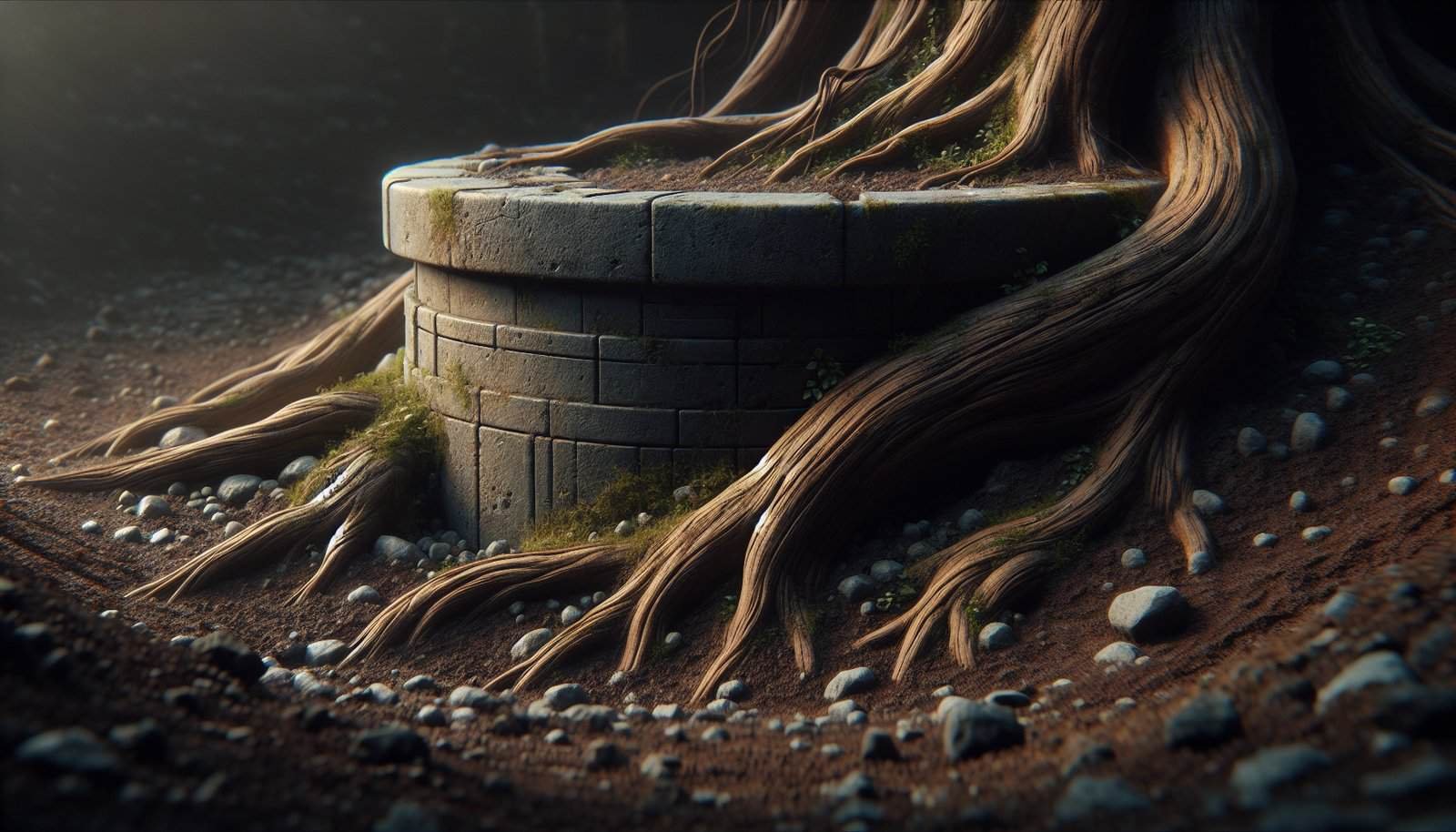
You can think of tree roots as opportunistic explorers. They grow toward water, oxygen, and nutrients. Roots can travel surprisingly far horizontally and aggressively seek out sources of moisture like leaks, septic systems, and poorly sealed wells.
Roots behave differently by species, soil, and moisture conditions. Some trees send deep anchor roots, others send wide shallow roots. Your local soil type and water availability will influence root patterns and the risk they pose to nearby structures.
Root Growth Patterns and Influencing Factors
Knowing how roots behave tells you which trees to keep closer or further from your well. This knowledge can help you plan landscape and protective measures.
- Species: Some species (silver maple, willow, poplar) are notorious for aggressive roots; others (oak, dogwood) are less so.
- Soil: Compacted soils can force roots to grow laterally, increasing surface reach.
- Moisture: Roots concentrate where moisture and oxygen are present—leaks and seeping water will attract them.
- Age and size: Older, larger trees generally have larger root systems that can extend many times the trunk diameter.
Typical Root Radius by Tree Type (General Guide)
This table helps you visualize how far roots commonly extend from the trunk. Actual distances vary with soil, moisture, and tree health.
| Tree Type (Example) | Typical Mature Root Radius* | Root Behavior |
|---|---|---|
| Poplar / Willow | 30–60 ft (9–18 m) | Very aggressive, seeks water, shallow roots |
| Silver Maple | 30–60 ft (9–18 m) | Aggressive, shallow gums into pipes and foundations |
| Cottonwood | 25–50 ft (8–15 m) | Fast-growing, invasive roots |
| Oak (White/Red) | 20–40 ft (6–12 m) | Deep and wide; less surface invasive |
| Pine | 15–40 ft (5–12 m) | Taproot initially, later spreading |
| Dogwood / Crabapple | 10–20 ft (3–6 m) | Generally compact, less invasive |
*These are rough averages and depend on local conditions. Consider a professional assessment for exact guidance.
Ways Tree Roots Can Damage Well Safety
You should be aware that roots can damage wells in several ways—mechanical damage, contamination risks, and operational interference. Each pathway has its own signs and consequences.
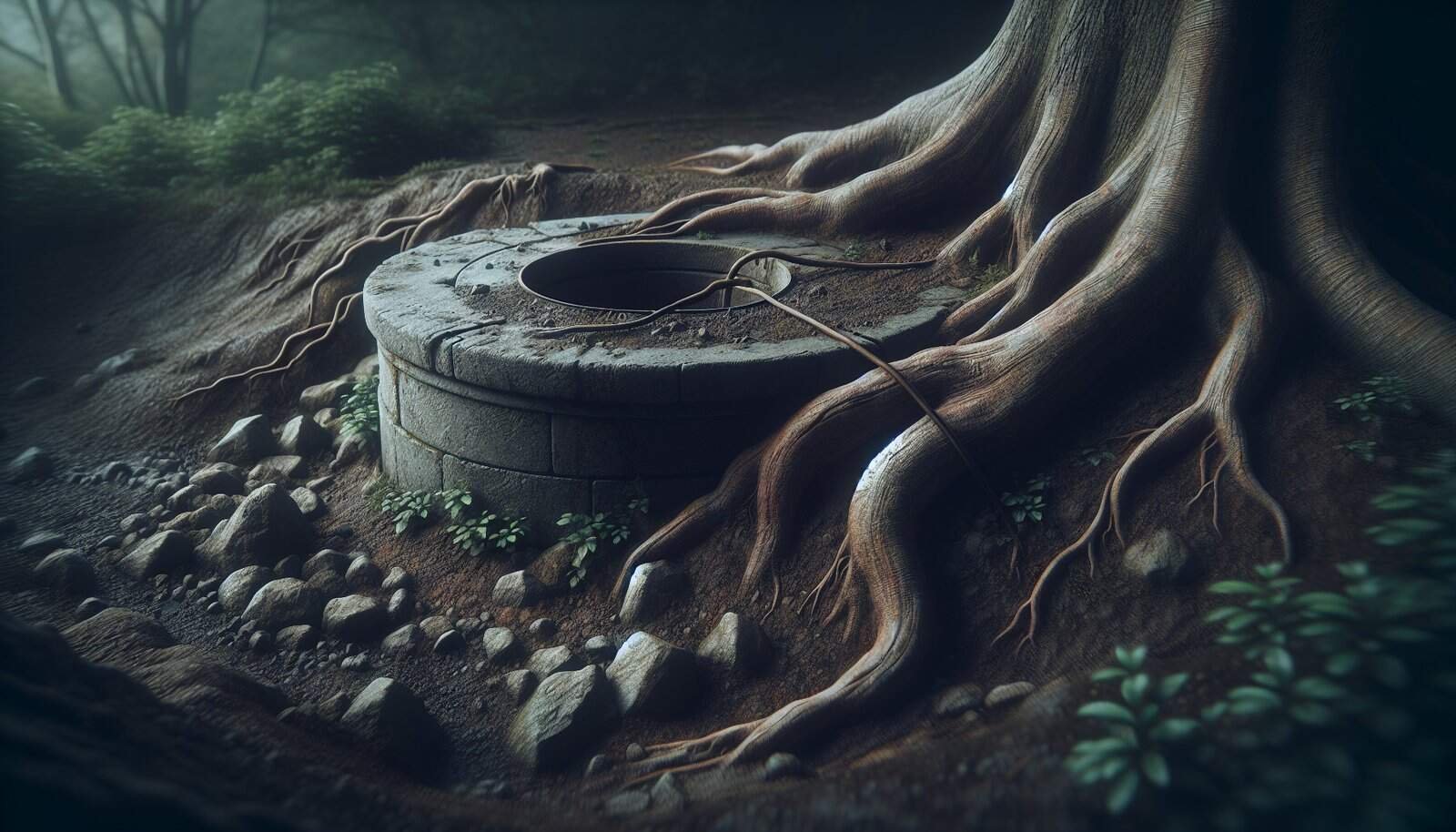
Roots may exert pressure on the casing, lift or crack concrete collars, or grow into small openings if seals are compromised. If the casing or cap is breached, surface water and contaminants can travel down the annular space into your groundwater, risking contamination.
Direct Physical Damage
Roots can press against or deform above-ground or shallow components. You might notice cracked concrete well rings, displaced covers, or bent piping.
- Casing displacement: Lateral root growth can exert force on shallow casings, especially if the casing isn’t deep or well-anchored.
- Corrosion/abrasion: Root movement and soil changes can expose metal components to wear.
- Pipe intrusion: Roots are drawn to small leaks in joints or fittings and can clog or rupture pipes over time.
Contamination Pathways
When roots create openings or disrupt seals, contaminated surface water can move into your well system. You should understand how that happens so you can act promptly if you suspect contamination.
- Surface runoff: If the wellhead is not sealed or is low in relation to surrounding land, runoff can pool and be channeled into root-created breaches.
- Septic and agricultural contamination: Roots can exacerbate cross-contamination between septic systems, agricultural drains, and wells if distance and protective measures are inadequate.
- Microbial growth: Organic matter from roots or nearby decaying material can feed microbial growth in the well pit or near the casing.
Operational Interference
Roots can interfere with the pump and piping, creating maintenance headaches. You may experience loss of pressure, clogged filters, or damaged pitless adapters.
- Clogged suction lines: Debris and root fragments can clog filters and screens.
- Pressure loss: Compromised wellhead components can let air into the system or allow pressure to drop.
- Damage to electrical lines: If roots displace soil and expose buried conduits, wiring can sustain damage and pose safety hazards.

Signs of Root-Related Problems You Should Watch For
You should inspect your well and grounds regularly. Early signs of trouble are easier and less costly to fix than major structural damage or contamination.
Look for visible cracks in the concrete pad, misaligned or loose well caps, sagging or wet soil near the well, changes in water clarity or taste, sudden pump cycling, and repeated clogging of filters. If you have nearby trees, pay special attention after storms or periods of heavy rain when roots shift.
Inspection Checklist
This checklist helps you evaluate potential root-related issues quickly. Perform checks seasonally and after any significant weather or construction near the well.
- Check well cap for tight seal and cracks.
- Look for cracks or displacement in concrete collar or pad.
- Inspect surrounding soil for unusually wet spots or root mounds.
- Note changes in water clarity, odor, or taste.
- Monitor pump cycling and pressure fluctuations.
- Test water for coliform bacteria and nitrates if you suspect contamination.
How Far Should Trees Be From Your Well?
You should maintain a safe distance between trees and your well to reduce risk. Exact distances depend on species, local soil conditions, and the well’s depth and construction.
A commonly recommended minimum planting distance is equal to the tree’s mature canopy radius; for aggressive species, consider doubling that distance. For example, if a mature canopy could be 30 ft wide, place trees at least 30 ft (preferably 60 ft for aggressive species) from the well.
Recommended Distances by Tree Type (General Guidance)
Use this table to help you plan plantings around your well. Local conditions may require adjustments, so when in doubt consult an arborist or well contractor.
| Tree Type Risk | Recommended Minimum Distance from Well |
|---|---|
| High-risk (willow, poplar, silver maple) | 40–60 ft (12–18 m) |
| Moderate-risk (oak, cottonwood) | 30–40 ft (9–12 m) |
| Low-risk (small ornamental trees, shrubs) | 10–20 ft (3–6 m) |
These distances are general. If your wellhead or casing is shallow or the well is older, increase the buffer.

Root Barrier Options and How to Use Them
You can install root barriers to redirect root growth away from your well. Barriers create a physical obstacle that roots cannot easily cross, protecting the well’s structural features.
Root barriers come in several materials: rigid plastic, metal, geotextile fabric combined with a solid face, and poured-in-place concrete. The key is to install the barrier to an appropriate depth and maintain it to prevent roots from growing underneath.
Root Barrier Materials and Pros/Cons
This table helps you choose the right root barrier material for your situation.
| Material | Typical Depth | Advantages | Disadvantages |
|---|---|---|---|
| Rigid HDPE plastic panels | 24–36 in (60–90 cm) | Inexpensive, easy to install, resists rot | May not stop deep roots, can debond over time |
| Metal barriers (steel) | 36–60 in (90–150 cm) | Very durable, effective for deep roots | More expensive, rust possible if not treated |
| Geotextile + concrete lip | 24–48 in (60–120 cm) | Good for municipal installations, long-lasting | Costly, requires heavy equipment |
| Root pruning + barrier | Varies | Immediate relief, combined method | Requires periodic maintenance, potential tree stress |
Install barriers as a continuous curtain around the area you want to protect, and set the bottom of the barrier at a depth beyond the typical root depth for the species you’re dealing with.
Installation Tips and Considerations
You should avoid cutting roots indiscriminately because improper pruning can destabilize or stress trees, possibly leading to failure. If you cut roots, do so under guidance from an arborist.
- Excavate carefully to avoid damaging your well casing or piping.
- Install barriers vertically and as continuous as possible to prevent root bypass.
- Consider an above-ground buffer zone with gravel or hardscape to deter root growth.
- If you must prune roots, do so in sections over several years to reduce stress.
Can You Prune Roots to Protect the Well?
Root pruning can be an option, but it carries risks for the tree’s health. You should approach root pruning cautiously and typically only after consulting an arborist.
Pruning major roots can stress or destabilize a tree. Small roots can be cut periodically to manage growth, but larger roots near the trunk should generally be left intact unless the tree is evaluated and pruned by a professional.
Safe Root Pruning Practices
Use these guidelines if you decide root pruning is necessary. Consider hiring certified arborists for larger or high-value trees.
- Prune small feeder roots first; avoid cutting roots greater than 2 inches (5 cm) in diameter unless advised.
- Perform pruning during the tree’s dormant season to reduce stress.
- Avoid trenching too close to the trunk; maintain at least 2–3 ft (0.6–0.9 m) from the trunk if possible.
- Monitor tree health after pruning and water appropriately to reduce stress.
How Freezing Affects Wells and Piping
You’ll want to protect your well from freezing because frozen pipes and pumps can fail, leaving you without water and causing expensive repairs. Freezing can occur in above-ground equipment, shallow buried lines, pitless adapters, and exposed hose bibs.
Water expands as it freezes, which can crack piping, break fittings, and damage pumps. Some parts are more vulnerable, such as above-ground piping in uninsulated areas and shallow pitless adapters.
Common Freeze Vulnerabilities
Recognizing where freezing is most likely helps you target protection efforts effectively. You should focus on points where water can be exposed to cold air or where insulation is inadequate.
- Above-ground piping and meter boxes: Easily freeze if not insulated and heated.
- Pressure tanks in unheated spaces: Can lose pressure or freeze in extreme cold.
- Pitless adapters (if not deep enough): If the adapter is above frost line, it’s at risk.
- Exposed hose bibs and outdoor faucets: Need frost-proof designs or proper draining.
Safe Methods to Protect Your Well from Freezing
You can use several safe and code-compliant methods to protect your well from freezing. Your choice will depend on the configuration of your well, local frost depth, and budget. Safety should be your highest priority—avoid makeshift heating solutions that create fire or carbon monoxide hazards.
Below are industry-accepted approaches: burying piping below frost depth, insulating and enclosing above-ground components, using thermostatically controlled heat tracing, and installing a well house or insulated cover with safe heat sources.
Bury Pipes Below Frost Line
Burying water lines below the local frost line is one of the most effective long-term solutions. You should check local building codes for frost depth and ensure any excavation avoids damaging the well itself.
- Determine frost depth for your area (local code or utility can tell you).
- Trenches should be backfilled and compacted to prevent settling and exposure.
- Insulate piping in addition to burying in areas with shallow frost lines.
Insulation and Enclosures
Insulating exposed piping and enclosing the wellhead in an insulated box or well house adds thermal protection. You should ensure enclosures are ventilated appropriately and have no open gaps where cold air can penetrate.
- Use closed-cell foam or pipe insulation rated for outdoor use.
- Build an insulated, hinged well box that allows easy access for maintenance.
- Ensure the well cap and sanitary seal remain accessible and intact.
Heat Trace (Electric Heat Tape) With Thermostat
Electric heat trace can protect exposed piping, but it must be installed correctly and safely. You should use products rated for potable water and follow manufacturer and electrical codes.
- Use self-regulating heat tape with an integrated thermostat for efficiency.
- Install on top of insulation and secure per manufacturer instructions.
- Use GFCI-protected circuits and weatherproof connectors.
- Avoid DIY installations unless you understand electrical code; consider a licensed electrician.
Small Safe Heat Sources
A small, electric, thermostatically controlled heater inside a well house is sometimes used. You should ensure adequate ventilation, use a heater rated for indoor use, and follow fire-safety best practices.
- Do not use combustion heaters (kerosene, propane) in enclosed, unventilated spaces.
- Place heaters away from flammable materials and secure them to prevent tipping.
- Use thermostats set to maintain above-freezing temperatures only.
Avoiding Antifreeze in Potable Systems
You should not use automotive or non-food-grade antifreeze in potable water systems. Even small amounts can contaminate the water. Food-grade propylene glycol may be used in some closed-loop heat systems, but you should consult a well professional and local codes before using any chemical.
Step-by-Step: Protecting Your Well from Freezing Safely
Follow these steps to build a freeze protection plan that is both effective and safe.
- Assess your well layout: Determine if piping is above ground, depth of pitless adapter, and location of pressure tank.
- Check local frost depth: Contact local building department, extension service, or utility.
- Insulate all exposed piping: Use high-quality pipe insulation and weather-resistant coverings.
- Bury lines where possible: Place pipes below frost line where feasible and code-compliant.
- Install a well house or insulated cover: Keep it ventilated and include safe heater options if necessary.
- Use heat tape correctly: Hire a licensed electrician if you are not comfortable with electrical work.
- Monitor and maintain: Inspect insulation, heat sources, and wellhead annually before winter.
- Test your water: After any freeze event or suspected damage, test your water for bacteria and contamination.
Regular Maintenance and Monitoring You Should Do
You should perform routine checks on your well to spot potential root or freeze damage early. Scheduled maintenance saves money and prevents safety issues.
- Annual visual inspection: Look for cracks, displaced caps, and pooling water.
- Water testing: Test for coliform bacteria and nitrates annually, more often if you suspect contamination.
- Pump service: Have the pump and electrical system checked every few years.
- Post-storm inspection: Examine the well after major storms or significant ground movement.
- Record-keeping: Keep a log of inspections, maintenance, and repairs for reference.
When to Call a Professional
Some issues you should handle only with professional help. You should contact licensed well contractors, pump specialists, or certified arborists for complex or hazardous work.
Call a professional if:
- You find cracks or breaches in the casing or grout.
- Water tests positive for bacteria, nitrates, or other contaminants.
- You suspect roots have invaded the well interior or pump system.
- You need excavation near a well for root barriers or pipe burial.
- You’re planning electrical work for heat tracing or a heater installation.
Cost Considerations
You should budget for preventive actions, which are almost always cheaper than repairs. Costs vary by location, materials, and labor.
- Root barrier installation: $500–$3,000+ depending on depth and perimeter length.
- Wellhouse/insulated box: $250–$2,500 for simple enclosures, more for custom structures.
- Burying piping: $1,000–$5,000+ depending on distance, frost depth, and obstacles.
- Heat trace installation: $150–$800 for parts and labor for a typical setup.
- Professional septic or well repair after contamination: $1,000–$10,000+ depending on severity.
Frequently Asked Questions (FAQs)
This section answers common concerns you might have about tree roots, well safety, and freezing protection. If your situation is unique, consider consulting local experts.
Q: Can a large tree actually crack my well casing? A: Yes, strong lateral root growth can shift soil and exert pressure; combined with poor well construction or shallow casings, this can lead to displacement or cracks over time.
Q: How often should I test my well water if I have trees nearby? A: Test annually at minimum. If you suspect contamination (surface pooling, sudden taste/odor changes, recent construction), test immediately.
Q: Is it safe to use heat tape myself? A: If you are experienced with electrical code and product installation, you may install it yourself. Otherwise, hire a licensed electrician to ensure safety and compliance.
Q: Should I remove trees near my well immediately? A: Not necessarily. Removing trees can destabilize soil and change water flow; consult an arborist and well professional before removal, especially for large trees.
Q: What emergency steps should I take if my pump freezes or lines burst? A: Turn off power to the pump, avoid using damaged water, contact a pump technician, and have your water tested before resuming use.
Quick Reference Tables
Below are two compact tables you can use as quick references—one for planting distances and one for freeze-protection options.
Planting Distance Quick Reference
| Tree Risk Level | Recommended Minimum Distance |
|---|---|
| High | 40–60 ft |
| Moderate | 30–40 ft |
| Low | 10–20 ft |
Freeze-Protection Options and Suitability
| Method | Best For | Pros | Cons |
|---|---|---|---|
| Burying lines below frost | New installations | Long-term, reliable | Costly excavation |
| Insulated well box | Existing wells | Affordable, quick | Limited protection in extreme cold |
| Heat trace + thermostat | Exposed pipes | Efficient, targeted | Requires electrical work |
| Small electric heater | Well house | Keeps room temp above freezing | Needs safe installation and power |
Final Thoughts and Practical Next Steps
You can significantly reduce the risk of tree roots damaging your well and protect your well from freezing by combining good planning, regular maintenance, and appropriate physical protections. Take these practical next steps:
- Inspect your well and surrounding vegetation now and mark any signs of damage.
- Identify nearby trees by species and approximate distance to the well.
- Schedule professional testing if you notice changes in water quality.
- Consider installing root barriers or moving future plantings away from the well.
- Winterize exposed components with insulation, heat tape, or a well house—installed to electrical code.
You don’t need to be alarmed; with informed, proactive measures you’ll keep your well safe and reliable for years to come. If you’re unsure about any step, consulting certified professionals for both arboriculture and well services will protect your investment and safety.