

Discover why a sanitary seal is vital for well water safety. Learn how it prevents contamination and ensures clean drinking water for your family’s health.
Well Safety
What Is The Safest Depth For A Water Well?
Learn how well depth affects water safety, contamination risk, construction practices, testing, and local factors to choose the safest depth for your water well
Well Safety
How Do I Make Sure My Well Complies With Safety Codes?
Ensure your well complies with safety codes! Discover steps for proper installation, regular testing, and maintenance to guarantee safe water access and legal compliance.
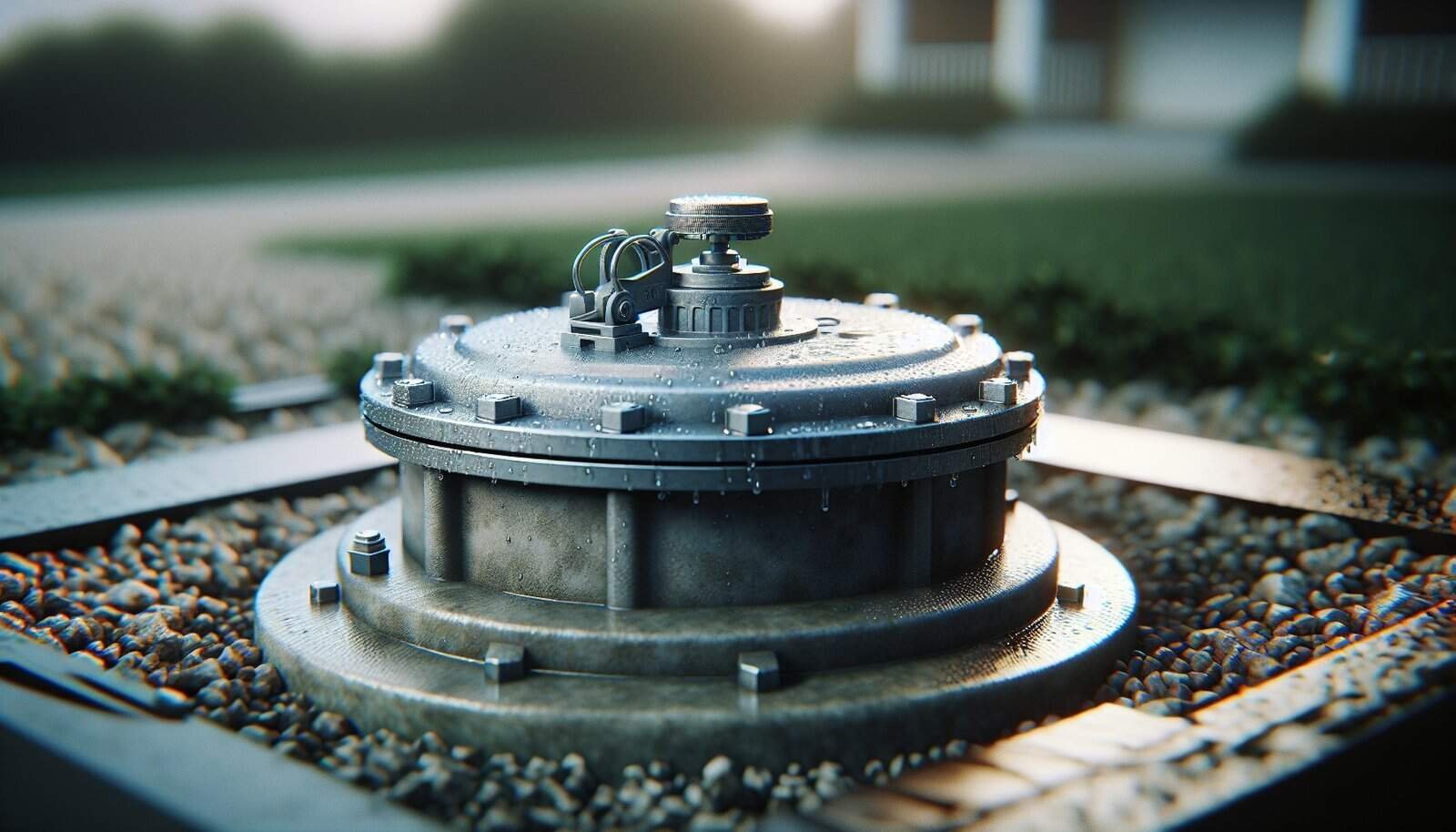
Well Safety
How Do I Protect My Well From Chemical Spills Nearby?
Protect your well from nearby chemical spills: assess risks, prevent contamination, test water regularly respond quickly after spills and access remediation now

Well Safety
How Do I Seal An Unused Well Safely?
Learn how to safely seal an unused well to protect your property and environment. Discover steps, materials, and why hiring a professional is crucial.
Well Safety
Can Flooding Contaminate My Well Water?
Learn how flooding can contaminate private wells, common contaminants, emergency safety steps, testing and shock chlorination tips to restore safe drinking water.

Well Safety
What Are Safe Levels Of Lead In Drinking Water?
Discover the safe levels of lead in drinking water, learn about EPA guidelines, health risks, and how to test and reduce lead exposure for your family’s safety.

Well Safety
How Do I Know If My Well Cap Is Secure?
Learn how to inspect your well cap, spot cracks, loose fasteners or pests, and take steps to secure, repair, or test your water to protect your drinking supply.

Well Safety
Is Arsenic In Well Water Common?
Discover if arsenic is common in well water, its health risks, and proactive steps for safety. Ensure your family’s health with regular testing and treatment.
Well Safety
What’s The Safest Way To Disinfect A Contaminated Well?
Safe, step-by-step guide to shock-chlorinate a contaminated well: dosage calculations, PPE, flushing, testing, troubleshooting, and when to call a professional.