
?Are you noticing slimy buildup, strange odors, or green tint in your well water and wondering what you can do about it?
How Can I Prevent Algae Growth In My Well System?
Algae in a well system can cause unpleasant tastes, foul odors, clogged filters, and potential health concerns if other microorganisms are present. You can take several proactive steps to prevent algae growth, maintain water quality, and keep your well system functioning smoothly.
Why algae becomes a problem in wells
Algae are simple photosynthetic organisms that thrive where light, nutrients, and stagnant water meet. Your well system can provide favorable conditions if sunlight reaches the water, nutrients enter the system, or water remains at or near the surface for long periods.
What you stand to lose if you ignore algae
If you let algae proliferate, you can expect clogged filters, reduced pump efficiency, bad tasting or smelling water, and more frequent maintenance needs. In some cases, algae presence signals other contamination pathways that may allow bacteria or parasites into your water.
How algae gets into a well system
Understanding how algae gains a foothold helps you prevent it. Algae typically enter or proliferate when the following conditions exist: light penetration, nutrient sources (like organic matter or fertilizer runoff), warm temperatures, and stagnant or slowly moving water. Once present, algae can attach to surfaces, grow in standing water within tanks and pipes, and spread through your distribution system.
Common entry points and contributing factors
Algae and the conditions that support it can come from surface water intrusion, damaged well caps, improperly sealed vents, a storage tank exposed to sunlight, or groundwater that carries organic nutrients. Each of these vulnerabilities increases the risk of algal growth.
Seasonal and environmental influences
You’ll usually see more algae growth during warmer months when sunlight is stronger and temperatures are higher. Heavy rains can increase nutrient runoff into groundwater and temporarily raise water tables, which can change water chemistry and support algae.

How do I know if my water pressure tank is contaminated?
You can identify a contaminated pressure tank by looking, listening, and testing. Visual signs include green or slimy buildup, visible film, or deposits around your tank fittings. Odors such as musty or earthy smells and tastes like fishy or grassy notes are also indicators. Functionally, you may notice reduced water pressure, frequent cycling of the pump, or clogged filters.
Detailed signs to watch for
If your pressure tank interior or accessible surfaces show discoloration, slime, or a biofilm, that’s a strong sign of contamination. You should also watch for changes in water clarity, sudden increases in sediment, and microbial growth visible at fixtures or aerators.
Why contamination affects pressure tank performance
Biofilm and algal deposits can foul the internal bladder or diaphragm in some tanks, block screens and valves, and reduce the effective volume of the tank. That leads to more frequent pump starts and stops, shorter pump life, and inconsistent water pressure at your taps.
Testing and confirming contamination
Testing confirms whether algae or other microbes are present. You can perform basic tests yourself, or you can hire a certified lab. Common tests include total coliform and E. coli presence, heterotrophic plate counts (HPC), chlorine residual, and visual inspection for algae pigments like chlorophyll.
Home test kits versus lab tests
Home test kits can tell you about chlorine, pH, and basic bacteria indicators but have limits in sensitivity and specificity. A certified laboratory can run detailed microbial, chemical, and microscopic analyses to confirm algae and identify nutrient sources or other pathogens.
When to call a professional for sampling
Call a professional if you see persistent taste, odor, obvious algae in the tank or well casing, or if household members have unexplained gastrointestinal symptoms. Professionals follow proper sampling protocols to prevent contamination during collection and can provide accurate lab-grade results.

Preventive measures you can implement immediately
You don’t need expensive tools to start preventing algae. Make sure your well cap is secure and sealed, keep the area around the well free of vegetation, and ensure vents and tank openings are screened and shaded. Small actions often have big effects on reducing the conditions algae need.
Wellhead and cap maintenance
Check your well cap for cracks, gaps, or a missing seal. Replace or repair any damaged caps to prevent surface water, insects, and organic debris from entering the well. Make sure vent openings are covered with fine mesh to prevent insects while allowing ventilation.
Manage light and exposure
Keep any storage tanks, pressure tanks, and exposed piping in shaded or enclosed spaces. Algae need light to grow, so reducing light exposure inside tanks and pipes makes it harder for algae to establish itself.
Sanitation and disinfection strategies
If you suspect algae, sanitation is an effective remedy. Shock chlorination of your well is a common method that uses a high concentration of chlorine to disinfect the well and plumbing system. You can also use UV disinfection for continuous protection, but UV treats the water rather than cleaning physical slime inside tanks.
Shock chlorination: basics and purpose
Shock chlorination injects a strong chlorine solution into the well to kill algae, bacteria, and many other microbes. The goal is to achieve a free chlorine concentration sufficient to disinfect all accessible surfaces and water in the well and plumbing for a specified contact time.
UV systems and continuous disinfection
A point-of-entry UV system can inactivate algae cells (and bacteria and viruses) as water passes through. UV doesn’t leave a residual disinfectant in the plumbing, so it works best after you remove bulk algae and maintain mechanical filtration or periodic chlorination if surface contamination is a concern.
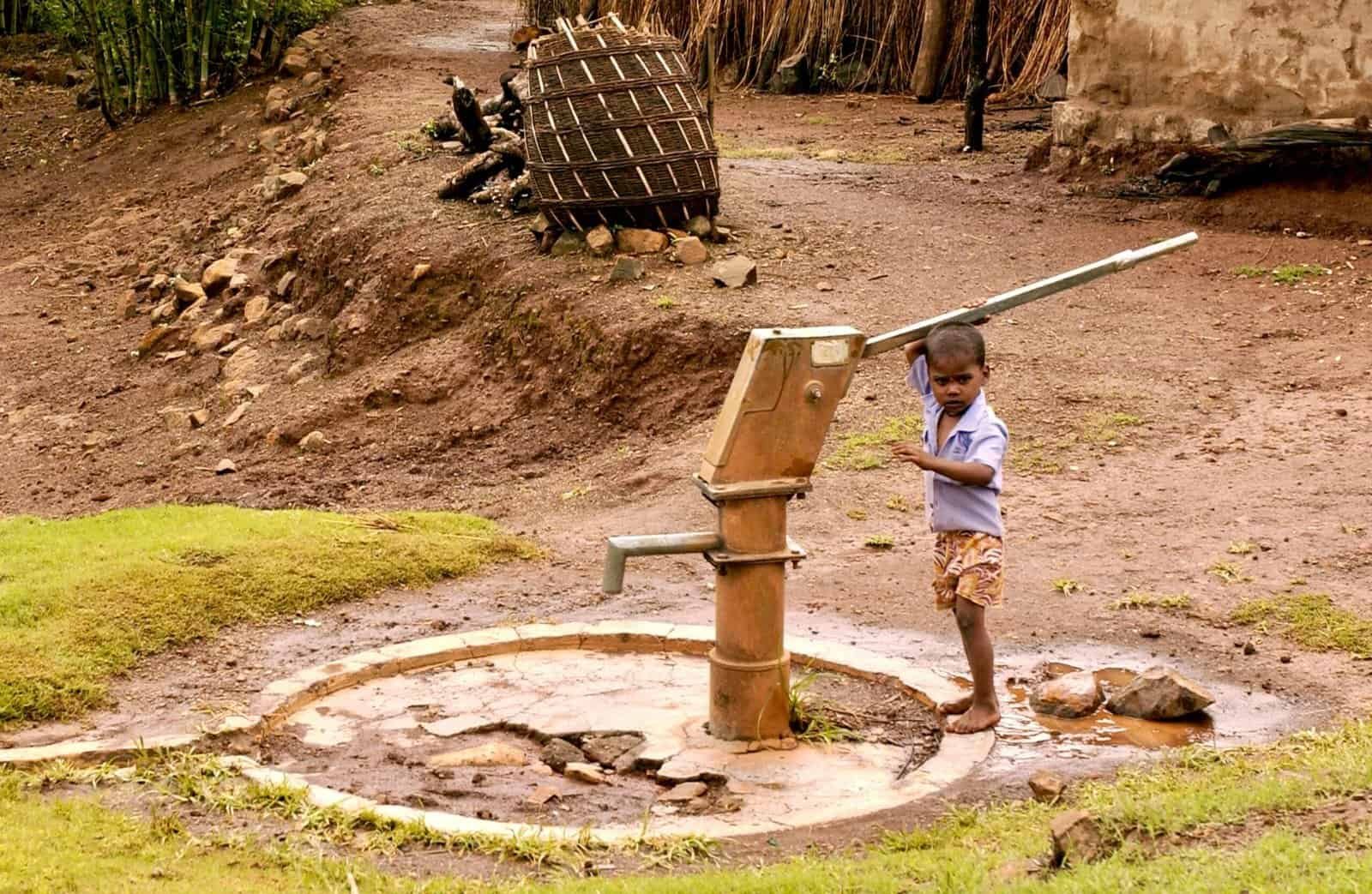
Step-by-step: performing shock chlorination safely
You can perform shock chlorination yourself if you follow safety and procedural guidelines carefully. Below is an outline of the steps you should take. If you’re unsure or uncomfortable, hire a licensed well contractor.
Required materials and safety gear
You’ll need household bleach (sodium hypochlorite), protective gloves and goggles, a plastic bucket, a length of hose, a wrench for access to the well cap, and a test kit for free chlorine. Always use fresh household bleach (strength typically 5–8%) and avoid mixing with other chemicals.
Shock chlorination procedure (summary table)
| Step | What you do | Why it matters |
|---|---|---|
| 1 | Turn off power to the pump to prevent damage and off-flow while working. | Safety and preventing pump operation during treatment. |
| 2 | Locate and access the well cap, and remove it carefully. | Allows you to add chlorine solution directly to the well. |
| 3 | Prepare chlorine solution: mix bleach with water in a bucket (typically 1–2 gallons of bleach for small residential wells; see calculation below for accuracy). | Ensures you add a strong enough concentration to achieve target chlorine. |
| 4 | Pour the solution into the well and use a hose to recirculate treated water to coat the casing and distribution piping. | Coats surfaces where algae and microbes may cling. |
| 5 | Run each faucet until you smell chlorine, then close them to maintain the solution in the plumbing; allow to sit 6–24 hours. | Provides contact time to disinfect plumbing and fixtures. |
| 6 | After contact time, flush the system by running water to remove chlorine until levels are safe; test residuals before using water for consumption. | Removes excess chlorine and any dislodged debris; confirms safety. |
Calculating bleach volume for a proper shock
The volume of bleach depends on your well depth, diameter, and desired chlorine concentration. A typical target is 50–200 ppm (mg/L) free chlorine for shock. For a simple residential well, a commonly used approach is to add 1–2 gallons of household bleach, but you should calculate precisely if you want accuracy.
Basic calculation steps:
- Estimate well gallons: Well gallons = well depth (ft) × casing area (gallons per foot). Common casing sizes: 6″ diameter ≈ 1.47 gal/ft; 8″ ≈ 2.60 gal/ft.
- Desired ppm × total gallons / bleach strength = gallons of bleach needed. Convert bleach strength (e.g., 6% = 0.06) and account for dilution.
If you prefer not to calculate, consult a professional or well resource to avoid over- or under-chlorinating.
Safety and disposal considerations
Do not use chlorinated water for watering plants, animals, or discharging into septic systems until levels drop to safe norms. Ventilate the area during treatment and avoid inhaling fumes. Dispose of leftover bleach according to local regulations and never mix bleach with acids or ammonia.
Cleaning the pressure tank specifically
The pressure tank is a key location for algae accumulation, especially if you have a non-bladder (open) tank or if the bladder is damaged. You can inspect and clean accessible surfaces, replace damaged bladders, and ensure the tank is protected from light and infiltration.
Inspecting and identifying a problem bladder
For bladder tanks, look for symptoms rather than visual inspection, since internal access is typically limited. Symptoms of a damaged bladder include waterlogging (reduced air cushion), very frequent pump cycles, and water mixed with sediment. If you suspect internal contamination, consider replacing the bladder or tank.
Cleaning or replacing components
If your pressure tank has a removable hatch or is an older galvanized tank, you can partially clean interior surfaces after decontamination. For modern sealed bladder tanks, cleaning is limited to external components and water system disinfection. Replace gaskets, valves, and any corroded fittings.
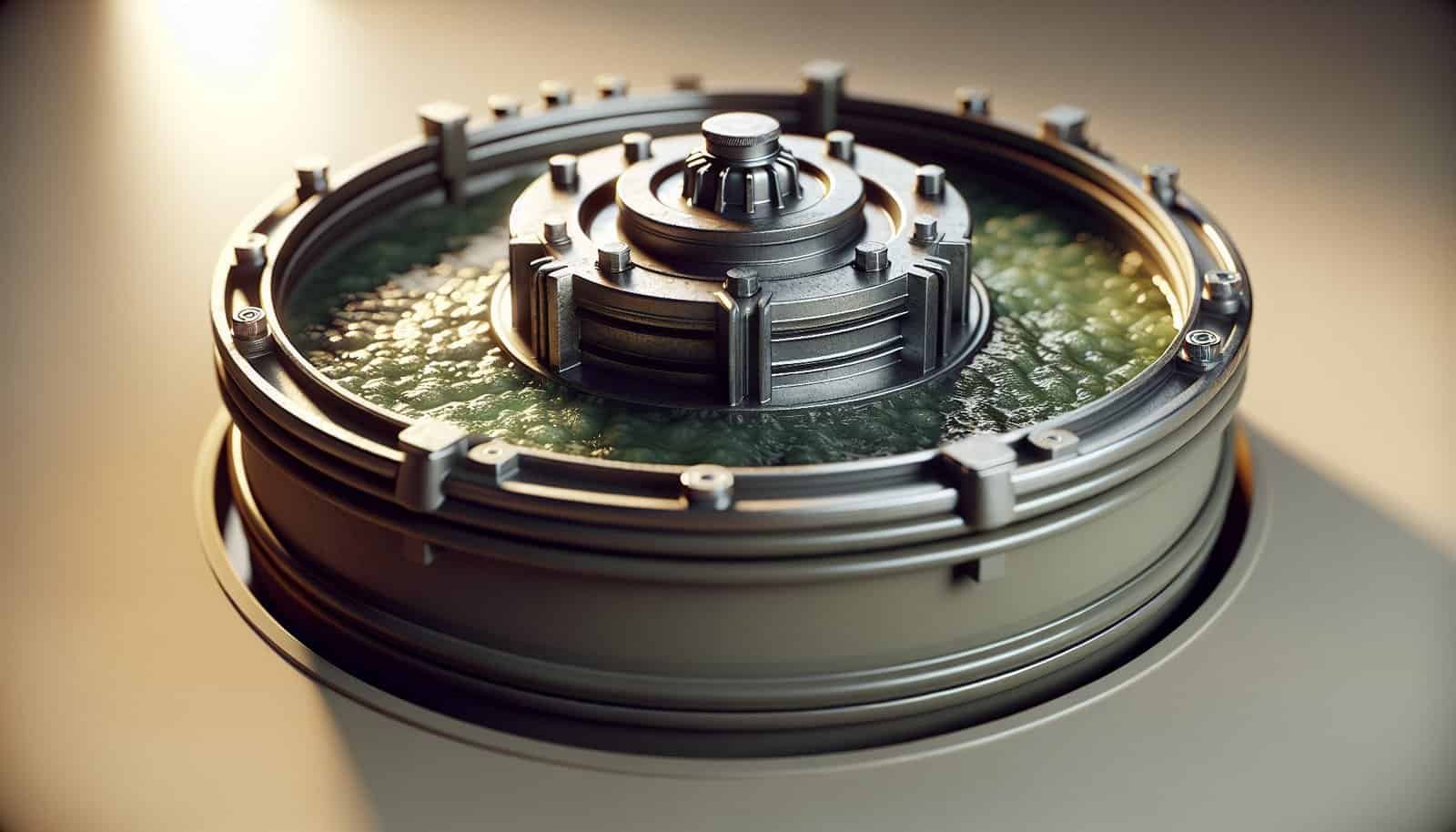
Filtration and mechanical controls
Mechanical filters and screens remove suspended algae and organic matter before the water reaches household fixtures. Sediment filters, activated carbon filters, and cartridge systems can reduce nutrients and particles that encourage algae growth.
Filter types and what they remove
- Sediment filters remove sand, silt, and larger particulates that provide attachment points for algae.
- Activated carbon removes organic compounds and some tastes and odors that algae produce.
- Multimedia filters offer staged filtration to trap a range of particle sizes.
Maintenance of filtration systems
Change filters on the manufacturer’s recommended schedule and inspect housings for biofilm during each service. A clogged filter can be a sign of increased biological activity and should be replaced promptly.
Nutrient control: reduce what algae feed on
You can lower nutrient inflows that support algae by managing fertilizer use near the well, preventing surface runoff into the well area, and maintaining proper septic systems. Nutrient control reduces long-term risk of recurring algal blooms.
Common nutrient sources
Phosphates, nitrates, and organic carbon are the major nutrients that feed algae. These often come from fertilizer, septic leakage, animal waste, or decaying vegetation near the well.
Landscaping and runoff management
Keep the area around your well free of compost, yard clippings, or fertilizer storage. Grade the ground to direct surface water away from the wellhead and consider installing drainage features that limit nutrient-laden water reaching the well.
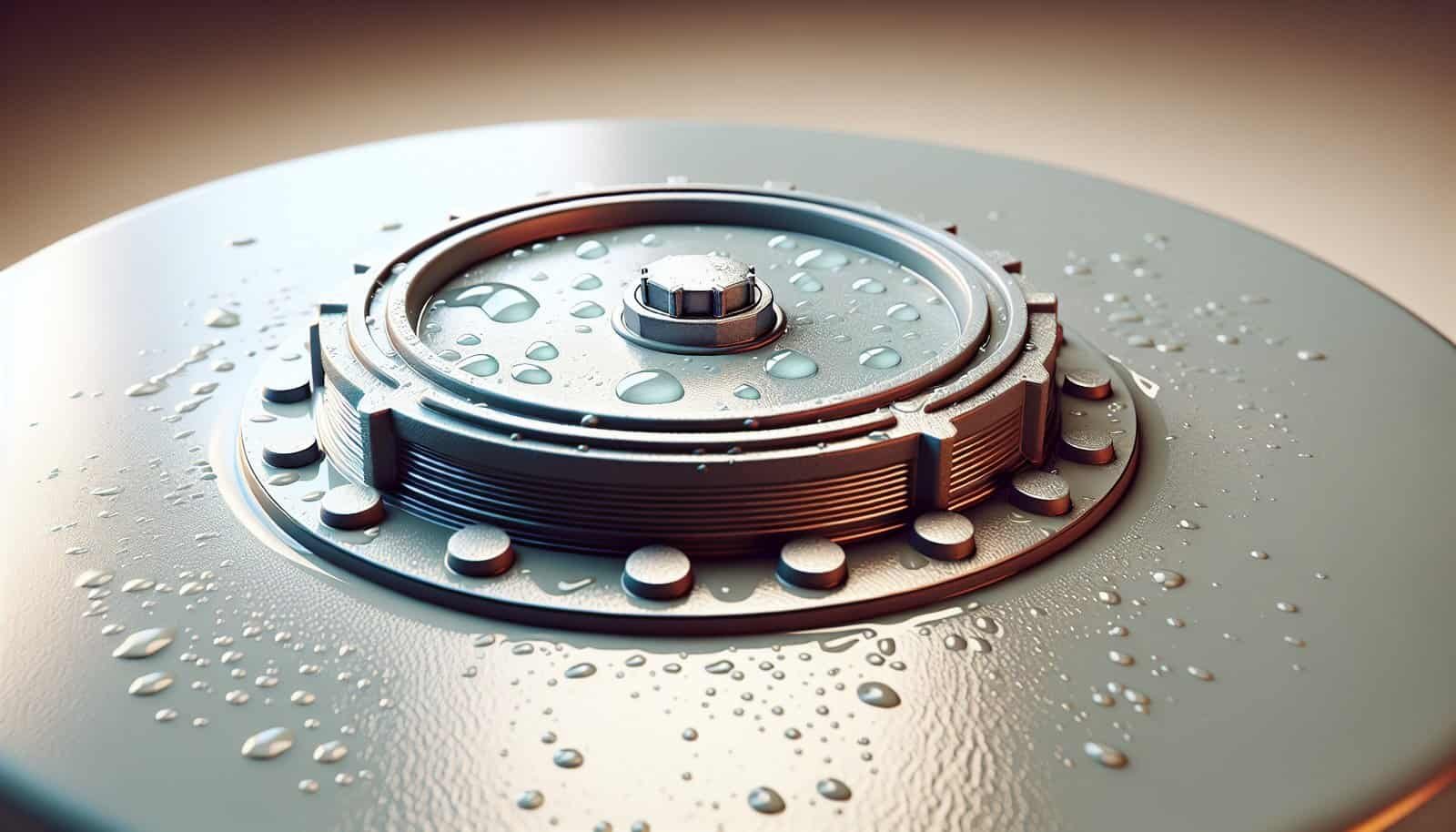
Structural and design changes to prevent algae
Algal problems often reflect design or installation issues you can fix. Consider relocating or modifying storage tanks so they aren’t exposed to sunlight, installing opaque tank covers, or using sealed bladder tanks that are less vulnerable to internal growth.
Wellhead sealing and venting
A properly sealed well cap and screened vents prevent surface contaminants and insects from entering while allowing necessary pressure equalization. Replace degraded seals and screens promptly.
Upgrading tanks and piping
A tank with a secure bladder, pressure switch protection, and internal coatings designed to resist biofilm will reduce your maintenance burden. Replace corroded metal parts with corrosion-resistant alternatives to help limit nutrient sources that algae exploit.
Long-term monitoring and maintenance schedule
Create a maintenance plan that includes visual checks, quarterly filter changes or inspections, annual water testing, seasonal well cap inspections, and periodic recleaning if necessary. Regular logs help you spot trends and act before a small issue becomes a large one.
What to monitor and how often
- Visual check of wellhead and cap: every 3 months.
- Pressure tank performance (pump cycles): continuous observation, log monthly.
- Filter inspections or replacement: every 1–3 months depending on load.
- Laboratory water testing (microbial and chemical): yearly, or sooner if you notice problems.
Keeping records
Record dates of maintenance, results of tests, volumes of chlorine used, and any repairs or replacements. Your history will help professionals diagnose recurring issues more quickly.
When to get professional help
If your water tests positive for coliform or E. coli, if algae recurs despite preventive measures, or if you’re uncomfortable performing disinfection, hire a licensed well contractor or water treatment pro. Professionals can perform thorough cleaning, make design changes, and certify the water’s safety.
What a professional can do that you can’t
Professionals have specialized pumps, inspection cameras, lab partnerships, and certification to perform safe and effective remediation. They also understand local regulations for well disinfection and waste disposal.
Choosing the right professional
Look for licensed well contractors or certified water treatment specialists with good reviews and references. Ask about insurance, guarantees on work, and whether they perform both disinfection and subsequent testing.
Common myths and misconceptions
There are myths about home remedies and short-term fixes that can make problems worse. For instance, pouring small amounts of bleach down the well without proper mixing and contact time won’t disinfect effectively, and using unregulated “algaecides” can introduce harmful chemicals to your aquifer.
Why quick fixes often fail
Short contact times, low chlorine doses, and incomplete coverage of surfaces allow microbes to survive and recolonize. Effective control takes correct concentration, adequate contact time, and attention to physical removal of slime and organic matter.
Safe alternatives to unregulated chemicals
Stick to household bleach for shock chlorination and consider proven technologies like UV and professionally installed filtration systems for long-term control. Always consult local authorities before using pesticides or algaecides near groundwater.
Frequently asked questions (FAQ)
This section answers common, practical questions you may have when dealing with algae in wells and pressure tanks.
How often should I shock chlorinate my well?
Annual shocking is common as preventive maintenance for some wells, but you should base frequency on test results and visible signs. If algae returns more often, investigate nutrient sources or structural weaknesses.
Can I drink water right after shock chlorination?
No. You should flush until free chlorine levels are below recommended safe thresholds (usually below 4 mg/L for household use; aim for less than 1 mg/L for taste). Test the water after flushing to confirm safety before using for drinking or cooking.
Will algae affect my septic system?
Depending on the disinfectants used and discharge pathway, chlorinated flush water can harm septic biology. Avoid discharging highly chlorinated water into septic systems. Neutralize chlorine or collect and dispose of it according to local rules.
Are there non-chlorine methods to treat algae?
Yes—UV systems and ozone can inactivate algae in flowing water. However, they don’t remove physical biofilm inside tanks and do not leave a residual disinfectant, so they’re best used after mechanical cleaning or in combination with other measures.
Quick reference table: signs, actions, and urgency
| Sign you see | Immediate action | Urgency |
|---|---|---|
| Green water, film at fixtures | Stop drinking, test water, consider shock chlorination | High |
| Musty/earthy taste or odor | Test for bacteria and organics, inspect well cap | Medium-High |
| Frequent pump cycling | Inspect pressure tank, check for waterlogging or biofilm | Medium |
| Visible slime in tank or on pipes | Disinfect system, clean or replace affected parts | High |
| Positive coliform/E. coli test | Do not use water for drinking or cooking; call pro / disinfect | Very High |
Final checklist you can follow today
- Inspect and secure the well cap and vents.
- Remove vegetation and potential nutrient sources from around the well.
- Shade or enclose storage and pressure tanks to limit light.
- Replace damaged tank components and consider upgrading to a sealed bladder tank.
- Test your water (microbial + chemical) and keep records.
- Maintain filters and change them regularly.
- Shock chlorinate if you suspect contamination or annually as a preventive measure.
- Contact a licensed professional for persistent contamination or if lab tests show harmful bacteria.
Closing friendly reminder
You hold the key to keeping your well water clean by staying proactive, doing regular checks, and responding quickly to signs of trouble. With a mix of good maintenance, prudent sanitation, and timely professional support, you can minimize algae problems and protect your household water quality.