
Are you ready to get steady water pressure from your well and find help paying for the work if you need it?
How Do I Install A Constant Pressure System For My Well?
This article walks you through what a constant pressure system is, why you might want one, the parts and tools you need, step-by-step installation guidance for both submersible and shallow (jet) systems, commissioning and troubleshooting, typical costs, permit and safety considerations, and practical ways to get financial assistance for well maintenance in 2025. You’ll get practical checklists, tables to compare options, and clear steps you can follow or give to a contractor.
What is a constant pressure system?
A constant pressure system keeps your household water pressure steady regardless of how many fixtures are running. Instead of a conventional pressure switch and a large pressure tank that causes pressure swings and pump cycling, a constant pressure system uses an electronic controller (usually a variable frequency drive — VFD) and a pressure sensor to modulate pump speed so pressure stays stable.
You’ll notice smoother showers, fewer pressure dips, quieter pump operation, longer pump life, and often improved energy efficiency.
Why install a constant pressure system?
If your water pressure drops when someone runs the shower or the dishwasher, or the pump cycles on and off frequently, a constant pressure system can solve those problems. It’s also a good upgrade when you’re replacing a failing pump or pressure tank and want to improve comfort, reduce mechanical stress on the pump, and make the system more efficient.
Deciding whether to install one depends on your current system (submersible vs jet pump), budget, and whether you want reduced cycling, steady pressure, or energy savings.
Main components of a constant pressure system
Below is a quick table summarizing the core components and their roles.
| Component | Purpose | Typical cost range (parts) |
|---|---|---|
| Variable Frequency Drive (VFD) or pump controller | Modulates motor speed to hold set pressure | $300–$1,500 |
| Pressure transducer (sensor) | Measures real-time pressure and sends signal to controller | $50–$300 |
| Submersible pump or jet pump (if replacing) | The pump itself; must be compatible with VFD | $300–$1,500+ |
| Check valve / foot valve | Prevents backflow and maintains column of water | $30–$200 |
| Surface junction box / control box | Houses controller and electrical components | $50–$300 |
| Wiring, conduit, fittings, mounts | For electrical and plumbing connections | $50–$500 |
| Small pressure tank (optional for smoothing) | Helps handle short spikes and prevents immediate load changes | $100–$500 |
Types of constant pressure approaches
There are two practical approaches you’ll encounter:
- VFD-based systems: Use a variable frequency drive or dedicated pump controller and a pressure transducer. Best for submersible motors and modern high-efficiency setups. Provides truly constant pressure and energy savings.
- Electronic pressure controllers (on/off with soft-start): Simpler controllers that reduce cycling and provide more consistent pressure than mechanical pressure switches, but not as precise as VFDs. Often used for shallow jet pump conversions.
VFD systems are the most flexible and common solution for achieving constant pressure for deep submersible wells.
Do you need a professional?
You can perform some parts of the installation if you’re experienced with plumbing and electrical work, but there are important reasons to hire qualified professionals:
- Electrical: VFDs and pump motors require correct wiring, proper grounding, overload protection, and adherence to local electrical codes. You often need a licensed electrician.
- Well work: Pulling and re-installing a submersible pump can be heavy and requires safe handling to avoid damaging the drop cable, pump, or well casing.
- Permits and inspections: Local codes may require permits and inspection sign-offs.
If you’re uncertain, hire a licensed pump contractor and electrician. If you plan DIY, only do the non-intrusive parts (e.g., mounting controller, plumbing to existing piping) if you have the competence and required permits.
Tools and materials you’ll need
You’ll need plumbing and electrical tools and safety gear. Here are typical items:
- Adjustable wrenches, pipe wrenches, pliers
- Screwdrivers, drill/driver and bits
- Wire strippers, multimeter, voltage tester
- Conduit, cable clamps, waterproof junction box
- PVC pipe, fittings, unions, plumber’s tape
- Check valve / foot valve and unions
- Pressure transducer and mounting hardware
- VFD/controller and user manual
- Safety gear: gloves, eye protection
- Ladder or lifting equipment for pump removal
- Permits and paperwork (if required)
Preparing for installation
Before you begin, do these essential steps:
- Turn off and lock out main electrical power feeding the pump.
- Shut off any water use in the house and drain faucets to relieve pressure.
- Gather wiring diagrams and manuals for the pump and controller.
- Get local permits if required and schedule inspections if applicable.
- Take photos and measurements of the existing set-up so contractors can quote accurately.
Step-by-step installation — Submersible well (typical)
This section covers a standard deep submersible pump conversion to a VFD-based constant pressure system. Each step includes safety and permit reminders.
Evaluate the well and pump
- Confirm pump horsepower, motor type (single-phase or three-phase), depth, and cable condition.
- If the pump is old or shows signs of failure, consider replacing it while you’re doing the upgrade.
Shut off electrical power and secure a permit if required
- Turn off main breaker and lock/tag where you can.
- Arrange for inspection if local code mandates.
Remove the existing pressure switch and pressure tank wiring (if present)
- Label all wires before disconnecting.
- Cap off exposed wires safely.
Pull the pump (if needed)
- If the existing pump will be reused and is compatible with a VFD, you may not need to pull it.
- For pump replacement, use a two-wheeled pump jack or contractor equipment. Keep the drop cable free of damage.
Install or verify check valve/foot valve and drop cable
- Replace worn or leaky check valves to prevent loss of prime and protect pump.
Install the VFD/controller at the surface
- Mount the VFD in a dry, ventilated control box near the service panel.
- Ensure the box is rated for outdoor use if applicable and has sufficient clearance for cooling.
Wire the VFD to the pump motor and power supply
- Follow the VFD manual for motor wiring. This is often the step where a licensed electrician is required.
- Install proper over-current protection, fuses, or circuit breakers per motor specifications.
Install the pressure transducer on the discharge line
- Place it where you can access it easily, typically on the main discharge manifold close to the house.
- Use a tee and a shutoff valve so you can isolate the sensor for servicing.
Connect pressure transducer to controller
- Use shielded wiring if recommended. Follow polarity and signal type (4–20 mA, 0–10 V, etc.).
Configure controller settings
- Set target pressure (example 50 psi), acceleration ramp times, maximum frequency, and motor parameters.
- Enable dry-run protection and alarms.
Test the system
- Energize the VFD with the pump disabled initially to verify correct rotation and no leakage.
- Reconnect the pump, open valves, and test under various flows (single faucet, multiple fixtures).
- Verify pressure stability, check for leaks and unusual noises, and confirm that the pump speeds up appropriately.
Finalize and document
- Label the controller and wiring, provide user instructions, and schedule routine maintenance checks.
Step-by-step installation — Shallow well / jet pump conversion
If you have a shallow well or a jet pump above ground, the conversion process differs slightly:
Evaluate pump compatibility
- Many jet pumps can be controlled with soft-start controllers or VFD equivalents made for single-phase motors. Confirm motor compatibility.
Turn off power and drain system
- Ensure safe working conditions and lock out the electrical supply.
Remove or bypass the old pressure switch
- Cap wires and prepare piping for the pressure sensor.
Install controller and pressure sensor
- For single-phase jet pumps, install an appropriate controller; if a true VFD for single-phase is not suitable, a dedicated pump controller that provides constant pressure may be used.
Wire controller to pump and verify protection
- Ensure motor protections and overloads are sized correctly.
Tune and test
- Set desired pressure and test at different flows. Make adjustments to ramp times to avoid water hammer or pump cavitation.
Note: Converting certain single-phase motors to VFDs can be tricky—check motor nameplate and consult an electrician or pump specialist.
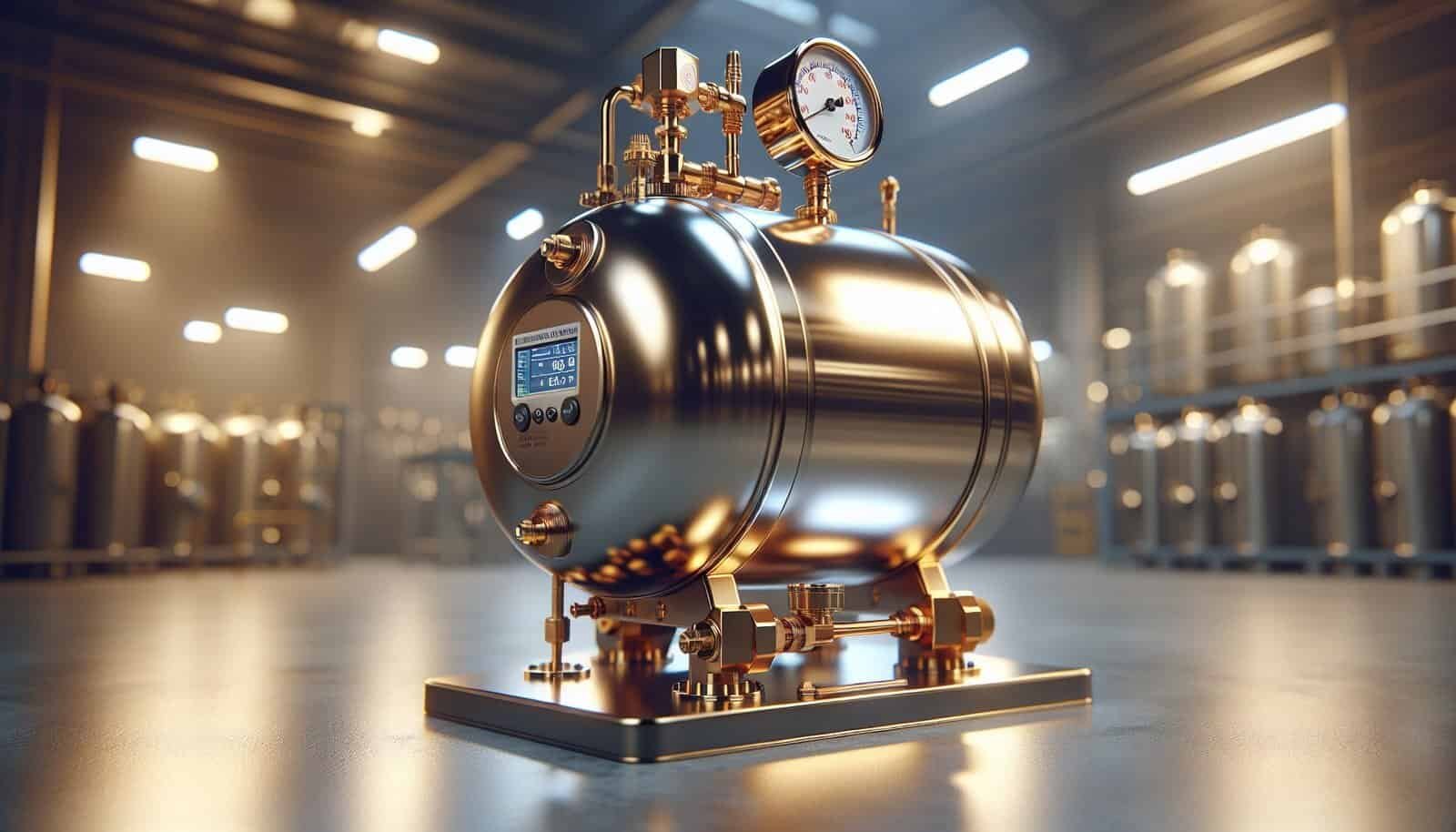
Controller setup and tuning tips
Tuning a VFD/controller affects pressure stability, pump life, and comfort. Here are practical tips:
- Choose a realistic target pressure (40–60 psi is common for homes).
- Set soft-start ramp time to avoid sudden torque on motor and system surge (1–5 seconds typical).
- Set acceleration/deceleration times to reduce mechanical stress and water hammer.
- Enable dry-run and low-pressure cutout to protect pumps from running without water.
- Use a small expansion or bladder tank (10–20 gallons) to handle very short, high-frequency demands and reduce controller micro-adjustments.
Testing and commissioning checklist
- Confirm rotation and no vibration at start-up.
- Check for steady target pressure under varying flows.
- Inspect all plumbing joints for leaks.
- Monitor motor temperature during the first extended run.
- Confirm alarms are functional and you can reset them.
- Make a record of settings for future reference.
Maintenance and troubleshooting
Routine maintenance will extend system lifespan. Here’s what to check periodically:
- Every 6–12 months: Visually inspect controller, wiring, and connections for corrosion or damage.
- Annually: Check pressure transducer accuracy, test dry-run protection, inspect check valves.
- If pressure fluctuates or system cycles oddly: look for clogged intake screens, failing transducer, or air leaks.
- If pump won’t start: verify power at the VFD, check fuses/breakers, inspect error codes on controller.
- If pump runs constantly without achieving pressure: check for leaks, a failed check valve, or a pump losing capacity.
Troubleshooting table:
| Symptom | Likely cause | What to check/do |
|---|---|---|
| Pump runs but low pressure | Clogged intake, pump wear, leaking pipe, transducer error | Inspect well intake, get pump performance test, check piping |
| Pump short-cycles or hunts | Poor transducer signal, improper tuning | Calibrate transducer, adjust ramp/frequency settings |
| No pump operation | Power issue, blown fuse, controller fault | Check incoming power, breakers, controller fault codes |
| Excessive heat in controller | Inadequate ventilation, overload | Improve cooling, verify motor match and settings |
Typical costs and budget planning
Costs vary widely depending on pump condition, depth, electrical work, and whether you’re replacing a pump or just adding a controller. Use this table for rough estimates:
| Item | Parts | Typical labor | Total typical |
|---|---|---|---|
| VFD/controller + transducer | $350–$1,200 | N/A | $350–$1,200 |
| Small service work (plumbing, wiring) | $100–$500 | $200–$800 | $300–$1,300 |
| New submersible pump (if needed) | $400–$1,500 | $400–$1,200 | $800–$2,700 |
| Full retrofit including pump replacement | $850–$3,000 | $600–$1,800 | $1,450–$4,800 |
Expect a typical retrofit (no new pump) in the $1,000–$3,000 range. If you need a new deep pump pulled and replumbed, costs can reach $2,500–$6,000 or more.
Permits, codes and safety requirements
- Electrical code compliance is critical: motor overcurrent protection, ground fault protection where required, bonding, and conduit ratings.
- Plumbing codes may require new piping, check valve placement, and air gap or backflow prevention.
- Many jurisdictions require permits for well work, pump replacements, or major electrical upgrades. Check with your local building department.
- Always lock out power and follow safety protocols when working on electrical or well systems.
How do I get financial assistance for well maintenance in 2025?
Private wells often fall outside mainstream water assistance programs, but there are avenues you can pursue. Here’s a practical guide to find and secure financial help for well maintenance in 2025.
Federal and federal-like programs to check
- USDA Single Family Housing Repair Loans & Grants (Section 504): Low-income rural homeowners may be eligible for grants or loans for repairs that affect health and safety, which can include well repairs in some cases. Contact your local USDA Rural Development office.
- USDA Water/Waste Disposal Program: Primarily for community systems, but some rural projects and multi-user systems can benefit. Check with state USDA RD office.
- FEMA and disaster assistance: If well damage results from a declared disaster event, FEMA assistance or state emergency programs may help with repairs or replacement.
- State Drinking Water SRF and DWSRF-funded programs: Typically these funds improve public systems, but some states make subgrants for private well or household-level interventions — check with your state environmental or health agency.
Note: Eligibility, program availability, and income thresholds change over time. For 2025, contact local offices listed below for current guidance.
State and local programs
- State health departments or environmental protection agencies sometimes run private well repair or replacement grants, especially where water quality is a concern. Search “[your state] private well assistance” or contact your county environmental health office.
- Local public health or environmental departments may have small-scale grants, loans, or partnerships with local non-profits.
Utility and energy efficiency incentives
- Electric utilities and state energy offices often offer rebates or incentives for high-efficiency pumps and variable speed drives. When you upgrade to a VFD or energy-efficient pump, you may qualify for rebates that reduce your upfront cost.
- Check the Database of State Incentives for Renewables & Efficiency (DSIRE) or your local utility website for 2025 programs.
Nonprofit and community resources
- Community Action Agencies: These agencies provide assistance or can direct you to weatherization and home repair funds that sometimes cover water system issues.
- Local nonprofit organizations and religious groups: Some community-based organizations provide small grants or labor assistance for critical home repairs.
- Habitat for Humanity’s repair programs or Rebuilding Together sometimes assist with urgent home repairs — eligibility and services vary.
Contractor financing and private loans
- Many local well contractors, pump dealers, or plumbing companies offer financing plans or partnerships with lenders. These can be a practical option if grant funding is not available.
- Home equity lines of credit (HELOC), personal loans, or credit cards are other financing choices—compare rates and terms.
Crowdfunding and community support
- Crowdfunding platforms can work for urgent or unexpected well failures when you can explain the need clearly to a community. Local fundraising or social media outreach often helps in rural areas.
How to search for programs and where to ask
- Contact your county health or environmental department — ask about private well assistance programs, low-interest loans, or emergency repairs.
- Reach out to USDA Rural Development local office — ask about Section 504 loans/grants and state-level water programs.
- Contact your electric utility or state energy office — ask about pump efficiency rebates and incentives for VFDs.
- Call local Community Action Agency or similar nonprofit — inquire about emergency home repair funds.
- Ask local well drillers/pump contractors for available financing or known assistance programs.
- Search state agency websites for “private well assistance” or “household well replacement.”
What you’ll likely need to apply
Prepare the following to speed up applications:
- Photo ID and proof of residence (mortgage statement, deed, or lease)
- Income documentation (tax returns, pay stubs, benefits statements)
- Estimates/quotes from licensed contractors for the needed repairs or replacement
- Proof of ownership of the property
- Photos and documentation of the problem (leaks, pump failure, water tests)
- Any prior correspondence with health departments or inspectors
A checklist table:
| Document | Why it’s needed |
|---|---|
| Contractor estimate(s) | Shows scope and cost of work |
| Proof of income | Determines eligibility for income-based aid |
| Proof of ownership | Confirms you own the property |
| Photos of damage | Validates need for repair |
| Local health dept inspection (if available) | Strengthens urgent health/safety claims |
Tips to improve your chances of getting assistance
- Get at least two written estimates from licensed contractors to show urgency and scope.
- Emphasize health and safety concerns (no water, contamination, etc.) in applications.
- Provide complete and accurate documentation promptly.
- Ask programs about emergency or expedited review if you lack potable water.
- Ask utilities about rebates that could be combined with other funding.
- Consider a phased approach: apply for partial assistance (controller upgrade) while planning for full pump replacement later.
Alternatives and cost-saving strategies
- Replace only failed components at first (check valve, transducer) rather than the whole system if feasible.
- Consider used pumps or refurbished controllers when available from reputable vendors.
- Negotiate payment plans with contractors or ask about discounts for bundled repairs.
- Use efficiency rebates to offset the cost of new pumps or controllers.
Final checklist before you start
- Gather system information (pump type, horsepower, depth).
- Get 2–3 contractor estimates for parts and labor.
- Contact local health and building departments about permits.
- Check utility rebate and state incentive options.
- Prepare documentation for financial assistance applications.
- Hire a licensed electrician or pump contractor for electrical and pulling tasks if needed.
- Plan for testing and commissioning after installation.
Summary and next steps
You can achieve steady, comfortable water pressure and improve your well’s reliability by installing a constant pressure system—typically centered on a VFD and pressure transducer for submersible pumps, or an appropriate controller for jet pumps. Costs vary by scope, and you’ll often need an electrician and possibly a licensed well contractor. For financial help in 2025, explore USDA programs, local health departments, community action agencies, utility rebates, contractor financing, and nonprofit resources. Prepare documentation, get multiple quotes, and apply broadly to improve your chance of assistance.
If you want, tell me:
- whether your well uses a submersible pump or a jet pump,
- the current symptoms you’re seeing (pressure drops, cycling, no water),
- and your ZIP code (so I can provide more tailored suggestions for local assistance and possible rebate programs).