
Have you checked your well recently and wondered exactly what the inspector is doing and why each step matters?

What Happens During A Water Well Inspection?
A water well inspection is a comprehensive review of the physical condition, performance, and water quality of your well system. You’ll see both visual checks and technical tests performed to confirm the safety and reliability of your drinking water supply. Below, you’ll learn what happens during an inspection, what you should prepare, and what results mean for upkeep, safety, and legal compliance.
Why a well inspection matters
You rely on your well for safe drinking water, irrigation, and household use. Regular inspections help detect contamination risks, mechanical failures, and declining performance before they become emergencies. You’ll avoid costly repairs, health hazards, and interruptions to service when problems are found early.
Who performs the inspection
Inspections are usually performed by licensed well contractors, certified water-sampling technicians, or local health department staff. Professionals bring specific tools and knowledge about local geology, code requirements, and common failure modes in nearby wells. If your well serves multiple households or is part of a regulated water system, inspections may be mandated by local authorities.
When to schedule an inspection
- After buying a property with a well.
- If you notice changes in water quantity, pressure, taste, odor, or color.
- If there has been flooding, contamination event, or construction near the well.
- Annually for water-quality testing (bacteria), and every 3–5 years for a full mechanical and structural inspection.
Before the Inspector Arrives
A little preparation makes the inspection smoother and often reduces inspection time and cost.
Documents and records to have ready
Gather any well logs, drilling records, previous inspection reports, pump service receipts, and water-quality test results you have. These help the inspector understand the well’s history and allow comparison over time.
Access and safety considerations
Ensure clear access to the wellhead, pressure tank, pump house, and electrical panel. Keep pets and livestock away during testing. If your well is in a locked pump house, unlock it or provide key access.
Questions you should prepare to answer
You’ll be asked about water issues (taste, odor, stains), recent maintenance, how many people use the water, and any wells or septic systems nearby. Answering these helps the inspector tailor tests and recommendations.
Visual Inspection of the Wellhead and Surroundings
The visual inspection verifies basic sanitary protection and checks for obvious structural issues.
Well cap, seal, and casing
The inspector examines the well cap for a watertight seal, intact vent screens, and secure attachment to the casing. A missing or cracked cap, or evidence of animal entry, is a major contamination risk.
Casing condition and above-ground piping
Casing must be intact and plumb. Corrosion, holes, or damage to the casing or exposed piping can allow surface water or contaminants to enter. The inspector will look for signs of past repairs or corrosion.
Surface grading and drainage
The ground should slope away from the well to direct surface water away from the casing. Standing water, erosion, or nearby depressions are flagged because surface water can carry contaminants into shallow aquifers or poorly sealed wells.
Sanitary radius and potential contamination sources
The inspector will evaluate nearby potential contamination sources such as septic systems, fuel tanks, livestock yards, stormwater runoff, and pesticide storage. Local rules often dictate minimum separation distances.
Mechanical and Electrical Inspection
Functionality of the pumping system and controls is critical for reliable water service.
Pump and drop cable/pipe inspection
For submersible pumps, the inspector checks that wiring and drop pipe are properly secured and protected. For jet pumps or surface pumps, they inspect the suction line, foot valve, and pump housing for leaks and corrosion.
Pressure tank and pressure switch
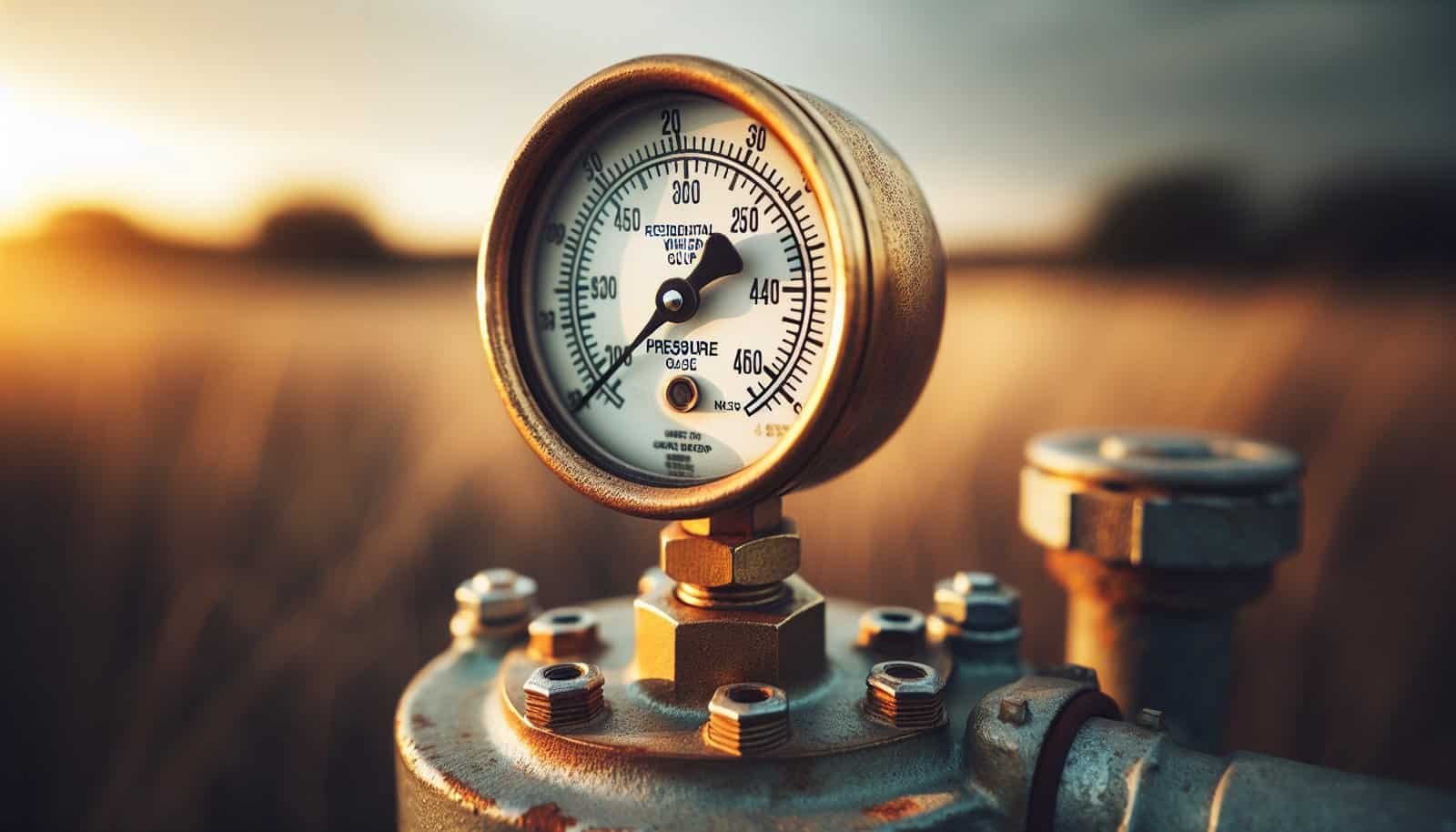
The pressure tank must be functioning to maintain steady pressure. The inspector will check pre-charge pressure (if applicable), tank integrity, and pressure-switch settings and operation. Malfunctioning pressure controls cause short cycling or no water.
Electrical safety and controls
The inspector reviews wiring, breakers, grounding, and any control devices like float switches or level sensors. Poor wiring or unsafe electrical setups are hazards and need prompt correction.
Pump testing
Functional testing includes running the pump to observe noise, vibration, pressure rise, and start/stop behavior. Anomalies may indicate impeller wear, motor problems, or incorrect settings.

Water Quality Sampling and Tests
Water quality testing is a key element for health protection. The inspector will take samples and often perform on-site screening tests.
Bacteriological testing
Bacterial testing (total coliforms and E. coli) is usually done annually or anytime contamination is suspected. Samples are collected in sterile bottles following strict procedures to avoid contamination during sampling. You’ll get results from a certified lab in a few days.
Chemical screening
Common chemical tests include nitrates, pH, total dissolved solids (TDS), hardness, and possibly volatile organic compounds (VOCs) or metals like lead and arsenic depending on local risk factors. These tests inform treatment needs.
On-site field tests
The inspector may perform field measurements: temperature, pH, conductivity, and turbidity. These quick readings help prioritize lab tests and evaluate immediate water quality issues.
Interpreting results and action thresholds
- Any E. coli detection requires immediate action to protect health (boil order, disinfection, repeat testing).
- Nitrate levels above regulatory limits (often 10 mg/L as nitrate-nitrogen or 10 mg/L depending on the lab/reporting) are risking infant and pregnant women health.
- Elevated TDS, hardness, or iron/manganese indicate service or cosmetic issues and potential treatment needs.
Well Yield and Performance Testing
Assessing quantity and sustainability of the well is as important as quality.
Static water level measurement
Static water level is the depth from ground surface to the water surface while the pump is off (after several hours of non-use). This establishes baseline water availability and helps set correct pump placement.
Pumping and drawdown tests
A constant-rate pumping test measures how quickly the water level drops (drawdown) while pumping at a set rate. The inspector measures drawdown vs. time to calculate specific capacity and estimate safe pumping rates and sustainable yield.
Short-term vs. long-term tests
Short tests (a few hours) provide immediate specific capacity data. Longer tests (24–72 hours) are better for assessing aquifer sustainability and impacts to nearby wells. The inspector will advise what’s needed based on your use.
Interpreting performance data
Specific capacity (Q/s) = pumping rate (Q) divided by drawdown (s). Lower specific capacity over time can indicate clogging, screen fouling, or failing pump. Test results guide pump sizing, well redevelopment, or deepening.

Structural Integrity: Screen, Gravel Pack, and Grout
Inspecting components below the surface often requires indirect evaluation and historical records.
Well log and construction review
The inspector reviews the well log for depth, casing type, screen interval, and grout/seal details. This history helps determine contamination risk and whether mechanical changes are needed.
Signs of screen or sand problems
Sand production (sand at the tap) suggests screen deterioration or poor cement/gravel-pack integrity. The inspector notes sand, sedimentation, and recommends development or screen repair.
Annular seal (grout) inspection
The seal between casing and borehole prevents surface water and contaminants from bypassing the casing. If a proper grout seal is absent or degraded, the well is vulnerable. The inspector may recommend pressure grouting.
Sanitary Survey and Vulnerability Assessment
A sanitary survey compiles observations and tests to rate vulnerability to contamination.
Assessing sanitary protection
Based on the visual inspection and nearby land uses, the inspector assigns a sanitary risk level and lists corrective actions—like cap replacement, improved grading, or relocation of potential contamination sources.
Recommendations for corrective actions
You’ll get prioritized recommendations with estimated costs and urgency. Actions might include chlorination, pump replacement, wellhead repairs, or sealing abandoned wells on your property.

Reporting and Documentation
After the inspection, you’ll receive a written report that records observations, test results, and recommendations.
Typical contents of the inspection report
- Date and inspector credentials
- Well and pump identification details
- Visual inspection findings
- Water-sampling results and lab certificates
- Performance test data and graphs
- Recommended repairs, maintenance schedule, and estimated costs
Record keeping and follow-up
Keep inspection reports and lab results in a safe place. They create a history that helps track trends and supports resale, regulatory compliance, or warranty claims.
Costs and How Long an Inspection Takes
Costs vary by location, services required, and the complexity of testing.
Typical cost ranges
- Basic visual inspection and bacteriological sampling: $100–$300.
- Full mechanical/electrical inspection plus lab testing: $300–$800.
- Pumping/drawdown tests and extended performance evaluations: $500–$2,000+ depending on duration.
Time commitment
A basic inspection and sample collection often take 1–2 hours. Full performance testing or extended pumping tests require several hours to days, depending on objectives.
What the Inspector Will Not Do Unless Requested
Inspectors typically evaluate the well system but may not perform certain services unless you ask.
- Detailed hydrogeological analysis (unless requested).
- Full well rehabilitation or deepening (these are repair contracts).
- Long-term aquifer tests or tracer studies.
- In-depth plumbing inspections inside the house (unless included).
Now that you’ve learned what a typical inspection includes, you’ll better understand the results and recommendations you receive.
How Do I Calculate the Depth of My Well?
Calculating your well’s depth involves measuring the total depth and the depth to water (static and dynamic), and understanding pump setting. You’ll use simple tools or electronic instruments and apply basic calculations to interpret results.
Common terms you need to know
- Total Depth (TD): The distance from the ground surface to the bottom of the well.
- Static Water Level (SWL): Depth to water when the well has not been pumped for several hours.
- Pumping or Dynamic Water Level (DWL): Depth to water while the pump is running.
- Drawdown (s): The difference between SWL and DWL during pumping.
- Specific Capacity (SC): Pumping rate divided by drawdown (Q/s).
- Pump Setting Depth: Depth at which the pump intake is installed.
Why you need these measurements
Knowing depth and water levels informs pump selection, prevents pump running dry, guides treatment/plumbing choices, and helps assess yield and aquifer health.
Safe working precautions
Measuring depth often requires opening the well cap or operating the pump. Take precautions: avoid contaminating the well, secure loose clothing around moving parts, isolate electrical circuits if working near wiring, and use gloves and protective eyewear when handling equipment.
Methods to Measure Well Depth
Here are common practical methods, their pros and cons, and step-by-step instructions.
| Method | What it measures | Pros | Cons |
|---|---|---|---|
| Weighted Measuring Tape | Total well depth | Inexpensive, direct | Risk of getting weight stuck, must open well cap |
| Sounding Line (steel tape with plumb bob) | Depth to water & total depth | Simple, accurate for many wells | Need to drop to bottom, may get caught in screens |
| Electric Tape / Well Probe | Depth and water level, sometimes temperature | Fast, precise, no need for line of sight | More expensive, requires power and device |
| Pressure Transducer / Data Logger | Continuous water-level readings | High accuracy, trends over time | Costly, requires calibration and retrieval |
| Pumping Test Inference | Dynamic water level and drawdown | Useful for yield, no need to open bottom | Indirect for total depth, requires known pump rate |
Using a weighted tape to find total depth (step-by-step)
- Remove the well cap or access cover carefully to avoid contamination.
- Attach a small weight (preferably non-corroding) securely to the tape end.
- Lower the tape slowly until you feel the weight hit the bottom or the reading stops changing.
- Mark or read the depth at the top reference (usually the casing rim) and record the measurement.
- Lift slowly and re-secure the well cap.
Note: If the tape fouls on screens or gravel pack, don’t force it — retrieve and try a smaller weight or probe.
Measuring static water level with a sounder or electric tape
- Ensure the pump has been off for several hours (commonly recommended minimum 6–12 hours).
- Lower the sounder probe or electric tape until you hear/see the water-level signal.
- Read depth from casing rim to water surface and record as SWL.
- If using an electric tape, follow manufacturer calibration for accurate readings.
Using a pressure transducer / data logger
- Calibrate the device to your reference elevation.
- Lower the transducer into the well to the desired depth (often near the pump or mid-column).
- Leave the logger to record at intervals to capture changes over time.
- Retrieve and download data to analyze static and dynamic levels, diel changes, and trends.
Estimating depth using the well log and property records
If you have a well log or drilling records, you can get total depth and screen intervals directly without physical measurement. This is safest but assume the well log is accurate and hasn’t changed due to repairs or modifications.
Calculations You’ll Use
Below are basic calculations and examples to help you interpret measurements.
Drawdown and specific capacity
- Drawdown (s) = SWL – DWL
- Specific Capacity (SC) = Q / s
Example: If you pump at Q = 10 gallons per minute (gpm) and drawdown measured is s = 5 ft, then SC = 10 / 5 = 2 gpm/ft. This means you get 2 gpm for every foot of drawdown.
Estimating sustainable pumping rate
A rough guide: sustainable pumping rate = SC × allowable drawdown. Allowable drawdown depends on well depth, pump placement, and aquifer behavior, often conservatively set to preserve a safety margin so the pump remains submerged.
Example: If SC = 2 gpm/ft and you accept 20 ft drawdown, sustainable rate ≈ 2 × 20 = 40 gpm (subject to longer-term tests and local hydrogeology).
Calculating pump intake depth
Pump intake should be set keeping these rules in mind:
- Maintain at least 10–20 ft of water above the pump intake for submersible pumps (manufacturer-specific).
- Avoid placing pump in the very bottom where sediment accumulates.
- Pump intake depth = SWL + desired submergence depth + safety margin.
Example: SWL = 50 ft (below ground). You want pump intake 20 ft below SWL, so pump intake depth = 70 ft below ground.
Total dynamic head (for pump selection)
You’ll need total dynamic head (TDH) to size pumps:
TDH = static head + friction losses + elevation change + other fittings loss.
Calculate static head as the vertical distance from pump centerline to highest delivery point. Friction losses are estimated using pipe length, diameter, flow rate, and pipe fittings (use standard charts or pump curves).
Practical Tips and Troubleshooting
If the tape won’t reach bottom
Try a thinner tape, a different weight, or an electric probe. If obstructions persist, professional camera inspection or well redevelopment may be needed.
If water level fluctuates rapidly
High variability can occur due to recent pumping, seasonal changes, or nearby pumping wells. Consider a longer monitoring period with a data logger to capture true trends.
Sand at the tap
Sand indicates screen failure, gravel-pack issues, or formation breakdown. Frequent sand suggests you should not run pumps at high rates and contact a professional for well remediation.
If you can’t access the well log
Contact the driller who installed the well, your local health department, or state well records office — many maintain searchable records.
Table: Quick reference — measure depths safely
| Step | Action | Notes |
|---|---|---|
| 1 | Turn off pump (if measuring static level) | Wait 6–12 hours for stable SWL |
| 2 | Open well cap carefully | Avoid contaminating the well interior |
| 3 | Use sounder/electric tape or weighted tape | Prefer electric sounder for easier use |
| 4 | Record measurements and reference point | Note casing rim or ground elevation |
| 5 | Re-cap and sanitize equipment if necessary | Avoid introducing contamination |
When to Call a Professional
Measure simple static and dynamic levels yourself only if you’re comfortable and take sanitary precautions. Call a licensed well contractor or hydrogeologist when:
- You can’t safely access the well.
- The well shows signs of contamination (positive E. coli, unusual odors).
- Sand production, rapid water-level decline, or pump failure occurs.
- You need a formal pumping test, redevelopment, deepening, or rehabilitation.
- You want a certified inspection for real estate transactions.
Well Maintenance and Follow-Up
After an inspection or depth measurement, follow through on recommended maintenance to protect water quality and supply.
Routine maintenance tasks
- Annual bacteria testing and periodic chemical testing.
- Inspect well cap and site grading yearly.
- Service the pump and pressure tank as recommended by manufacturers.
- Keep hazardous materials and animals away from the wellhead.
Rehabilitation options
If tests show declining yield or contamination:
- Shock chlorinate and retest if bacteria are present.
- Well development and cleaning to remove fouling.
- Screen repair, pump relocation, or even re-drilling if necessary.
- Pressure grouting for annular seal issues.
Regulatory and Local Considerations
Local health departments often set rules for minimum setback distances, water-quality testing, and well construction standards. If your well serves multiple families or is part of a public water system, stricter regulatory oversight applies.
When reporting is required
- Positive E. coli results often require immediate notification and corrective action.
- New well construction usually requires inspection and log submittal.
- Abandoned wells typically must be sealed to code.
Check with your local health department for specific requirements in your area.
Common Problems Found During Inspections and Typical Remedies
| Problem | What the inspector sees | Typical remedy |
|---|---|---|
| Contaminated water (bacterial) | Positive lab tests, bad taste/odor | Shock chlorination, retest, sanitary repairs |
| Low yield | Excessive drawdown, decreased pressure | Redevelop well, reduce pump rate, consider deeper well |
| Sand/sediment | Sand at faucets, turbidity | Screen repair/replacement, well redevelopment |
| Damaged well cap or casing | Missing cap, cracked casing | Replace cap, repair casing, seal annulus |
| Electrical issues | Exposed wiring, tripping breakers | Correct wiring, install proper grounding (electrician) |
Final Thoughts and Key Takeaways
- A well inspection covers visual checks, mechanical and electrical assessment, water-quality sampling, and performance testing. You’ll receive a report with findings and recommended actions.
- Schedule annual bacteriological testing and a full inspection every 3–5 years, or sooner if you notice problems.
- You can measure static and total depth yourself using a sounder or weighted tape if you take sanitary precautions and use safe procedures, but professionals are recommended for complex testing and repairs.
- Keep accurate records of inspections, tests, and repairs to protect your investment and health.
- If tests show hazards or declining performance, act promptly: temporary measures like boiling or bottled water may be needed while repairs or disinfection occur.
If you’d like, you can tell me the measurements or symptoms you’re seeing and I can help you interpret them or recommend what to ask your inspector.