
Published: December 01, 2025
By Thomas Reynolds, Pump Systems Engineer
Thomas has installed and serviced over 1,000 well pump systems for homeowners.
From inspecting residential wells over the past two decades, I can tell you this: most well problems start small and get expensive the longer they are ignored. The guidance below reflects what I have actually seen in real well systems, not just what the manuals say.
Is your well water coming out cloudy and you’re not sure what to do about it?

How Do I Fix Cloudy Well Water?
You rely on your well for clean water, and cloudy water can be unsettling and inconvenient. This article walks you through the likely causes, how to diagnose the problem, treatment options, maintenance practices, and how to maintain a steady water temperature so your water feels consistent and safe.
What does “cloudy” water mean?
Cloudy water, also called turbidity, means suspended particles or tiny gas bubbles are scattering light. It can look milky, white, yellowish, brown, or even black, and each appearance points to different causes. Knowing the visual clues helps you narrow down the right fix quickly.
Why you should address cloudy well water
Cloudy water can be a cosmetic nuisance, but it can also indicate sediment, iron, manganese, organic matter, or bacterial problems. Some conditions affect plumbing and appliances, while others can pose health risks. You’ll want to identify the cause and take the appropriate corrective action to protect your household and equipment.
Common Causes of Cloudy Well Water
You’ll find several common reasons your well water might look cloudy. Each cause has distinct signs and treatments.
Air in the water
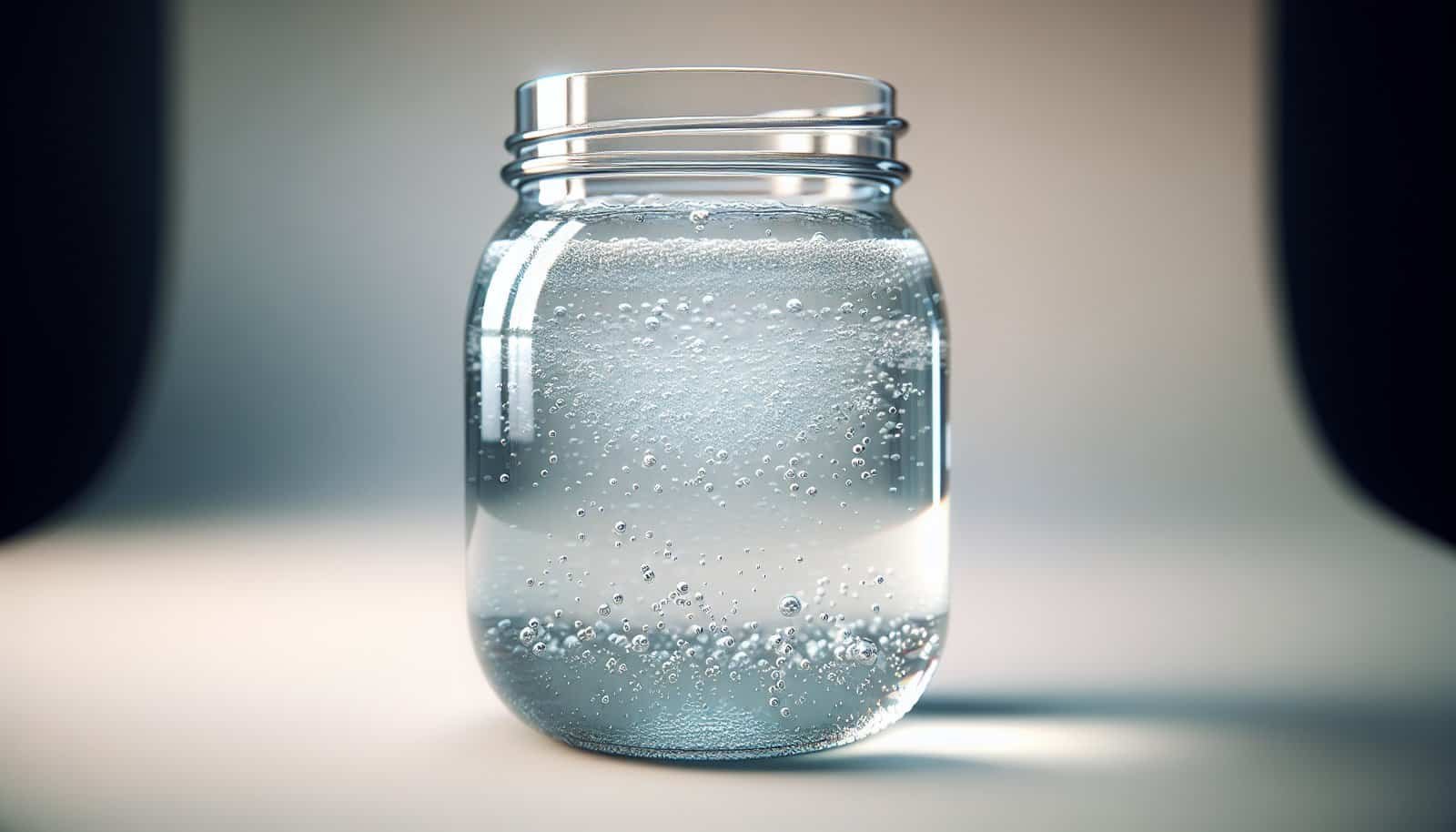
If your water looks milky and clears from the bottom up when left in a glass, it’s likely air bubbles introduced by the pump, a leaky check valve, or rapid pressure changes. This is usually harmless but annoying.
Fine sediment or silt
If the cloudiness doesn’t settle and particles are visible, you may have fine sand, silt, or degraded well screen materials entering the system. This often occurs when the well screen is damaged or the pump is too close to the bottom of the well.
Iron and manganese particles
Orange, red, or brown cloudiness usually indicates iron (ferric iron) particulates. Black or dark brown may indicate manganese. These metals can oxidize and precipitate, causing turbidity and staining.
Colloidal iron or organic iron
Some iron stays in tiny colloidal form and won’t filter out easily without specialized treatment. Organic matter, like decaying vegetation, can also cause yellowish or tea-colored turbidity.
Iron bacteria
Iron bacteria create slimy, often brownish or reddish deposits and foul odors. They can degrade pump performance and clog equipment.
Clay or silty aquifer material
If the aquifer has a high clay or silt content, seasonal changes or increased drawdown can mobilize fine particles, leaving cloudy water that’s hard to filter.
Bacterial contamination
Sometimes particulate matter is associated with bacteria. Cloudiness accompanied by bad smells, discoloration, or biological growth in plumbing should prompt testing for coliforms and other pathogens.
How to Diagnose the Cause
Diagnosing cloudiness is mostly visual and based on tests. Start simple and escalate to lab tests if needed.
Visual checks and simple tests
- Fill a clear glass and watch: if it clears from bottom to top within a few minutes, it’s likely air.
- Let the water sit overnight: if particles settle, it’s sediment; if the color persists, it might be dissolved compounds or bacteria.
- Smell and taste (cautiously): metallic, rotten egg, or sulfuric odors can indicate contamination requiring testing.
Basic well and system checks
- Inspect well cap and vent for damage or debris.
- Check for recent pump work, new pressure tanks, or plumbing changes.
- Note whether cloudiness is in hot, cold, or both taps and whether it’s intermittent or continuous.
Laboratory and field tests
For a thorough diagnosis, you’ll want lab testing. Recommended tests include:
- Turbidity measurement (NTU)
- Total coliform and E. coli bacteria
- Iron (ferrous and ferric) and manganese
- Total dissolved solids (TDS)
- pH and alkalinity
- Nitrate and sulfate
- Hardness (calcium and magnesium)
A water professional or state-certified lab can advise exactly which tests you need based on initial observations.
Visual clue table
| Appearance | Likely cause | Quick check |
|---|---|---|
| Milky/white, clears from bottom | Air bubbles | Fill glass, watch settling |
| Orange/red/brown | Ferric iron (particulate) | Let sit, look for sediment |
| Black/dark brown | Manganese or organic | Lab test for manganese |
| Yellow/tea-colored | Organic matter or dissolved iron | Lab test for organics & iron |
| Cloudy with slime or odor | Iron bacteria | Microbial testing and well inspection |
| Fine sand or gritty particles | Damaged screen or silt | Inspect pump depth; see sediment |
Treatment Options and How They Work
Depending on the root cause, treatments range from simple fixes to more complex systems. You’ll want to match the method to your diagnosis.
Air problems — simple fixes
If air is the problem:
- Check and replace leaky check valves or foot valves.
- Ensure the pump and fittings are properly sealed.
- Bleed air at faucets and purge plumbing after repairs. These fixes are inexpensive and often immediate.
Sediment filters
If fine particles are the issue, install sediment filtration:
- Cartridge filters (e.g., 5–50 micron) for light sediment.
- Backwashing sand or multimedia filters for larger volumes or finer material.
- Spin-down pre-filters to capture large debris before finer filters. Filter maintenance and cartridge replacement schedules depend on sediment load.
Iron and manganese removal
Treatment varies with type and concentration:
- Oxidation + filtration: Air injection or chemical oxidizers (chlorine, permanganate) convert dissolved iron to particulate form, then filters remove it.
- Greensand or manganese greensand filters: Effective for certain iron and manganese concentrations; require media regeneration.
- Birm and catalytic media: Work without chemicals for certain water chemistries (pH > 6.8 and oxygenated water).
- Water softeners: Can remove low levels of dissolved (ferrous) iron (typically <2–3 ppm) but will foul resin if iron is high or particulate.< />i>
- Sequestration with polyphosphates: Prevents iron from precipitating but does not remove it; useful for preventing staining at low iron levels.
Shock chlorination and bacterial issues
For iron bacteria or coliform bacteria:
- Shock chlorination of the well and plumbing can reduce bacterial loads temporarily.
- For persistent iron bacteria, chemical treatment and mechanical cleaning (surging, disinfecting) may be needed, or installation of continuous chlorination followed by carbon filtration.
- After chlorination, test to confirm bacteria elimination.
Reverse Osmosis (RO)
RO provides excellent particle and dissolved contaminant removal for point-of-use (drinking water) but is not a practical whole-house solution for high-volume needs. Use RO for drinking and cooking when cloudiness is due to dissolved minerals that RO can remove.
UV disinfection
If bacteria are detected, ultraviolet (UV) systems disinfect water without chemicals. UV does not remove sediment, iron, or other particles, so pre-filtration is necessary. Also, UV requires clear water to be effective.
Well rehabilitation and repair
If cloudiness stems from a damaged well screen or sediment intrusion:
- Well rehabilitation (surging, chemical treatment, and redeveloping the well) can restore proper function.
- Lowering or raising pump depth to avoid the aquifer’s silt layer may be necessary.
- If structural damage exists, well repair or replacement might be the only long-term solution.

Comparing Treatment Technologies
A table comparing popular treatment options helps you match solutions to your needs.
| Treatment | Best for | Pros | Cons | Maintenance |
|---|---|---|---|---|
| Cartridge sediment filter | Sand, silt, particulates | Low cost, easy install | Frequent replacement if high sediment | Replace cartridges periodically |
| Backwashing sand/multimedia filter | Moderate to heavy sediment | Regenerates automatically, good for whole-house | Requires periodic media replacement | Backwash cycles, occasional media replacement |
| Greensand / catalytic media | Iron & manganese | Effective for many iron/manganese issues | Requires regeneration and pH control | Regeneration with potassium permanganate or chlorination |
| Aeration + filtration | Dissolved iron/oxygenation | Chemical-free option | Larger footprint, needs maintenance | Aeration system upkeep, filter cleaning |
| Water softener | Dissolved iron and hardness | Dual-purpose (softening + some iron removal) | Resins foul with high iron; not for ferric iron | Resin regeneration, occasional cleaning |
| Chlorination + activated carbon | Iron bacteria or persistent organics | Kills bacteria and oxidizes iron | Requires handling chemicals, contact time, disposal | Chlorine dosing, carbon replacement |
| Reverse osmosis (point of use) | Drinking water, dissolved solids | High water quality | Wastewater and limited flow | Membrane replacement, pre/post filters |
| UV disinfection | Bacteria | Chemical-free disinfection | Requires clear water | Lamp replacement, pre-filtration needed |
Step-by-Step Fix Plan You Can Follow
Take these steps to move from problem to solution, in a logical order.
1. Observe and document the problem
Note when cloudiness occurs (time of day, after pump runs, only hot water, both, etc.). Document color, odor, and whether particles settle. This information guides testing.
2. Perform quick home checks
Check the well cap, vent, pressure tank, and recent plumbing work. Purge taps and see if clearing occurs.
3. Do simple tests
Fill a clear glass, watch settling, and test hot vs cold. These indicate air vs particles vs dissolved content.
4. Get water tested
Submit samples for turbidity, bacteria, iron, manganese, hardness, pH, and TDS. Use a certified lab or county/state health department.
5. Choose targeted treatment
Match the appropriate technology to lab findings. If bacteria are positive, treat immediately with professional guidance. For iron, pick oxidation + filtration option that suits concentration and water chemistry.
6. Install and commission the system
Have a licensed well or water treatment professional install larger systems (aeration, chlorination, greensand). For simple cartridge filters, you can often install them yourself with basic plumbing skills.
7. Maintain on schedule
Set a maintenance schedule for filter changes, regenerations, media replacement, and periodic retesting. Keep records of work and tests.

Well Maintenance to Prevent Cloudy Water
Ongoing maintenance helps you avoid recurring cloudy water.
Regular testing and inspections
Test your water annually for bacteria, and every 1–3 years for general chemistry. Inspect well caps, vents, and casing yearly.
Protect the wellhead
Ensure proper distance from septic systems, chemical storage, and livestock. Keep surface runoff away and maintain a sanitary well cap.
Watch pump and pressure tank performance
Irregular pump cycles, air in lines, or low pressure can indicate mechanical issues that affect water clarity. Address pump or tank problems promptly.
Seasonal considerations
After heavy rain, flooding, or construction, test water and consider temporary filtration until you confirm water quality is stable.
When to Call a Professional
Some problems require professional help:
- Persistent bacteria or iron bacteria issues
- High iron/manganese levels needing media-based solutions
- Damaged well screens or casing needing rehabilitation
- Complex system design (chlorination, aeration, large filtration systems) If you’re uncertain about diagnosis, get a water treatment specialist or licensed well driller to inspect and recommend solutions.
How Do I Maintain a Constant Water Temperature?
You may also be concerned about water temperature consistency in addition to clarity. Temperature affects comfort, appliance performance, and microbial growth. Here’s how to understand and maintain steady water temperature.
Why water temperature matters
Consistent water temperature improves comfort for showers and cleaning, protects pipes from freezing, reduces the risk of scalding, and can influence the growth of bacteria (warmer water sometimes encourages microbial growth).
Understand groundwater temperature basics
Groundwater temperature tends to be relatively stable year-round and approximates the average annual air temperature in your area or the mean annual temperature for the soil. Typical well water temperatures in many regions range from 45°F to 55°F (7–13°C), but this varies by depth and climate.
What causes temperature fluctuations in your plumbing?
- Long pipe runs exposed to sunshine or cold climates
- Seasonal changes near shallow supply or cisterns
- Heat loss in uninsulated hot water lines
- Hot water cooling while sitting in pipes during low use periods
- Inconsistent water heater operation (e.g., dips in supply due to demand)
Strategies to maintain constant water temperature
You can choose one or several of these approaches depending on whether you want to stabilize hot water, cold water, or both.
Insulate water lines and tanks
Insulate both hot and cold pipes, especially in unheated spaces like crawlspaces, attics, and exterior walls. Insulating the hot water tank reduces standby heat loss. This is usually inexpensive and effective.
Bury water lines below frost line
For cold temperature stability and to prevent freezing, ensure buried water lines are below the frost line and use appropriate insulation. Deeper burial also taps more stable underground temperatures for long runs.
Use heat tracing where needed
For critical exposed runs in cold climates, electric heat tape or heat cable can maintain line temperature and prevent freezing. These systems usually have thermostatic control to turn on at set temperatures.
Install a hot water recirculation system
Recirculation pumps keep hot water moving so you get immediate hot water at taps and avoid temperature swings. Systems can be timer-based, demand-activated, or continuous. Demand-activated units keep energy use lower.
Use a thermostatic mixing valve or tempering valve
A thermostatic mixing valve blends hot and cold water to maintain a safe, constant delivery temperature at fixtures, reducing scald risk and delivering stable temperature even if supply temperatures vary.
Consider water heater type and sizing
Tankless (on-demand) water heaters provide hot water at the outlet temperature you set and can avoid a lot of fluctuation if sized appropriately. Storage tanks can deliver stable temperatures but require good insulation and adequate recovery capacity.
Install a tempering or buffer tank
For systems with variable inputs (e.g., solar water heating combined with well water), a buffer tank smooths out temperature variations before delivery.
Optimize water heater settings and controls
Set a consistent water heater thermostat and use external control systems if needed for multiple heaters or complex setups. Consider anti-scald devices for safety if you maintain higher thermostat settings.
Temperature management comparison table
| Solution | Best for | Pros | Cons | Maintenance |
|---|---|---|---|---|
| Pipe insulation | General temperature stability | Low cost, easy | Doesn’t heat pipes, only reduces loss | Minimal |
| Burying lines below frost line | Freeze prevention, stable cold water | Long-term stability | Cost of trenching | None after install |
| Heat trace | Exposed pipes in cold areas | Prevents freezing reliably | Energy cost, requires power | Inspect controls and tape |
| Hot water recirculation | Instant hot water, stable delivery | Convenience, reduced water waste | Energy use if continuous | Pump maintenance |
| Tankless water heater | On-demand hot water | Stable outlet temp, energy efficient | Sizing complexity | Descaling for hard water |
| Thermostatic mixing valve | Stable outlet temp, anti-scald | Safety and consistency | Needs proper install | Annual check/calibration |
| Buffer/tempering tank | Systems with variable inputs | Smooths fluctuations | Takes space, cost | Periodic inspection |
Practical tips for energy efficiency while maintaining temperature
- Use demand-activated recirculation rather than continuous when possible.
- Insulate hot water tank and pipes to minimize heat loss.
- Lower water heater thermostat slightly and use mixing valves to prevent scalding while saving energy.
- If using heat trace, choose thermostatically controlled systems that only run when needed.
Installation and safety considerations
- Follow local plumbing and electrical codes for heat tracing, recirculation pumps, and water heaters.
- Install pressure-relief valves and expansion tanks where appropriate if you change heater settings.
- If you add chemical treatment (e.g., chlorination), ensure mixing and contact time don’t adversely affect temperature control devices.
- For homes with children or elderly, set thermostatic mixing valves to safe temperatures (commonly 120°F / 49°C) to prevent scalding while ensuring pathogen control when necessary.
Putting It All Together: An Action Checklist
Use this checklist to address cloudy water and temperature stability efficiently.
- Observe and document the cloudiness (color, smell, settling behavior).
- Check wellhead, vents, pump, and pressure tank for visible issues.
- Fill a glass and test settling to distinguish air from particles.
- Get a lab test for bacteria, iron, manganese, turbidity, pH, and hardness.
- Based on results, choose targeted treatment: sediment filter, greensand, aeration, softener, shock chlorination, or well rehabilitation.
- For temperature: insulate pipes, consider recirculation, set heater thermostat, and use mixing valves where needed.
- Schedule professional help if bacteria, well damage, or complex treatment systems are involved.
- Maintain systems: change filters, backwash, disinfect, and retest water annually or after any major event.
When You Should Be Concerned About Health Risks
If your tests show coliforms, fecal coliform, or other pathogens, use boiled or bottled water for drinking and contact your local health department immediately. Persistent odors, slime, or discolorations that don’t respond to standard treatment warrant professional intervention.
Final Advice
You can often fix cloudy well water by diagnosing the appearance and behavior of the turbidity, doing targeted tests, and applying the right treatment—whether that’s a simple sediment filter, aeration and filtration for iron, shock chlorination for bacteria, or well rehabilitation for structural problems. For stable water temperature, focus on insulation, line placement, recirculation, and proper water heater selection and controls. Keep records of tests and maintenance, and don’t hesitate to call a licensed well or water treatment professional when problems persist or when treatment involves chemicals or complex equipment.
If you want, tell me what the cloudy water looks like, whether it affects hot or cold taps, and any recent changes to your well or plumbing. I can help you narrow down likely causes and suggest specific next steps.
Sources
The guidance in this article is informed by the following authoritative sources:
- USGS — Ground Water — U.S. Geological Service data on groundwater levels, well construction, and water quality.
- EPA — WaterSense — EPA guidance on water conservation and water quality standards.
- CDC — Water and Wellness — Centers for Disease Control and Prevention guidance on safe drinking water.
External links open in a new tab. Verify current details with the source before relying on them.