
Published: December 02, 2025 | Last updated: September 25, 2026
By Robert Harrison, Certified Well Inspector
Robert has 20+ years of experience inspecting and testing residential water wells across the western US.
From inspecting residential wells over the past two decades, I can tell you this: most well problems start small and get expensive the longer they are ignored. The guidance below reflects what I have actually seen in real well systems, not just what the manuals say.
You want to know the geothermal well drilling benefits in Springfield, OH? This 2026 guide answers that directly for Springfield and the wider Ohio Valley: the real energy savings, current drilling costs, the payback period, and the incentives you can stack — so you can decide whether a ground-source system makes financial sense for your property. If you live elsewhere in a four-season climate, the same math applies; the local numbers below just make Springfield the clearest case study.
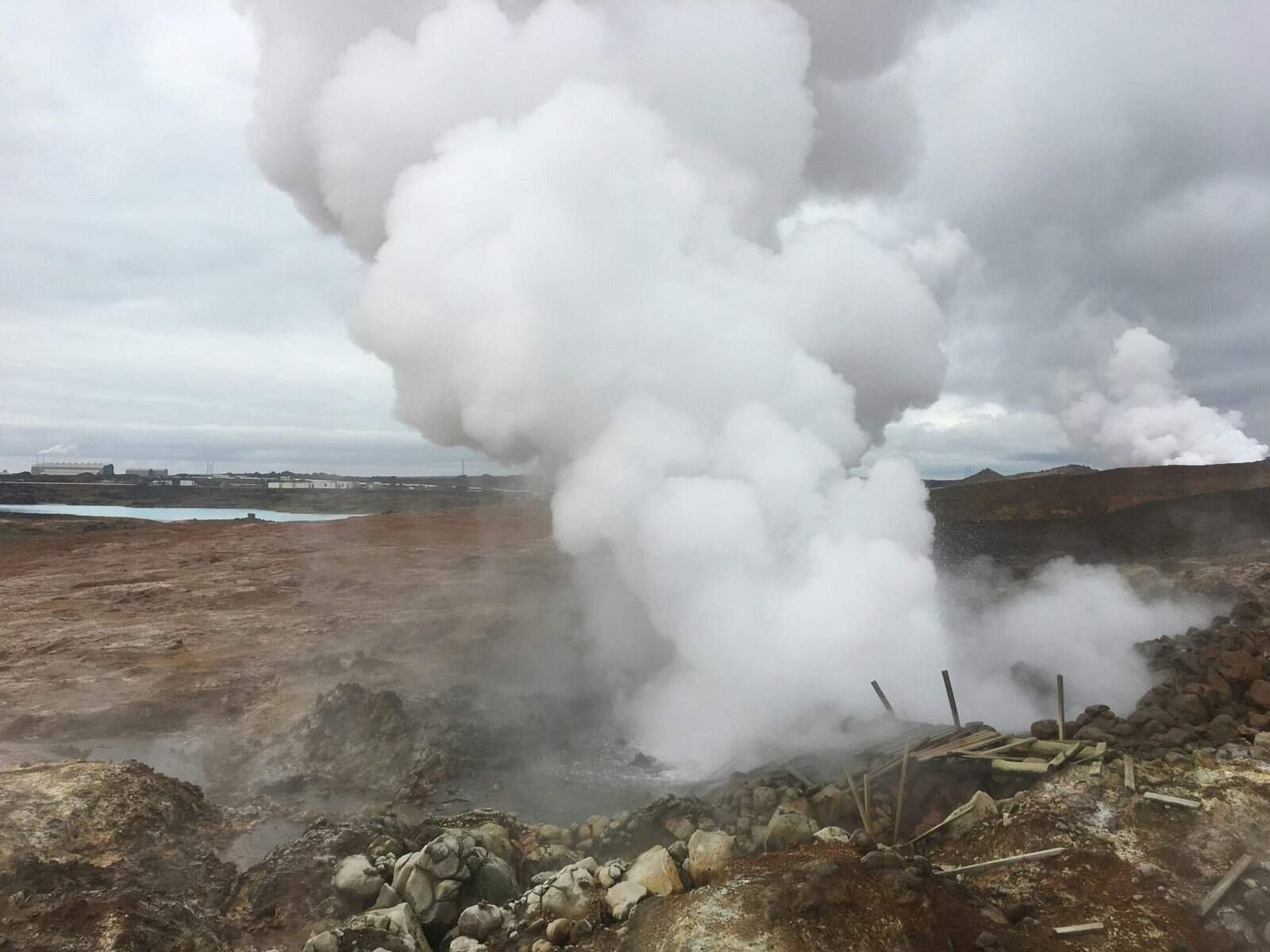
What are geothermal wells and why they matter
Geothermal wells tap into the stable temperatures beneath your property to provide heating, cooling, and sometimes hot water. You use the Earth as a heat source in winter and a heat sink in summer, which makes the system highly efficient and reliable.
This section gives you a clear sense of what geothermal wells are and why they matter for energy savings, comfort, and long-term sustainability.
The basic concept: ground as a thermal battery
You can think of the ground as a giant thermal battery that stores the sun’s energy and stable subterranean heat. Geothermal systems use fluid-filled pipes and heat pumps to move heat between your building and the earth.
The temperature a few meters below ground remains relatively constant year-round, so you get predictable performance instead of relying on outside air temperatures.
Types of geothermal wells and loops
There are several configurations: closed-loop vertical wells, closed-loop horizontal systems, open-loop systems that use groundwater, and direct-use geothermal wells for very hot resources. Each type fits different site conditions and budgets.
You should match the system type to your land availability, geology, water availability, and heating/cooling needs.
How geothermal wells work
Understanding the mechanics helps you evaluate whether geothermal is right for you. The system uses a heat pump, a loop field (ground heat exchanger), and distribution components inside your building.
These elements work together to transfer heat efficiently, offering both heating and cooling from the same equipment.
Heat pumps and the refrigeration cycle
The heat pump moves heat using a refrigeration cycle. In winter, it extracts heat from the ground loop and moves it into your building; in summer, it removes heat from your building and transfers it to the ground.
You’ll find geothermal heat pumps have higher coefficients of performance (COPs) compared with air-source heat pumps because the ground temperature is more stable.
Ground loop types: vertical vs horizontal
Vertical loops use boreholes drilled deep into the ground and are space-efficient. Horizontal loops are laid in trenches and require more land but can be less expensive to install where drilling costs are high.
Selecting between vertical and horizontal loops depends on your property size, soil conditions, and drilling budgets.
Closed-loop vs open-loop systems
Closed-loop systems circulate a refrigerant or antifreeze solution through buried pipes, while open-loop systems pump groundwater directly through the heat pump and return it to the ground or a drain.
Open-loop systems can be very efficient but are dependent on a reliable and compliant groundwater source.
Advantages of geothermal wells — an overview
Geothermal wells offer many benefits: lower operating costs, reduced carbon emissions, consistent comfort, and long equipment life. You’ll find them particularly attractive if you plan to stay in your property long-term.
This section breaks down the advantages in practical terms so you can weigh them against upfront costs and site constraints.
Energy efficiency and lower utility bills
Geothermal systems typically use 25%–50% less electricity than conventional heating or cooling systems. You’ll notice lower monthly energy bills, especially for heating.
Over time, energy savings can offset installation costs and make geothermal competitive with other HVAC systems.
Year-round comfort and performance stability
Because the ground temperature is stable, you get consistent heating and cooling performance regardless of extreme outdoor temperatures. You’ll avoid the drop in efficiency air-source systems face during very cold or hot weather.
That stability also reduces peak demand stress on utility grids and enhances indoor comfort.
Reduced greenhouse gas emissions
By using a renewable heat source (the ground) and highly efficient heat pumps, geothermal systems cut greenhouse gas emissions compared to fossil-fuel boilers or electric resistance heating.
If you pair geothermal with low-carbon electricity, your home or business can approach very low operational emissions.
Long lifespan and low maintenance
Ground loops can last 50+ years and heat pump units typically last 20–25 years. You’ll spend less time dealing with frequent replacements and more time enjoying steady performance.
Routine maintenance is usually limited to occasional checks and filter replacements, so your long-term maintenance burden is smaller than for many conventional systems.
Higher resale value and market appeal
Properties with efficient, renewable HVAC systems often sell more quickly and at a premium. Buyers appreciate lower operating costs and better comfort, so you may see a return on your investment when you sell.
You should document system performance and warranties to maximize resale benefits.
Small footprint and quiet operation
Geothermal systems have minimal outdoor equipment compared to air-source units, which have larger condensers and fans. You’ll enjoy quieter operation and less visual impact.
This is particularly helpful in tight urban lots or in settings where aesthetics and noise control matter.
Versatility: heating, cooling, and hot water
Many geothermal systems can include desuperheaters or integrated water heaters to provide domestic hot water. You’ll get multiple services from a single low-energy system.
This can further increase your overall energy savings and simplify your building systems.
Lower operating costs in many climates
Geothermal systems perform well in extreme climates because they rely on ground temperature rather than outdoor air. You’ll frequently see better savings where heating or cooling loads are heavy.
Even in mild climates, the improved efficiency can justify the installation for long-term savings.
Where geothermal wells are most beneficial
Not every property is ideal for geothermal wells, but you’ll often find the greatest benefits in regions with high heating or cooling demands and stable subsurface conditions.
This section helps you determine whether geothermal makes sense for your specific situation.
Residential use
Geothermal is a strong option for single-family homes and multi-family buildings where you plan to stay long-term. You’ll see sustained energy bill reductions and steady comfort.
Homes with landscaped yards or large lots are good candidates for horizontal loops; smaller lots often suit vertical drilling.
Commercial and institutional use
Commercial buildings, schools, and hospitals with predictable heating/cooling loads benefit from geothermal’s reliability and long lifespan. You’ll get reduced operating budgets and improved indoor air quality.
District heating schemes and campus systems can use large-scale loops or shared wells for greater economies of scale.
Industrial and agricultural use
Processes that require consistent temperature control or district greenhouse heating can use geothermal wells effectively. You’ll find direct-use geothermal and combined heat and power (CHP) pairings useful in these contexts.
Assessing resource temperature and availability is essential for viability in industrial applications.
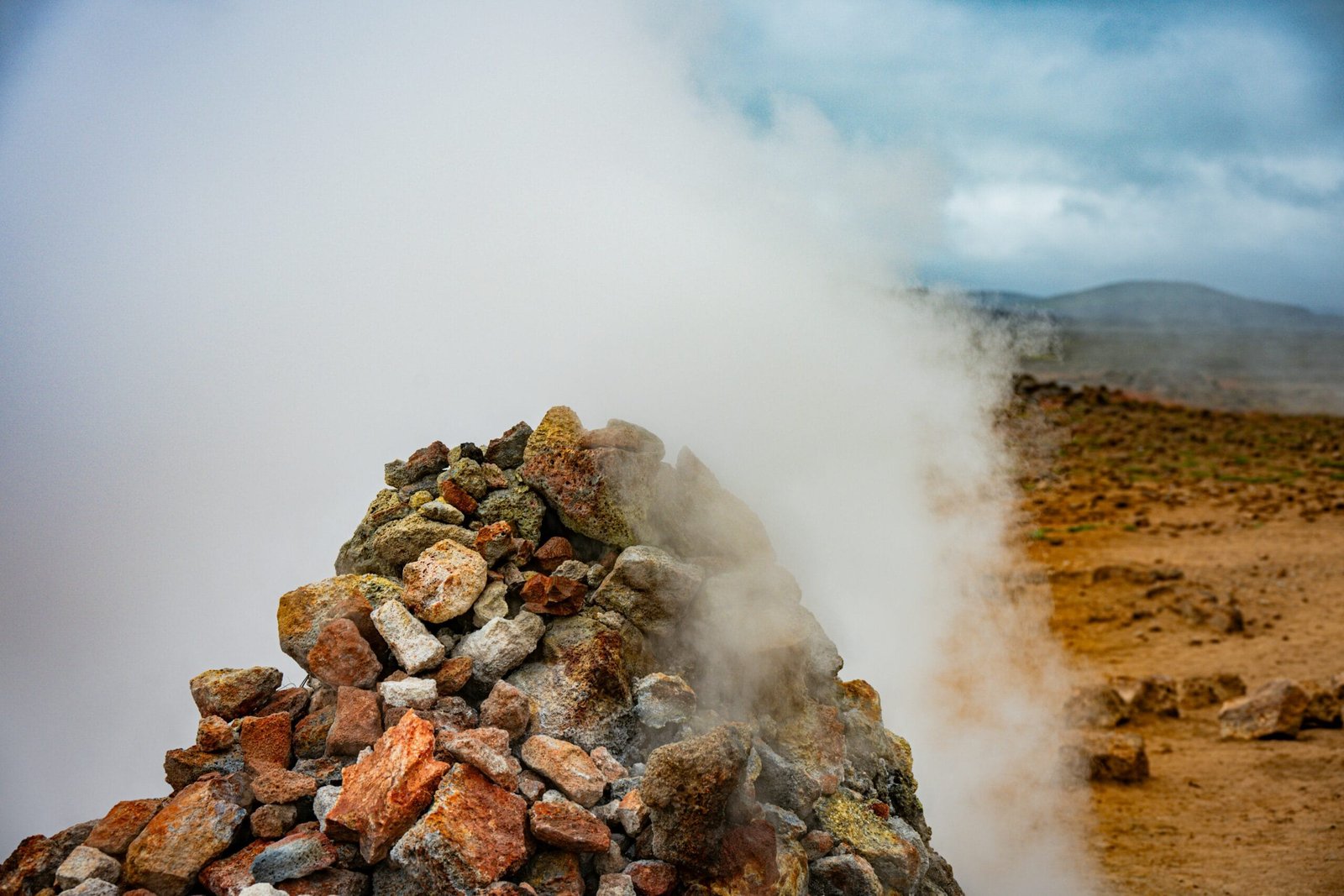
Geothermal well drilling benefits in Springfield, Ohio (2026)
Geothermal well drilling benefits show up most clearly when the local climate and utility rates make the payback period short. Springfield, Ohio is a strong case study. It sits in the heart of the Ohio Valley, where winters run cold enough to demand real heating load and summers are humid enough to make air conditioning a second, heavy energy bill. That double load is exactly where a ground-source (geothermal) system earns its keep, because it replaces two separate, inefficient systems with one that moves heat instead of burning fuel to make it.
Springfield is served by AEP Ohio, and Clark County households (ZIP codes 45501 through 45506, including New Carlisle and Yellow Springs) use roughly 900 to 1,200 kWh per month for a typical home. A geothermal heat pump typically uses 40 to 60 percent less electricity for heating and cooling than a conventional furnace-and-central-AC setup, so even at the local rate, the annual savings are large enough that many Springfield systems reach payback in under a decade, faster when you stack on the incentives below.
Why Springfield, and similar Ohio Valley towns, are good candidates
- High annual heating and cooling load. Four distinct seasons with a real winter heating season and a humid summer cooling season mean the heat pump runs hard all year, which is when it saves the most.
- Stable subsurface temperatures. At 4 to 6 feet down the ground holds a nearly constant 50 to 55 degrees year-round, so the loop is a reliable heat source in January and a heat sink in August.
- Typical lot sizes. Most Springfield homes have enough yard for a horizontal or vertical loop; vertical bores fit smaller lots, which matches the urban core.
- Deregulated electricity with a fixed benchmark. Because Ohio lets you compare suppliers against AEP Ohio default rate, a lower electricity bill compounds the geothermal savings.
Drilling costs versus benefits in this market
The main upfront cost is the ground loop and drilling. A residential vertical loop in the Springfield area typically lands in the same range as the national average for a single-family home, and the benefits are the reduced bill, near-zero maintenance, a 25-year-plus loop life, and often a higher resale value. For a detailed breakdown of what a drilling rig charges and how depth and geology move the price, see our complete guide to well drilling costs in 2026 and the homeowner guide to drilling a water well — the same rig, geology, and depth factors that price a water well apply to the boreholes in a geothermal system.
Economic considerations and payback
Costs vary widely, but you’ll typically see a higher upfront investment and lower operating costs. Understanding the payback period, incentives, and lifecycle costs helps you make an informed decision.
This section outlines the financial picture and options to reduce your initial outlay.
Upfront costs and factors affecting price
Installation costs depend on drilling depth, geology, loop type, equipment size, and local labor rates. Vertical systems are usually more expensive per foot of loop but may be necessary on small lots.
You should get multiple quotes and consider site surveys to estimate realistic costs.
Payback period and savings estimates
Typical payback periods range from 5 to 20 years depending on local energy prices, incentives, and the system’s size. You’ll shorten payback if electricity or fossil fuel costs are high, or if generous tax credits are available.
Running a lifecycle cost analysis comparing geothermal to alternatives helps you predict long-term outcomes.
Incentives, rebates, and financing
Many jurisdictions offer tax credits, rebates, and low-interest financing for geothermal installations. You should research federal, state/provincial, and local incentives to reduce your net cost.
Some programs require certified installers, so check eligibility requirements before committing.
Return on investment and resale value
Over the system’s lifetime, energy savings plus increased property value can give you a positive ROI. You’ll typically get the most return if you remain in the property long enough to realize energy savings and sell to a buyer who values energy efficiency.
Documenting utility bills and system performance enhances perceived value for buyers.
Environmental and regulatory considerations
Geothermal systems have environmental benefits, but you’ll need to manage drilling impacts, groundwater protection, and permit requirements. Proper planning keeps your project compliant and minimizes environmental risk.
This section outlines common regulatory and environmental points to address.
Groundwater protection and contamination risk
Drilling and well construction must prevent cross-contamination between aquifers. You’ll need proper casing, grouting, and adherence to local well construction standards.
Consult hydrogeologists or licensed drillers to ensure the work protects water quality.
Permits and local regulations
Permitting requirements vary widely. You’ll likely need drilling permits and environmental approvals in many locations. Understanding local codes avoids delays and fines.
Contact local authorities early and obtain all required permits before construction begins.
Habitat and surface disturbance
Horizontal trenching can disrupt landscaping and habitats. You’ll want to plan with a contractor to minimize disturbance and restore your site afterward.
Preserving mature trees and sensitive areas often affects loop layout and installation method.
Installation process and timeline
Knowing what to expect during installation helps you manage schedules, budgets, and disruptions. Installation includes site assessment, drilling or trenching, loop installation, heat pump setup, and commissioning.
This section gives a step-by-step view so you can prepare your property and household.
Site assessment and design
You’ll start with a site assessment that evaluates heating/cooling loads, soil conditions, water table depth, and space constraints. The designer sizes the system and selects loop type accordingly.
Accurate load calculations prevent oversized or undersized systems that reduce efficiency.
Drilling or trenching
Drilling vertical boreholes takes specialized equipment and may take a few days per borehole, depending on depth and geology. Horizontal trenching can be faster but requires more surface area and trenching equipment.
You should plan for some noise, machinery access, and temporary disruption during this phase.
Loop installation and backfilling
Once pipes are installed, the contractor performs pressure testing, connects loops to the inside heat pump, and backfills boreholes with grout or soil to ensure proper thermal contact.
Proper grouting helps conductivity and prevents contamination of groundwater.
Mechanical installation and commissioning
Indoor work includes installing the geothermal heat pump, pumps, controls, and tying into your building’s ductwork or hydronic distribution system. The contractor then commissions and tests the complete system.
A full commissioning ensures the system runs as designed and that you understand operation and maintenance.
Operation, maintenance, and expected lifetime
Your geothermal system is relatively low-maintenance, but consistent attention to certain tasks keeps performance up and extends life.
This section explains what you should do annually and periodically.
Routine maintenance tasks
You’ll typically perform annual checks on fluid levels, pumps, filters, and heat pump operation. Replace air filters, clean coils, and inspect electrical connections.
Keep a maintenance log and schedule professional inspections every few years.
Expected component lifetimes
Ground loops can last more than 50 years; heat pumps usually last 20–25 years. Circulation pumps and other mechanical parts may need replacement sooner.
Budget for eventual replacement of indoor units while benefiting from the long-lived loop.
Signs of trouble and troubleshooting
Decreased efficiency, unusual noises, or temperature swings indicate issues. You should check filters, pump flow, and refrigerant levels and contact your installer if problems persist.
Early detection prevents costly failures and maintains efficiency.

Common myths and misconceptions
There are misunderstandings about geothermal systems—costs, complexity, and effectiveness in cold climates. Clearing these myths helps you make a realistic decision.
This section addresses typical concerns and corrects mistaken ideas.
Myth: Geothermal only works in volcanic areas
Geothermal heating at moderate depths uses ground temperatures, not volcanic activity, so it’s widely applicable. You’ll find geothermal viable in many climates and under many surface conditions.
High-enthalpy geothermal for electricity generation requires hotter resources, but most residential geothermal systems do not.
Myth: Geothermal is always prohibitively expensive
While upfront costs are higher than conventional systems, incentives and lower operating costs can make geothermal economically attractive over time. You should calculate lifecycle costs rather than comparing only initial price.
Financing options often spread the initial expense over time.
Safety considerations during and after installation
Safety during drilling and in ongoing operation is critical. Proper well construction and monitoring prevent hazards such as methane intrusion, well blowouts, or groundwater contamination.
This section covers key safety practices you should expect your contractor to follow.
Well construction standards and worker safety
Licensed drillers follow well construction codes, use appropriate casing and grout, and implement safety measures to protect workers and nearby properties. You should confirm qualifications and insurance before work begins.
Proper site safety protocols prevent accidents and maximize long-term well integrity.
Monitoring and leak prevention
Regular checks for leaks, pump failures, and ground loop integrity protect your system. You’ll want baseline water quality testing if you use an open-loop system.
Promptly addressing small issues prevents bigger safety or environmental problems.
How do I deal with methane gas in my well?
Methane in wells can be a serious safety and health concern. You’ll need to take careful, measured steps to identify, mitigate, and prevent methane hazards.
This dedicated section walks you through identification, immediate actions, mitigation methods, and regulatory concerns.
Recognizing methane: signs and tests
Methane presence can manifest as bubbling in water, a strong gas odor, unusual well pressure, or flammable water (you can sometimes ignite the gas above water). You should never try open flames as a test; instead, use professional gas detectors and lab testing.
Have your well water tested by an accredited lab for dissolved methane and complete a gas composition analysis to determine whether it’s biogenic or thermogenic methane.
Table: Symptoms and testing methods for methane in wells
| Symptom/Observation | Possible Cause | Recommended Test/Action |
|---|---|---|
| Bubbling or fizzing in water | Dissolved gas release | Lab test for dissolved gases; gas chromatography |
| Odor resembling natural gas | Presence of hydrocarbons | Gas detector and lab gas analysis |
| Gaseous layer or leaks near wellhead | Well casing or seal issue | Visual inspection, pressure testing |
| Flammable water when gas is present | High methane concentration | Contact professionals; eliminate ignition sources |
Immediate safety steps you should take
If you suspect methane, stop using potential ignition sources near the well, ventilate poorly ventilated spaces, and avoid using electrical switches in enclosed areas near the well. You should also shut off water appliances that could allow gas to accumulate indoors.
Contact a qualified well professional or geologist immediately for testing and evaluation.
Identifying the source: shallow vs deep methane
Methane in wells can be biogenic (from shallow organic decomposition) or thermogenic (deeper natural gas). You’ll need isotopic and compositional gas testing to determine source and guide mitigation.
Understanding source helps decide whether surface sealing, deeper casing, or venting is needed.
Permanent mitigation strategies
Common mitigation strategies include improving casing and grouting to prevent gas migration, installing venting systems that safely release gas above the building, and in some cases, installing gas recovery systems that capture methane for beneficial use or flaring.
Select mitigation based on the methane concentration, source, well construction, and local regulations.
Table: Common methane mitigation methods and when to use them
| Mitigation Method | When to Use | Pros | Cons |
|---|---|---|---|
| Re-casing and grouting | Gas migrating along casings or shallow pathways | Fixes migration paths; durable | Can be costly and requires professional drilling |
| Sub-slab or wellhead venting | Low to moderate gas release, risk to indoor air | Relatively low cost; immediate risk reduction | Gas released to atmosphere (GHG); requires safe vent location |
| Gas collection and treatment | High concentrations or for beneficial use | Captures gas for energy; reduces emissions | Complex, expensive for small sites |
| Abandoning and re-drilling well | Severely compromised wells | Eliminates contaminated or hazardous well | High cost; may be infeasible in short term |
Indoor air concerns and mitigation
If methane enters basements or indoor plumbing, you’ll need to prevent accumulation by sealing plumbing vents, improving building ventilation, and installing combustible gas detectors. You should avoid ignition sources until the issue is resolved.
Professional indoor air quality testing helps confirm whether action is necessary.
Water treatment vs gas mitigation
Water treatment systems (aeration, granular activated carbon) can remove dissolved organics but won’t solve subsurface gas migration. You’ll need both gas mitigation and water treatment based on test results.
A combined approach addresses both safety (gas) and water quality (taste/odor/contaminants).
Regulatory and reporting requirements
Some jurisdictions require you to report methane in water wells to environmental agencies. You should check local regulations and cooperate with authorities for public health and safety reasons.
Permits may be required for mitigation work, and professionals often must follow specific construction standards.
Working with professionals
You should engage certified well drillers, hydrogeologists, or environmental engineers experienced in methane issues. They’ll perform proper diagnostics, design mitigation, and ensure compliance.
Obtain multiple expert opinions if recommended actions are costly or complex.
Integrating methane considerations into geothermal projects
If you’re planning geothermal wells, plan baseline testing for methane and other gases before drilling. You’ll avoid surprises and design loops to minimize risks.
This section explains how to mitigate methane risks during geothermal planning and construction.
Pre-drilling surveys and baseline tests
Before geothermal drilling, you should do baseline groundwater testing, soil gas surveys, and evaluate nearby gas wells or natural gas formations. This helps identify potential methane presence.
Early detection informs well placement, casing depth, and necessary precautions.
Well design and casing for gas-prone areas
Design your boreholes with appropriate casing, grout, and seals to prevent gas migration. Vertical boreholes can be cased to different depths to isolate gas-bearing strata.
Your designer and drilling contractor should include gas mitigation measures in the geothermal design if required.
Monitoring after installation
After installation, periodic monitoring for dissolved gases and checking wellhead integrity helps you detect any later issues. You’ll want a testing schedule based on local risk levels and regulations.
Timely monitoring preserves safety and prevents expensive remedial work.
Case studies and practical examples
Seeing examples helps you relate to real-world outcomes. This section provides brief case scenarios to illustrate advantages and methane handling.
Residential retrofit scenario
You decide to replace an aging furnace with a geothermal heat pump. After evaluation, a vertical loop is drilled due to limited yard space, and a desuperheater is added for hot water. Your energy bills drop significantly and noise levels fall.
Baseline methane testing before drilling confirms no gas risk, so standard casing and grouting proceed.
Rural property with methane concern
You own a property near a legacy gas field. Baseline testing finds dissolved methane at low to moderate levels. The mitigation plan includes additional casing, improved grout, and a wellhead vent located away from structures.
Gas detectors are installed indoors and the well is monitored annually; water is treated through aeration for taste and odor.
Frequently asked questions (short answers)
This rapid FAQ gives you quick answers to common geothermal and methane questions.
Will geothermal work on a small urban lot?
Yes. Vertical boreholes make geothermal feasible on small lots, though drilling costs may be higher.
Can geothermal systems provide hot water?
Yes. Desuperheaters or integrated water heaters can supply domestic hot water.
Is methane in well water harmful?
Methane itself is not toxic at typical levels, but it is flammable and can create explosion hazards in enclosed spaces and cause taste/odor issues.
How do I know if my well has methane?
Have water and gas tests performed by accredited labs and professionals; visual signs like bubbling or odors are clues but not definitive.
Will geothermal drilling increase methane risk?
Proper drilling practices, casing, and grouting minimize migration risks. Baseline testing and careful design are essential.
What are the geothermal well drilling benefits in Springfield, Ohio?
The big ones are lower annual energy bills (typically 40 to 60 percent off a conventional furnace-and-AC setup), near-zero maintenance, a 25-year-plus loop lifespan, quieter operation, and often a higher resale value. Springfield sits in the Ohio Valley with a real winter heating load and humid summers, so the heat pump works hard year-round and the payback period is shorter than in milder climates. Check AEP Ohio rates and current federal and Ohio incentives before you budget, since the incentives can cut the net cost meaningfully.
Making the decision: is geothermal right for you?
Weigh upfront costs, long-term savings, site suitability, and environmental goals. If you plan to stay in the property for many years and want stable, efficient heating and cooling, geothermal is often a strong option.
Include methane risk assessment in your pre-installation planning if you are in areas with known gas presence.
Steps you should take next
- Arrange a professional site assessment and load calculation.
- Request baseline groundwater and gas testing if relevant.
- Obtain multiple installation bids and check references.
- Research available incentives and financing.
- Plan for regular monitoring and maintenance.
Summary: key advantages and final considerations
Geothermal wells give you efficient, reliable heating and cooling with low emissions, long equipment life, and improved comfort. You’ll invest more up front but enjoy lower operating costs and potential increases in property value.
Address methane risks proactively with testing, proper well construction, and professional mitigation if needed. With the right planning and contractors, geothermal can be a safe, effective, and environmentally responsible choice for your property.
If you want, you can ask for a checklist tailored to your property to help you evaluate feasibility and next steps.
See Also
How Much Does Well Drilling Cost in 2026? Complete Guide — rig types, depth pricing, and what moves your quote
How Much Does It Cost to Drill a Water Well in 2026 — the same geology and depth factors that price a water well
How to Fill In an Old Well 2026: Sealing, Fill Methods & Costs — what to do with a well you are replacing
Sources
The guidance in this article is informed by the following authoritative sources:
- USGS — Ground Water — U.S. Geological Service data on groundwater levels, well construction, and water quality.
- EPA — WaterSense — EPA guidance on water conservation and water quality standards.
- CDC — Water and Wellness — Centers for Disease Control and Prevention guidance on safe drinking water.
External links open in a new tab. Verify current details with the source before relying on them.