
?Are rodents or insects getting into your well and contaminating your water, and do you want reliable ways to stop them and extend the life of your well?
How Do I Keep Rodents And Insects Out Of My Well?
You rely on your well for clean, safe water, and pests can create major health and maintenance problems. This article lays out practical, safe, and effective steps you can take to keep rodents and insects out of your well and to extend the life of your water system.
Why keeping pests out of your well matters
Pests introduce bacteria, parasites, and organic debris that can make your water unsafe and damage pumps and equipment. Protecting your well preserves your water quality, reduces maintenance costs, and prolongs the well’s usable life.
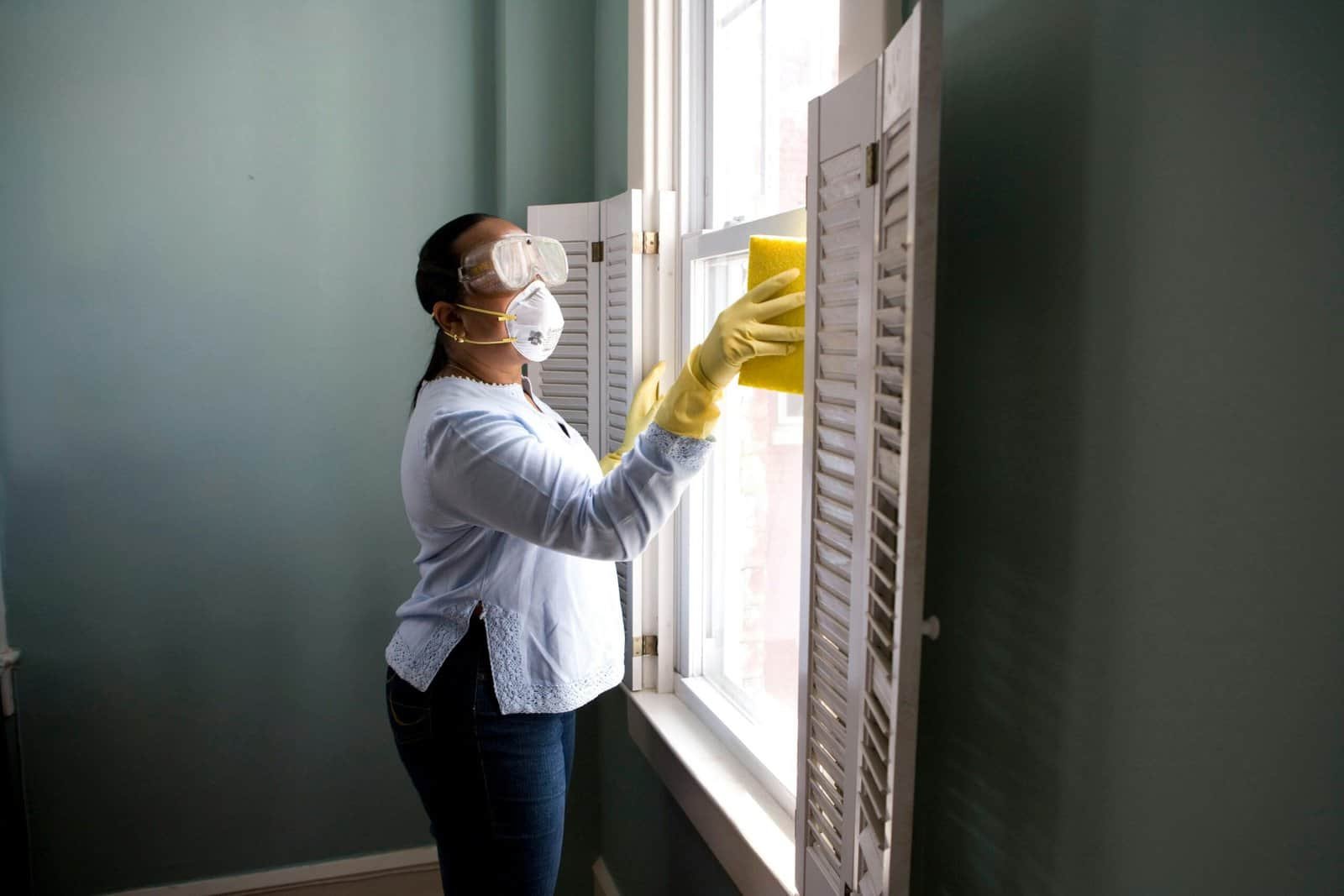
Common pests that invade wells
Knowing what you’re dealing with helps you choose the right prevention and remediation measures. Common invaders include rodents, insects, and occasional wildlife visitors.
Rodents (rats, mice, squirrels)
Rodents can chew through seals and wiring, fall into open wells, and introduce fecal contamination. You should treat rodent prevention as both a structural and hygiene issue to protect your water supply.
Insects (flies, mosquitoes, ants, cockroaches)
Insects can breed in standing water or enter through gaps and vents, potentially carrying pathogens or blocking equipment. Controlling moisture, screening openings, and removing attractants help reduce insect problems.
Larger wildlife (raccoons, bats, birds)
Larger animals may access well sites and contaminate surfaces around the casing or cap. You should secure the well head and surrounding area to keep these animals away.
How contaminants get into wells
Contaminants can enter through open or damaged well caps, cracked casings, faulty seals, poorly finished grouting, or surface water pooling near the well. Understanding these entry routes helps you prioritize repairs and preventive measures.
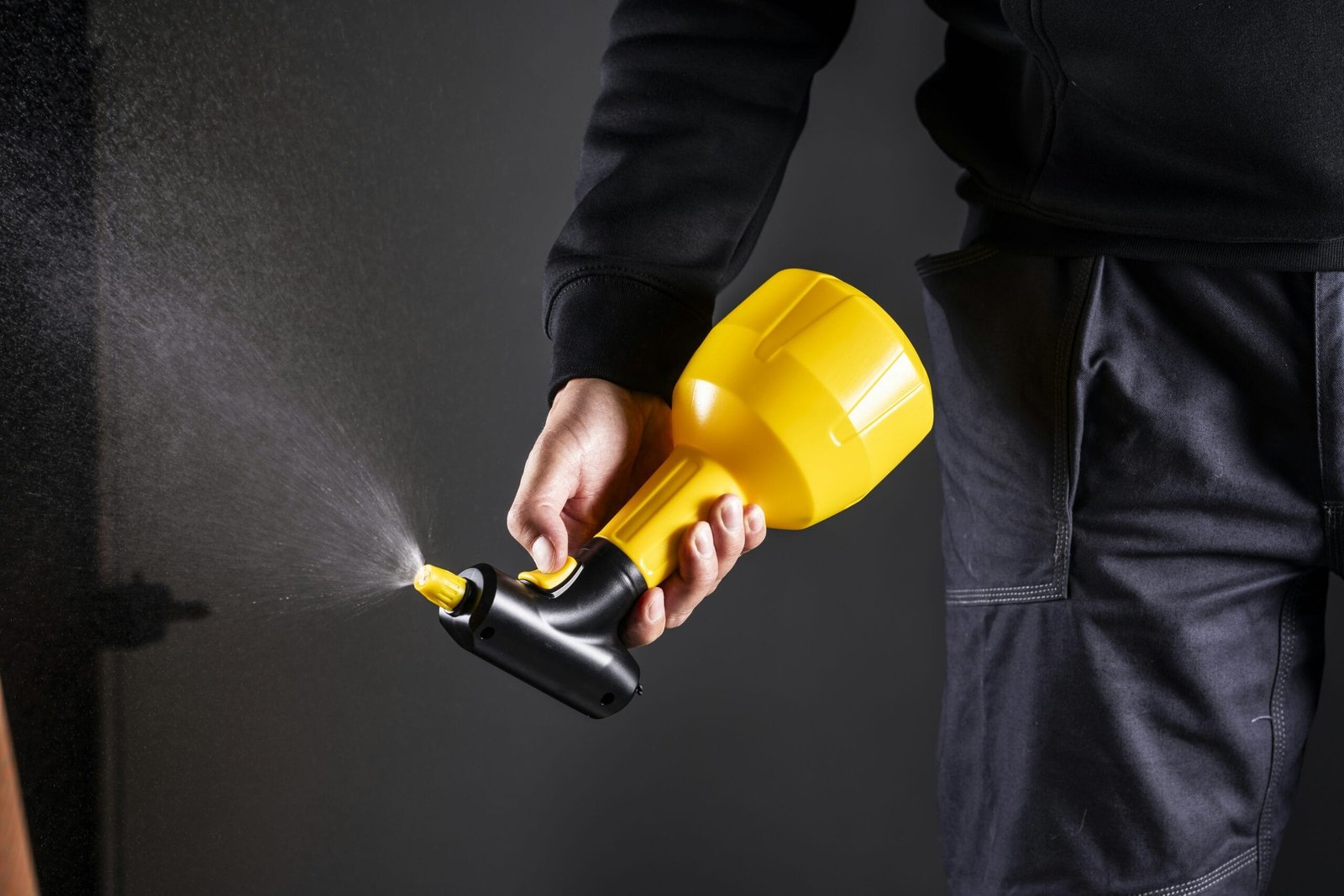
Inspecting your well: what to look for
Regular inspections let you spot vulnerabilities before they become serious problems. You should check caps, seals, casings, vents, electrical entries, and surrounding drainage.
Visual inspection checklist
A short checklist makes inspections efficient and consistent. Use this checklist during every inspection to note issues and schedule repairs.
| Item to Inspect | What to look for | Action if problem found |
|---|---|---|
| Well cap | Cracks, missing bolts, loose fit | Replace or tighten cap immediately |
| Sanitary seal | Deformation, missing sealant | Reseal or call a pro |
| Casing | Corrosion, cracks, holes | Repair or replace casing |
| Vent screen | Tears, missing mesh | Replace screen with appropriate mesh |
| Surface drainage | Pooling water near well | Regrade or install drainage |
| Surroundings | Food, garbage, debris near well | Remove attractants and clean area |
| Access hatch | Proper latch, no gaps | Repair or add lock/latch |
When to schedule professional inspection
If you find structural damage, foul odors, visible contaminants, or suspect groundwater contamination, call a licensed well contractor or environmental professional. You should also schedule a professional inspection whenever you buy a property or after major weather events.
Physical barriers and seals
The most reliable way to keep pests out is to physically block entry points. Properly installed and maintained barriers prevent both small insects and larger animals from accessing the well.
Well cap and sanitary well seal
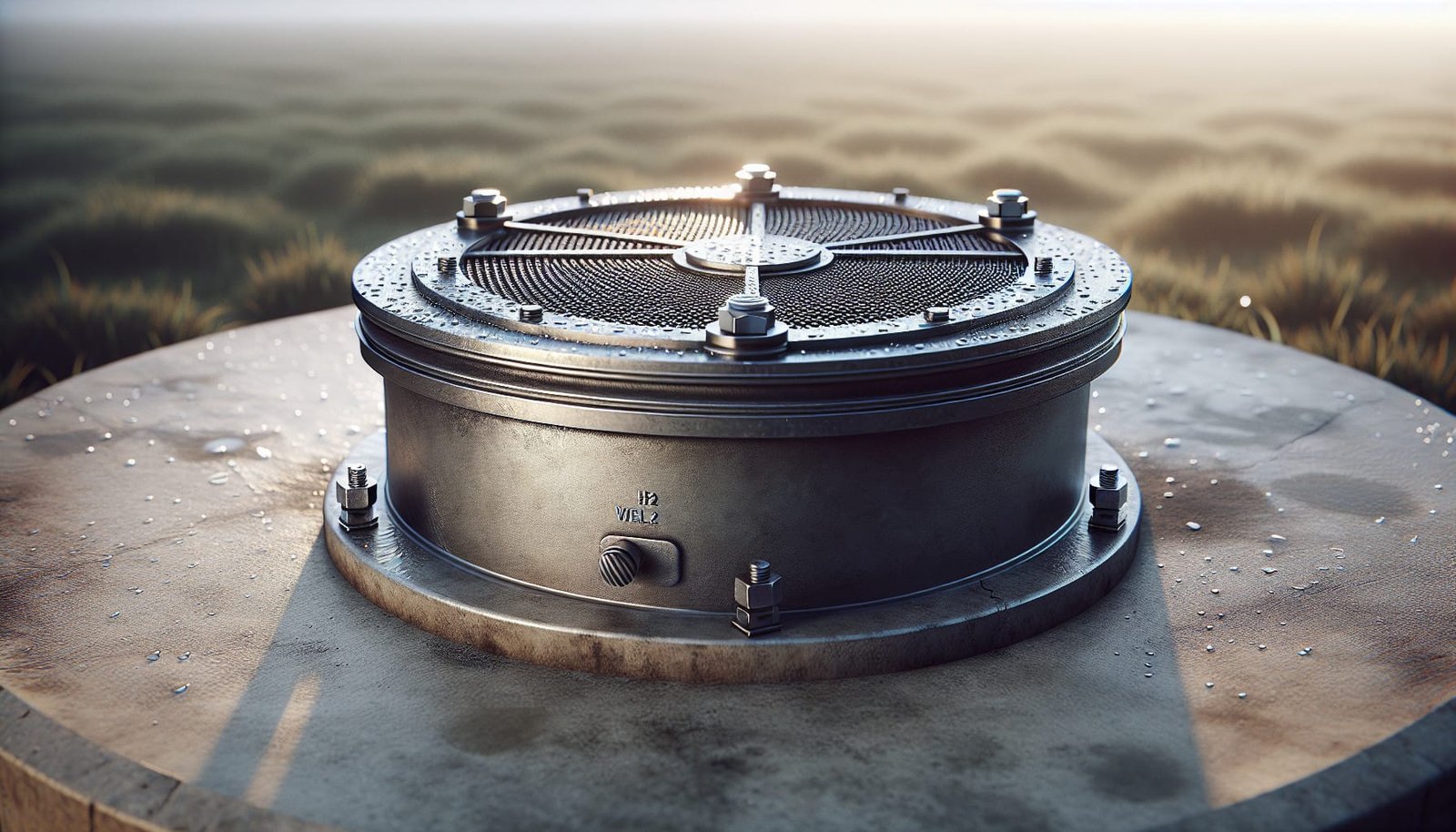
A secure, vermin-proof well cap and a properly fitted sanitary seal are essential for almost every well. You should use caps designed to fit your well type and ensure seals are inspected annually.
Riser and casing integrity
The well casing and riser should be intact and extend above ground to prevent surface water from entering. You should repair any cracks or corrosion immediately to prevent contamination and animal entry.
Vent screens and mesh sizes
Vents allow the well to “breathe,” but they must be protected with screens that exclude pests without restricting airflow. Use corrosion-resistant mesh with hole sizes appropriate for the pests you’re blocking—commonly 1/16″ to 1/8″ for most insects.
Concrete or metal well caps
Concrete and heavy-duty metal caps offer durable, rodent-resistant protection when installed correctly. You should prefer these over thin plastic caps in areas with persistent wildlife or vandalism.
Grouting and annular seals
Proper grouting around the casing prevents surface water and pests from traveling along the outside of the casing into the aquifer. Ensure grouting is continuous and conducted by a professional during well construction or major repairs.
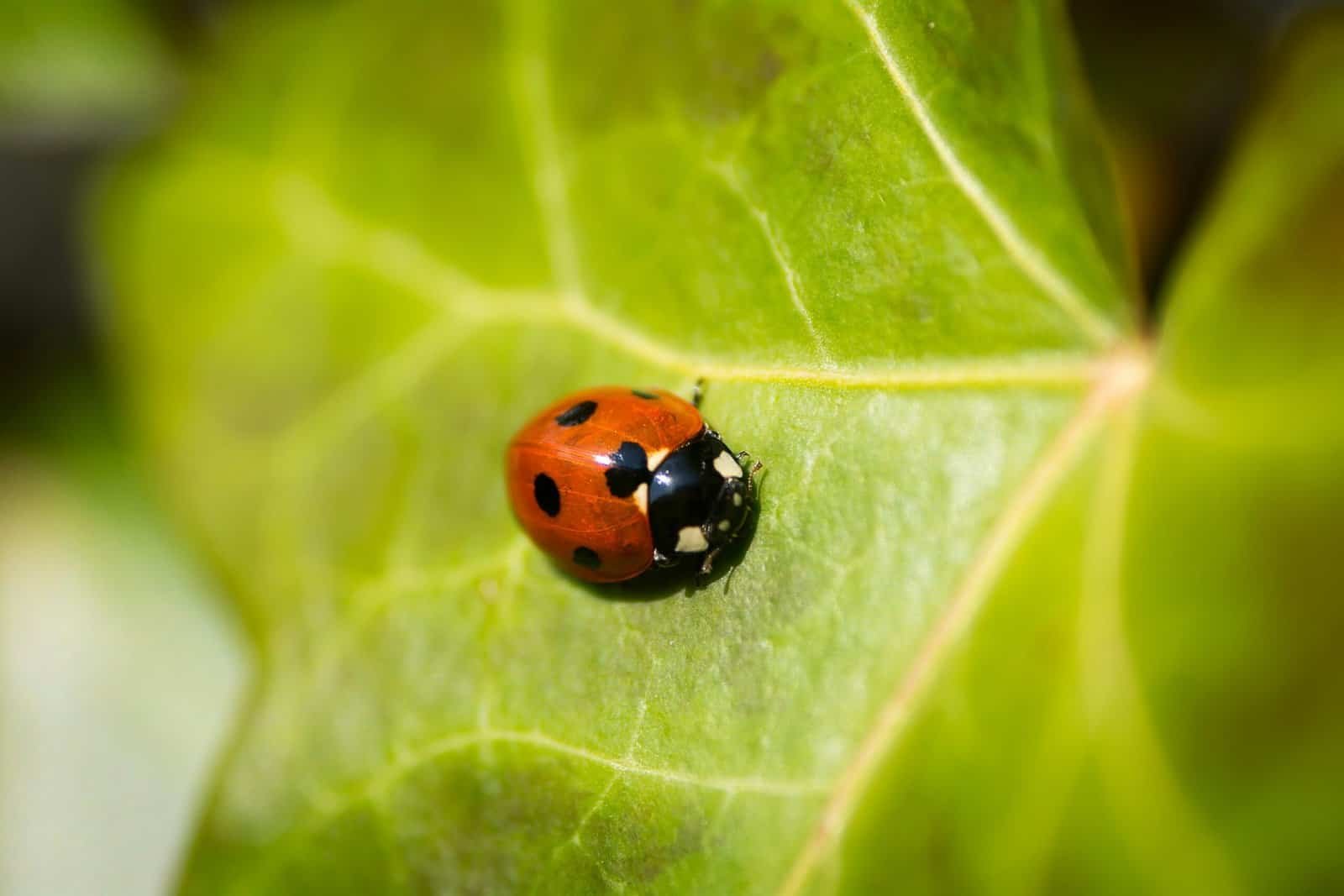
Site and surface management
Controlling the area immediately around the well reduces pest attraction and prevents water pooling that can invite insects and contaminate the casing.
Drainage and grading
Grade the soil so water flows away from the well, and ensure gutters and runoff don’t direct water toward the casing. You should create a positive drainage slope to protect both the well structure and water quality.
Vegetation and landscaping around the well
Keep grasses and shrubs trimmed and avoid planting fruiting plants or dense cover near the well that attract rodents and insects. You should maintain a 3–6 foot clear radius around the well to allow inspection and reduce harborage.
Removing attractants and food sources
Avoid storing feed, pet food, or compost near the well site, and secure trash containers to reduce rodent and insect forage. You should also inspect sheds and outbuildings close to the well for pest activity.
Protecting the pump house or well pit
If you have a pump house or well pit, keep doors sealed, vents screened, and floors clean and dry. You should consider rodent-proof elevation for any fuel tanks or chemicals to prevent spills and pest access.
Entry points and common repairs
Pests exploit small gaps, deteriorated seals, and utility penetrations. Identifying and repairing these weak points prevents reoccurrence.
Utility and wiring penetrations
Seal around cables and pipes with non-shrink grout, expanding foam suitable for potable water wells, or specialized well sealants. You should use materials approved for contact with wells and avoid creating spaces rodents can chew through.
Concrete pad or slab cracks
Cracked slabs at the well collar allow rodents and surface contaminants to infiltrate. You should patch cracks with appropriate hydraulic cement and ensure the slab slopes away from the casing.
Access hatch and lock improvements
A lockable access hatch deters unauthorized access and larger animals but should still allow easy access for maintenance. You should use tamper-resistant fasteners and weatherproof seals.
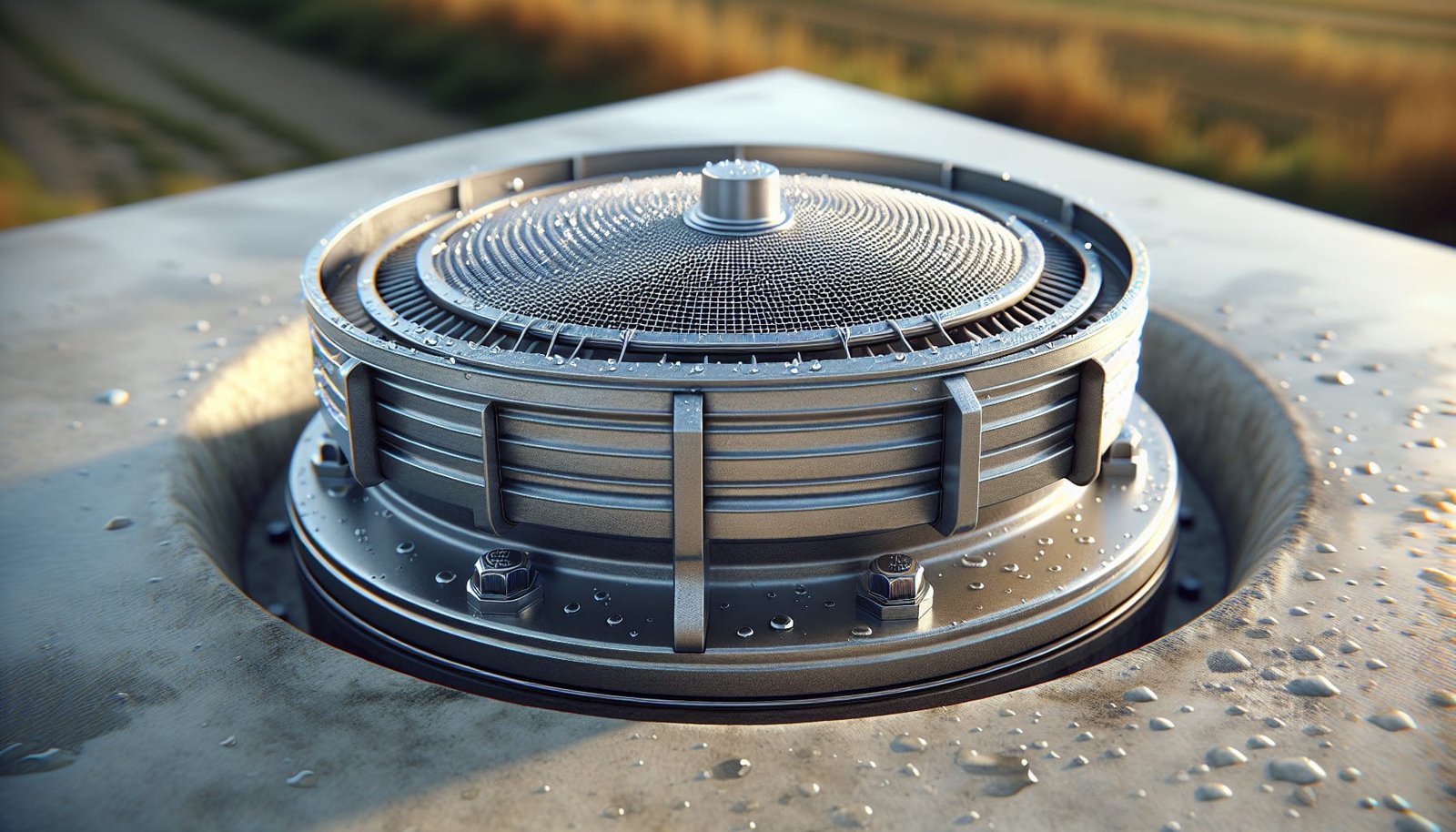
Rodent-proofing strategies
Rodents chew, squeeze, and burrow, so you must use a combination of exclusion, habitat modification, and behavioral deterrence. Multiple methods increase the likelihood of success.
Exclusion: mesh, collars, and barriers
Install heavy-gauge stainless steel mesh, concrete collars, or metal skirts around the base of the casing to deny rodents entry. You should ensure any barrier extends several inches below grade to prevent burrowing underneath.
Habitat modification: remove shelter and food
Trim vegetation, remove stacked firewood, and close gaps in nearby structures to reduce places rodents hide and nest. You should also clean up spilled seed, pet food, and other attractants promptly.
Traps: types and placement
Mechanical traps are effective when used properly and can reduce rodent populations without chemicals. You should place traps along suspected runways and near the well—outside the immediate well collar to avoid disturbing the well itself.
| Trap type | Pros | Cons | Best use |
|---|---|---|---|
| Snap traps | Quick kill, inexpensive | Requires proper placement and baiting | Small-scale rodent control near well site |
| Live-catch traps | Humane, reusable | Need release or euthanasia, less reliable | For catch-and-release programs a distance from the well |
| Electronic traps | Fast, sanitary | More expensive, battery required | Indoor or tool-outbuilding use near well equipment |
| Bait stations (with rodenticide) | Effective for larger infestations | Poison hazards to pets, children, wildlife | Use only with professional oversight and away from well opening |
Rodenticides: use with caution
Poison baits can be effective but pose risks to non-target animals and increase the chance of carcass contamination near the well. You should involve a licensed pest-control operator when using toxicants and never place baits where they can enter the well.
Insect-proofing strategies
Insects require different tactics than rodents; focus on moisture management, screening, and eliminating breeding sites. You should combine exclusion with source reduction for lasting control.
Mesh screens and sealed vents
Screen vents and openings with fine mesh appropriate to the insect size to keep out flies, mosquitoes, and ants. You should choose non-corroding materials like stainless steel or UV-resistant fiberglass.
Eliminate standing water
Remove containers and low spots that hold water where insects breed, and fix leaky fittings and drains near the well site. You should inspect the area after storms and during wet seasons.
Insecticide use around wells
Insecticides can be used outside the immediate well opening but must never be applied in a way that risks contaminating the water. You should follow label directions carefully and consult professionals for treatments near potable water sources.
Biological and natural controls
Consider bat houses or bird boxes placed at a safe distance to encourage natural pest predators, and use beneficial nematodes or bacteria for localized insect control where appropriate. You should verify these options are suitable for your pest species and local ecosystem.
Safe treatment options for contaminated wells
If your well becomes contaminated by pests, you need to disinfect and address the physical failure that allowed contamination. Disinfection removes pathogens, but structural fixes prevent recurrence.
Shock chlorination
Bleach-based shock chlorination can disinfect wells contaminated by fecal matter or animal carcasses. You should follow a protocol appropriate to your well type and water system and consider hiring a professional for correct dosing and contact time.
Mechanical cleaning
In some cases, you may need to remove debris, carcasses, or nests from the top of the well or pump house. You should use gloves, proper tools, and follow safety steps to avoid personal exposure and further contamination.
When to call a professional
If disinfection fails, contamination persists, or you detect dangerous pathogens, call a licensed well contractor or public health authority. You should also hire professionals for structural repairs and when the contamination source is unclear.
Water testing and monitoring
Regular testing confirms whether your prevention efforts are working and whether water remains safe for consumption. You should test for bacteria, nitrates, and other contaminants on a set schedule and after any suspected contamination event.
Recommended testing frequency
Test for total coliform bacteria and E. coli at least once a year, and more frequently after repairs, heavy rains, or animal intrusion. You should expand testing to include nitrates, metals, or pesticides if you suspect other contamination sources.
| Test type | Why test | Recommended frequency |
|---|---|---|
| Total coliform & E. coli | Indicators of fecal contamination | Annually and after any intrusion |
| Nitrate | Agricultural runoff or septic influence | Annually if you have shallow well or nearby agriculture |
| Lead, iron, manganese | Corrosion and taste/odor issues | Every 2–3 years or if you notice changes |
| VOCs/pesticides | Nearby industrial or farming activity | As needed based on local risk |
| Conductivity/alkalinity | General water chemistry | Baseline, then as needed |
Interpreting results and next steps
If tests show contamination, follow public health guidance: stop using water for drinking and food prep until it’s cleared. You should also disinfect the system where appropriate and correct physical problems that caused the contamination.
Maintenance schedule and checklist
A proactive maintenance routine prevents pest entry and prolongs well life. You should set reminders and keep records of inspections, repairs, and tests.
Monthly tasks
Perform quick visual checks for signs of damage, pest activity, and pooling water. You should clear debris from caps and remove attractants right away.
Quarterly tasks
Inspect vent screens, check seal integrity, and examine surrounding landscaping. You should test and calibrate any equipment and repair small issues before they worsen.
Annual tasks
Schedule a professional inspection, test water quality, and re-tighten or replace the well cap and seals if needed. You should also consider shock chlorination following major repairs or confirmed contamination.
| Frequency | Tasks |
|---|---|
| Monthly | Visual check of cap, remove debris, check for pooling water |
| Quarterly | Inspect screens, seals, and surrounding vegetation; check traps |
| Annually | Professional inspection, water testing, cap/seal maintenance |
Materials and products comparison
Choosing the right materials makes your pest-proofing efforts more durable and effective. You should select materials based on local conditions, pest types, and compatibility with potable water systems.
| Material | Best uses | Pros | Cons |
|---|---|---|---|
| Stainless steel mesh | Vent screens, small openings | Corrosion-resistant, durable | Higher cost |
| Galvanized metal | Heavy-duty caps, collars | Strong, rodent-resistant | Can corrode over time |
| Concrete | Slabs, permanent collars | Very durable, pest-proof | Heavy, requires professional installation |
| UV-resistant fiberglass mesh | Vent screens | Lightweight, corrosion-resistant | Less durable than stainless steel |
| Approved well sealant/grout | Filling gaps and penetrations | Designed for potable wells | Must be applied correctly |
Costs and budgeting
Costs vary by the complexity of your well, local labor rates, and materials chosen. You should budget for both preventive measures and occasional professional services.
| Task | Typical cost range (USD) | Notes |
|---|---|---|
| Basic cap replacement | $50–$300 | Depends on cap type and size |
| Sanitary seal installation | $150–$600 | Professional installation recommended |
| Vent screen replacement | $20–$100 | DIY possible with correct mesh |
| Grouting or cement repairs | $300–$1,500 | Professional work likely required |
| Professional inspection & water test | $150–$400+ | Costs vary by tests requested |
| Shock chlorination (pro) | $100–$400 | DIY kits cheaper but riskier if done incorrectly |
DIY vs. professional services
You can handle simple tasks like replacing vent screens or clearing vegetation, but serious repairs and contamination treatments deserve professional attention. You should weigh your comfort level, tools, and legal requirements before attempting major work.
When to do it yourself
Replace worn screens, keep vegetation trimmed, and do routine visual checks if you’re comfortable and follow safe procedures. You should always use materials rated for potable water systems when working near the well head.
When to hire a pro
Call a licensed well contractor for casing repairs, grouting, major contamination, pump removal, or when local regulations require professional involvement. You should also hire experts if you suspect chemical contamination or if a structural repair could affect the aquifer.
Legal and regulatory considerations
Local and state rules may govern well construction, repair, and disinfection. You should check with your health department or well-drilling regulatory body before major work.
Permits and documentation
Some jurisdictions require permits for well repairs, pump replacements, or grouting. You should maintain records of inspections, repairs, and water tests for regulatory and resale purposes.
Environmental and public health rules
Disinfecting or applying chemicals around a well may have regulatory limitations to protect groundwater resources. You should consult local authorities if you’re unsure about permissible actions.
Emergency steps if you find contamination or pest intrusion
If you spot animal carcasses, fecal contamination, or test results indicating bacteria, take immediate steps to protect health and prevent further damage. You should act calmly but decisively.
Immediate personal safety steps
Stop using well water for drinking and cooking until the water is tested and deemed safe. You should follow public health guidance for safe water use and provide alternate water sources if necessary.
Containment and cleanup
Secure the well head to prevent further intrusion, remove visible debris from the immediate area with protective gear, and call a professional if there’s structural damage. You should consider shock chlorination after removing contaminants, but only after addressing the entry point.
Seasonal considerations
Pest risks and water vulnerability change with the seasons, so adapt your inspections and prevention accordingly. You should increase vigilance during warm months when insects are active and during freeze-thaw cycles that can damage seals.
Spring and summer
Mosquitoes, flies, and active rodents are more likely to be problematic. You should ensure screens and drainage are in top condition and remove breeding sites.
Fall and winter
Rodents look for warm shelter, and freezing temperatures may crack components if moisture infiltrates. You should check seals before winter and insulate or protect exposed equipment.
Frequently asked questions (FAQs)
These common questions help clarify typical concerns and practical steps you can take. You should read them and follow up with professionals if any situation seems unclear or risky.
Can a small gap in the well cap let rodents or insects in?
Yes, even small gaps let insects and tiny rodents enter, and these pests can introduce contaminants. You should secure and inspect the cap regularly and replace seals that show wear.
Are standard household insecticides safe around wells?
Household insecticides can be hazardous if applied improperly and may risk contaminating your water. You should avoid spraying near the well opening and consult professionals before applying chemicals on-site.
How often should I shock chlorinate my well?
Shock chlorination isn’t a routine task; it’s appropriate after confirmed contamination or major well work. You should consult local public health guidance or a well professional for frequency in your area.
Can animal burrows near the well cause contamination?
Yes, burrows can direct surface water and contaminants near the well casing and provide rodent access to the site. You should eliminate burrows and install barriers or collars where needed.
Will a screened vent prevent all insects?
A properly sized and maintained screen greatly reduces insect intrusion, but you must also address nearby breeding sites and other entry points. You should inspect screens annually and after storms.
Practical checklist to get started today
This short checklist helps you take immediate, effective action to protect your well. You should follow these steps and schedule follow-ups based on findings.
- Inspect the well cap and vents for visible damage. Replace or repair if needed.
- Clear vegetation and potential attractants from a 3–6 foot radius. Remove standing water.
- Seal around pipes and cables with acceptable well sealants. Avoid leaving gaps.
- Test your water for bacteria immediately if you suspect contamination. Use certified labs for reliable results.
- Schedule a professional well inspection and sanitation if you find damage or contamination. Keep records of all work and test results.
Conclusion and final recommendations
Protecting your well from rodents and insects is both a structural and ongoing management task, and you should use a layered approach: physical exclusion, site maintenance, monitoring, and professional support when needed. By inspecting regularly, sealing vulnerabilities, managing the surrounding site, and testing your water, you’ll reduce health risks and extend the life of your water well.
If you have a specific problem—visible pests in the well, positive bacterial tests, or structural damage—consider contacting a licensed well contractor or your local health department for tailored guidance and safe remediation. Your well is an essential resource, and careful attention will keep your water safe and your system lasting longer.