
Published: December 05, 2025
By Lisa Martinez, Water Quality Specialist
Lisa holds a degree in Environmental Science and specializes in private well water safety and treatment.
From inspecting residential wells over the past two decades, I can tell you this: most well problems start small and get expensive the longer they are ignored. The guidance below reflects what I have actually seen in real well systems, not just what the manuals say.
? Do you know whether your water comes from a private well or a municipal system, and how that affects your responsibilities, costs, and water quality?
What’s The Difference Between Private Wells And Municipal Water?
You’ll find that private wells and municipal water differ in source, oversight, cost responsibilities, and the level of treatment the water receives before it reaches your tap. Understanding those differences helps you make better decisions about maintenance, testing, and investments in efficiency and safety.
Source and supply
Your private well draws groundwater directly from an aquifer beneath your property, usually through a drilled or dug opening. Municipal water comes from community-managed sources—surface water like rivers and reservoirs or large groundwater withdrawals—then is treated and distributed through a piped infrastructure.
Ownership and responsibility
If you have a private well, you own the well, the pump, and the plumbing up to the property line, and you’re responsible for upkeep, testing, and repairs. When you’re served by a municipal system, the water utility owns and maintains the supply infrastructure; you’re responsible for internal plumbing, but the utility handles source protection and distribution system maintenance.
Regulation and testing
Municipal systems are regulated by federal and state agencies and must meet drinking water standards, report results, and provide annual consumer confidence reports. For private wells, there is typically no mandatory federal testing schedule; you must arrange and pay for periodic testing and act on the results.
Treatment and disinfection
Municipal water is treated centrally—filtration, disinfection (often with chlorine or chloramine), and sometimes additional steps like fluoridation or corrosion control. With a private well, you may get untreated groundwater; you’ll often need point-of-entry (whole-house) or point-of-use (under-sink) treatment if contaminants, hardness, or odors exist.
Water quality and contaminants
Groundwater from wells tends to be protected from some surface contaminants but can have naturally occurring substances such as arsenic, manganese, iron, or radon, as well as nitrate from agricultural runoff and bacteria from nearby septic systems. Municipal water can be susceptible to distribution system contaminants, occasional disinfection by-products, or treatment chemical residues, but it must be monitored and controlled.
Reliability and interruptions
Municipal systems generally provide higher reliability, with redundancy, backups, and professional operations to respond to outages. Your well’s reliability depends on aquifer yield, pump condition, power availability, and seasonal levels; you may experience drying during drought or pump failures that you must fix.
Cost and economics
You pay municipal fees, consumption charges, and sometimes infrastructure surcharges, but you’re not responsible for major capital repairs to treatment plants or distribution mains. With a private well, you avoid monthly water bills to a utility, but you pay up-front capital costs for drilling and pumps, plus ongoing testing, electricity for pumping, and repair or replacement costs when equipment or the well fails.
Water pressure and flow
Municipal systems typically provide consistent pressure and supply adequate flow for multiple fixtures. Well systems may deliver variable flow depending on pump size, well yield, pressure tank condition, and demand; you may notice reduced flow if the pump is undersized or the well is strained.
Seasonal variations and drought response
Municipal systems manage supply across a service area and may implement conservation restrictions during drought. Your well is more sensitive to local conditions; a lowering water table can reduce yield or stop the well. You’ll need contingency plans like hauling water, installing a deeper well, or using a backup supply.
Environmental impacts
Municipal supplies can involve large-scale environmental impacts from reservoir creation, source diversions, or energy use in treatment and distribution. Private wells, while generally lower in systemic footprint, can affect local groundwater if many nearby wells overdraw the aquifer or if contamination from on-site sources occurs.
Property and legal considerations
Owning a private well often affects property value and transfer disclosures; you’ll need to provide test results and maintenance history when selling. Municipal service eases transactions, but you’ll still be responsible for internal plumbing issues at sale time. Local codes may mandate setbacks between wells and septic systems or other features.
Installation and infrastructure
A private well system includes the well bore or casing, screen, pump (submersible or surface), pressure tank, pressure switch, and piping. Municipal systems include large-scale treatment plants, pump stations, storage reservoirs or towers, and distribution mains. You’ll need to consider lifetime and replacement schedules for each system element.
Maintenance and lifespan
Well components like submersible pumps often last 10–20 years depending on use and water quality, while well casings can last much longer. Municipal infrastructure is maintained by the utility, but aging pipes can still lead to breaks and boil-water advisories; you’re less likely to be surprised by sudden, high-cost repairs with municipal service.
Health considerations and when to test
If you have a private well, you should test at least annually for bacteria (total coliform, E. coli) and nitrates, and test for other contaminants like arsenic, lead, radon, or VOCs depending on local geology and land use. If municipal water has an advisory or you notice a change in taste or odor, contact your utility and consider in-home filters for additional protection.
Comparison Table: Private Well vs Municipal Water
You’ll find this side-by-side view useful when considering trade-offs. The table highlights key differences in responsibilities, costs, treatment, and testing.
| Feature | Private Well | Municipal Water |
|---|---|---|
| Ownership | You own well & equipment | Utility owns sources & mains |
| Upfront cost | Drilling, pump, installation | Connection fee, sometimes hookup |
| Ongoing cost | Electric pump operation, testing, repairs | Monthly bill, occasional assessments |
| Regulation | Limited; homeowner-initiated testing | Regulated; regular reporting required |
| Treatment | Often none; homeowner responsibility | Centralized treatment & disinfection |
| Testing | Homeowner schedules testing | Utility monitors and reports |
| Reliability | Subject to local aquifer conditions | Generally higher with backups |
| Water quality control | You must manage contaminants | Utility obligated to meet standards |
| Responsibility for repairs | You | Utility (up to service line) |
| Pressure & flow | Variable; depends on pump & well | Usually consistent |
| Typical lifespan | Pump 10–20 yrs; well decades | Treatment equipment lifecycle managed by utility |
How to Tell Which System You Have
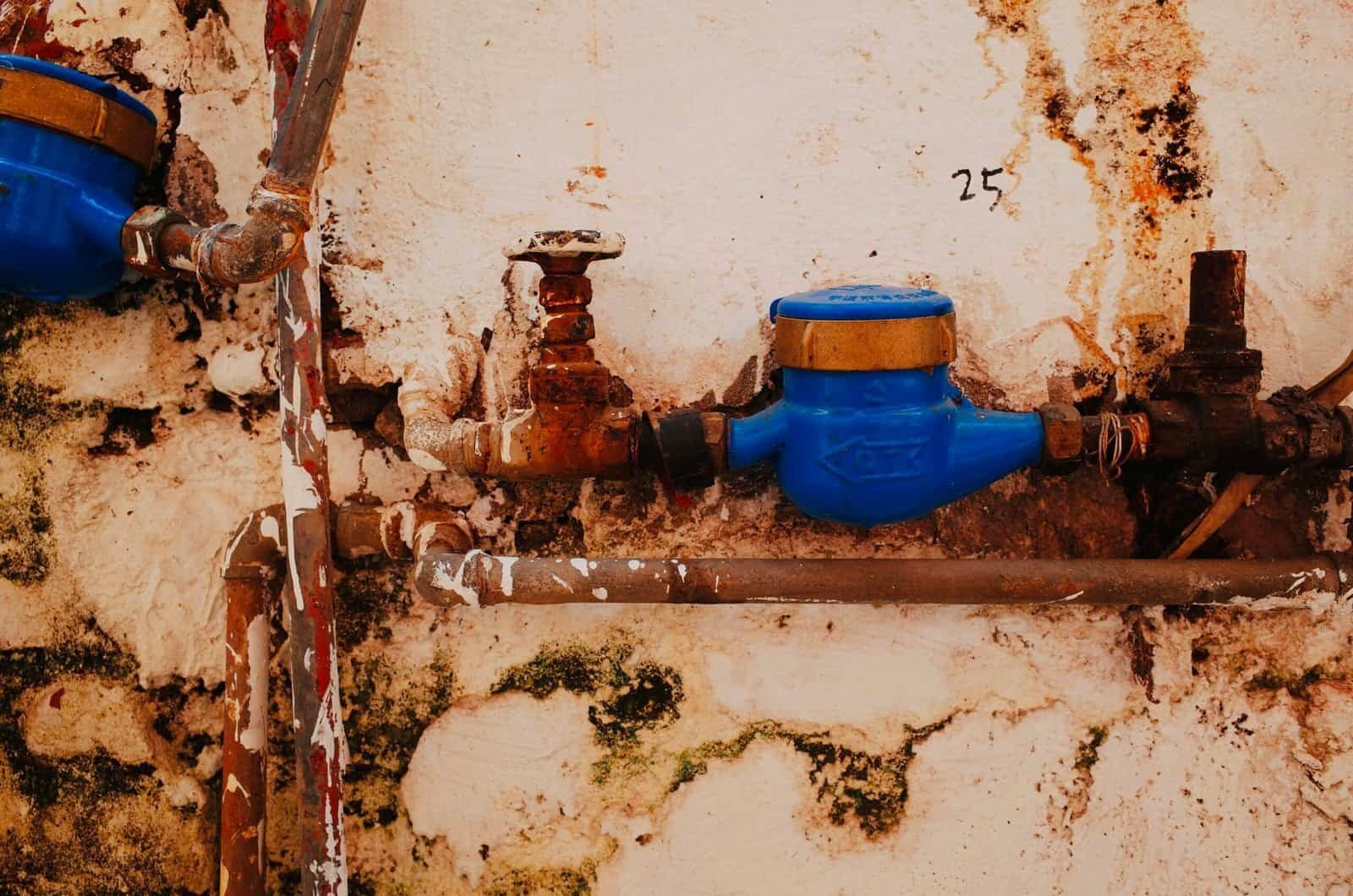
You’ll often know from your property documents or the presence of a visible well cap, pressure tank in a basement, or a private pump house. If you’re uncertain, check your municipal billing records—lack of a water bill often indicates a private well, but some properties with private wells still have other municipal connections (sewer, storm). You can also ask the prior owner or a local well contractor.
Signs of well service
Listen for the sound of a pump in your mechanical room or well house when water is used. A pressure tank (round or cylindrical tank) is a clear indicator of a private well system. If you see a well cap or casing in the yard, that’s usually your wellhead.
Signs of municipal supply
You’ll receive a regular water bill or see a utility meter attached to the main supply line. Street mains, hydrants, and visible utility infrastructure are strong indicators that you’re on municipal service.
Water Quality: What to Test For and Why
You’ll want to prioritize tests based on your local geology, nearby land use, and health risks. Regular testing protects you, your family, and your appliances.
Basic recommended tests
At minimum, you should test private well water annually for total coliform bacteria, E. coli, and nitrates. These tests screen for microbial contamination and fertilizer or septic-related nitrogen pollution which can be dangerous, especially for infants and pregnant people.
Additional tests to consider
Test for arsenic, lead, radon, fluoride, iron, manganese, hardness (calcium and magnesium), pH, and volatile organic compounds (VOCs) if you live near industrial activity or agricultural operations. Groundwater in some regions requires testing for naturally occurring contaminants like uranium or sulfate.
When to test more often
You should test immediately if you notice changes in taste, odor, color, staining, or pressure. After nearby construction, flooding, septic system work, or known contamination events, increase testing frequency.

Treatment Options for Private Wells
You’ll likely need one or more treatment approaches depending on contaminants and desired outcomes. Matching treatment to specific test results is essential to avoid unnecessary cost.
Point-of-entry vs point-of-use
Point-of-entry systems treat all incoming water and protect appliances and fixtures; these include whole-house softeners and iron filters. Point-of-use systems (under-sink filters) are used for drinking and cooking and are more economical when only certain water uses need treatment.
Common treatment technologies
- Filtration (sediment, carbon): Removes particulates, chlorine taste, and some organic compounds.
- Water softeners (ion-exchange): Reduce hardness minerals to prevent scale build-up.
- Disinfection (chlorination, UV): Kills bacteria and viruses; UV is effective but doesn’t provide residual protection.
- Reverse osmosis: Produces very high-quality drinking water at a single tap for contaminants like nitrates, arsenic, and lead.
- Oxidation/filtration (greensand, aeration): Handles iron, manganese, and hydrogen sulfide.
Selecting the right system
You should base your selection on lab results and an understanding of your household’s water use. Consult a certified water treatment professional and insist on equipment sizing and performance data to match your flow rates.
Cost Considerations and Financial Planning
You’ll want to compare the long-term costs of owning a well with municipal bills, including energy for pumping, periodic repairs, treatment systems, and testing.
Upfront vs long-term costs
Drilling a well can cost several thousand to tens of thousands of dollars depending on depth and geology. Municipal connections can also have setup fees. Long-term, municipal fees are predictable monthly expenses, whereas well ownership requires budgeting for variable repair and replacement costs.
Typical expenses for well owners
Plan for annual water testing ($20–$200 depending on tests), electricity for running the pump (varies by pump size and runtime), pressure tank replacement every 7–15 years, and eventual pump replacement. Emergency repairs or well rehabilitation can be costly.
Financing options
You can finance well drilling or pump replacement through home improvement loans, HVAC/contractor financing, or specific rural water assistance programs. Some local or state programs offer grants or low-interest loans for well rehabilitation in areas with public health concerns.

Emergency Preparedness and Contingency Planning
You’ll want a plan for power outages, pump failures, or contamination events. Being proactive minimizes disruption and health risk.
Backup water supplies
Store emergency drinking water, maintain an alternative supply (like a portable generator for pump power or hauled water), and have portable treatment like household bleach (for emergency disinfection) or certified filters available.
Power outages and pump protection
If your area has frequent outages, consider a transfer switch and generator sized for the pump, or a battery backup system for critical water needs. Be careful with generators—connect them safely to avoid backfeed and hazards.
Contamination response
If test results indicate contamination, stop using the water for drinking and cooking until you have an approved remedial plan. Boiling may not be effective for chemical contaminants; consult public health officials or a certified water treatment expert.
How Do I Improve Energy Efficiency of My Well Pump?
You’ll save money and extend equipment life by improving the energy efficiency of your well pump. A combination of correct sizing, better controls, plumbing improvements, and demand reduction yields the best results.
Understand your well system
Begin by identifying pump type, horsepower, age, depth of well, static and pumping water levels, pump runtime per day, and current pressure tank size and settings. This baseline helps you target the most effective efficiency measures.
Types of pumps and their typical efficiency
Submersible pumps (installed in the borehole) are common and generally efficient because they push water rather than pull it. Jet pumps (surface pumps) are less efficient for deep wells and can use more electricity. Choosing a pump with a performance curve that matches your well’s yield and household demand increases efficiency.
Table: Pump Type Comparison
| Pump Type | Typical Use | Efficiency Notes |
|---|---|---|
| Submersible | Most drilled wells | High efficiency; less priming; quieter |
| Jet (surface) | Shallow wells or booster use | Lower efficiency for deep wells; easier access |
| Multistage centrifugal | Deep or high-pressure needs | Efficient when matched to system |
| Solar-driven | Remote or off-grid | Energy-free electricity but dependent on solar availability |
Proper sizing and matching
An oversized pump cycles more frequently, wasting electricity and shortening pump life. An undersized pump runs constantly and can overwork, also reducing efficiency. You should size the pump to the well’s sustainable yield and household demand, considering drawdown and recovery.
Pressure tanks and drawdown
Using an adequately sized pressure tank reduces pump starts and stops (cycling). You’ll want a tank that provides sufficient drawdown so the pump runs for longer, more efficient cycles. Typical guidelines: larger tanks reduce cycling and electrical startup losses.
Pressure switch settings
Lowering cut-in and cut-out pressures slightly (within comfortable user expectations) can reduce the number of cycles. However, you must maintain sufficient pressure for household appliances. Consult a professional to adjust safely.
Variable frequency drives (VFDs) and soft starts
Installing a VFD or soft-start device reduces startup surge currents and allows the pump to operate at variable speeds to meet demand. VFDs can significantly reduce energy use when household demand varies widely, and they smooth pressure fluctuations.
Plumbing and piping improvements
You’ll save energy by minimizing friction losses. Use properly sized pipes, reduce long horizontal runs, and avoid unnecessary elbows or restrictions. Leaks not only waste water but cause additional pump runtime—repair leaks promptly.
Reduce demand and water waste
Lowering your household water demand reduces pump runtime. Install low-flow fixtures, repair leaks, use efficient appliances like dishwashers and efficient washing machines, and adapt habits like shorter showers. Capturing rainwater for irrigation also reduces pump load.
Monitoring and controls
Install simple runtime meters, smart controllers, or flow meters to understand pump usage. Monitoring helps you spot issues (like slow drips that increase runtime) and verify savings after efficiency improvements.
Renewable and hybrid solutions
If you have solar panels, consider powering the pump during peak sun or integrating direct-drive solar pump systems for shallow wells. These options reduce grid electricity use but require careful sizing and sometimes battery backup or grid-tied inverters.
Routine maintenance
Regular maintenance—checking pressure switches, replacing worn check valves, cleaning or replacing filters, and inspecting the pump system—keeps efficiency high. Minerals and debris can reduce pump performance and increase energy use.

Typical Energy Use and Savings Calculation
You’ll want to estimate current energy use and potential savings to prioritize upgrades. The following example shows how to estimate annual energy cost and potential savings from several measures.
Sample baseline calculation
Assume:
- Pump motor = 1.5 horsepower (HP) = about 1.12 kW (1 HP ≈ 0.746 kW; 1.5 HP × 0.746 = 1.12 kW)
- Motor efficiency and system losses: real-world electrical draw ≈ 1.5 kW (rounding up for inefficiencies)
- Average runtime = 2 hours/day (varies widely)
- Electricity cost = $0.15/kWh
Annual energy use = 1.5 kW × 2 hr/day × 365 = 1,095 kWh
Annual cost = 1,095 kWh × $0.15 = $164.25
Potential savings scenarios
- Improve pressure tank size to reduce runtime by 20% → savings ≈ $33/yr.
- Install a VFD or more efficient pump, reducing energy by 25% → savings ≈ $41/yr.
- Combined improvements (tank + efficient pump) may reduce energy by 40% → savings ≈ $66/yr.
Table: Sample Savings Estimate
| Measure | Estimated Energy Reduction | Annual Savings (at $0.15/kWh) |
|---|---|---|
| Better pressure tank | 20% | $33 |
| More efficient pump or VFD | 25% | $41 |
| Plumbing fixes & leak repair | 10% | $16 |
| Combined (all above) | ~40% | $66 |
Payback and decision-making
You’ll weigh costs of upgrades (pressure tank $300–$1,000; VFD $800–$2,500; new pump $800–$4,000) against annual energy and maintenance savings, and increased reliability and lifespan. Often non-energy benefits—reduced cycling, fewer repairs, more stable pressure—justify investment even if energy payback is long.
Practical Steps You Can Take Today
You don’t need to overhaul your system immediately. Start with inexpensive, high-impact actions to improve efficiency and safety.
Immediate actions
- Test for leaks and fix them promptly.
- Check the pressure tank for proper air charge and sizing.
- Measure pump runtime with a simple timer or smart plug (if applicable).
- Schedule a professional well inspection every few years.
Mid-term improvements
- Right-size or replace the pressure tank.
- Install a VFD or soft-start if frequent cycling or high startup draws occur.
- Upgrade to a more efficient pump if your current unit is old or mismatched.
Long-term investments
- Consider whole-house water efficiency upgrades to lower overall demand.
- If you have repeated low water levels, plan for well deepening or alternative water supplies.
- Evaluate solar or hybrid energy options if you have high electricity costs or frequent outages.

Hiring Professionals and Choosing Contractors
You’ll want licensed and experienced contractors for drilling, pump installations, and treatment systems. Ask for references, certifications, and warranties.
What to ask a pump contractor
Ask about sizing calculations, expected runtime, pump curve data, and references from local installations. Get multiple quotes and ask for performance guarantees. Ensure electrical work is performed by a licensed electrician.
What to ask a water treatment professional
Provide recent lab test results and ask for treatment options with specific contaminant removal guarantees. Request maintenance needs and annual operating costs to avoid surprises.
Records, Documentation, and Resale Considerations
You should maintain records of well drilling reports, maintenance, test results, and equipment replacements. These documents protect you and add value and confidence for future buyers.
Well log and drilling report
Keep the drilling report, which shows well depth, casing details, and yield estimates. This helps future service decisions and provides important data for any remediation or deepening.
Maintenance and testing logs
Document all service visits, replacements, and test results. When selling the property, having a history of regular testing and treatment is attractive to buyers and may speed transactions.
Final Checklist: Choosing Between Well and Municipal Water (or Managing Both)
You’ll want to consider the following before acting or investing:
- Do you own the property and prefer control over your water source?
- Can you afford the upfront cost of a quality well and pump system?
- Are you prepared to test, treat, and maintain the well regularly?
- Is municipal service available and cost-effective for your use?
- Do local laws or neighborhood covenants require or limit wells?
- Do you want the reliability and regulatory oversight of a municipal system?
If you already have a private well, prioritize annual testing, correct pump sizing, and pressure tank maintenance. If you’re considering switching to municipal service, compare long-term costs, reliability, and the convenience of utility management.
Closing Thoughts
You’ll find that both private wells and municipal water have clear advantages and responsibilities. Municipal water offers centralized treatment and predictable service, while private wells offer independence and potential cost savings but require active management. Improving the energy efficiency of your well pump reduces operating costs and extends equipment life—start with simple fixes, gather data, and invest in targeted upgrades that match your household’s water needs. If you follow the steps above, you’ll get safer water, lower energy bills, and a system that serves your household reliably for years.
If you want, you can tell me about your well pump type, horsepower, average runtime, and pressure tank size and I’ll run a more specific energy-savings calculation and recommend priority upgrades.
Sources
The guidance in this article is informed by the following authoritative sources:
- USGS — Ground Water — U.S. Geological Service data on groundwater levels, well construction, and water quality.
- EPA — WaterSense — EPA guidance on water conservation and water quality standards.
- CDC — Water and Wellness — Centers for Disease Control and Prevention guidance on safe drinking water.
External links open in a new tab. Verify current details with the source before relying on them.