
Published: December 10, 2025
By Thomas Reynolds, Pump Systems Engineer
Thomas has installed and serviced over 1,000 well pump systems for homeowners.
From inspecting residential wells over the past two decades, I can tell you this: most well problems start small and get expensive the longer they are ignored. The guidance below reflects what I have actually seen in real well systems, not just what the manuals say.
Are you worried that a fuel spill could find its way into your well and contaminate your water?
How Do I Prevent Fuel Spills From Entering My Well?
You need clear, practical steps to keep fuel out of your well so your household or livestock water stays safe. This section will outline the core strategies you can use to reduce the risk of contamination and to respond effectively if a spill occurs.
Why preventing fuel from reaching your well matters
Fuel in drinking water poses serious health risks and can render a water supply unusable for long periods. Protecting your well safeguards your health, property value, and the environment around your home.
The most common ways fuel can reach a well
Fuel can migrate through surface runoff, subsurface soil, cracked well casings, faulty well caps, or from improperly stored tanks and piping. By understanding these pathways, you can target the weak points around your well and property.
Understanding Your Well and Site Vulnerabilities
You should know how your well is constructed and what features of your property increase vulnerability to spills. This knowledge helps you prioritize protective measures.
Types of wells and why construction matters
Wells are commonly drilled, dug, or driven, and each type has different risks regarding contamination. Drilled wells tend to penetrate deeper aquifers and may be less vulnerable than shallow dug wells, but construction flaws, poor casing seals, or inadequate grouting can still allow contaminants in.
Site characteristics that affect contamination risk
Topography, soil type, proximity to storage tanks or roads, and floodplains all influence how likely a spill will reach your well. Sandy, highly permeable soils and downhill locations are especially risky because fluids travel faster through them.
Sources of Fuel Contamination to Watch For
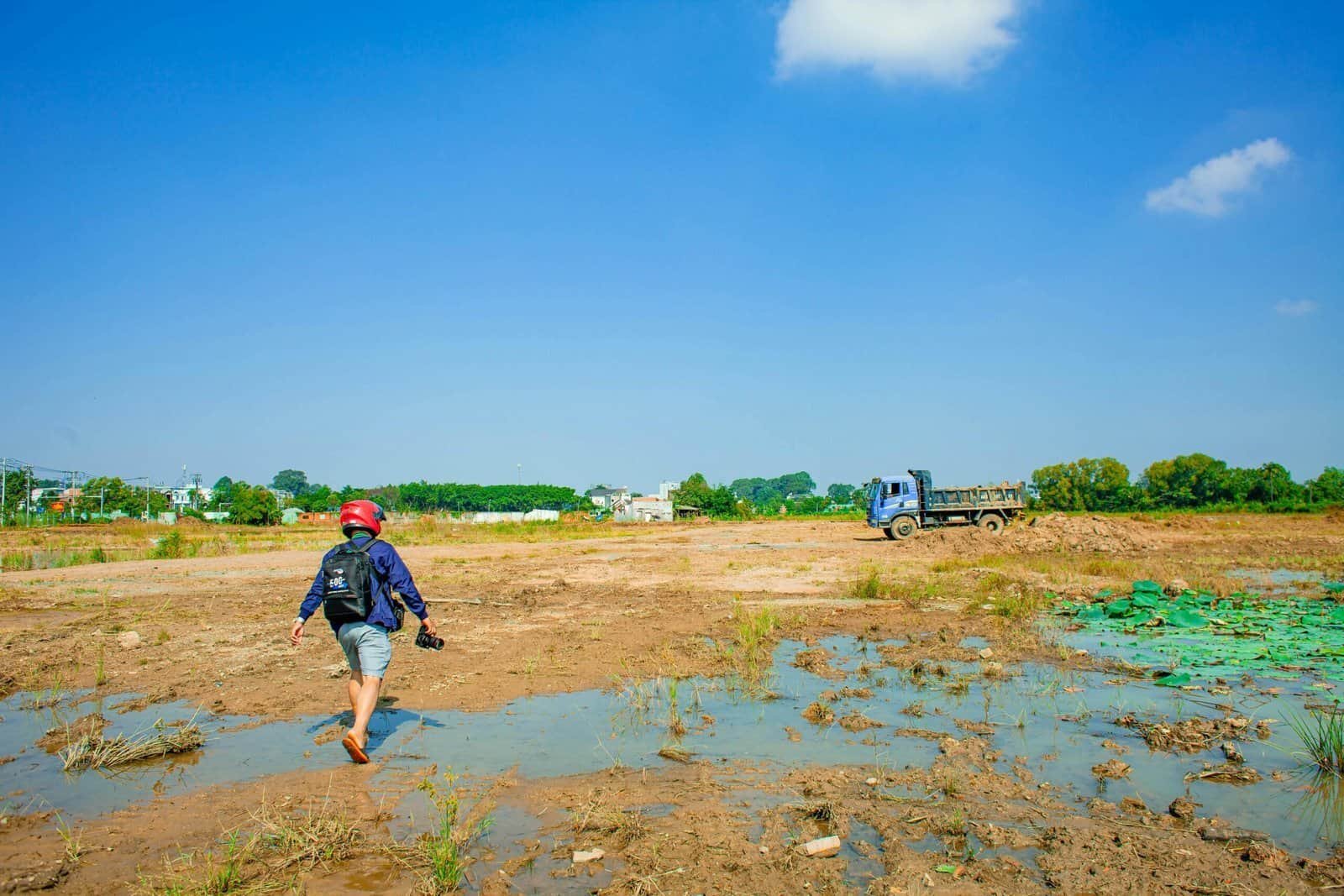
You need to know where fuel typically originates on properties so you can manage those sources proactively. Identifying sources is the first step to preventing spills.
On-site storage tanks and fuel drums
Aboveground and underground storage tanks, fuel drums, and temporary containers are the most common on-site sources of fuel. Old or poorly maintained tanks and containers can leak slowly, creating persistent contamination risks.
Vehicle fueling and equipment maintenance areas
Driveways, garages, and work areas where you refuel vehicles or handle machinery present frequent spill opportunities. Routine fueling spills and accidental overfills can travel across surfaces into soil and eventually toward wells.
Nearby roads, septic systems, and neighboring properties
You may face off-site risks from road accidents or neighbor activities. Fuel that pools on pavement or in soil can migrate through groundwater or surface runoff into your property’s well area.
What’s the safest way to cover a well opening?
Covering the well correctly is one of the simplest and most effective ways you can reduce the risk of contamination. A proper well cap and housing keep surface water, fuels, and debris out of the well.
Features of a safe well cover
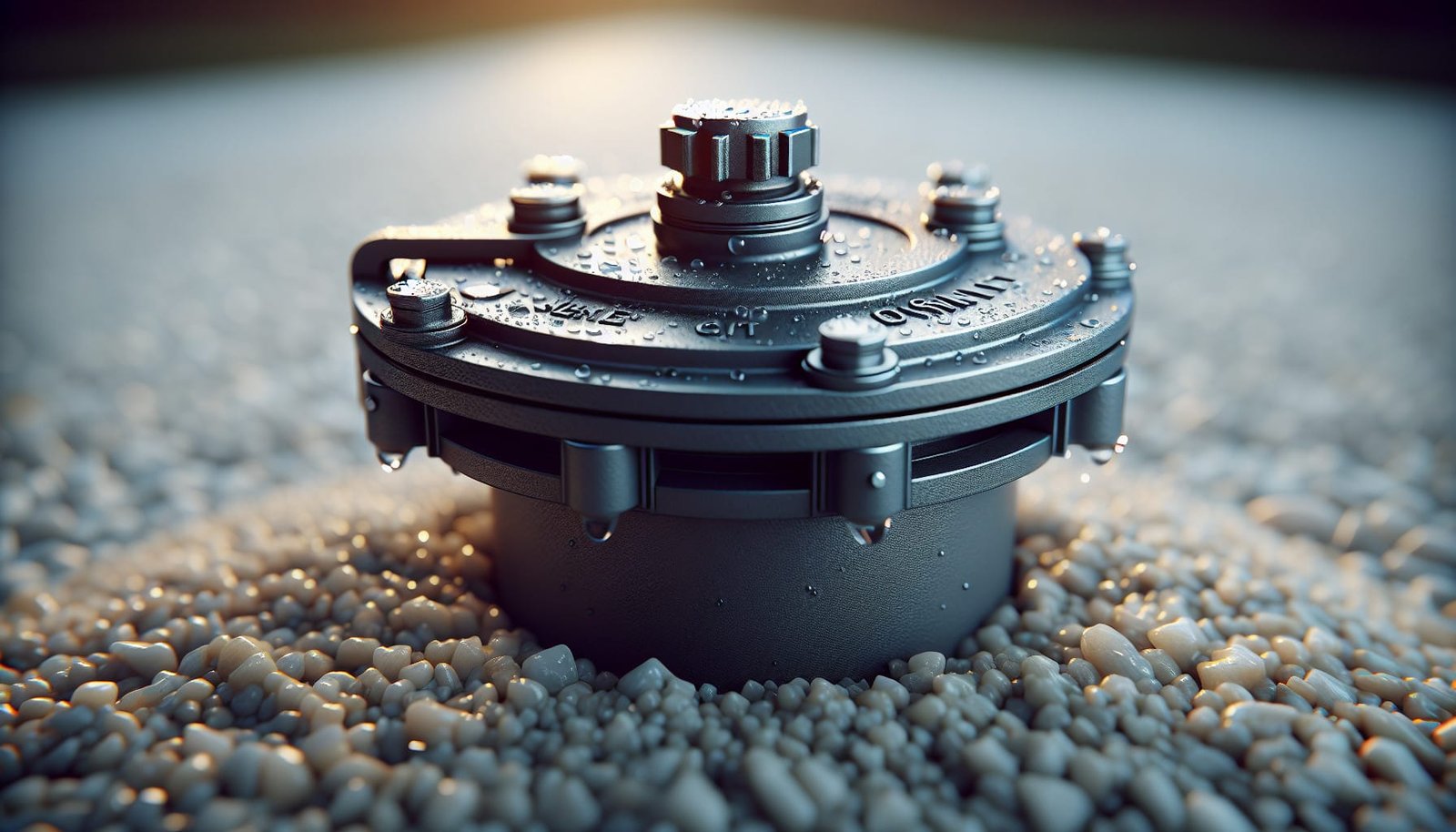
A safe well cover is lockable, watertight, vented properly to prevent pressure build-up, and made of durable material resistant to UV, chemicals, and impact. It should be securely fastened to a threaded or bolted connection on the well casing to prevent accidental removal.
Why a watertight, vented cap matters
A watertight cap prevents contaminated surface water — including fuel-contaminated runoff — from entering the well, while a vent prevents anaerobic conditions and gas buildup. Together they reduce the pathways and pressures that can push contaminants into the well.

Types of Well Covers and Their Pros & Cons
Choosing the right cover depends on your well type, exposure risk, and local codes. Below is a compact comparison to help you decide.
| Cover Type | Pros | Cons | Best Use |
|---|---|---|---|
| Threaded steel or brass well cap | Durable, lockable, commonly code-compliant | Can corrode if not stainless or coated | Most drilled wells |
| Watertight gasketed plastic/composite cap | Corrosion-resistant, lightweight, watertight | Can be damaged by impact, lower lifespan in harsh sun | Areas with chemical exposure |
| Concrete slab or curb with sealed cap | Provides surface protection, resistant to impact | Heavy, requires professional installation | Wellheads in livestock or high-traffic zones |
| Ventilated sanitary well seal | Allows venting while blocking contaminants | More complex installation, costlier | Confined spaces needing venting |
| Temporary rubber or plastic cover | Cheap, easy to install | Not watertight, not secure, short-term only | Emergency or short-term protection |
Selecting a cover based on your situation
If your well is near a driveway or work area, choose impact-resistant solutions like a concrete curb with a sealed cap. For salted roads or aggressive chemicals, a stainless steel or composite cap will resist corrosion better.
Local Codes, Permits, and Professional Standards
Before making changes, you should check local codes and well construction standards so your work meets legal and safety requirements. Noncompliant repairs can make liability and insurance issues worse.
Why following codes is important
Codes ensure your well is protected to a minimum safety standard and that the cap installation will not damage the well or void permits. They also reduce long-term maintenance and contamination risk.
How to find local requirements
Contact your county health department, state environmental agency, or a licensed well contractor to learn about requirements for caps, vents, and wellhead work. They can also point you to certified installers.

Inspection: What to Look For and How Often
Regular inspections identify problems before a small leak becomes a major contamination event. You should inspect visually and physically on a schedule.
Visual inspections you can do monthly
Check the well cap and immediate area for cracks, missing fasteners, surface damage, signs of staining or unusual odors, and accumulation of standing liquids. Look for fuel smells and oily patches that indicate leaks.
Thorough inspections you should do annually or after events
Annually or after heavy storms, floods, or nearby spills, have a certified well professional check seals, casing integrity, and the grout around the casing. They should also perform water sampling for hydrocarbons if you suspect contamination.
Good Practices for Fuel Storage and Handling
Reducing the chance of a spill starts with how you store and handle fuel. Small changes in your routine can make a big difference.
Use proper containers and secondary containment
Store fuel in approved containers and keep them on an impervious surface within secondary containment that can hold 110% of the container volume. This prevents leaks from reaching soil or groundwater.
Position tanks and fueling areas away from wells
Place tanks, pumps, and fueling stations downhill and as far away from your well as feasible. If placement near a well is unavoidable, install impermeable barriers between them to redirect any spill.
Carry out fueling on impervious, bermed surfaces
When you fuel equipment, do it on a contained, impermeable pad with raised berms to capture spills. Avoid fueling over bare ground or gravel that allows liquids to infiltrate.

Landscaping and Surface Controls to Divert Spills
Your yard design can significantly reduce the risk that spilled fuel will reach the well. Use land contours to your advantage.
Create slope and berms to redirect runoff
Grade your yard so that surface water flows away from the well location. Build small berms or swales to channel liquids to safe collection points or containment areas.
Use vegetated buffer zones appropriately
Deep-rooted vegetation can slow surface flow and promote filtration, but it is not a substitute for impermeable barriers. Use plant buffers as a secondary measure, not your primary protection.
Secondary Containment and Barriers
Secondary containment systems provide a physical barrier to stop spilled fuel from reaching soil or groundwater. You should install containment where fuel is stored or handled.
Examples of containment systems
Containment can include double-walled tanks, concrete containment pads with sumps, portable spill pallets, and bunded enclosures around pumps. These systems hold spills so they can be cleaned up before any migration occurs.
When to use permanent containment vs. portable options
If you have fixed tanks, install permanent containment. For sporadic or portable containers, use portable spill pallets and trays that you can move as needed. Ensure both types are regularly inspected and free of obstructions.
Monitoring Systems and Early Detection
Early detection lets you act before a small leak becomes a major problem. You can add hardware to alert you when something’s wrong.
Manual and automated monitoring options
You can monitor visually, but consider sensors for tanks and wells: leak detection sensors, groundwater monitors, and automatic tank gauges. Some systems send alerts to your phone or contractor so you can respond quickly.
Water testing schedule for background and event sampling
Establish a baseline by testing your well for hydrocarbons and gasoline-range organics, then repeat testing annually or after any suspected contamination event. Keep records to spot trends and support remediation decisions.
Responding to a Fuel Spill Near Your Well
If a spill happens, time is critical. Your initial actions can limit spread and make cleanup easier.
Immediate actions you should take
Stop the source if it’s safe — turn off taps, close valves, or upright containers. Contain the spill using absorbents or berms and move any nearby containers that could be affected. Evacuate people and animals if fumes are strong.
Who to call and what to report
Contact your local emergency services for large spills, and notify environmental authorities and your local health department. Report the type and volume of fuel, the location, and whether the well may be affected.
Water Testing and When to Call Professionals
Testing confirms whether contamination reached your well and helps determine the right remediation steps. You should sample promptly if you suspect exposure.
Tests you should request
Ask a lab for tests that include gasoline-range organics (GRO), diesel-range organics (DRO), BTEX (benzene, toluene, ethylbenzene, xylene), and total petroleum hydrocarbons (TPH). Benzene is especially important because of its health risks.
When to hire a hydrogeologist or environmental contractor
Bring in professionals when contamination is confirmed, the source is unknown, or remediation requires excavation, pump-and-treat systems, or long-term monitoring. Qualified contractors will design a cleanup tailored to your aquifer and contamination level.
Repair and Remediation Options
If fuel is found, you’ll need a remediation plan based on the contamination extent. Options vary from simple to complex.
Short-term cleanups you can do immediately
For small, recent surface spills, absorbent pads, soil removal, and bioremediation products can work. Remove contaminated soil from the well area and dispose of it at an approved facility.
Long-term remediation approaches
Larger subsurface problems may need pump-and-treat, soil vapor extraction, or in-situ bioremediation technologies. Your chosen method depends on soil type, depth to groundwater, and contaminant concentrations.
Maintenance Checklist to Keep Fuel Out of Your Well
You should adopt a routine maintenance schedule to minimize risk. The following checklist helps you stay organized and proactive.
| Task | Frequency | Why it matters |
|---|---|---|
| Visual inspection of well cap and headworks | Monthly | Early detection of damage or missing parts |
| Inspect fuel storage and containment systems | Monthly | Catch leaks before they spread |
| Test well water for hydrocarbons | Annually (+ after spills) | Verifies water safety and detects contamination |
| Clean and replace absorbents in spill kits | After each use or quarterly | Ensures readiness to contain spills |
| Professional well inspection and seal check | Annually or after major events | Confirms structural integrity |
| Maintain record log of inspections and tests | Continuous | Creates history for trend detection and liability protection |
How to use this checklist practically
Keep a notebook or digital log with dates, observations, and photos. If you ever need to prove due diligence, these records are valuable for agencies and contractors.
Training and Communication for Household or Farm Staff
You should make sure everyone who could affect the well knows how to prevent and respond to spills. Clear roles and training reduce accidents.
Basic training topics to cover
Train people on proper fueling procedures, how to use spill kits, correct storage, emergency shutoff, and who to call. Include safe handling of used absorbents and contaminated soil.
Signage and labeling to reinforce safe behavior
Place visible signs near tanks and fueling areas reminding people to keep spills contained and to report leaks immediately. Label containment and emergency equipment clearly so anyone can respond.
Cost Considerations and Budgeting
Protecting your well is an investment that can prevent expensive remediation later. You should budget for prevention, monitoring, and potential repairs.
Typical costs to expect
Basic well caps and routine inspections are relatively inexpensive; a watertight cap might cost a few hundred dollars including installation, while a full professional inspection and testing can run several hundred to a few thousand dollars. Larger containment systems and remediation can be much more costly.
How to prioritize spending
Start with high-impact, low-cost measures: install a proper cap, add containment for small tanks, create a spill-response kit, and set up a monitoring schedule. Expand to larger containment or monitoring systems as needed.
Legal and Liability Considerations
You need to understand that contamination of groundwater can create legal responsibilities. Knowing your obligations helps you manage risk and comply with regulations.
Your likely responsibilities
If contamination originates on your property, you may be responsible for remediation and damages to neighbors or public resources. Prompt reporting and corrective action can mitigate liability and may be legally required.
Insurance and financial protections
Review your homeowner’s or farm insurance policies to see whether fuel spills are covered. Consider environmental liability insurance for higher-risk properties with larger tanks or commercial activities.
Hiring a Qualified Well or Environmental Professional
For inspections, cap replacements, and remediation, you should hire licensed, experienced professionals. They bring expertise in codes, safe practices, and proper materials.
How to choose the right contractor
Look for licensed well drillers, certified pump installers, or environmental consultants with local experience. Ask for references, documentation of permits, and proof of insurance.
Questions to ask before hiring
Ask about their experience with well caps, their approach to containment, the testing they recommend, expected timelines, and a written estimate. Confirm they’ll dispose of contaminated materials properly.
Practical Steps You Can Implement Today
You can start protecting your well immediately with a few simple actions. These steps are cost-effective and easy to maintain.
Immediate actions for quick protection
Install or replace a watertight, lockable well cap if you don’t already have one. Move portable fuel containers to a sealed area with a spill tray and set up a basic spill kit next to fueling spots.
Short-term projects to plan for
Grade ground to redirect runoff away from the well, install temporary berms around fueling areas, and schedule professional water testing to establish a baseline.
Frequently Asked Questions (FAQ)
Below are answers to common concerns you may have when protecting a well from fuel spills.
How often should I replace a well cap?
Replacing a well cap every 5–10 years is common, but inspect yearly and replace sooner if you notice cracks, corrosion, or damaged gaskets. Materials like stainless steel and high-grade composites last longer.
Can landscaping alone protect my well?
Landscaping helps by slowing surface flow but cannot be your only protection. Use landscaping combined with watertight caps and containment systems for effective defense.
What signs indicate my well is contaminated with fuel?
Smell of fuel or petroleum, oily sheen on water, taste changes, staining on plumbing, or unexpected illnesses in humans and animals can indicate contamination. Test immediately if you observe any of these.
Is it safe to use absorbents from a spill near a well?
Yes, use appropriate absorbents and collect them for proper disposal. Avoid burying contaminated absorbents; instead, store and dispose of them at approved hazardous waste facilities.
Final Checklist Before You Leave This Page
You should be ready to act after reading this. Use this short checklist to begin protecting your well.
- Inspect your well cap now — replace if it is missing, loose, or damaged.
- Move fuel containers to approved storage and use spill pallets.
- Establish a routine inspection and testing schedule for your well.
- Install berms or grade surfaces to direct runoff away from the wellhead.
- Assemble a spill kit and make sure everyone on the property knows how to use it.
- Contact local health or environmental authorities if you suspect contamination.
Where to go for more help
If you need further assistance, reach out to your local environmental agency, a licensed well contractor, or a certified environmental consultant. They can guide you through inspections, testing, and remediation tailored to your situation.
You now have a detailed plan to prevent fuel from entering your well, how to cover a well opening safely, and the next steps to protect your water supply. By implementing these measures and staying vigilant, you can minimize risk and maintain safe water for your household or farm.
Sources
The guidance in this article is informed by the following authoritative sources:
- USGS — Ground Water — U.S. Geological Service data on groundwater levels, well construction, and water quality.
- EPA — WaterSense — EPA guidance on water conservation and water quality standards.
- CDC — Water and Wellness — Centers for Disease Control and Prevention guidance on safe drinking water.
External links open in a new tab. Verify current details with the source before relying on them.