
Published: December 12, 2025
By Thomas Reynolds, Pump Systems Engineer
Thomas has installed and serviced over 1,000 well pump systems for homeowners.
From inspecting residential wells over the past two decades, I can tell you this: most well problems start small and get expensive the longer they are ignored. The guidance below reflects what I have actually seen in real well systems, not just what the manuals say.
Do you know whether your pressure tank is safe right now?
How Do I Know If My Pressure Tank Is Safe?
You rely on your pressure tank to give your well system stable water pressure, to protect the pump from excessive cycling, and to keep your plumbing working properly. When the tank is unsafe or failing, you can get poor pressure, damaged equipment, higher energy costs, and even water contamination in some situations.
This article explains how pressure tanks work, what safety checks you can do, how to maintain your tank, how to recognize early signs of trouble, and what to do about lead in your well water or plumbing. You’ll get step-by-step guidance, troubleshooting tips, and a practical maintenance schedule so you can feel confident about your system’s safety.
What Is a Pressure Tank and Why It Matters
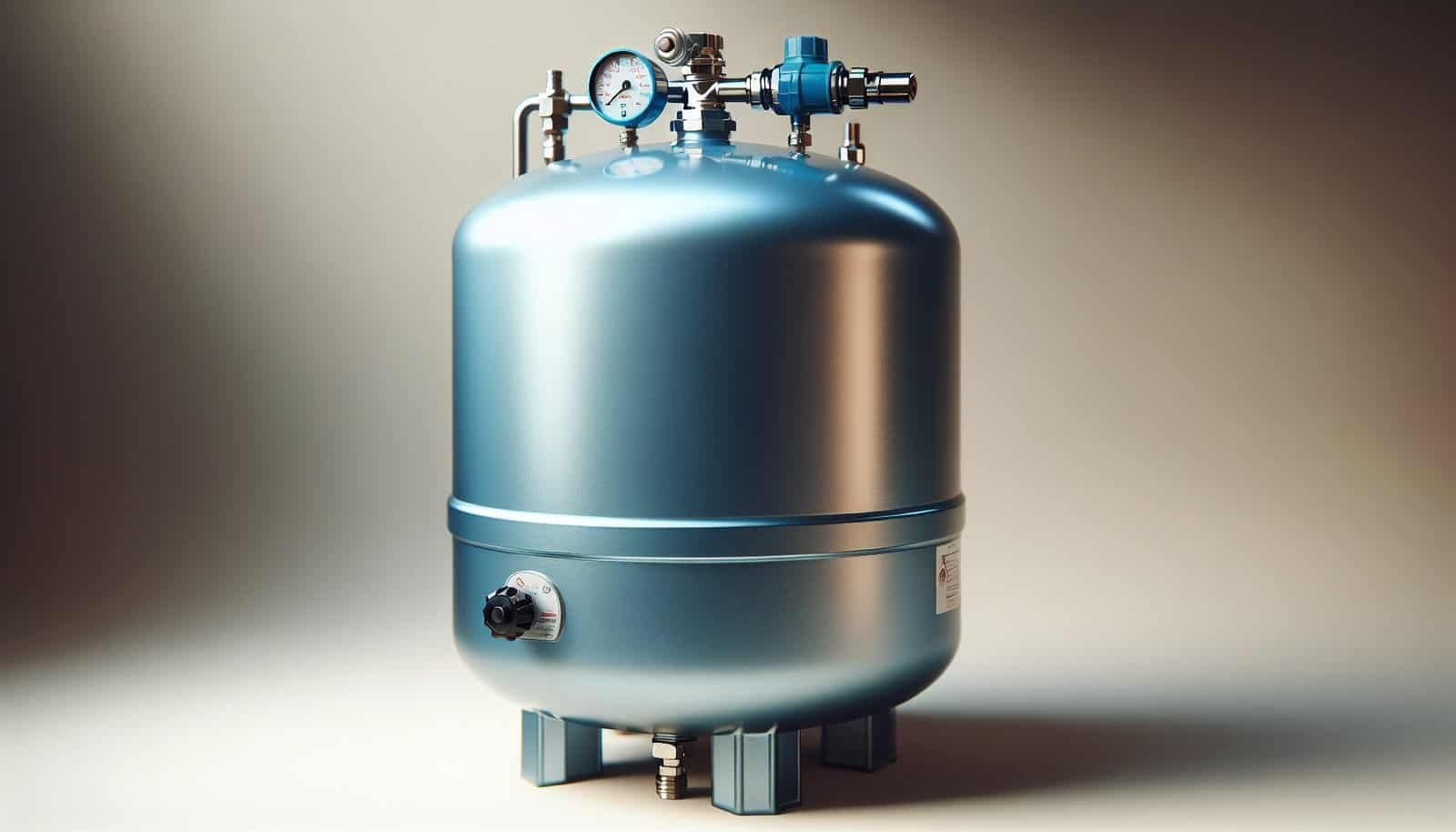
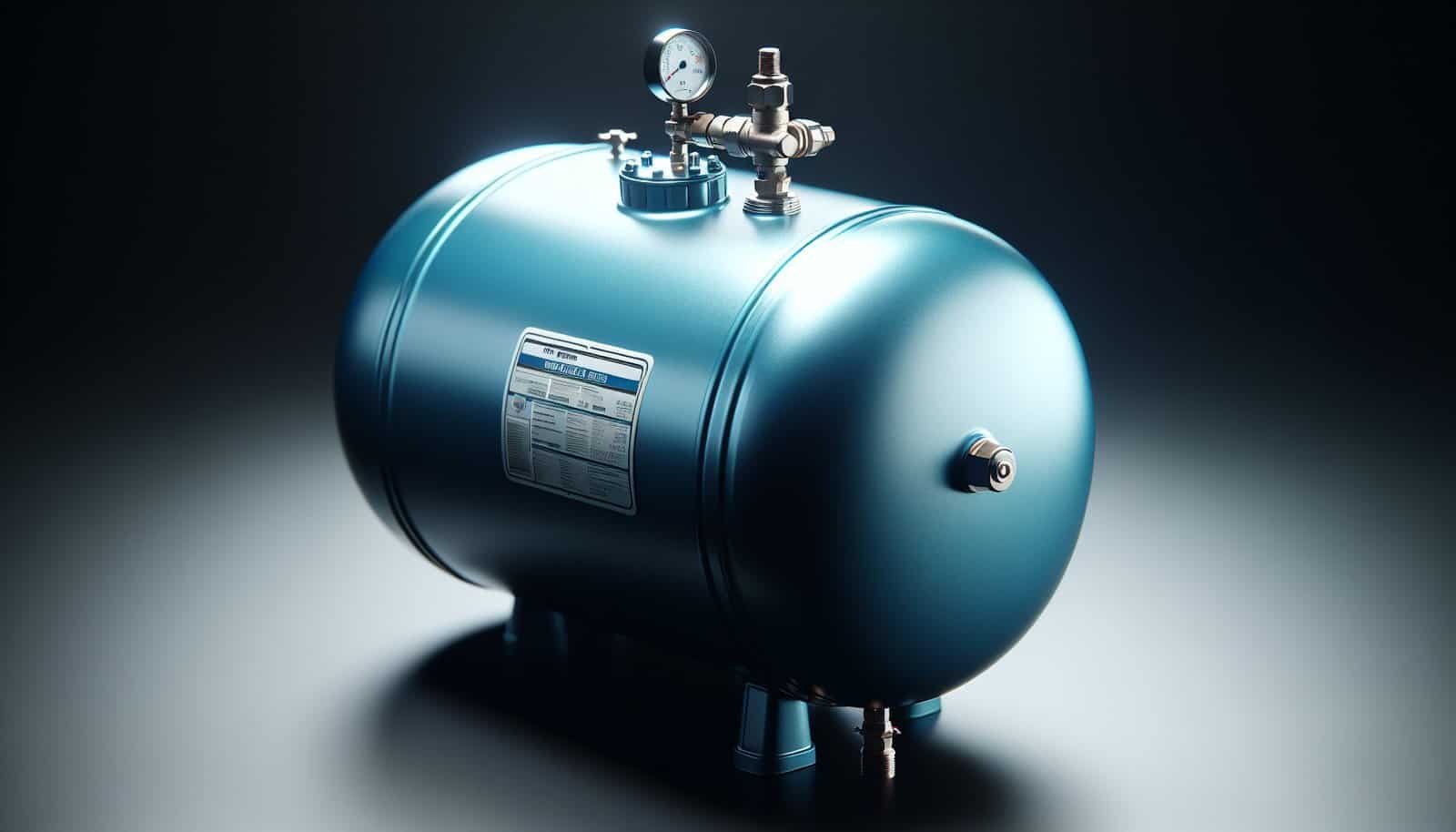
A pressure tank stores pressurized water so your pump doesn’t have to run every time you open a faucet. The tank gives you a buffer of pressurized water that keeps the pump from turning on and off too often (short cycling). Short cycling wears out the pump motor and pressure switch faster, and it increases energy use.
Knowing how the tank works helps you spot problems before they become emergencies. Tanks typically have an air cushion or bladder that separates the water from the air space. That air cushion compresses when water fills the tank, creating the pressure you feel at the faucets.
Types of Pressure Tanks
There are a few common pressure tank designs, and each has slightly different failure modes and maintenance needs. Understanding which type you have helps you follow the right safety checks.
- Bladder or diaphragm tanks: These tanks have a rubber bladder or diaphragm that keeps air and water separate. They’re less prone to waterlogging and are common in modern systems.
- Air-over-water (non-bladder) tanks: These store water and air in the same chamber; the air slowly dissolves into the water over time and requires periodic recharging.
- Vertical vs horizontal tanks: Shape and mounting may affect accessibility for checks and installation space.
Table: Tank types comparison
| Tank Type | How it works | Pros | Cons |
|---|---|---|---|
| Bladder/diaphragm | Water is contained by a rubber bladder; air is outside the bladder | Less waterlogging, easy to check air charge, long-lived | Bladder can rupture |
| Air-over-water (non-bladder) | Water and air share the same chamber; air cushion compresses | Simple, often cheaper | Requires regular air charging, more prone to waterlogging |
| Pressure vessels (hydropneumatic) | Larger systems with air precharge and separate controls | Good for large systems | Requires more maintenance and space |
Common Safety Risks with Pressure Tanks
Pressure tanks can present safety risks if ignored. You should know the common hazards so you can act quickly and safely.
- Overpressure: A malfunctioning relief valve or misadjusted switch can allow pressure to rise beyond safe limits, causing ruptures or bursts.
- Waterlogging: When a tank loses its air cushion, the pump may short-cycle, leading to pump failure and overheating.
- Leaks and corrosion: Rusted or leaking tanks can fail catastrophically and contaminate your water.
- Damaged bladder: A torn bladder can cause waterlogging or allow water to contact the tank shell, accelerating corrosion.
- Electrical hazards: Working on the system without disconnecting power risks shock or equipment damage.
How to Identify If Your Tank Is Safe — Quick Visual and Operational Checks
You can do basic safety checks without special tools to spot obvious problems. Perform these monthly or whenever you notice pressure issues.
- Visual inspection: Look for rust, corrosion, visible leaks, or bulges on the tank shell. Check mounting and pipe connections for signs of looseness.
- Listen: A loud, vibrating tank while the pump runs may indicate air problems or loose fittings.
- Watch the pump cycle: Count pump cycles. If the pump runs very frequently for short periods (short cycling), the tank may be waterlogged or undercharged.
- Check your pressure gauge: If it reads erratically or stays near the maximum while you use water, the pressure switch might be stuck or pressure relief might be failing.
Make a habit of observing your system while someone runs a tap and while the pump starts and stops. Those simple observations tell you a lot.
Tools You’ll Need for Proper Checks
For more accurate checks and maintenance you’ll need a few tools. These are inexpensive and commonly used.
- Tire pressure gauge (accurate to 1-2 psi)
- Hand pump or air compressor with a regulator (for adding air)
- Adjustable wrench and pliers
- Screwdriver for access panels
- Replacement pressure switch parts and tank bladder (if applicable)
- Multimeter (for advanced electrical checks)
- Water pressure gauge (hose or inline type, if your system doesn’t have one)
How to Check and Adjust the Air Charge (Step-by-Step)
The air charge (precharge) in your tank is critical for safe operation. Most tanks are precharged at the factory but may need adjustment to match your pump’s cut-in pressure.
Note: Always disconnect power to the pump before working on the tank or pressure switch to avoid injury or equipment damage.
- Find your pump’s pressure switch settings: Look at the switch or documentation to see cut-in and cut-out pressures (e.g., 30/50 psi or 40/60 psi).
- Determine target precharge: Set the tank precharge about 2 psi below the pump’s cut-in pressure. Example: For a 30/50 system, precharge to ~28 psi.
- Turn off the pump: Flip the circuit breaker or switch to cut power to the pump.
- Drain the tank below the cut-in pressure: Open a faucet until the pump is off and pressure drops below the cut-in setpoint so that the tank water is not pressurizing the air valve.
- Check the air valve: Use the tire gauge on the Schrader (air) valve at the top of the tank. The reading is your precharge.
- Add or release air: If the pressure is low, use a pump or compressor to add air to the target. If it’s high, depress the valve pin briefly to release air.
- Recheck and restore power: Close taps, turn power back on, and cycle the system to confirm correct operation and that the pump starts/stops at the right pressures.
If you’re uncomfortable performing this or if the bladder leaks, call a qualified technician.
What Pressure Readings Mean (Table)
| Symptom | Typical cause | What you should do |
|---|---|---|
| Precharge excessively low (well below cut-in -2 psi) | Air loss, waterlogged tank | Add air or replace bladder; check for leaks |
| Precharge high above recommended | Overcharged tank, regulator issue | Release air to recommended level |
| Pressure gauge swings quickly or pump cycles every few seconds (short cycling) | Waterlogged tank or wrong precharge | Check precharge and tank integrity |
| Pressure never reaches cut-out | Pump issue, clogged intake, or large leak | Inspect pump and plumbing; call pump pro if needed |
| Pressure spikes beyond cut-out | Faulty pressure switch or relief valve | Do not ignore; test safety valve and contact pro |
Testing the Pressure Relief Valve and Pressure Switch
Both components are safety-critical. Regular testing ensures they will protect your system if something goes wrong.
- Pressure relief valve (PRV): If your system has a PRV, it should open at the maximum safe pressure and drain to a safe outlet. Test by lifting or manually opening the valve per manufacturer instructions. If it fails to reseat cleanly or leaks, replace it.
- Pressure switch: You can visually inspect the switch for burned contacts, loose wires, or corrosion. If the pump fails to stop at cut-out or starts/stops erratically, the switch may need cleaning or replacement. Adjust only if you’re comfortable and understand switch settings.
Always isolate and depressurize the plumbing before testing or replacing these parts, and consult a professional if you’re unsure.
Diagnosing Waterlogging and Bladder Failure
Waterlogging is when the tank loses its air cushion and becomes mostly water. It causes frequent pump cycling and can damage your pump.
Signs of waterlogging:
- Short cycling of the pump (frequent on/off)
- Little or no drawdown of water in tank
- Too much noise when pump turns on
- Water at the Schrader valve when you try to check the air charge
How to test and fix:
- Follow the air-charge check steps. If you can’t get a reading because water comes out the air valve, the bladder is likely ruptured or tank is flooded.
- If bladder is damaged, you can often replace it (bladder tanks have removable bladders), or replace the whole tank depending on age and cost.
- For older non-bladder tanks, you’ll need to add air using a compressor and monitor how long it holds.
Lifespan and When to Replace Your Tank
Pressure tanks typically last between 5 and 15 years depending on type, water quality, and maintenance. Signs you should replace the tank include:
- Persistent leaks or heavy corrosion on the shell
- Repeated bladder failures
- Frequent short cycling after repairs
- Age beyond recommended lifespan and ongoing maintenance costs are high
If the tank shows signs of structural failure (bulges, large rusted areas), replace it immediately for safety.
Maintenance Schedule (Recommended)
A regular schedule helps you prevent problems and extend the life of your tank and pump.
Table: Maintenance schedule
| Frequency | Task |
|---|---|
| Monthly | Visual inspection for leaks, listen for unusual noises, note pump cycling behavior |
| Every 3 months | Check system pressure gauge and compare to normal operating range |
| Every 6 months | Check Schrader valve precharge (air charge) and adjust if needed |
| Annually | Inspect pressure switch, clean contacts, inspect PRV, inspect all electrical connections |
| Every 3–5 years | Consider professional inspection of pump, tank, and well components |
| As needed | Replace bladder or tank if signs of failure appear |
Troubleshooting Common Problems
Below are common symptoms, likely causes, and recommended actions.
Symptom: Pump runs but you get little or no water.
- Likely causes: Dry well, clogged intake, stuck pump, broken pipe.
- Action: Turn off pump to avoid damage, check well level or pressure gauges, call a pump technician.
Symptom: Pump cycles quickly on and off (short cycling).
- Likely causes: Waterlogged tank, improper precharge, small leak in system.
- Action: Check precharge, check for leaks, replace bladder or tank if needed.
Symptom: Water pressure is too high.
- Likely causes: Pressure switch set too high, faulty pressure gauge, blocked pressure relief.
- Action: Confirm switch settings, test PRV, consult a pro if adjustments don’t help.
Symptom: Water sputters or contains air.
- Likely causes: Air entering the system due to leak in suction line or failing bladder.
- Action: Inspect suction line, repair leaks, check bladder integrity.
Safety Steps Before Any Work
Always prioritize safety. Before you perform any maintenance or checks:
- Turn off electrical power to the pump at the main breaker.
- Open a faucet to relieve pressure in the system.
- Use proper tools and safety gear: gloves, eye protection, and insulated tools when working near electrical components.
- If you smell gas (rare if well is away from gas systems) or see major structural damage, evacuate and call a professional.
When to Call a Professional
You should call a licensed pump technician or plumber if you encounter any of the following:
- Structural tank failure, severe corrosion, or leaks from the tank shell
- Repeated bladder failures or difficult-to-diagnose cycling problems
- Electrical issues with the pump or pressure switch that you’re not trained to handle
- Low well water levels or suspected pump failure
- When pressure relief valve repeatedly opens or won’t reseat
A pro can diagnose complicated problems, test the pump curve, and recommend the safest, most cost-effective solution.
How Lead Pipes Can Affect Your Well Water
Can lead pipes affect your well water? Yes. Lead in plumbing or well components can contaminate your water supply and pose serious health risks.
If your home has lead service lines, lead solder, brass fittings, or older fixtures that contain lead, water passing through or stored in contact with these metals can pick up lead. Corrosive water (low pH, low alkalinity, or high chloride/sulfate content) is more likely to leach lead from pipes and fittings.
Because private wells are not regulated like municipal supplies, you are responsible for testing and treating your well water to protect yourself and your family.
How Lead Enters Water and Health Effects
Lead can enter water in several ways:
- Lead service lines connecting the well or pressure tank to your plumbing.
- Lead solder used to join copper pipes (commonly used before 1986).
- Brass or bronze fixtures that contain lead.
- Lead-containing components in well pump housings or connectors (rare but possible in older wells).
Health impacts:
- Children and pregnant people are most vulnerable: lead can cause developmental delays, cognitive impairment, and other serious health issues.
- In adults, lead exposure can cause high blood pressure, kidney problems, and reproductive issues.
No safe level of lead in drinking water has been identified for children; therefore you should reduce exposure as much as possible.
How to Test Your Well Water for Lead
You should test your well water for lead if:
- Your plumbing system contains any lead components.
- Your home was built before 1986 (when lead solder was common).
- You notice a metallic taste or see water with unusual discolouration.
- You have small children, pregnant people, or immune-compromised household members.
Testing steps:
- Use a certified laboratory for drinking water testing (EPA-approved labs list can help).
- Collect samples exactly as directed: first-draw and flushed samples may be required to identify service line vs internal plumbing sources.
- Include other common contaminants in the test (e.g., iron, bacteria, pH) because water chemistry affects corrosion and lead leaching.
Table: Typical testing approach
| Sample type | Purpose |
|---|---|
| First-draw (after 6+ hours stagnation) | Detects lead from home plumbing and fixtures |
| Flushed sample (after 1–2 minutes) | Helps identify lead in service line vs internal plumbing |
| Wellhead sample | Tests water quality at source and helps with corrosion control planning |
Reducing Lead in Your Water
Options to reduce lead exposure depend on where the lead comes from:
- Replace lead pipes and fixtures: The best long-term solution is to replace lead service lines, leaded solder, and lead-containing fixtures with modern materials like PEX, copper (lead-free), or HDPE.
- Point-of-use filters: Use certified filters rated to remove lead (look for NSF/ANSI 53 or 58 for lead reduction). Replace filter cartridges on schedule.
- Corrosion control: Adjusting pH, alkalinity, or adding phosphate inhibitors can reduce lead leaching from pipes. This is commonly done by municipal systems; private wells may require a water treatment specialist to design a corrosion control plan.
- Flushing: Run cold water for 30–60 seconds in the morning or until the water temperature changes to flush standing water that may have leached lead. This is a short-term measure and uses water each day.
- Use cold water for drinking/cooking: Hot water dissolves lead more readily than cold. Always use freshly drawn cold water for consumption and cooking.
Are Your Well Components Contributing to Lead Risk?
Well components like brass connectors or old buried service lines can introduce lead risk. If you suspect your well system or pressure tank area uses older fittings, inspect or have an expert look for:
- Brass fittings or valves made before lead-free laws (lead-free brass may still contain small lead levels).
- Leaded solder joints inside older plumbing.
- Any visible lead piping from the well to the house.
Replacing these components during a pump or tank service can reduce lead risk over the long term.
What If You Find Lead? Action Plan
If your water test shows lead above recommended action levels, take these steps:
- Stop using contaminated water for drinking and cooking. Use bottled water or a certified point-of-use filter immediately.
- Identify the lead source with a plumber or well specialist: is it the service line, internal plumbing, or fixtures?
- Plan replacement of lead components where possible. Prioritize lines and fittings that directly affect drinking water.
- Consider corrosion control if the source is not easy to replace or if water chemistry promotes leaching.
- Re-test after remediation to confirm success.
Cost Considerations for Tank and Lead Remediation
Replacing a pressure tank or a lead service line has costs that vary widely by location, tank size, and labor rates. Budget considerations include:
- Tank cost: Typical residential bladder tanks range from a couple hundred to over a thousand dollars depending on capacity and brand.
- Labor for installation: Varies by region; involve certified electricians/plumbers if electrical or piping changes are needed.
- Lead pipe replacement: Costs vary by length of service line and complexity (trenching, curb stop, and permit fees).
- Water treatment systems: Whole-house treatment and corrosion control are more expensive than point-of-use filters but provide broader protection.
Get multiple quotes and consider a phased approach: start with immediate safety measures (filters, flushing), then plan for permanent fixes.
Legal and Regulatory Notes
- Private wells are not regulated under federal Safe Drinking Water Act rules the same way public supplies are. That means you are responsible for testing and treating your water.
- The EPA’s lead action level (15 ppb) applies to public water systems as a compliance metric, but for private wells, consider aiming for as close to zero lead as practical, especially if children or pregnant people are present.
- Local health departments and state lab lists can help you find certified testing labs and financial assistance programs in some cases.
Resources and Who to Contact
If you need help:
- Local licensed well and pump contractors for pump/tank work.
- Licensed plumbers for plumbing and lead pipe replacement.
- State-certified labs for water testing.
- Your local health department for guidance on testing, interpreting results, and public programs.
Keep contact info for reliable professionals handy so you can act quickly if something goes wrong.
Quick Checklist: Is Your Pressure Tank Safe?
- Is the tank free of large rust spots, bulges, or external leaks?
- Is the pump cycling at a normal rate, not short-cycling?
- Does the tank precharge match ~2 psi below the pump cut-in?
- Does the pressure gauge read smoothly and correctly?
- Do the pressure switch and relief valve operate correctly?
- Are there any components made of lead or lead-soldered plumbing?
- Have you tested your well water for lead and other contaminants recently?
If you answered no or are unsure about any of these, schedule an inspection or perform the appropriate checks described above.
Summary
Keeping your pressure tank safe means regular visual checks, monitoring pump cycling, maintaining the correct air charge, testing safety devices like the pressure relief valve and switch, and replacing aging or damaged components. If your plumbing or well components contain lead, you should test and take immediate steps to reduce exposure. Small routine actions you perform — or schedule with a pro — can prevent larger failures and protect both your system and your health.
If you’d like, tell me the pressure switch settings you have, the tank type and model, and any symptoms you’re seeing now (short cycling, low pressure, noises), and I can walk you through a tailored troubleshooting checklist.
Sources
The guidance in this article is informed by the following authoritative sources:
- USGS — Ground Water — U.S. Geological Service data on groundwater levels, well construction, and water quality.
- EPA — WaterSense — EPA guidance on water conservation and water quality standards.
- CDC — Water and Wellness — Centers for Disease Control and Prevention guidance on safe drinking water.
External links open in a new tab. Verify current details with the source before relying on them.