
Published: April 18, 2026
By Robert Harrison, Certified Well Inspector
Robert has 20+ years of experience inspecting and testing residential water wells across the western US.
From inspecting residential wells over the past two decades, I can tell you this: most well problems start small and get expensive the longer they are ignored. The guidance below reflects what I have actually seen in real well systems, not just what the manuals say.
Are you ready to protect your water well investment and avoid costly emergency repairs? Seasonal neglect is the #1 cause of preventable well failures—and avoiding it could save you thousands. This comprehensive 2026 guide includes downloadable checklists, cost-saving tips, and even federal funding options to keep your well running year-round.
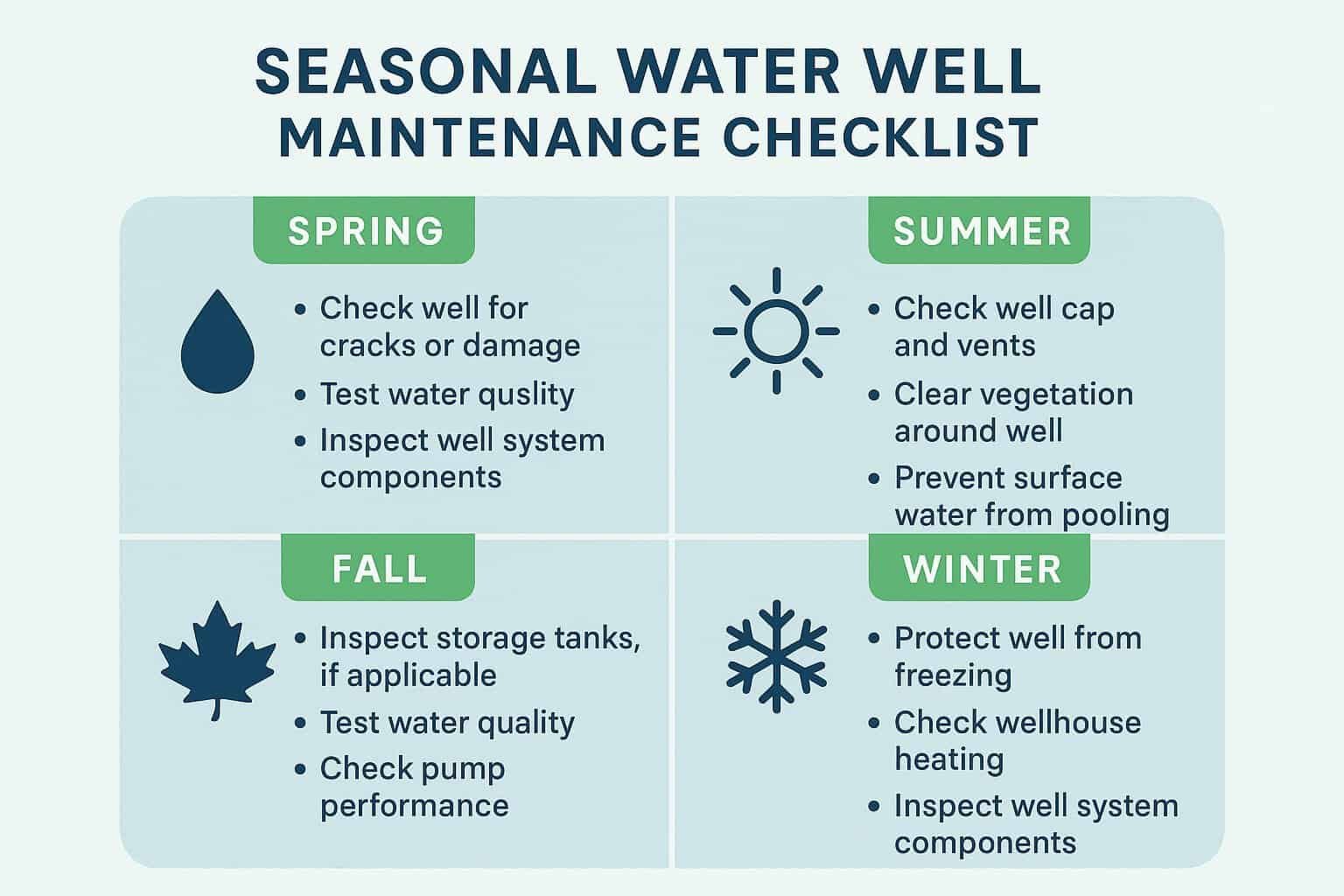
**Table of Contents**
– **[Why Seasonal Well Maintenance Saves Money](#why-seasonal-maintenance-saves-money)**
– **[Spring Well Maintenance Checklist](#spring-well-maintenance-checklist)**
– **[Summer Well Maintenance Checklist](#summer-well-maintenance-checklist)**
– **[Fall Well Maintenance Checklist](#fall-well-maintenance-checklist)**
– **[Winter Well Maintenance Checklist](#winter-well-maintenance-checklist)**
– **[Year-Round Maintenance Tasks](#year-round-maintenance-tasks)**
– **[When to Call a Professional](#when-to-call-a-professional)**
– **[Financial Assistance & 2026 Funding Programs](#financial-assistance-2026-funding)**
– **[Complete Seasonal Maintenance Schedule](#printable-seasonal-checklist)**
## Why Seasonal Well Maintenance Saves Money
Your water well is a major investment—typically costing $5,000 to $15,000 to install—yet it often receives little attention until something goes wrong. **Seasonal maintenance is your best defense against costly breakdowns**, with neglected wells costing 3-5 times more in repairs than regularly maintained systems.
A 2025 study by the National Ground Water Association found that homeowners who performed seasonal well inspections spent an average of **$287 per year** on maintenance versus **$1,847 per year** for those who waited for problems to arise. That’s a **640% savings** through preventive care.
### Common Seasonal Failure Modes
| Season | Common Problem | Average Repair Cost | Prevention Cost |
|---|---|---|---|
| Spring | Winter damage discovery, contaminated water | $500-$3,000 | $150-$400 |
| Summer | Low water levels, pump overheating | $800-$5,000 | $200-$600 |
| Fall | Frozen pipes, debris blocking vents | $300-$2,500 | $100-$350 |
| Winter | Frozen well heads, pressure system failure | $1,200-$8,000 | $250-$700 |
### The ROI of Regular Maintenance
* Preventive maintenance cost: $800-$1,200 annually
* Emergency repair average: $2,400-$6,500 per incident
* Well replacement cost: $8,000-$20,000+
* Extended well lifespan: 25-35 years vs. 15-20 years with neglect
Think of seasonal maintenance like changing the oil in your car—it’s a small cost that prevents catastrophic failure. Your well provides your home’s lifeblood; protecting it should be your top priority.
## Spring Well Maintenance Checklist (Post-Winter Recovery)
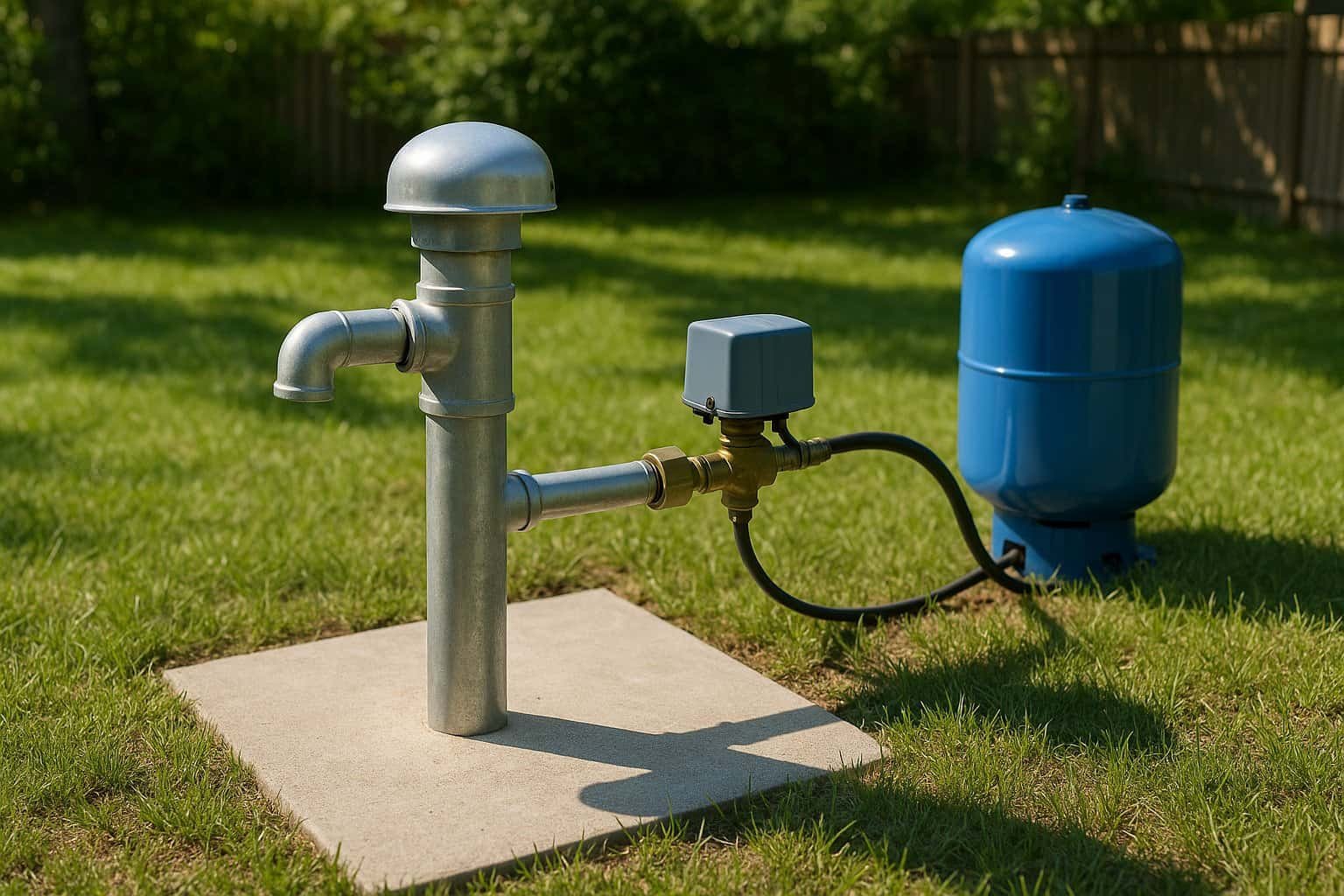
Winter can be brutal on your well system. Freezing temperatures, ice formation, and reduced water usage create conditions for problems that reveal themselves when spring thaw begins. **Spring maintenance is essentially damage assessment and system recovery.**
### Inspect for Winter Damage (Frozen Pipes, Cracked Casing)
Walk around your well head first thing in spring. Look for:
* **Cracks in well casing** caused by ground shifting during freeze-thaw cycles
* **Damaged well caps** that may have cracked from ice pressure
* **Exposed pipes** that weren’t adequately insulated
* **Ice dams** near the well head that could cause flooding
* **Standing water** around the well (indicates possible leak or poor drainage)
**Critical:** If you see any visible cracks or damage, stop using the water immediately and contact a well professional. Contaminated water poses serious health risks.
### Test Water Quality After Thaw
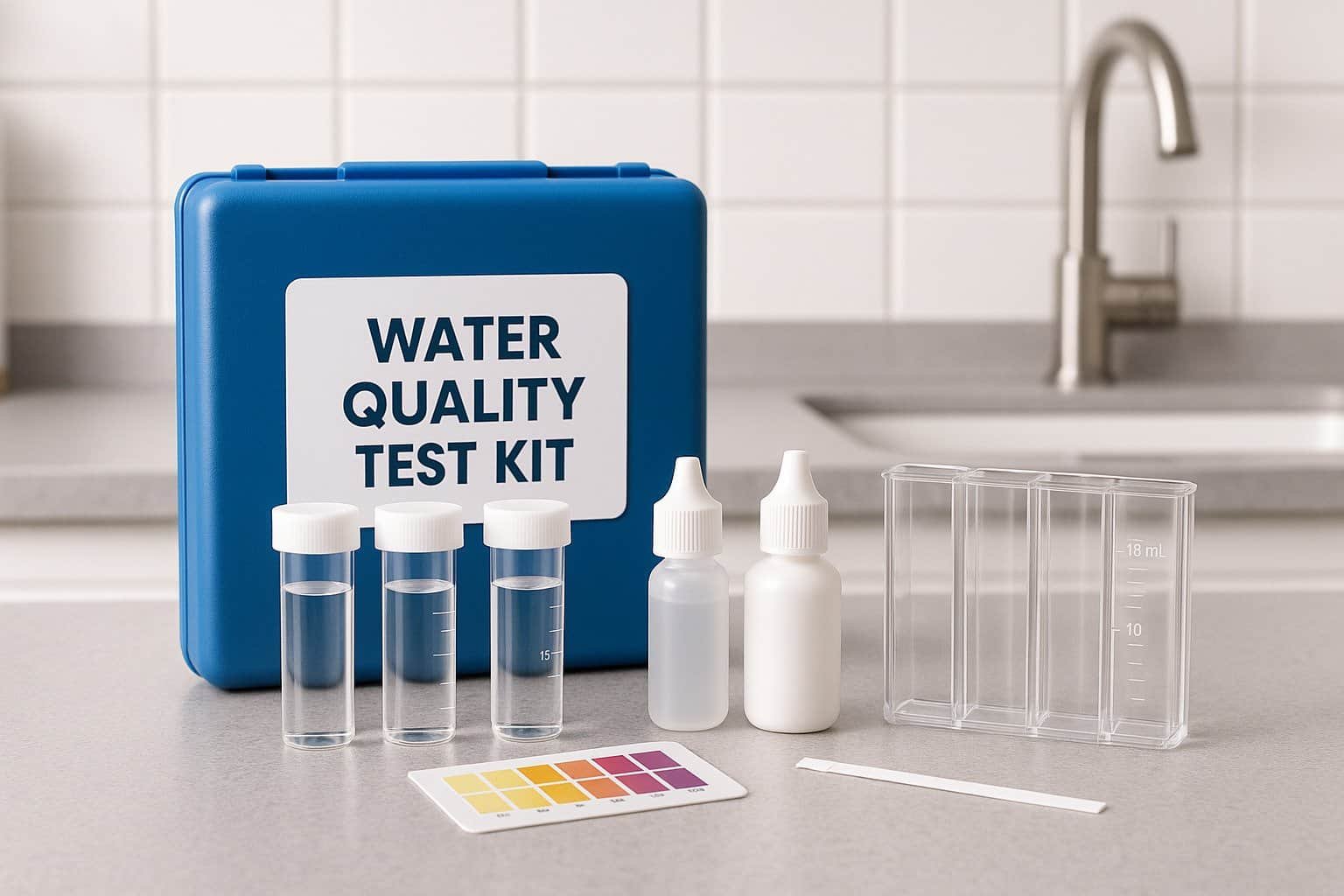
Spring runoff can introduce bacteria, nitrates, and other contaminants into your well. **Testing is non-negotiable** after winter:
**Essential Tests:**
* **Coliform bacteria** (includes E. coli) – $15-$50
* **Nitrates/nitrites** – $20-$40
* **pH and hardness** – $10-$30
* **Any local concerns** (arsenic, uranium, etc.) – $30-$100 each
**How to Test:**
1. Use an EPA-certified lab (find one through your state health department)
2. Collect sample following lab instructions exactly
3. Run water for 5 minutes before collecting
4. Use cold water tap only (never hot water)
5. Deliver to lab within 24 hours (or follow specific instructions)
### Clean Well Cap and Vent
Your well cap is the first line of defense against contamination. Winter debris, ice, and rodent activity can compromise it:
1. **Remove debris** (leaves, twigs, snow accumulation) from around well head
2. **Clean the cap** with mild soap and water
3. **Inspect the cap** for cracks or loose parts
4. **Check the vent** for blockages (rodent nests are common)
5. **Tighten all components** but don’t overtighten plastic parts
6. **Replace if damaged** (new caps cost $50-$150)
**Safety Note:** Never remove the well cap unless you’re a trained professional. Disturbing the seal can introduce contaminants.
### Pressure Tank Air Charge Check
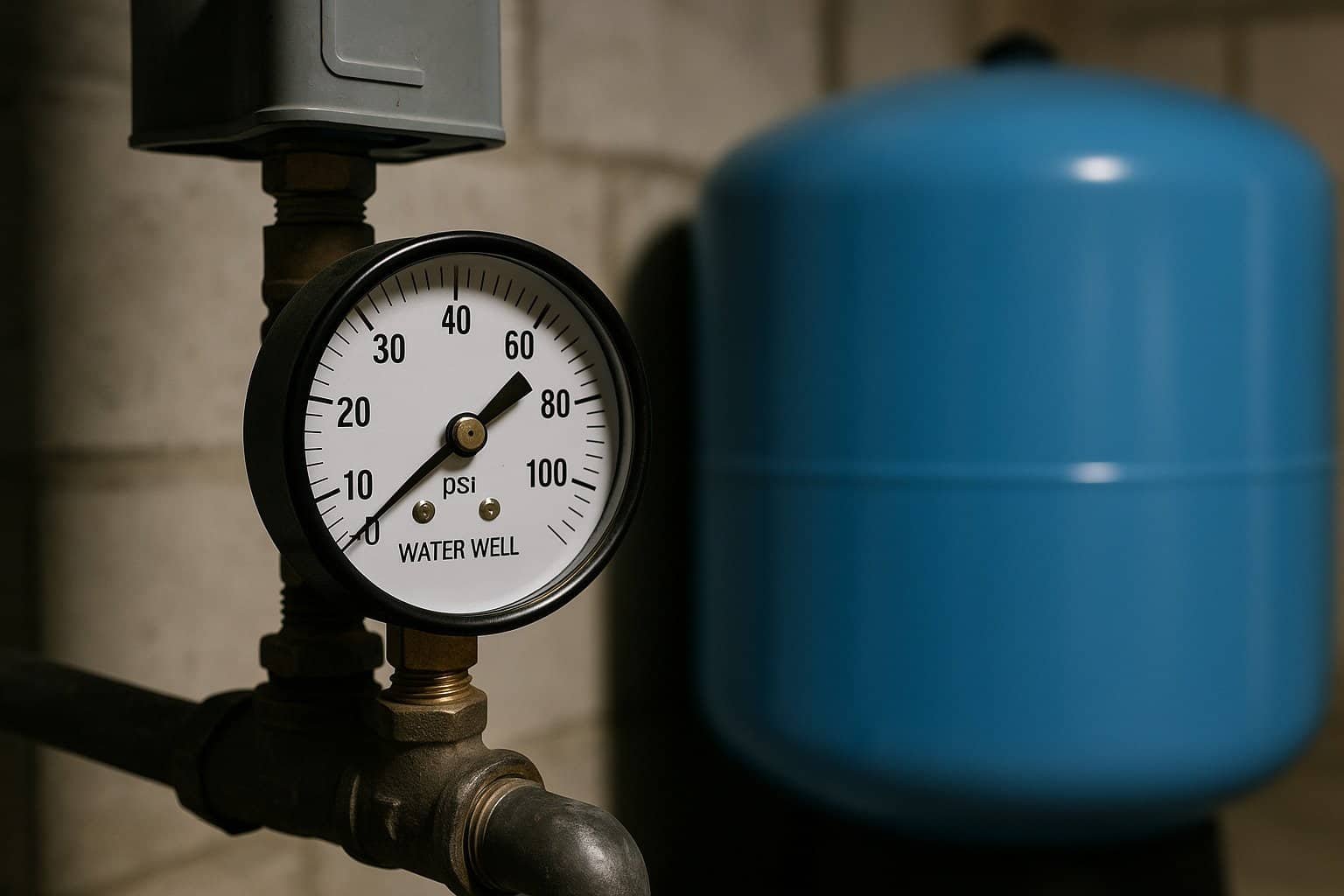
Winter temperature fluctuations can affect pressure tank air charge, causing pump cycling issues:
**How to Check:**
1. **Turn off power** to well pump at breaker
2. **Open a faucet** to drain water pressure (watch gauge hit 0 psi)
3. **Close faucet** and restore power
4. **Wait for pump to shut off** and note pressure gauge reading
5. **Measure tank air pressure** with tire gauge at Schrader valve
6. **Air pressure should be** 2 psi below pump cut-in pressure (typically 28 psi for 30/50 switch)
**Adjustment:**
* **Too low:** Add air with bicycle pump or compressor
* **Too high:** Release air with valve tool
* **Water coming from valve:** Tank is waterlogged – needs replacement
## Summer Well Maintenance Checklist (Peak Usage Season)
Summer brings peak water demand—irrigation, pools, increased bathing, and guests all strain your well. **Low water levels and equipment overheating are your biggest summer threats.**
### Monitor Water Levels During High Demand
During dry spells, your well’s water table can drop below safe operating levels. **Warning Signs** include reduced water pressure at all fixtures, air sputtering from taps, pump running constantly or cycling rapidly, and water appearing cloudy or containing sediment.
**How to Monitor:**
* **Check pressure gauge** daily during heat waves
* **Track daily usage** (showers, laundry, irrigation)
* **Notice recovery time** (how long until pressure returns after use)
* **Consider a well monitor** ($150-$400) for automated tracking
If levels drop, reduce non-essential use immediately, stagger high-use activities, limit irrigation to essential landscaping only, and contact a professional if problems persist for 2+ days.
### Check for Pump Overheating
Submersible pumps run harder in summer and can overheat. **Symptoms** include the pump tripping off repeatedly, breaker keeping tripping, water feeling warm from taps, unusual humming noises, and pressure drops during use.
**Prevention:** Ensure adequate ventilation in pump house (if applicable), check electrical connections for heat damage, verify pump sizing matches your well’s capacity, consider a variable speed pump for better temperature management, and install a pressure tank large enough to reduce cycling.
**Emergency Response:** Turn off pump at breaker if overheating suspected, wait 30 minutes before restarting, and call a professional if problem returns. Use alternative water until repaired.
### Inspect for Algae/Bacterial Growth
Warm temperatures and increased sunlight promote algae and bacteria. **What to Look For** includes green tint in water or around well head, musty odors from water, slimy residue on fixtures, visible algae near well head, and reduced water clarity.
**Prevention:** Keep well head shaded but not blocked, remove vegetation within 10 feet of well, ensure proper drainage away from well, consider UV treatment if bacterial issues recur, and test water monthly during summer.
### Test Water Quality Monthly
Summer conditions warrant more frequent testing. **Monthly Tests** should include bacteria (especially after heavy rains), nitrates (if near agricultural areas), and pH (can shift with temperature). **Quarterly Tests** should include a complete panel. Budget $50-$100/month for basic monthly testing or $200-$500/quarter for comprehensive testing.
## Fall Well Maintenance Checklist (Pre-Winter Prep)
Fall is your last chance to prepare for winter. **Neglecting fall maintenance is the #1 cause of winter well emergencies.** A few hours of preparation now can prevent thousands in frozen pipe repairs.
### Insulate Exposed Pipes
Any pipe exposed to freezing temperatures can burst. **What to Insulate** includes above-ground pipes from well to house, well head components, outdoor spigots, well house walls if unheated, and any exposed electrical components.
**Insulation Materials:**
* **Foam pipe sleeves** (R-3 to R-5, $1-$3 per foot) for standard pipes
* **Heat tape** (no R-value, $30-$100 per 25ft) for extreme cold areas
* **Fiberglass wrap** (R-3 to R-6, $20-$50 per roll) for well houses
* **Pre-formed well blankets** (R-10+, $100-$300) for complete well heads
**Installation Tips:** Clean surfaces before applying insulation, seal all gaps with weatherproof sealant, layer insulation in extreme climates (R-15+), secure with waterproof tape at all seams, and check manufacturer’s temperature ratings.
### Drain Outdoor Spigots
Frozen outdoor faucets are the most common winter well failure. **Proper Winterization:** shut off water to outdoor spigots via indoor valve, open outdoor spigot to drain remaining water, leave spigot open all winter, disconnect and drain hoses completely, and store hoses indoors.
For frost-free spigots, still need to drain—they’re not freeze-proof. Check vacuum valve is working properly, ensure proper pitch away from house, and insulate anyway in extreme cold climates.
### Clean Well Area of Fallen Debris
Fall leaves and debris create contamination and flooding risks. **Cleaning Tasks:** remove leaves within 10 feet of well head, clear gutter downspouts away from well, trim overhanging branches that drop debris, rake and remove grass clippings, ensure drainage flows away from well (not toward it), and check and clear well cap vent of debris.
Decomposing leaves release nutrients that feed bacteria, standing water from poor drainage can contaminate well, blocked vents can cause pressure issues, and debris retention creates ice dams in winter.
## Winter Well Maintenance Checklist (Cold Weather Protection)
Winter is when neglect becomes expensive. **Frozen wells cost an average of $1,200-$8,000 to repair** versus $250-$700 for preventive maintenance.
### Monitor for Freezing Conditions
Stay alert during cold snaps. **Temperature Watch:** below 20°F begin heightened monitoring, below 10°F take preventive action, below 0°F emergency protocols in effect, and wind chill matters—factor in wind speed.
**What to Monitor:** weather forecasts for cold snaps, local well owner groups for regional issues, your pressure gauge for changes, and water flow for reductions.
### Keep Well House Heated (If Applicable)
If your well has a well house or pump house, **Heating Requirements:** maintain 50°F minimum inside, use thermostatically controlled heaters, ensure proper ventilation (safety first!), and check heat source daily during cold snaps.
**Heating Options:** oil-filled radiator ($50-$150) for small pump houses, propane heater ($100-$300) for larger spaces, electric heat tape ($30-$80) for pipes only, and small space heater ($40-$120) for well houses.
**Safety First:** never use open flame heaters indoors, ensure proper ventilation for fuel-burning heaters, install carbon monoxide detector if using fuel heater, and check electrical cords are rated for outdoor/cold use.
### Run Water During Extreme Cold Snaps
Running water prevents freezing. **When to Run:** temperatures below 20°F for 2+ consecutive days, during wind chills below 0°F, overnight during cold snaps, and if your well has experienced freezing before.
**How to Run:** run cold water slowly from indoor faucet, keep it dripping (not full flow), run long enough to fill sink slightly, continue throughout extreme cold period, and check periodically that water is flowing.
## Year-Round Maintenance Tasks
Beyond seasonal checklists, some tasks deserve regular attention.
### Monthly Visual Inspections
**Do This Every Month:** check pressure gauge reading (should be stable), listen for unusual pump noises, look for leaks around well components, inspect well cap for damage or tampering, verify water clarity and smell, and check for standing water near well head.
### Quarterly Pressure Tests
**Every 3 Months:** test pressure tank air charge, verify pump cut-in/cut-out pressures, check for pump cycling (more than 10x per hour is excessive), measure flow rate at outdoor spigot, and test pressure switch operation.
### Annual Professional Inspection
**Once Per Year (Spring Recommended):** complete system inspection by certified well professional, water quality testing (comprehensive panel), well depth and water level verification, equipment condition assessment, and recommendations for repairs or upgrades. Cost: $150-$400 depending on services.
## When to Call a Professional
Some tasks are DIY-friendly, but others always require expertise.
### Red Flags Requiring Expert Intervention
**Call a professional immediately if:** no water from taps, brown or cloudy water persists after flushing, sulfur (rotten egg) smell from water, visible well damage (cracks, severe corrosion), well head is leaking, pump runs continuously, breaker keeps tripping, water pressure drops significantly, water bill spikes without increased usage, or contamination detected in water tests.
### Average Service Call Costs
| Service Type | Typical Cost Range | When Needed |
|---|---|---|
| Basic inspection | $100-$250 | Annual check-up |
| Minor repair | $200-$800 | Pressure switch, tank |
| Pump replacement | $1,500-$4,000 | Pump failure |
| Well cleaning | $500-$2,000 | Sediment buildup |
| Well disinfection | $300-$800 | Bacterial contamination |
| Emergency service | $500-$1,500+ | After hours, urgent |
| Well deepening | $3,000-$10,000+ | Low water table |
### Finding Qualified Well Contractors
**Verify Credentials:** state licensing (required in most states), insurance coverage (liability + worker’s comp), references from recent customers, specialization in residential wells, Better Business Bureau rating, and Professional associations (NGWA member).
**Questions to Ask:** Are you licensed and insured? How long have you been in business? Can you provide references? What’s your typical response time? Do you offer emergency service? What warranties do you provide? Can you provide a written estimate? What payment methods do you accept?
## Financial Assistance & 2026 Funding Programs
Well maintenance can be expensive, but help is available.
### Federal Programs
**USDA Rural Development (Well Assistance):** Single Family Water Well Assistance program, available in rural areas with income limits, providing up to 85% of repair/replacement costs through local USDA offices. 2026 status: active with increased funding.
**EPA Well Head Protection Grants:** State Revolving Fund (SRF) program, eligibility varies by state, providing low-interest loans for well improvements through state environmental agencies. Check state-specific availability for 2026.
### State Programs
* **California:** Healthy Homes and Water Infrastructure Grant, up to $50,000 for well repairs/replacement, income-based assistance available
* **Texas:** Rural Water and Wastewater Disinfected Loan, low-interest loans for well improvements with deferred payment options
* **Florida:** Clean Water/Restoration Grant, well replacement for contaminated systems with environmental justice priorities
**Check Your State:** Visit your state health department website, contact your state groundwater association, or call your local extension office.
### Utility Incentives
**Many utilities offer:** water efficiency rebates ($50-$500), well testing discounts (50% off lab fees), equipment upgrade incentives for efficient pumps, and free water conservation audits. Check your water utility’s website or call customer service to ask about conservation programs.
## Complete Seasonal Maintenance Schedule (Printable)
### Spring Checklist (March-May)
* Inspect well head for winter damage
* Test water quality (bacteria, nitrates, pH)
* Clean well cap and vent
* Flush water system thoroughly
* Check pressure tank air charge
* Insulate any exposed pipes discovered
* Remove debris from well area
* Schedule annual professional inspection
* Review and update maintenance records
### Summer Checklist (June-August)
* Monitor water levels daily during heat waves
* Check for pump overheating signs
* Test water quality monthly
* Inspect for algae/bacterial growth
* Reduce irrigation if well struggling
* Check pressure gauge regularly
* Listen for unusual pump noises
* Verify drainage away from well
* Track water usage patterns
### Fall Checklist (September-November)
* Insulate all exposed pipes
* Drain and winterize outdoor spigots
* Clean well area of leaves/debris
* Run final comprehensive water test
* Winterize well equipment
* Check and service well house heating
* Clear drainage paths
* Verify pressure tank condition
* Prepare emergency contact list
* Stock emergency water supply
### Winter Checklist (December-February)
* Monitor weather for extreme cold
* Keep well house heated (if applicable)
* Run water during extreme cold snaps
* Clear snow from well head area
* Check pressure gauge daily
* Inspect for ice formation
* Verify emergency water supply available
* Know emergency thawing procedures
* Have well contractor contact ready
### Year-Round Tasks
* Monthly visual inspection
* Quarterly pressure tests
* Annual professional inspection
* Annual comprehensive water testing
* Update maintenance records
* Review insurance coverage
* Check for new safety regulations
## Summary: Your Well Maintenance Game Plan
**Seasonal well maintenance is an investment that pays for itself many times over.** Here’s your action plan:
**This Month:**
1. **Run a complete water quality test** if you haven’t in 6 months
2. **Inspect your well head** for any visible issues
3. **Check your pressure gauge** and note the reading
4. **Create or update your maintenance log**
5. **Research local well contractors** for emergencies
**This Season:**
1. Complete the full seasonal checklist above
2. Address any issues discovered immediately
3. Budget for maintenance ($200-$500 per season)
4. Research financial assistance programs in your area
**This Year:**
1. Schedule annual professional inspection
2. Complete all four seasonal checklists
3. Test water quality at least twice
4. Update your emergency plan
5. Review and adjust based on what you learned
**Remember:** A well that’s maintained properly lasts 25-35 years. A neglected well lasts 15-20 years and costs 3-5 times more in repairs. The choice is yours.
**Your water well is your home’s lifeblood. Treat it right, and it will serve you well for decades.**
This article provides general guidance. Always consult a certified well professional for specific issues with your well system. Follow all local codes and regulations for well maintenance and repairs.
Sources
The guidance in this article is informed by the following authoritative sources:
- USGS — Ground Water — U.S. Geological Service data on groundwater levels, well construction, and water quality.
- EPA — WaterSense — EPA guidance on water conservation and water quality standards.
- CDC — Water and Wellness — Centers for Disease Control and Prevention guidance on safe drinking water.
External links open in a new tab. Verify current details with the source before relying on them.