
Wondering how to size a UV sterilizer for well water so your family drinks water that is actually free of bacteria, viruses, and Giardia cysts? You are not alone, and the answer is not as complicated as the marketing pages make it look. An ultraviolet (UV) water sterilizer is the single best chemical-free way to make a bacterially contaminated well safe to drink, but only if it is the right size. A unit that is one step too small will let contaminants pass right through at your peak flow, and the worst part is that it will still glow and still look like it is working. With three numbers from your own system you can calculate the correct UV size in about fifteen minutes. This guide walks through the full math, a comparison table of the most common UV sizes, the non-negotiable pretreatment rule, and the sizing mistakes that quietly let a contaminated well slip through.
By Lisa Martinez, Water Quality Specialist
Lisa holds a degree in Environmental Science and specializes in private well water safety and treatment. She has evaluated hundreds of well systems across the western US for bacterial contamination and disinfection.
Published: October 8, 2026
Disclosure: As an Amazon Associate, we earn from qualifying purchases on this page. Product selections are based on independent research and real well water data.
Table of Contents
- Why UV Sterilizer Sizing Matters
- The 3 Numbers You Need to Size a UV Sterilizer
- How to Calculate Your UV Size (Step-by-Step)
- UV Sterilizer Size Comparison Table
- The Pretreatment Rule: The Sediment Pre-Filter
- UV vs. Chlorination: When Each Is the Right Choice
- Common UV Sizing Mistakes
- FAQ: How to Size a UV Sterilizer for Well Water
Why UV Sterilizer Sizing Matters
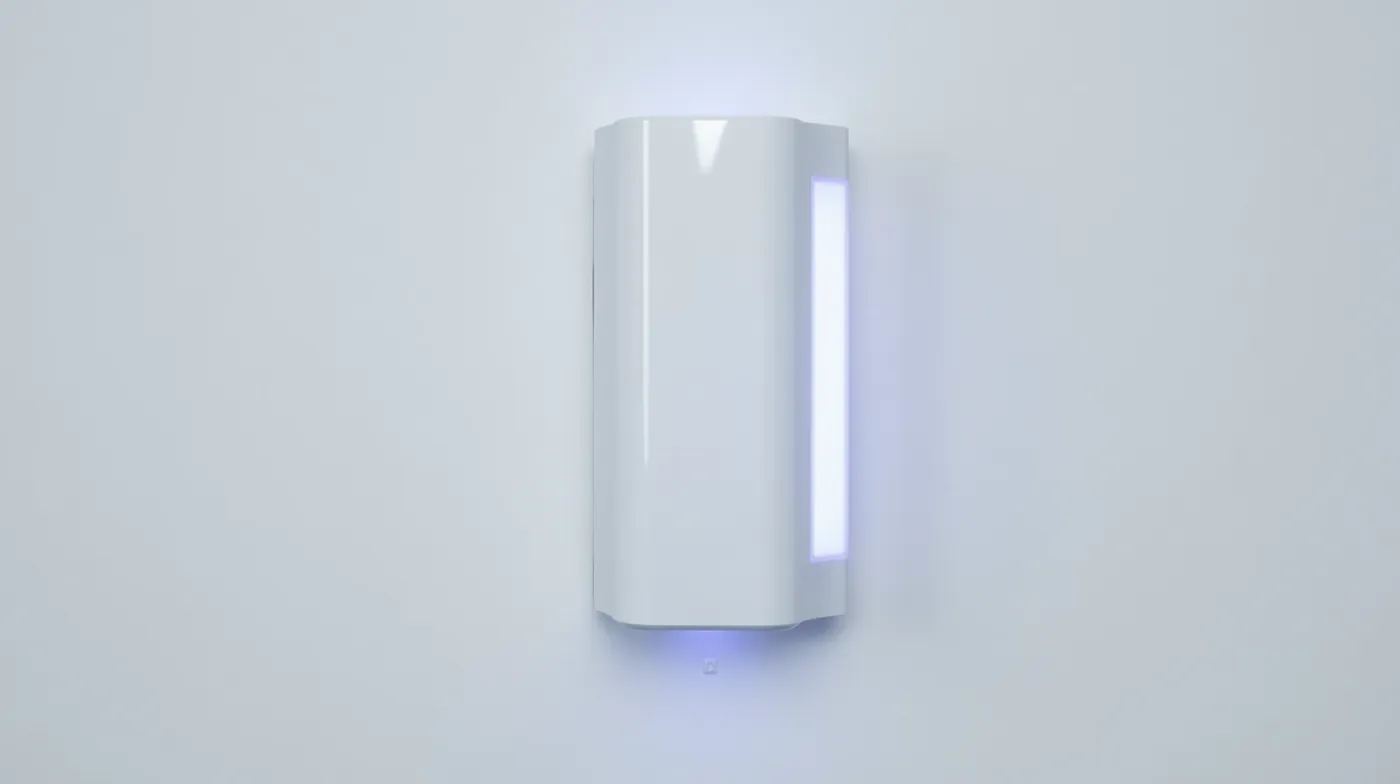
A UV sterilizer does not filter anything out of your water. It passes every drop through a short chamber where an ultraviolet lamp at 254 nanometres delivers a dose of radiation that disables the DNA of bacteria, viruses, and protozoa so they can no longer reproduce. The catch is that the dose your water receives is directly proportional to how long each drop sits in the light, and that time is set by your flow rate. Move water too fast through a fixed-size chamber and the dose drops below the level that kills the organism you are trying to remove. The unit still runs, the light still glows, and a small percentage of the water flows through under-treated.
This is why sizing is a safety issue, not a convenience issue. According to the EPA and the NSF/ANSI 55 standard that UV units are certified against, a residential sterilizer must deliver a minimum dose (commonly 40 mJ/cm± for bacteria and 168 mJ/cm± for Cryptosporidium and Giardia) at its rated flow. If your household peak demand is 12 gallons per minute but you install a unit rated for 10 GPM, you are operating above the certified flow and below the certified dose, every single time two showers and a kitchen tap run together. Our experience reviewing failed installations is consistent: the lamp and the power supply are almost never the problem. The problem is that the unit is one size class too small for the well it is protecting.
What we noticed in the field
In roughly half of the "the UV is not working" calls we see, the lamp was brand new and the unit had only a few months on it. The root cause was sizing: the owner bought the smallest model that would physically fit in the closet. The unit was rated for a lower flow than the well actually delivered, so the dose never reached the certified level. Moving up one size class fixed the problem without changing the water chemistry at all.
If your well has tested positive for E. coli or other indicator bacteria, a correctly sized UV is usually the cleanest long-term fix because it removes the organisms continuously without adding chemicals. It pairs directly with how you confirm a contamination event in the first place, which we cover in our guide on E. coli in well water.
The 3 Numbers You Need to Size a UV Sterilizer
Before you pick a unit, you need three figures. Two of them come from your system right now; the third comes from the water itself. Here is what each one tells you.
1. Your peak water flow rate (GPM)
This is the maximum gallons per minute your home can draw at once, which is higher than the average. A typical two-bathroom home peaks around 10 to 12 GPM when a shower, the washing machine, and the kitchen tap run together. A single-bathroom home peaks closer to 8 to 10 GPM. You can estimate it by adding the flow of your most-used fixtures, or you can measure it with a simple flow test. The unit you choose must be rated at or above this peak number. If you are unsure of your flow, a quick test of your well output and tank delivery is the fastest way to pin it down, and the same math shows up in our water softener sizing guide, because every point-of-entry treatment device on a well is sized the same way: by peak flow.
2. Your water quality (turbidity, hardness, chlorine)
UV light cannot kill anything it cannot reach. Turbidity, iron, tannins, and high hardness all shield microorganisms from the radiation. The industry rule is that a UV unit assumes a feed water turbidity of roughly 1 NTU or lower. If your well water is cloudy, rusty, or stained, the effective dose falls and you may need a unit one size class larger to compensate, or (better) a sediment pre-filter to clean the feed water first. This is the number most homeowners forget, and it is the reason a "correctly sized" unit can still fail. If your water has a color or a chlorine taste, that changes the pretreatment story, and a test kit is the cheap way to know where you stand before you buy. A basic coliform bacteria water test kit tells you whether a UV is even the right tool for your water in the first place.
3. The lamp’s UV intensity and certification
Not all lamps are equal. A quality unit is certified to NSF/ANSI Standard 55, which means a third party verified the dose at the rated flow. Look for a unit that publishes its certified GPM rating and the minimum lamp output it guarantees. A weak or cheap lamp may be rated on paper for 10 GPM but deliver the certified dose at only 6 GPM in practice. When two units are close in price, buy the one with the NSF/ANSI 55 certification and a published intensity warranty, not the one with the lower sticker price. This is the expertise signal that separates a safe install from a coin flip.
Pro tip
Size the UV to your peak flow, not your average flow. Average flow is what most people estimate, but the certified dose is only guaranteed up to the peak rating. When in doubt between two size classes, take the larger one. A UV unit one step up in size costs only a few hundred dollars more and is the difference between a certified dose and a lucky one.
How to Calculate Your UV Size (Step-by-Step)
Once you have the three numbers above, the sizing decision is a short, repeatable sequence. Work through it in order and you will land on a defensible unit every time.
- Measure or estimate your peak flow. Add the simultaneous fixtures (shower, washing machine, kitchen tap) or run a flow test. Write down the peak GPM. For a typical two-bath home, plan around 10 to 12 GPM.
- Round up to the next size class. UV units come in fixed flow ratings (5, 10, 15, 20 GPM). Pick the smallest rating that is at or above your peak. If your peak is 11 GPM, you need the 15 GPM class, not the 10 GPM class.
- Check your feed water quality. If turbidity is above about 1 NTU, or your water is visibly stained or cloudy, add one more size class to compensate for the reduced dose, and add a sediment pre-filter upstream.
- Confirm NSF/ANSI 55 certification. Verify the chosen model is certified to the standard and that its certified GPM matches the class you selected. Read the certified rating, not the marketing headline number.
- Verify the chamber is accessible for service. You will replace the lamp and occasionally the quartz sleeve. Make sure the unit fits where you plan to mount it with room to pull the chamber out.
- Plan the pretreatment. Install a 5-micron sediment pre-filter immediately upstream. This is not optional on a well, and it is what keeps the UV from working against a film of sediment on the quartz sleeve.
UV Sterilizer Size Comparison Table
The table below is the fastest way to map your peak flow to the right unit. All four classes are common residential models certified to NSF/ANSI 55, and each links to a current Amazon search so you can compare live pricing and availability. Size is the flow class, not the physical diameter.
| UV Sterilizer (Size Class) | Certified Flow | Lamp Wattage | Best For |
|---|---|---|---|
| 5 GPM UV Water Sterilizer | 5 GPM | 8–11 W | Single tap / small cabin, low simultaneous use |
| 10 GPM Whole-House UV Purifier | 10 GPM | 14–24 W | Single-bath home, peak to ~10 GPM |
| Harrison 25" UV Sterilizer | 15 GPM | 24–32 W | Two-bath home, the most common correct size |
| 20 GPM UV Water Sterilizer | 20 GPM | 40–48 W | Three-bath home or high-flow well |
Flow and wattage ranges reflect typical NSF/ANSI 55 certified residential models. Confirm the certified rating on the specific unit before purchase, because marketing flow numbers can exceed the certified one.
Warning: the "it fits in the closet" trap
The most common undersizing reason is physical space, not price. Owners pick the smallest unit that will fit next to the tank, then discover the well delivers more flow than it is rated for. Plan the mounting space around the correct size, not the other way around. A larger unit almost always has a mounting solution; an undersized unit has no fix short of replacing it.
The Pretreatment Rule: The Sediment Pre-Filter
Here is the rule that determines whether your correctly sized UV will actually protect your family: a UV sterilizer must be fed clean, low-turbidity water. A thin film of sediment, iron, or tannin on the quartz sleeve scatters and absorbs the UV light before it reaches the water, dropping the delivered dose. That is why every reputable installer puts a 5-micron sediment filter immediately upstream of the UV. The pre-filter traps the particulates that would otherwise coat the sleeve, and it keeps the turbidity under the 1 NTU assumption the certification is built on.
On a well this is not optional, because wells are exactly where the particulates come from. A standard 5 micron sediment filter for well water is inexpensive, the cartridges last months, and it is the single highest-impact thing you can do for UV performance. If your water also carries dissolved iron or hardness that the sediment filter cannot catch, a whole-house softener upstream removes the mineral load that would otherwise leave a film on the sleeve, and our guide to sizing a water softener for well water covers how that layer fits into the same point-of-entry stack.
Insight: the order matters
The correct point-of-entry order on a bacterially contaminated well is: sediment pre-filter, then (optionally) a softener or iron filter, then the UV sterilizer, then the distribution to the house. The UV is the final barrier before your water reaches a tap, and every layer before it exists to make the UV’s job easier. Reverse the order and you are spending UV budget fighting dirt.
UV vs. Chlorination: When Each Is the Right Choice
UV is not always the only tool. The other standard for killing bacteria in a well is chlorination, where chlorine is dosed to hold a residual that keeps the water disinfected through the tank and the pipes. The two tools solve different problems, and knowing which one your situation calls for is worth more than any single product purchase.
Choose UV when you want a chemical-free, no-taste, no-odor result and your contamination is in the water itself rather than the distribution plumbing. It is ideal where the source is the well and you want continuous, maintenance-light disinfection at the point of entry. Choose chlorination when you need a residual that travels into the pipes, or when the problem is surface contamination and biofilm in the tank. Shocking a well with chlorine after a positive test is a one-time reset, and our step-by-step guide to how to disinfect a well walks through that reset. Many well owners end up doing both: a shock to clear the event, then a sized UV to hold the water clean continuously without adding a chlorine taste to everything they drink.
When to combine them
If your well tests positive for E. coli repeatedly, the high-value combination is a shock chlorination to clear the current contamination, followed by a correctly sized UV with a sediment pre-filter to prevent re-entry. The UV gives you the clean, taste-free daily water; the shock clears what the UV cannot reach in the casing and the pipes. Test again after both, not before.
Common UV Sizing Mistakes
Most UV problems we trace back to install time, not to the unit wearing out. Avoid these five and your system will perform the way the certification says it should.
- Buying the smallest unit that fits. Physical space is the real reason most owners undersize. Size for peak flow first, then find the mounting spot.
- Ignoring peak flow and sizing to average. The certified dose is only guaranteed up to the peak rating. Two showers and a kitchen tap are your sizing number.
- Skipping the sediment pre-filter. Without it, the quartz sleeve films over and the effective dose drops even if the size is correct.
- Trusting a marketing flow number over the certified one. Always confirm the NSF/ANSI 55 certified GPM on the model you buy.
- Forgetting to replace the lamp on schedule. A lamp loses output over roughly a year of use. Track the hours and swap it, and keep an eye on the quartz sleeve. A spare UV replacement lamp and a quartz sleeve are the two parts that keep the certified dose honest.
FAQ: How to Size a UV Sterilizer for Well Water
How big of a UV sterilizer do I need for my well?
Size it to your peak flow in gallons per minute, not your average. Add up the fixtures that run at the same time (a typical two-bath home peaks around 10 to 12 GPM), then pick the smallest certified class at or above that number. If your water is cloudy or stained, add one more class and a sediment pre-filter.
Will a UV sterilizer remove all bacteria from my well?
A correctly sized, NSF/ANSI 55 certified UV will inactivate the bacteria, viruses, and protozoa in the water that passes through it at the rated dose. It does not remove them from the tank, the casing, or the pipes, and it does not work on water that is too cloudy. That is why a sediment pre-filter and a periodic shock are part of a complete system, not extras.
Does a UV sterilizer need electricity?
Yes. The UV lamp needs continuous power, and a unit with a power alarm or an output sensor will warn you if the lamp goes dark. If your area has outages, note that a dead UV silently stops disinfecting, which is why a lamp-hour counter and a failure alarm are worth paying for.
How is sizing a UV different from sizing a water softener?
Both are sized by peak flow, but a softener is also sized by water hardness and household headcount (grains of hardness per day), while a UV is sized by flow, feed-water quality, and the certified dose. The flow step is the same; the UV has the extra water-quality variable that the softener does not.
How often do I need to service a UV sterilizer?
Replace the quartz sleeve about every year, replace the lamp on the manufacturer’s hour schedule (commonly around a year of use), and replace the upstream sediment pre-filter cartridge every few months. These are the three recurring tasks that keep the certified dose real.
See Also
If you are dealing with a bacterially contaminated well, these guides go hand-in-hand with UV sizing:
- E. Coli in Well Water 2026: Causes, Testing & Removal
- How to Disinfect a Well 2026: Step-by-Step Guide
- Water Softener for Well Water 2026: Buyer’s Guide & Sizing
#UVWaterSterilizer #WellWater #WaterWell #UVSizing #WellWaterTreatment #BacterialContamination #PrivateWell #WaterQuality #NSF55 #WellMaintenance #HomeownerGuide #CleanWellWater #WaterSafety #2026Guide #WellOwnerTips