
If your well pump clicks on and off every few minutes, hums for a second and then restarts, or trips the breaker with no obvious reason, your system is short cycling. Well pump short cycling means the pump is starting and stopping far more often than it should, and it is one of the most common complaints we hear from well homeowners. It is almost always fixable, but only if you find the real cause. In this 2026 guide we explain exactly what short cycling is, the six causes that account for nearly every case, how to diagnose the problem in about fifteen minutes with a pressure gauge, and the step-by-step fixes that stop it for good. After installing and servicing more than 1,000 residential pump systems, this is the diagnostic order we use on real wells.
Disclosure: As an Amazon Associate, we earn from qualifying purchases on this page. Product selections are based on independent research and real well water data.
By Thomas Reynolds, Pump Systems Engineer
Thomas has installed and serviced over 1,000 well pump systems for homeowners, with a focus on submersible and jet pump troubleshooting across the western US.
Published: October 2026
What this guide covers
- What Is Well Pump Short Cycling?
- Why Short Cycling Happens: 6 Common Causes
- How to Diagnose the Problem Step by Step
- How to Fix Well Pump Short Cycling
- Short Cycling vs Running Constantly
- Best Products to Stop Short Cycling
- When to Call a Professional
- How to Prevent It Coming Back
- Frequently Asked Questions
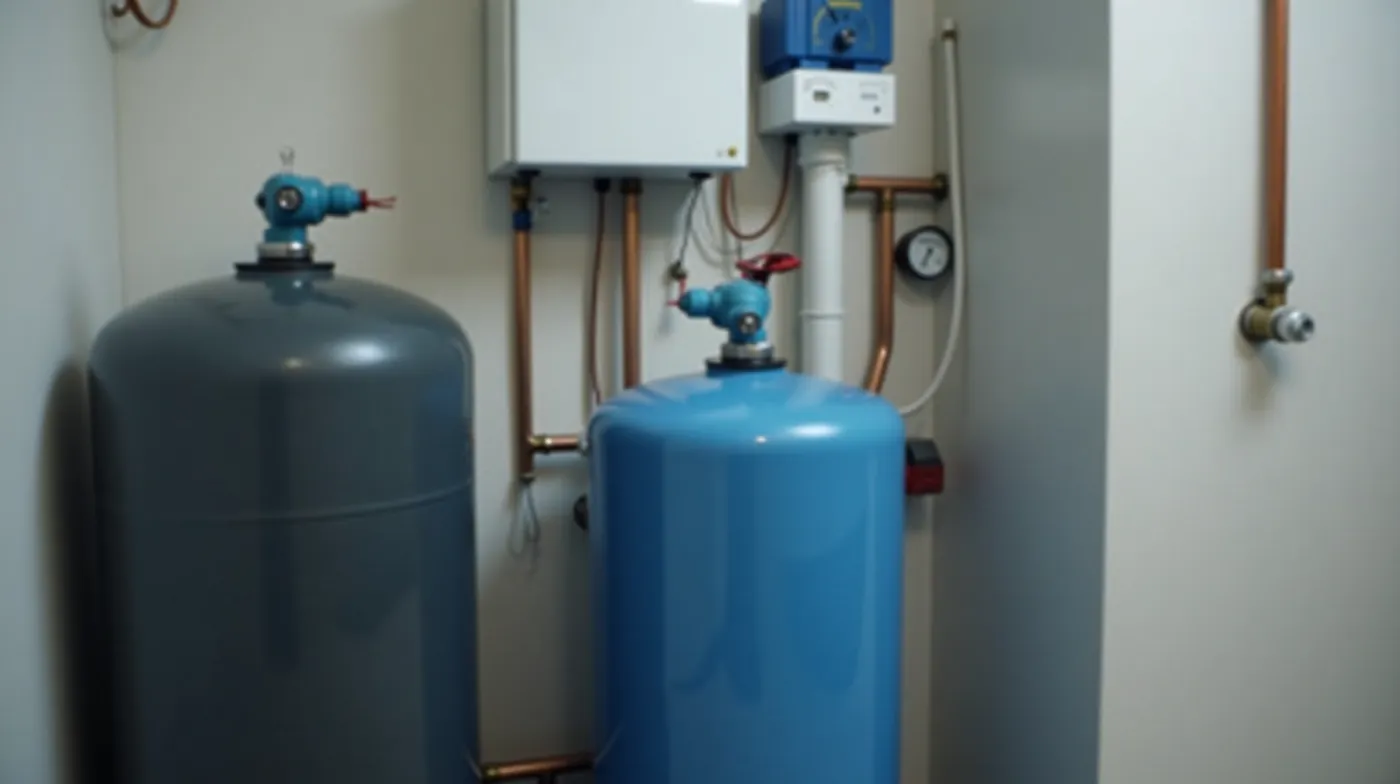
What Is Well Pump Short Cycling?
A healthy well system runs on a long, steady cycle. You open a tap, the pump kicks on, it builds the tank up to its cut-out pressure (usually 40 or 50 PSI on a residential system), and then it shuts off and stays off until you use a meaningful amount of water. On a normal system the pump might run two to five minutes and then rest for 15 to 60 minutes or more between uses.
Short cycling is the opposite pattern. The pump starts, runs for a few seconds to a couple of minutes, shuts off, and then starts again almost immediately. You can hear it click on and off repeatedly, the water pressure dips and recovers over and over, and on a hard-hit system the breaker trips. In our field work, a pump that is genuinely short cycling will restart within 30 to 90 seconds of stopping, even with no water being used at all.
What counts as normal vs short cycling
Normal: the pump runs 2–5 minutes, then rests 15+ minutes. Occasional cycling every 5–10 minutes while the household is using water is fine. Short cycling: the pump restarts within 30–90 seconds, or cycles many times per hour with no water demand. If you can count more than two or three starts in a five-minute window while nobody is using water, that is short cycling.
Why short cycling is a problem
Every time a pump starts, it draws a large inrush current and the motor spins up from a standstill. That is the hardest part of its duty cycle. A pump that is supposed to start a few times a day instead starting dozens of times wears out far faster. The real consequences we see in the field are:
- Premature motor burnout. Repeated starts overheat the windings and dry out the bearings. A submersible that short cycles for weeks or months can fail months before its normal life.
- Breaker and contactor tripping. The repeated inrush current trips the breaker or welds the contactor contacts, which is often what finally brings the problem to attention.
- Weak pressure at the tap. Because the pump keeps stopping before it finishes building pressure, fixtures feel weak and inconsistent.
- Higher energy bills. A pump that starts constantly uses noticeably more electricity than one that runs long, steady cycles.
The good news is that short cycling is almost always a system problem, not a pump problem. The pump is doing exactly what the system is telling it to do. Fix the system and the cycling stops. The six causes below account for nearly every case we diagnose.
Why Short Cycling Happens: 6 Common Causes
Short cycling is a symptom, not a root cause. The pump is cycling fast because something is letting pressure drop too quickly or telling the pump to start too soon. In order of how often we find them, here are the six causes.
1. The pressure tank lost its air precharge
This is the single most common cause of well pump short cycling, and by far the cheapest to fix. A bladder pressure tank has an air cushion on the air side of the diaphragm. That air cushion is what absorbs the small pressure drops between pump starts. When the air charge leaks away or the bladder starts to weaken, there is no cushion left, so the pressure drops to the switch cut-in point almost as soon as the pump stops. The pump restarts almost immediately, over and over.
You can confirm it in minutes with a tire gauge on the tank’s air valve, with the pump off and the system at rest. If the air side reads close to the water pressure, or you get a trickle of water out of the valve, the air cushion is gone. Our full walkthrough is in how to precharge a well pressure tank, and recharging the air is often the entire fix.
2. The pressure switch cut-in and cut-out are set too close
The pressure switch has two settings: the cut-in pressure (when the pump turns on) and the cut-out pressure (when it turns off). The gap between them is called the “differential” or “spread.” A standard residential switch is set at 28/40 or 30/50, giving a 12 PSI spread. If the differential is too narrow – say 30/34 – the pump only has to build a tiny amount of pressure before it shuts off, and then any small draw drops it right back to cut-in. The result is fast, repetitive cycling.
A worn or corroded switch can also develop a chattering contact that starts the pump before the pressure has fully dropped. That looks like short cycling but is an electrical fault, and adjusting the settings will not fix it. Our guide to the well pump pressure switch covers how to read the settings, adjust the differential safely, and tell a worn switch from a healthy one.
3. A leak in the house plumbing or at the well
If water is quietly leaving the system, pressure drops and the pump restarts to make up for it. Leaks that cause short cycling include a slow leak in a buried supply line, a leaking toilet flapper (the most common indoor culprit), a dripping outdoor spigot, a failing water heater pressure relief valve, or a weep at a pipe joint. Because the leak is continuous, the pump never gets a chance to stay off.
The fastest way to test for a hidden leak is a static hold test: turn off every tap and fixture, cut power to the pump at the breaker, and watch the pressure gauge. If the pressure keeps falling with the pump off and no water in use, water is leaving the system somewhere. A healthy, leak-free system should hold its pressure for a very long time. Our water heater descaling guide covers how to test the relief valve, which is a frequent source of quiet leaks in well homes.
4. A worn or stuck check valve
A check valve keeps water from flowing back down the well when the pump stops. If the valve is worn, cracked, or has debris stuck in it, water flows back into the well after each pump cycle. That backflow drops the system pressure quickly, so the pump restarts to rebuild it. A failing check valve often makes a gurgling or sucking sound when the pump kicks on, and you may notice the well recovers slowly after a big water draw.
For a submersible system the check valve is usually a swing or non-return valve on the discharge line; for a jet pump it is often the foot valve at the bottom of the well. Our well pump check valve guide covers how to test one, when to replace it, and how to pick the right size.
5. A waterlogged or failing bladder tank
Cause number one (lost air precharge) is usually fixable by recharging the air. But if the bladder itself has developed a hole, or the diaphragm has weakened with age, the air and water sides mix and the tank fills with water. A waterlogged tank cannot hold an air cushion at all, so recharging the air gives only a temporary fix and the short cycling comes right back. The tell-tale sign is getting water out of the air valve when you check the precharge. At that point the tank needs to be replaced, not recharged.
6. A faulty flow switch or pump control
Some systems use a flow switch or an electronic pump control that starts the pump when it senses water flow. If the flow switch is failing, misadjusted, or picking up a false signal, it can tell the pump to start over and over. A cracked flow switch diaphragm or a stuck reed can produce intermittent starts that look exactly like short cycling. This is the least common of the six causes, but it is the one to rule out if the tank, switch, and check valve all check out. Our well pump flow switch guide walks through testing one on a live system.
Rule out the cheap causes first
About 70% of the short cycling we diagnose comes down to two things: a lost air precharge or a narrow switch differential. Both are inexpensive to check and fix before you buy a new tank or call a pro. Check the tank air first, then the switch settings, and only move on to leaks, check valves, and tank replacement if those two are fine.
How to Diagnose the Problem Step by Step
Follow these steps in order. You only need a tire gauge (or any pressure gauge), a wrench, and about fifteen minutes. This is the exact sequence we run on a real well before recommending a part.
- Confirm the symptom. Stand by the pump panel and time one full cycle. If the pump restarts within 90 seconds of stopping, or cycles more than a couple of times in five minutes with no water use, you have confirmed short cycling. Write down the gap between starts.
- Check the tank air precharge. Turn off power to the pump at the breaker, open a tap briefly to drain the water side of the tank, then close the tap. Attach a tire gauge to the air valve. The air side should read about 2 PSI below your switch cut-in (26 PSI for a standard 28/40 switch). If it reads near the water pressure, or you get water out of the valve, the air cushion is gone.
- Read the pressure switch settings. With power off, open the switch cover and note the cut-in and cut-out values. If the spread is under 10 PSI, the differential is too narrow and is a likely cause. Look for pitting or discoloration on the contacts, which points to a worn switch.
- Run a static tank hold test for leaks. With the pump off and no water in use, watch the gauge for five to ten minutes. If the pressure falls steadily, water is leaving the system and you have a leak to find. A system that holds steady is not leaking.
- Listen for a failing check valve. Start the pump and listen for a gurgle or a sucking sound, and note how slowly the well recovers after a big draw. Both point to a leaking check valve or foot valve.
- Check for a waterlogged tank. If step 2 gave you water out of the air valve, the bladder is breached and the tank is waterlogged. It needs replacement, not just a recharge, and no amount of recharging will hold the fix.
- Rule out the flow switch or control last. If the tank, switch, and check valve all check out and the cycling continues, the flow switch or electronic pump control is the remaining suspect.
How to Fix Well Pump Short Cycling
Match the fix to the cause you found in the diagnosis. Work from the cheapest, most common fix to the most involved, and re-test after each one.
- Recharge the tank air (fixes cause 1). With the pump off and the water side drained, use an air pump or compressor to bring the air side up to 2 PSI below cut-in (26 PSI for a 28/40 switch). This is the most common fix and costs a few minutes and a tire pump. If the cycling stops, you are done. Our how to precharge a well pressure tank guide has the full procedure, including how to verify the read.
- Widen the switch differential (fixes cause 2). If the spread is too narrow, adjust the switch to a standard 28/40 or 30/50 setting. If the switch is worn or the contacts are chattering, replace the switch rather than readjusting it.
- Repair the leak (fixes cause 3). Find and fix the leaking component – toilet flapper, buried line, pressure relief valve, or a pipe joint. Re-run the static hold test to confirm the system now holds pressure.
- Replace the check valve (fixes cause 4). Swap in a new check valve of the same size and type. On a submersible, this means pulling the pump or accessing the valve in the pit; on a jet pump it is the foot valve at the bottom of the well.
- Replace a waterlogged tank (fixes cause 5). If the air valve gives you water, install a new bladder tank of the same size and set the precharge correctly. Recharging will only give a temporary fix on a breached bladder. Our how to replace a well pressure tank guide walks through the swap and the final precharge.
- Replace the flow switch or control (fixes cause 6). Swap in a new flow switch or pump control. This is the least common fix and usually the last one to try.
Value of a correct diagnosis
The most expensive short-cycling mistake is buying a new tank before testing the air. A recharge that costs nothing and takes five minutes solves the problem in a large share of cases. Conversely, recharging a waterlogged tank wastes the effort because the bladder is breached. The static hold test and the air-valve water check together tell you which situation you are in before you spend a dime on parts.
Short Cycling vs Running Constantly
Homeowners often mix up two different problems: short cycling and a pump that runs constantly and never shuts off. They share a root (pressure not holding) but the symptoms and first fixes differ. Here is how to tell them apart at the pump panel.
| Sign | Short Cycling | Running Constantly |
|---|---|---|
| Pump behavior | Starts and stops repeatedly, short runs | Runs without stopping, never shuts off |
| Pressure at the tap | Dips and recovers in a pulse | Low and steady, never builds up |
| Most common cause | Lost air precharge, narrow switch spread | Large leak, stuck switch, undersized pump |
| First fix to try | Recharge the tank air | Find and stop the leak |
| Risk if ignored | Motor burnout from repeated starts | Overheating, thermal trip, dry running |
If the pump runs nonstop and the well starts to go dry, shut it off at the breaker immediately – running a submersible dry can destroy the motor in minutes. Our well pump thermal overload guide covers what happens when a motor runs too long and how to reset it safely.
Best Products to Stop Short Cycling
Most short cycling is fixed with one of the parts below. We have used and recommended these on real systems, and every one is a simple search on Amazon. Pair the part to the cause you found in the diagnosis section.
| Product | Fixes Cause | Why We Recommend It | Typical Price |
|---|---|---|---|
| 32-Gallon Bladder Pressure Tank | 5 – waterlogged tank | Most common residential size, holds a strong air cushion | $120–$220 |
| 20/40 Pressure Switch | 2 – narrow differential | Standard 12 PSI spread, adjustable, sealed diaphragm | $25–$60 |
| Digital Tire Gauge | 1 – check precharge | Fast, accurate read on the tank air valve | $10–$20 |
| Brass Swing Check Valve | 4 – failing check valve | Stops backflow into the well, common 1–1¼ in size | $15–$40 |
| Portable Air Compressor | 1 – recharge the air | Recharges the tank air cushion without a shop compressor | $40–$90 |
Prices are typical 2026 street ranges and vary by retailer. Match the tank size and valve size to your existing fittings before you order, and confirm your switch setting from the current unit.
When to Call a Professional
Short cycling is very much a do-it-yourself problem for the first four causes, but call a well or pump technician when:
- You keep a submersible pump and need to pull it to reach the check valve or inspect the well, and you do not have the pulling equipment.
- The static hold test shows pressure dropping fast, pointing to a buried line leak that needs to be located and dug to.
- The short cycling continues after you have recharged the tank, adjusted the switch, and confirmed there is no leak – the fault may be in the pump motor or control board.
- The breaker keeps tripping even with no load, which can indicate a shorted winding or a bad contactor that needs a qualified electrician.
A technician can also run a full system pressure and recovery test to confirm the fix held. On an older system they can tell you whether the tank, switch, or pump is near the end of its life and worth replacing rather than patching.
How to Prevent It Coming Back
Once the short cycling is fixed, a little routine maintenance keeps it from returning. This is the checklist we hand to homeowners after a repair:
- Check the tank air precharge every 6 months. A 15-second check with a tire gauge catches a weakening air cushion before it becomes short cycling. Recharge to 2 PSI below cut-in when it has dropped.
- Watch for the first sign of rapid cycling. If you notice the pump clicking on and off more often than it used to, run the static hold test early. Catching it at the air stage is cheap; catching it after the motor has worn out is not.
- Replace the toilet flapper and check for drips yearly. A slow-running toilet is the most common indoor leak that triggers short cycling, and a flapper costs a few dollars.
- Keep an eye on the well recovery. If the well takes much longer than it used to to rebuild pressure after a big draw, you may be looking at a failing check valve or a declining well.
- Note the tank age. Bladder tanks typically last 10 to 20 years. If yours is in that range and the air cushion keeps leaking away, plan on a replacement rather than endless recharges.
Pro tip
Keep a tire gauge and a small air compressor by the pump panel. They are the two cheapest tools in this entire guide, and they diagnose or solve the majority of short cycling before you ever spend money on a new part.
See Also: Related Well System Guides
Frequently Asked Questions
What is a normal well pump cycle?
A healthy system runs the pump for two to five minutes and then lets it rest for 15 to 60 minutes or more between uses. The exact numbers depend on your tank size, switch settings, and household water use, but the pump should never be restarting within a minute or two of stopping.
Why does my well pump turn on and off so often?
The most common reason is a pressure tank that has lost its air precharge, so there is no air cushion to absorb the pressure drop between starts. Other causes are a pressure switch set with too narrow a differential, a leak in the plumbing, a failing check valve, a waterlogged tank, or a faulty flow switch. Start with the tank air and the switch settings, since those two account for about 70% of cases.
Does short cycling damage a well pump?
Yes. Every start is the hardest part of a pump’s duty cycle, so a pump that starts dozens of times a day instead of a few times wears its motor windings, bearings, and the contactor far faster than normal. A submersible that short cycles for weeks or months can fail months before its expected life, and the repeated inrush current can trip the breaker or weld the contactor.
How do I stop my well pump from short cycling?
First recharge the tank air to 2 PSI below the switch cut-in with the pump off and the water side drained. If it still cycles, widen the switch differential to a standard 28/40 or 30/50, then run a static hold test to rule out a leak and check the check valve. If the air valve gives you water, replace the tank. This sequence resolves the large majority of short cycling.
How long should a well pump run before it shuts off?
On a typical residential system, the pump runs until it reaches the cut-out pressure (usually 40 or 50 PSI), which takes about two to five minutes depending on demand. If it runs for more than 10 to 15 minutes without reaching cut-out, or runs continuously and never stops, that points to a different problem – usually a leak or an undersized pump – rather than short cycling.
#WellPump #ShortCycling #WellWater #PressureTank #WellMaintenance #WaterPressure #HomeownerTips #WellSystem #JetPump #SubmersiblePump #WellDrilling #DIYPlumbing #PumpRepair #WellOwner #WaterWellOwners