
Published: May 14, 2026
By Lisa Martinez, Water Quality Specialist
Lisa holds a degree in Environmental Science and specializes in private well water safety and treatment.
From inspecting residential wells over the past two decades, I can tell you this: most well problems start small and get expensive the longer they are ignored. The guidance below reflects what I have actually seen in real well systems, not just what the manuals say.
Complete Well Water Maintenance Schedule: Monthly, Seasonal and Annual Tasks for Well Owners
Your well system is the most important piece of infrastructure in your home, yet most well owners only think about it when something goes wrong. The difference between a well that lasts 30 years and one that fails in 10 is not luck. It is consistent, proactive maintenance. This guide gives you a complete maintenance schedule organized by frequency so you never miss a critical task.
Proper maintenance does two things. It keeps your water safe to drink. It extends the life of your equipment and saves thousands in repairs. A well-maintained pump can last 15 years or more. A neglected pump often fails within 5-8 years. The math is simple. Spend 30 minutes a month on maintenance and save $3,000-5,000 every decade.
Monthly Maintenance Tasks
These are quick checks that take 10-15 minutes each month. Do them on the same day each month, ideally the first Saturday. Set a recurring calendar reminder.
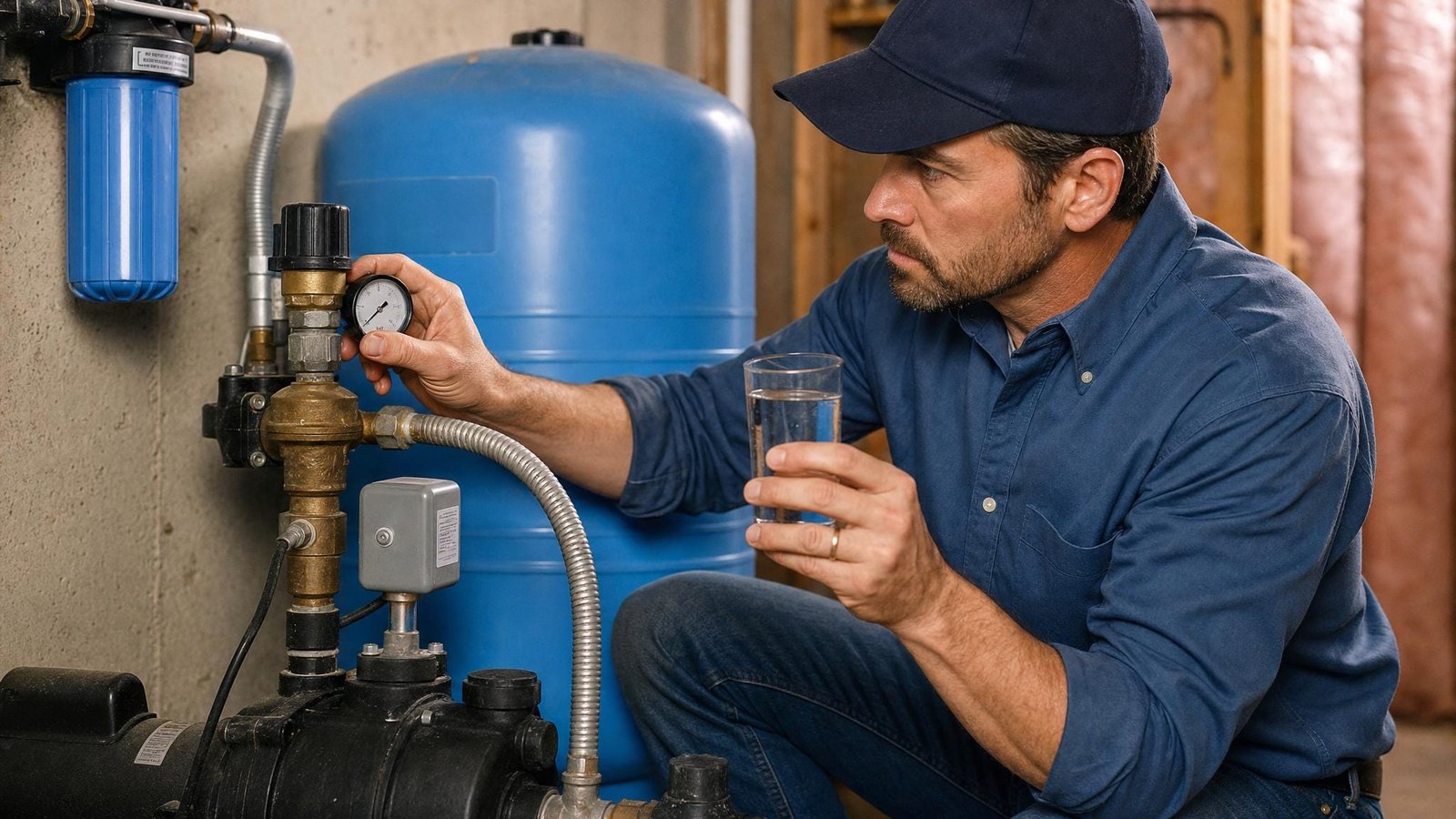
Check water pressure. Look at your pressure gauge. Normal range is 40-60 PSI. If pressure drops below 40, your pump is struggling or your pressure tank needs recharging. If pressure spikes above 70, your pressure switch may be malfunctioning. Document the reading so you can track changes over time.
Listen for unusual noises. Walk near your pump and listen. A healthy pump hums steadily. Grinding, screeching, or frequent cycling on and off every few minutes indicates a problem that needs attention.
Check for water quality changes. Look at your water clarity. Take a sip. Smell it. Any change from your normal baseline is a red flag. Cloudy water, a rotten egg smell, or a metallic taste all signal that something has changed in your system.
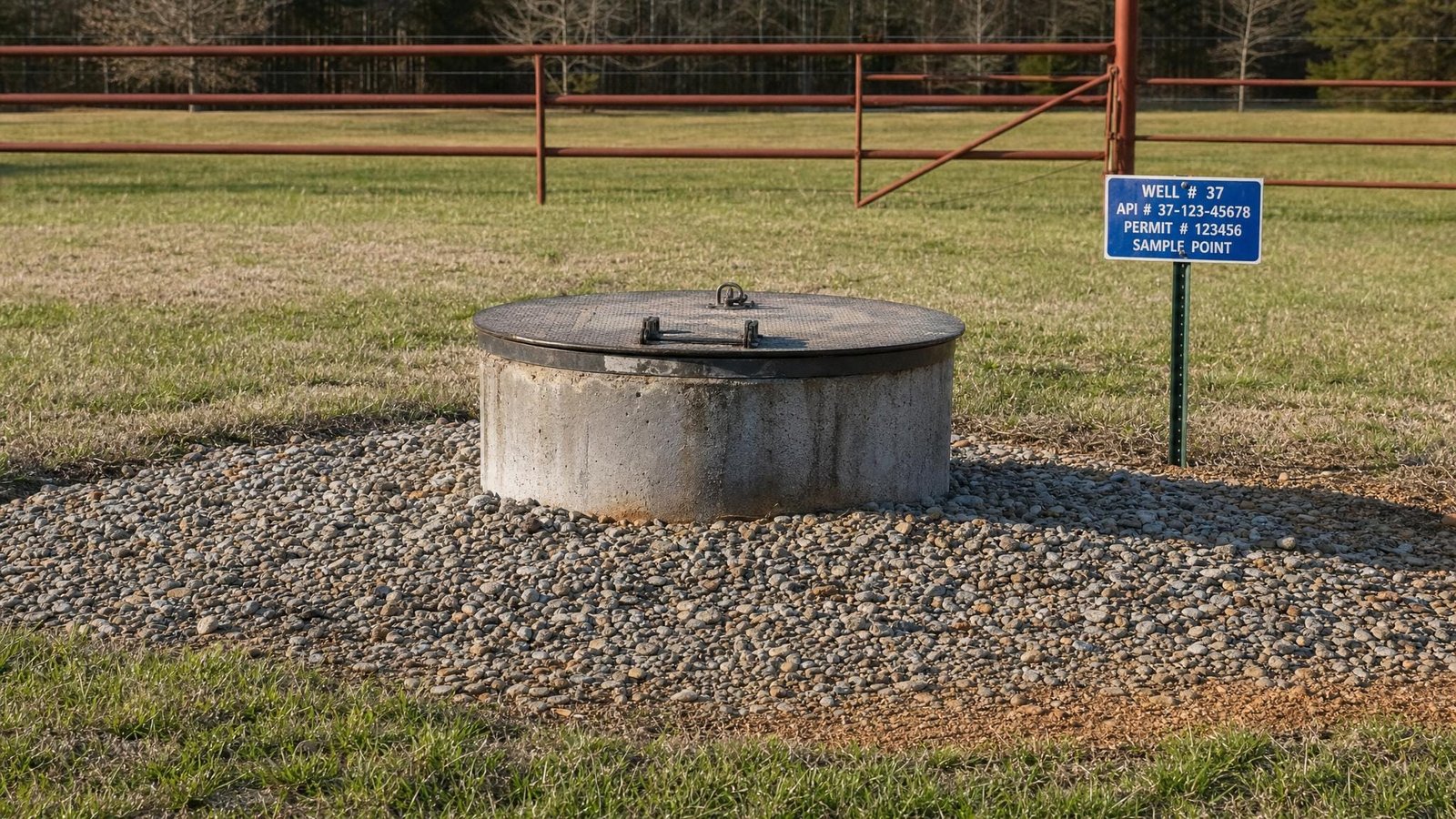
Inspect the wellhead. Look at the seal around your well casing. The sanitary seal should be intact, with no cracks or gaps. Ensure the cap is secure and that surface water cannot flow toward the wellhead.
Check the electrical connections. Look at your pump’s electrical panel for corrosion, loose wires, or burnt smells. If you see anything suspicious, do not touch it. Call a professional immediately.
Quarterly Maintenance Tasks
Every three months, perform these more thorough checks that take about 45 minutes each.
Test your water quality. Test for bacteria (coliform), nitrates, and pH levels. You can use a home test kit or send samples to a certified laboratory. For home testing kits, the LaMotte Well Water Test Kit covers the essentials. Send lab samples every two years or anytime you notice a change.
Inspect the pressure tank. Check the air charge on your pressure tank using an automotive tire gauge through the Schrader valve at the top of the tank. The air pressure should be 2 PSI below your cut-in pressure. If a tank is waterlogged, it needs recharging or replacement. A waterlogged tank causes short cycling, which destroys your pump.
Clear the drainage area. Ensure water draining from your pressure tank relief valve flows away from the wellhead. Standing water near the well is a contamination risk. Grade the ground to slope away from the well by at least a 6-inch drop over 6 feet.
Check the pump control box. Open the control box and look for corrosion on the contacts. Corroded contacts cause arcing, which can damage your pump motor. Clean contacts with electrical contact cleaner if needed.
Test the pressure switch. Manually trigger the pressure switch to ensure it cycles the pump on and off correctly. Listen for the click and watch the pressure gauge respond. If the pump does not cycle properly, the switch needs adjustment or replacement.
Annual Maintenance Tasks
These comprehensive tasks should take 2-3 hours. Hire a professional for any task you are uncomfortable performing yourself.
Professional well inspection. Hire a licensed well contractor to perform a complete inspection annually. They will check the well log, flow rate, water level, pump performance, and overall system integrity. Most inspections cost $200-400 and prevent $5,000+ in future repairs.
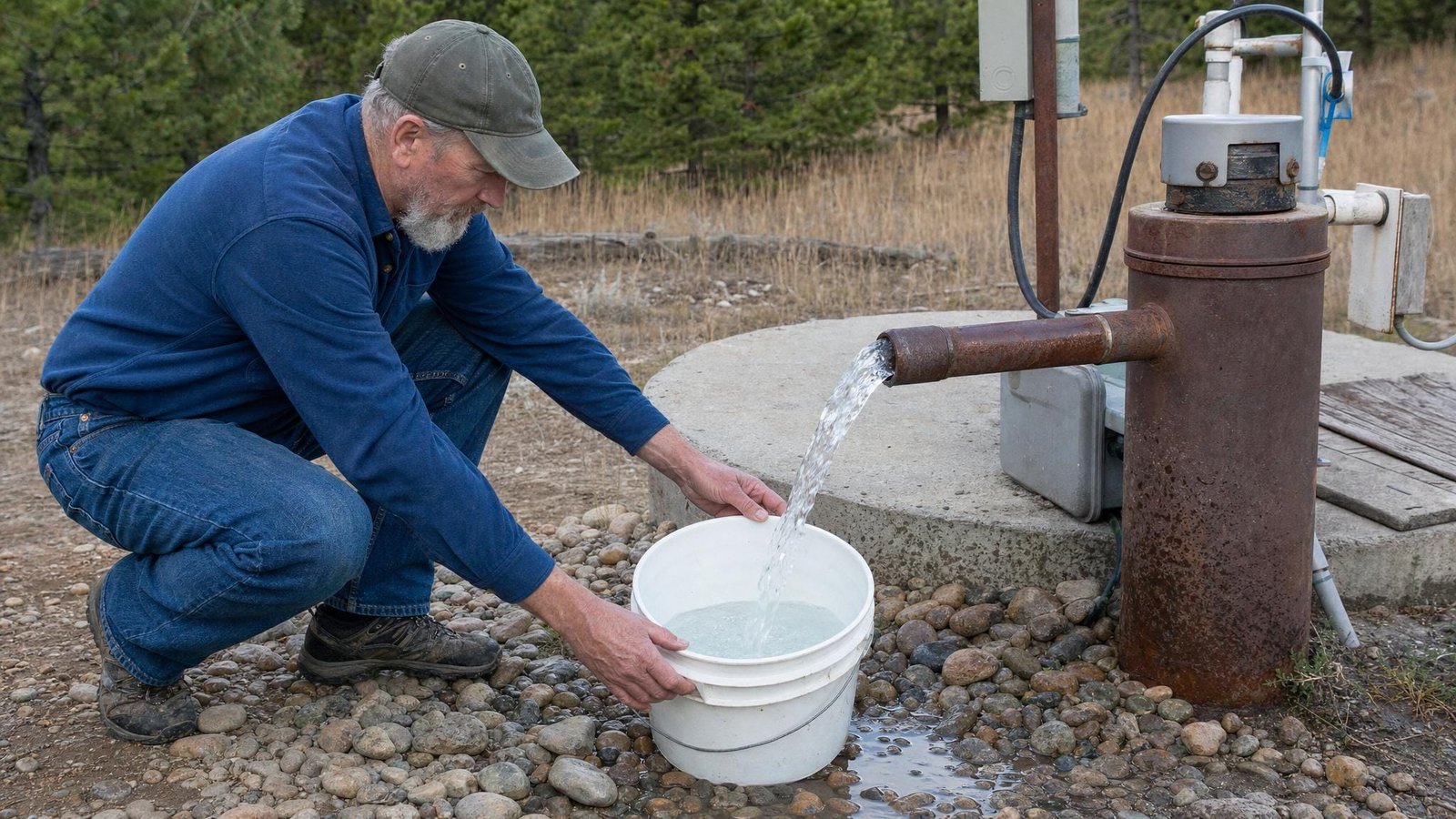
Measure your flow rate. Fill a 5-gallon bucket from your faucet and time it. Your home needs approximately 6-8 GPM for basic use. Less than 3 GPM means you have a problem. Measure flow at multiple faucets. If one fixture has lower flow than others, the problem is likely in your plumbing, not your well.
Test your water for a complete panel. Every year, send a water sample to a certified lab for a comprehensive analysis including bacteria, nitrates, nitrites, lead, arsenic, iron, manganese, and hardness. The cost is approximately $50-150 depending on the panel. This is the single most important health-related maintenance task you perform.
Inspect and repair the well cap. Check your well cap for damage, corrosion, or missing bolts. Replace any damaged components. The well cap is your primary defense against surface contamination entering the well.
Flush your water treatment systems. If you have a sediment filter, carbon filter, or water softener, flush and replace components according to manufacturer recommendations. Sediment filters typically need replacement every 6 months. Carbon filters every 12 months. Water softener resin every 8-10 years.
Spring Season Maintenance Tasks
Spring brings melting snow and heavy rains that increase contamination risk.
Clear snow and debris from the wellhead area. Remove any accumulated snow, leaves, or mud from around the wellhead. Ensure proper drainage away from the well. In spring, the ground is often saturated, so pay special attention to water flow patterns.
Test water after the first major rain. Heavy spring rains can push contaminants toward your well. Test water quality within 48 hours of the first significant rainfall. If you detect coliform bacteria, shock chlorinate your well immediately.
Inspect and repair the sanitary seal. Check the grout or bentonite clay seal between the casing and the borehole. Spring rains can erode or crack this seal. Repair any gaps with bentonite clay grout.
Check frost protection. If you live in a cold climate, ensure your wellhead heater or insulation is working before the last freeze. Replace any damaged insulation. Test your frost-free hydrant for proper drainage.
Summer Season Maintenance Tasks
Summer is high-demand season when your well works hardest.
Monitor water levels closely. Summer drought can lower your water table. Monitor your water level weekly. If your water level drops more than 5 feet below normal, reduce your water usage and contact a well professional to assess your well capacity.
Check pump performance under load. Run multiple fixtures simultaneously. Monitor pressure stability. If pressure drops significantly during peak usage, your pump may be undersized or wearing out.
Inspect sprinkler and irrigation connections. Ensure your irrigation system has a backflow preventer to prevent contaminated water from siphoning back into your well. This is a critical safety device that many well owners forget about.
Fall Season Maintenance Tasks
Fall is the best season for well maintenance because weather is favorable and you are preparing for winter.
Perform your annual comprehensive inspection. Fall is ideal for the full system inspection because temperatures are mild and you have time to address any issues before winter.
Winterize all exterior plumbing. Disconnect and drain all outdoor hoses. Turn off and drain outdoor faucets. Install insulation on exposed pipes. This prevents frozen pipes from damaging your plumbing system and potentially your well.
Replace your sediment filter. Fall is the perfect time to replace your annual sediment filter after the rainy season. A dirty filter reduces flow and strains your pump.
Check and top off your water softener salt. Ensure your softener has adequate salt before winter. Running out of salt during winter can lead to hard water problems throughout your house.
Winter Season Maintenance Tasks
Winter requires vigilance against freezing and increased strain on your system.
Monitor for freezing. Check your wellhead heater daily during extreme cold. Ensure insulation is intact. If water pressure drops, a pipe may be frozen. Turn off the pump immediately to prevent motor damage.
Increase water flow slightly. Let a faucet run slowly during extreme cold to prevent pipes from freezing. This is a small water cost compared to the $2,000-5,000 repair bill for a burst pipe.
Check your pressure tank insulation. Ensure your pressure tank is properly insulated. A cold tank can cause pipes to freeze near the tank. Add insulation if needed.
Plan your annual professional inspection. Schedule your professional well inspection before winter ends. The first thaw is the best time because the ground is soft enough for drilling and the contractor can see erosion patterns from the wet season.
Yearly Maintenance Calendar Summary
| Task | Frequency | Time Required | Cost |
|---|---|---|---|
| Check water pressure | Monthly | 10 minutes | $0 |
| Inspect wellhead | Monthly | 10 minutes | $0 |
| Test water quality | Quarterly | 30 minutes | $20-50 |
| Check pressure tank | Quarterly | 30 minutes | $0 |
| Annual professional inspection | Yearly | 2-3 hours | $200-400 |
| Complete water panel | Yearly | 1 hour | $50-150 |
| Replace sediment filter | Every 6 months | 30 minutes | $15-30 |
| Replace carbon filter | Yearly | 1 hour | $30-80 |
Common Problems and Solutions
Pump cycles on and off frequently. Usually a waterlogged pressure tank. Recharge the air charge or replace the tank. This is the most common well problem and costs $150-300 to fix.
No water pressure. Check your circuit breaker first. If the breaker is fine, your pump may have failed. Diagnose with a multimeter to confirm. A pump replacement costs $1,500-5,000.
Sandy water. Indicates well screen damage or sand encroachment. Stop using the water immediately. Call a well contractor for inspection.
Rotten egg smell. Hydrogen sulfide bacteria in your well. Shock chlorination followed by aeration and carbon filtration is the standard fix.
Cost Savings from Preventive Maintenance
Here is the ROI of preventive maintenance. A neglectful approach costs: pump replacement $3,000, well deepening $5,000-15,000, water treatment installation $2,000-4,000, and medical costs from contaminated water. All of this is preventable with $300-600 per year in routine maintenance.
Your well is the most important investment in your home’s infrastructure. Treat it that way, and it will provide clean water for decades. Ignore it, and it will remind you through broken pipes, contaminated water, and expensive repairs.
Sources
The guidance in this article is informed by the following authoritative sources:
- USGS — Ground Water — U.S. Geological Service data on groundwater levels, well construction, and water quality.
- EPA — WaterSense — EPA guidance on water conservation and water quality standards.
- CDC — Water and Wellness — Centers for Disease Control and Prevention guidance on safe drinking water.
External links open in a new tab. Verify current details with the source before relying on them.