
Are you confident your water well is supplying safe, reliable water for your household right now?
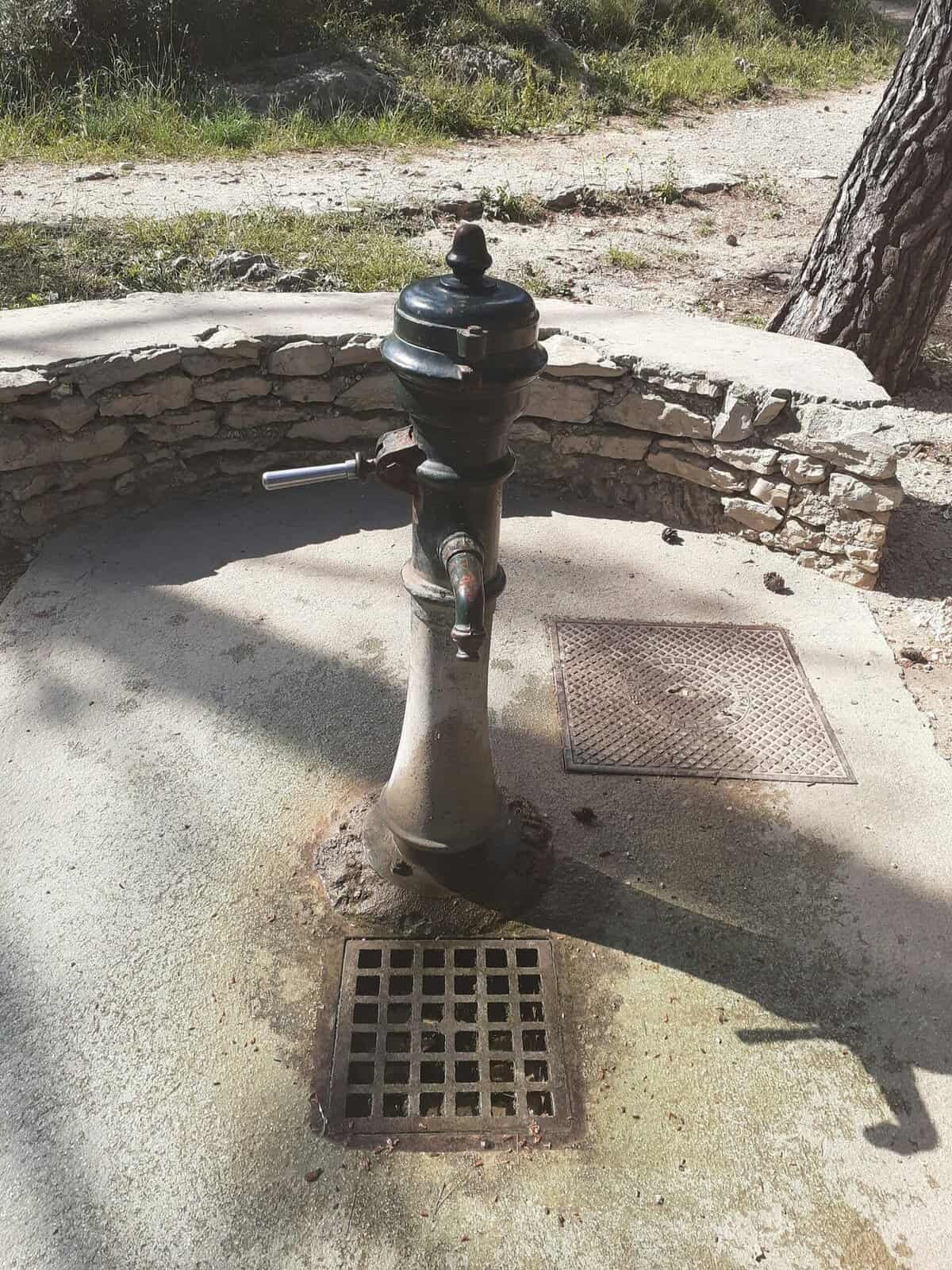
How Often Should A Water Well Be Inspected?
You rely on your well for drinking, cooking, cleaning, and irrigation, so regular inspections protect your health, your property, and your investment. This article explains how often you should inspect your well, what inspections should cover, and how to set a maintenance schedule that works for your situation.
Why regular well inspections matter
Regular inspections help you spot problems early, avoid costly repairs, and maintain water quality. You’ll reduce the risk of contamination, pump failure, and structural problems that can affect flow and pressure.
Key factors that change inspection frequency
Not every well needs the same inspection schedule. Factors like well age, construction type, local groundwater conditions, and how intensively you use the well all affect how often you should check it. You’ll want to tailor inspection frequency to your well’s risk profile.
Recommended inspection schedule
This section summarizes general recommendations you can apply to most private wells. Use this as a starting point, then adjust based on the factors above and any local regulations.
Basic periodic schedule
Below is a practical schedule you can follow. It balances DIY checks you can do yourself with professional inspections and laboratory testing.
- Monthly: Basic visual and operational checks (pressure, pump noise, leaks).
- Annually: Professional mechanical inspection and electrical check; visual inspection of wellhead and surface components; check for surface water pooling near well.
- Every 1–3 years: Test for bacteria (total coliform and E. coli) and nitrate if you use a septic system or have agricultural activity nearby.
- Every 3–5 years: Comprehensive water quality testing (chemistry, metals, volatile organic compounds as relevant) and pump performance testing.
- After significant events: After floods, earthquakes, nearby chemical spills, well work, or major repairs—inspect and test immediately.
Inspection frequency summary table
| Task | Frequency | Who should do it |
|---|---|---|
| Visual wellhead inspection (cap, casing, surface drainage) | Monthly | You or a homeowner |
| Operational checks (pressure, pump noise) | Monthly | You |
| Bacteria test (total coliform, E. coli) | Annually or 1–3 years depending on risk | Lab/professional |
| Nitrate test | Annually if near agriculture/septic; otherwise every 1–3 years | Lab/professional |
| Comprehensive water chemistry (metals, pH, hardness, VOCs) | Every 3–5 years | Lab/professional |
| Mechanical and electrical inspection | Annually | Licensed well contractor |
| After contamination-risk event | Immediately after event | Professional + lab testing |
What a basic monthly check should include
Monthly checks are quick and keep you aware of changes. They don’t replace professional inspections, but they can catch early warning signs.
- Look at the well cap and casing for cracks, rust, or evidence that the well has been tampered with.
- Confirm there’s no standing water pooling within 10 feet of the wellhead and no direct paths for surface runoff to enter the well area.
- Run the water and listen for unusual pump noises, cycling, or drops in pressure.
- Check pressure gauges and the pressure tank for normal operation.
- Inspect plumbing for leaks, discolored water, or strange odors.
If you find anything unusual, schedule a professional inspection and a water test.
Quick checklist for monthly checks
| Item | What to look for | Action if problem found |
|---|---|---|
| Well cap/cover | Secure, intact, no obvious damage | Replace/secure immediately |
| Surface drainage | No pooling, proper grading away from well | Regrade, add drainage |
| Pump noise/pressure | Consistent, no knocking or short cycling | Call contractor |
| Water appearance/odor | Clear, no odor, no color changes | Test water |
| Visible leaks | None | Repair plumbing |
What annual professional inspection should cover
A licensed well professional performs a detailed inspection that includes mechanical, structural, and electrical components. Annual checks keep your system operating efficiently and safely.
- Inspect the wellhead, casing, cap, and grout seals to confirm a watertight barrier to surface contamination.
- Test pump efficiency and check for wear on pump components, bearings, and impellers.
- Inspect pressure tank condition including bladder/diaphragm, tank water level, and pressure settings.
- Check electrical wiring, switches, breakers, and control boxes for safety and correct operation.
- Look for signs of corrosion, biofilm buildup, or mineral encrustation in the system.
- Evaluate storage or treatment systems (softeners, filters, UV units) if present.
After inspection, request a written report with recommended repairs, expected service life of components, and any water quality concerns.
Typical tasks by a professional
| Professional Task | Why it matters |
|---|---|
| Wellhead integrity check | Prevents surface contamination |
| Pump performance test | Ensures adequate flow and efficiency |
| Pressure tank inspection | Prevents short cycling, extends pump life |
| Electrical inspection | Reduces fire/electrocution risk |
| Sanitary seal inspection | Ensures proper grout and sanitary seal |
How often should you test water quality?
Water testing frequency depends on risk factors and your tolerance for uncertainty. Testing identifies contamination early so you can fix problems or install treatment.
Minimum baseline tests
You should test at least once a year for:
- Total coliform bacteria and E. coli
- Nitrate
- pH
- Total dissolved solids (TDS)
If you have infants, pregnant women, or immunocompromised household members, you should test more often and consider broader testing.
Comprehensive testing every 3–5 years
Every 3–5 years, or more often in high-risk areas, test for:
- Metals (iron, manganese, lead, arsenic)
- Hardness (calcium and magnesium)
- Volatile organic compounds (VOCs) if near industrial activity, gas stations, or heavy traffic
- Pesticides and herbicides if near farms
- Sulfates and chloride if you notice taste or odor issues
Water testing frequency table
| Test | Frequency (normal risk) | Frequency (higher risk) |
|---|---|---|
| Bacteria (total coliform, E. coli) | Annual | Every 3–6 months |
| Nitrate | Annually | Every 6–12 months |
| pH and TDS | Annually | Annually |
| Metals (lead, arsenic, iron) | Every 3–5 years | Every 1–3 years |
| VOCs, pesticides | Every 3–5 years | Annually or after suspected exposure |
| Hardness | Every 3–5 years | Every 1–3 years |
What to do after a flood, earthquake, or nearby contamination event
Your well should be considered at risk any time the ground has been disturbed, or there’s an obvious contamination source nearby.
- Stop using the water for drinking until you test it, and use bottled water if necessary.
- Have a professional inspect the wellhead and casing for cracks or displacement.
- Disinfect the well (shock chlorination) if contamination is suspected or confirmed, and retest after treatment.
- Repair any damaged well components before returning to normal operation.
Immediate steps after exposure
- Stop using water for consumption.
- Contact a professional to inspect structural integrity.
- Get bacteria and nitrate tests immediately.
- Disinfect and retest before resuming normal use.
Signs your well needs an inspection now
You don’t have to wait for a scheduled check if you notice problems. Inspect immediately if you notice:
- Sudden drop in water pressure or flow.
- Brown, cloudy, or foul-smelling water.
- Visible rust, cracking, or damage to the wellhead.
- Unusual noises from the pump (grinding, knocking, rapid cycling).
- Sudden increase in utility or pump-related costs.
- Neighbors report contamination or similar issues in the area.
If any of these signs occur, shut off the water if contamination is suspected and obtain professional help.
DIY versus professional inspections
You can do basic monitoring yourself, but professionals have the tools and training to perform thorough inspections, pump tests, and sampling.
- DIY tasks: monthly visual checks, monitoring pressure and performance, simple maintenance like replacing a minor loose cap.
- Professional tasks: sanitary seal inspection, pump pull and overhaul, electrical troubleshooting, comprehensive water sampling, video downhole inspections.
Balance DIY routine checks with a reliable annual professional inspection to keep costs reasonable and safety high.
Cost comparison
| Service | Typical cost range (USD) |
|---|---|
| DIY monthly checks | $0–$50 (mainly your time) |
| Bacteria/nitrate lab test | $20–$100 per sample |
| Comprehensive water test | $150–$400+ |
| Professional inspection (mechanical/electrical) | $150–$500 |
| Pump service or replacement | $200–$5,000+ depending on depth/type |
| Shock chlorination | $100–$300 (DIY or contractor-assisted) |
Costs vary by region, well depth, and complexity. Getting multiple quotes is a smart practice.
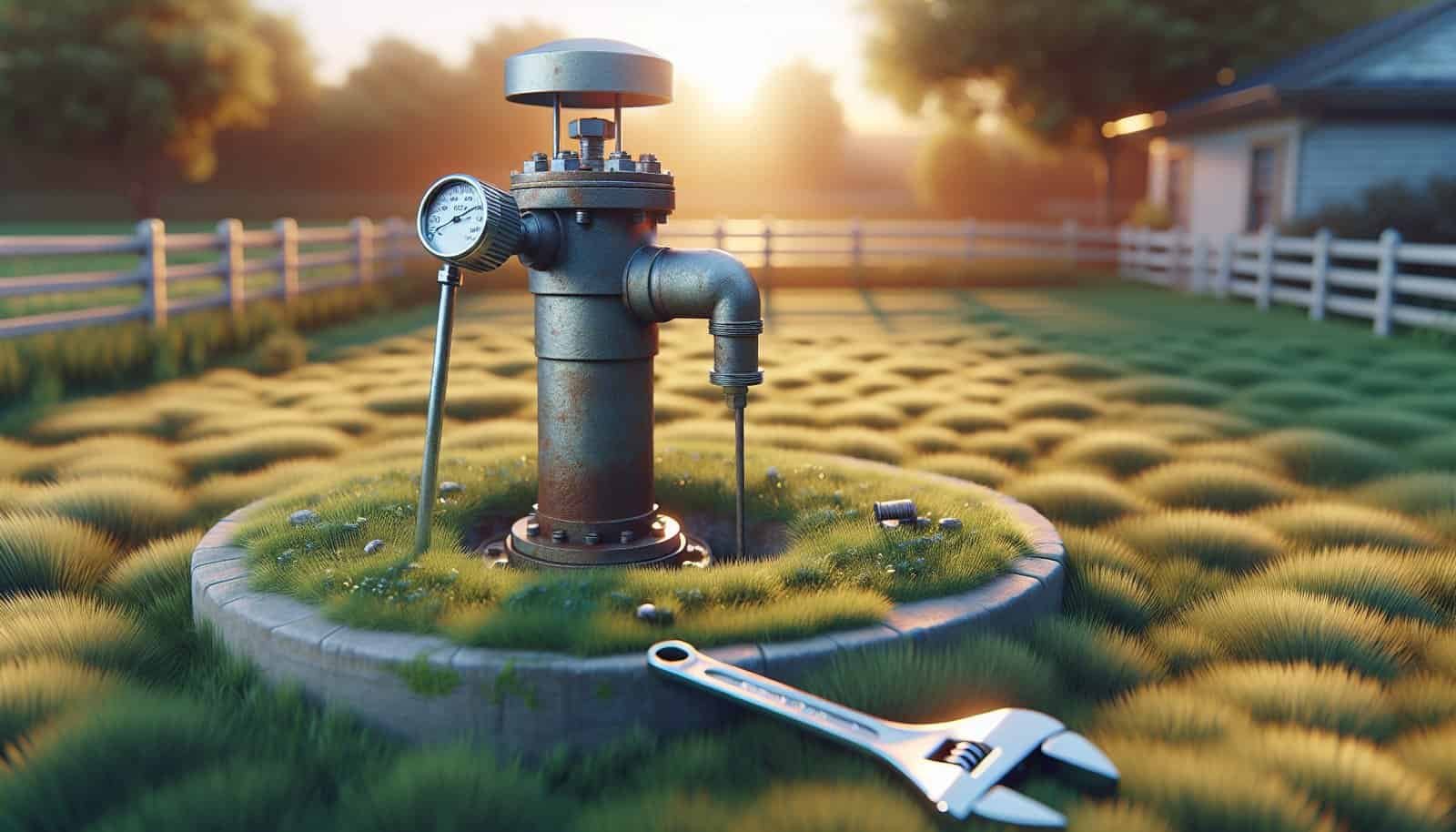
Detailed components to inspect and why they matter
Knowing each component and its inspection needs helps you understand what professionals check and what you should monitor.
Well cap and seal
The well cap keeps insects, small animals, and debris out. A secure sanitary seal blocks surface contaminants. Replace cracked or loose caps immediately.
Casing and grout
The casing is the pipe that keeps the well hole open and protects the water-bearing zone. Grout seals the space between casing and surrounding ground. Damage to casing or poor grout allows surface water infiltration.
Pump and motor
The pump delivers water; the motor powers it. Wear, sand, and scale reduce efficiency and can fail suddenly. Pump performance tests measure flow, drawdown, and efficiency.
Pressure tank and switch
The pressure tank smooths pressure fluctuations and reduces pump cycling. A failing tank leads to frequent pump starts and premature pump failure. The pressure switch controls the on/off settings and must be properly calibrated.
Electrical components and control panels
Faulty wiring, corroded connections, or a bad control panel can stop your system or create safety hazards. Professionals check breakers, fuses, and conduct tests under load.
Storage and treatment systems
If you use storage tanks, filters, water softeners, or UV systems, inspect and service them per the manufacturer’s schedule. Filters and membranes require periodic replacement to maintain quality.
Distribution plumbing
Leaks, backflow devices, and cross-connections can contaminate your system. Inspect internal and external plumbing lines for integrity and backflow prevention.
What a professional inspection report should include
After the inspection, you should receive documentation that helps you plan maintenance and budget for repairs.
- Summary of findings and conditions of major components.
- Water test results with interpretation and recommendations.
- Estimated remaining service life for aging components.
- Recommended repairs, parts, and estimated costs.
- Safety concerns and immediate actions needed.
- Maintenance schedule tailored to your well.
Keep these reports with your property records and use them when selling or buying property.
How to choose a qualified well inspector or contractor
Selecting the right professional matters. Look for licensing, insurance, and good references.
- Check for state or local licensing requirements and verify licenses.
- Ask for proof of liability and worker’s compensation insurance.
- Request references and reviews from neighbors or local agricultural extension offices.
- Choose contractors experienced with your well type (dug, driven, drilled) and local geology.
- Request a written estimate and scope of work before hiring.
Questions to ask a potential inspector
- Are you licensed and insured?
- Can you provide references from local customers?
- What tests will you perform, and which labs do you use?
- Do you offer emergency service?
- Will I receive a written report?
How to collect a water sample properly
Proper sampling is critical for accurate lab results. Follow lab instructions and sterile sampling procedures.
- Use sterile bottles provided by the lab for microbiological samples.
- Collect samples from an inside tap after disinfecting the tap and running the water for a specified time.
- For chemistry samples, follow lab instructions on whether to filter or acidify samples.
- Keep samples cool and deliver them to the lab promptly, often within 24 hours.
- Record the sample location, date, recent well activity (e.g., pump servicing), and weather conditions.
Preventive maintenance tips to reduce inspection frequency needs
Good preventive maintenance extends the life of your well and reduces emergency inspections.
- Keep the area around the well clean and free of pesticides, fuel, and chemicals.
- Maintain proper grading so surface water drains away from the wellhead.
- Test and maintain any treatment systems per manufacturer recommendations.
- Avoid using lawn chemicals or storing hazardous materials near the well.
- Have screens and valves replaced when recommended to keep bacteria and sediment out.
Regulations, warranties, and selling your home
Regulations vary by state and local jurisdiction. If you’re selling a property, inspections and tests are often required.
- Many states require bacteria and nitrate testing at the time of sale.
- Warranties for pumps and equipment often require professional service records; keep receipts and reports.
- Local health departments or environmental agencies can provide guidance and required testing lists.
Advantages of having your own water source
Owning a well gives you control, potential cost savings, and resilience. Here are the main benefits you’ll enjoy.
Independence and control
You won’t depend on municipal supply or its pricing and infrastructure decisions. You control treatment, usage, and management of your water source.
Potential cost savings
After initial installation and periodic maintenance, your ongoing water costs can be lower than a municipal bill—especially if municipal rates rise. You avoid ongoing connection fees and some regulatory charges.
Water quality potential
Many well owners report excellent water quality, often free from chlorine used in municipal systems. With proper testing and treatment, your water can be both safe and pleasant tasting.
Resilience and reliability
If municipal systems fail—due to power outages, infrastructure issues, or contamination—your well can provide a reliable source of water, assuming your pump and power source remain functional.
Agricultural and irrigation benefits
Your own water source allows you to irrigate gardens, crops, and livestock without extra municipal limits or costs. You can plan irrigation schedules without municipal restrictions.
Environmental benefits
Using groundwater can reduce the carbon footprint associated with treating and transporting municipal water, though responsible use and aquifer management are essential.
Drawbacks and responsibilities
While wells offer benefits, you must accept responsibilities and costs.
- You’re responsible for testing, treatment, and all repairs.
- You must monitor for contamination and comply with local regulations when treating or discharging.
- Well water quality can change over time; ongoing testing is essential.
Frequently asked questions
Here are answers to common concerns you may have about inspection frequency and well care.
Q: How soon after a well is installed should it be inspected? A: Inspect immediately after installation to confirm proper construction, cap, and sanitary seal. Test water soon after installation and again at 6–12 months to establish a baseline.
Q: Can I do bacteria testing myself? A: You can collect the sample yourself using sterile bottles from the lab, but follow instructions carefully. The analysis must be done by a certified laboratory.
Q: What if the lab detects E. coli? A: Stop using the water for drinking and cooking. Arrange for a professional inspection and shock chlorinate the system. Retest after treatment to confirm elimination.
Q: Do wells need permits? A: Many jurisdictions require permits for drilling, major repairs, or abandonment. Check local regulations before work begins.
Record keeping: your best tool for long-term care
Keep a binder or digital folder with:
- Installation and inspection reports
- Water test results with interpretation
- Service receipts and parts replaced
- Well construction details (depth, casing type, screen depth)
- Pump make/model and installation dates
Accurate records make diagnosing problems easier and increase property value.
Final checklist before you finish reading
- Perform monthly visual and operational checks.
- Schedule an annual professional inspection and mechanical/electrical review.
- Test bacteria and nitrates at least annually; perform comprehensive chemistry testing every 3–5 years.
- Inspect and test after floods, earthquakes, or nearby contamination events.
- Keep detailed records and choose licensed professionals for major work.
You can keep your well reliable and your water safe through regular monitoring, timely professional inspections, and prompt responses to red flags. By following the schedules and practices in this article, you’ll reduce risks, avoid costly breakdowns, and protect your household’s health.
If you’d like, I can provide a printable inspection checklist you can use monthly or an email template to request bids from local well professionals. Which would be most helpful for you?