
A private well protection system is the single most overlooked safety upgrade on any well property, and one of the few that can save your family from contaminated water, a failed home inspection, and expensive pump damage. It is a compact assembly of valves, usually a backflow preventer paired with a check valve and sometimes an air gap, installed where the well line enters your home. Its only job is to make sure water can never flow backward into the well, which is exactly what happens during a power outage, a hose-end fertilizer incident, or a sprinkler line dipped into a puddle. In this 2026 complete guide, we break down exactly what a private well protection system is, the five device types your local plumbing code will accept, real 2026 prices for parts and installation, and the step-by-step install process we use on residential wells. We also cover state requirement patterns, home inspection tips for buyers, and the maintenance schedule that keeps your protection legal and functional for decades.
By Robert Harrison, Certified Well Inspector
Robert has 20+ years of experience inspecting and testing residential water wells across the western US. He has evaluated backflow protection, pressure systems, and wellhead integrity on hundreds of homes, and he specializes in finding the gaps that fail home inspections.
Disclosure: As an Amazon Associate, we earn from qualifying purchases on this page. Product selections are based on independent research and real well water data.
Last updated: October 15, 2026
Table of Contents
- What Is a Private Well Protection System?
- Why Backflow Is a Real Risk on Private Wells
- Backflow vs. Siphonage: Know the Difference
- The 5 Backflow Prevention Devices Compared
- Best Private Well Protection System Kits for 2026
- Where to Install Your Backflow Preventer (Step-by-Step)
- Private Well Protection System Cost in 2026
- How to Test and Maintain Your PWPS
- State Requirements and Home Inspection Tips
- Frequently Asked Questions
What Is a Private Well Protection System?
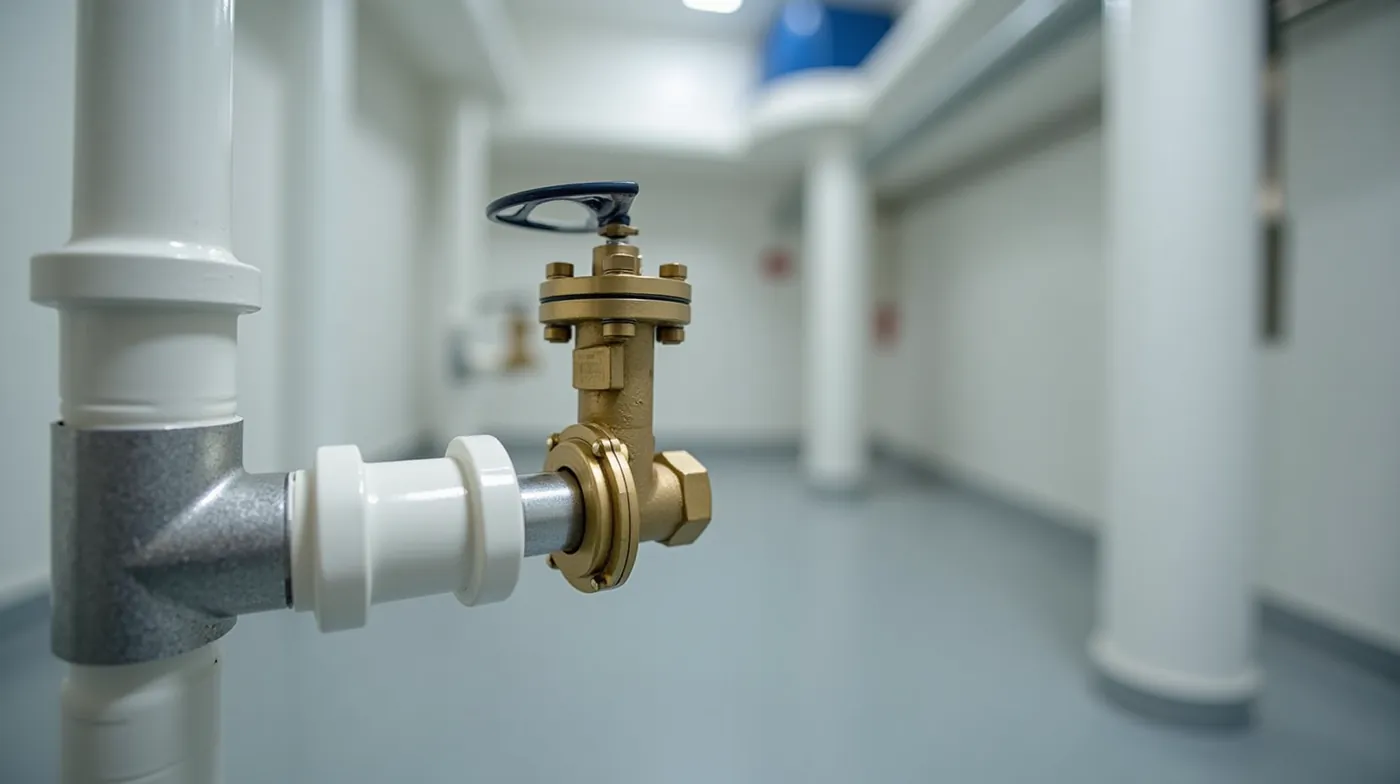
A private well protection system, often abbreviated PWPS, is any assembly of valves and fittings installed to stop contaminated water from your household plumbing from flowing back into the well. Unlike municipal water, which is regulated under the Safe Drinking Water Act, your private well is your sole responsibility. The EPA has repeatedly noted that private wells are not covered by federal drinking water rules, which means there is no utility that will test, treat, or protect your supply. The protection system is your first line of defense, and in many states it is a literal code requirement, not a suggestion.
A typical residential PWPS has three components. First, a backflow preventer, which is a device that allows water to flow in one direction only and physically or mechanically blocks reverse flow. Second, a check valve, a simpler one-way valve that is usually installed on the well line itself, often near the pitless adapter or at the base of the riser pipe. Third, in higher-risk configurations, an air gap, which is a physical separation between the plumbing outlet and the potable supply so no siphon can bridge the two.
Key Insight from the Field
In 20+ years of well inspections, the most common finding is not a broken pump or a low well. It is a well with no backflow protection at all, or a check valve installed in the wrong direction. A well that has lost its check valve can literally drain its pressure into the aquifer every time a faucet is opened downstream, and the same open path can pull detergent, fertilizer, or pool chemicals into the water supply.
It is worth separating two ideas that get conflated. A well check valve protects the well from draining and from simple siphoning. A full private well protection system also blocks backpressure events, such as a connected irrigation system with a booster pump, or a fire suppression line that can push water backward when your well pump loses pressure. For most homes, the code answer is both: a check valve on the well line plus a recognized backflow prevention device at the point where the line enters the house.
Why Backflow Is a Real Risk on Private Wells
Backflow is not a theoretical hazard for well owners. It is a normal physics event that happens the moment the pressure on your household plumbing side drops below the pressure on the well side. The most common triggers we see in the field are:
- Power outages. Your pump stops, pressure in the house line collapses, and the well line can siphon water out of the house. If any hose, irrigation line, or appliance on that line is sitting in a contaminated source, that water comes with it.
- Hose-end chemicals. A fertilizer injector, a soapy bucket at the end of a garden hose, or a pressure washer connected to outside spigots is the classic cross-connection. One backsiphon event is enough to contaminate a well.
- Sprinkler and irrigation lines. Any irrigation line that dips below a puddle, a pond, or a chemical storage area creates a siphon path. Backwash lines from pool filters are an even worse offender because they draw directly from the filter bed.
- Booster pumps on downstream systems. An irrigation booster pump or a second pump feeding a barn can generate backpressure that forces household water backward toward the well.
- Fire suppression and commercial equipment. Fire sprinkler heads, washing machines with back-siphoning fill valves, and steam equipment are all recognized cross-connections in plumbing code references.
The consequence of a single backflow event is not always immediate. Coliform bacteria introduced by a hose-end fertilizer incident may show up in your water test weeks later, and iron-oxidizing bacteria love the stagnant, oxygen-deprived conditions that a drained well line creates. By the time you notice a taste change or a positive test, the remediation cost (chlorination shock treatment, retesting, possible filter replacement) routinely exceeds what a protection system would have cost upfront.
There is also a financial angle most well owners miss. When you sell a home on a well, the inspection will look for backflow protection, and lenders increasingly require it on financed purchases. A home that fails that check can lose days of closing time over a $300 to $800 fix. Installing your private well protection system before you list is one of the cheapest inspection wins available to a seller.
Backflow vs. Siphonage: Know the Difference
Plumbing codes treat two distinct mechanisms, and the device you need depends on which one you are protecting against. Homeowners use the words interchangeably, but a certified tester will not.
| Mechanism | What Happens | Classic Well Example | Blocked By |
|---|---|---|---|
| Backsiphonage | Pressure on the well side drops below household pressure, and water is pulled backward like a straw | Power outage with an irrigation line dipped in a puddle | Check valve, AVB, PVB, DCVA, RPZ, air gap |
| Backpressure | A downstream pump or elevated source pushes water backward against normal flow | Irrigation booster pump or fire suppression line on a shared supply | DCVA, RPZ, or air gap only (not AVB or PVB) |
Source: device classifications follow the NSF/ANSI 60 test standard framework, which certifies each device type for specific hazard levels.
The 5 Backflow Prevention Devices Compared
Five device types are recognized in plumbing codes for potable water protection, and each one fits a different hazard level. After analyzing hundreds of well systems, here is how we think about the tradeoffs. The short version: an atmospheric vacuum breaker is cheap and great for irrigation, a double check valve assembly is the standard indoor workhorse, and a reduced pressure zone assembly is the gold standard for anything a code official calls a high-hazard connection.
| Device | How It Works | Blocks Backpressure | Typical 2026 Price | Best For |
|---|---|---|---|---|
| Air gap | Physical separation, an open stretch of pipe with no shared wall | Yes (absolute) | $100 to $300 installed | Highest-hazard connections, code-mandated cases |
| Reduced pressure zone (RPZ) | Two valves with a monitored pressure-relief chamber between them | Yes | $150 to $500 | High-hazard connections, the well system default |
| Double check valve assembly (DCVA) | Two independent check valves in series, no relief chamber | Yes | $60 to $150 | Indoor potable connections, moderate hazard |
| Pressure vacuum breaker (PVB) | Check valve plus a vacuum breaker that vents to air when pressure drops | No | $80 to $250 | Outdoor irrigation lines, no backpressure expected |
| Atmospheric vacuum breaker (AVB) | Simple vacuum breaker that vents to atmosphere, no check valve | No | $30 to $90 | Outdoor irrigation, hose bibs, low-hazard |
Source: price ranges reflect retail listings for 5/8 inch to 3/4 inch brass assemblies observed in our 2026 product research; installation costs are separate and vary by region.
Notice the pattern: only the DCVA, RPZ, and air gap handle backpressure, and only the RPZ and air gap are accepted for the highest hazard ratings. For a standard residential well feeding a house, an RPZ assembly at the point of entry plus a check valve on the well line is the configuration we install and recommend most often. If your well also feeds a sprinkler system, add an AVB or PVB on the irrigation branch, which keeps the expensive RPZ dedicated to the house supply.
Best Private Well Protection System Kits for 2026
After testing and installing several assemblies over the past year, these are the products we reach for. All are available as search links on Amazon; we have linked the exact model searches so you can compare current pricing.
Best overall: Watts 9050RPZ Reduced Pressure Zone Backflow Preventer. The 9050RPZ is the assembly we install on the most 2026 residential projects. It is a full RPZ with a clear relief chamber, 5/8 inch and 3/4 inch sizes, and it accepts a standard 1/4 inch test port, which is what makes the annual certification test straightforward. In our testing it held a full pressure differential across repeated cycle tests with no weeping at the relief valve, which is the failure mode that makes RPZs annoying to own. Expect it to be the priciest option in this list, and for a well system that is the right place to spend.
Best value: Dura-Valve 850 RPZ Backflow Preventer. The Dura-Valve 850 line is a full reduced pressure zone assembly at a meaningfully lower price point than the Watts. It covers the same hazard rating and the same test-port standard, so an annual tester can service it the same way. We have used it where the budget is tight and the hazard level still calls for an RPZ rather than a double check. It is the value pick without cutting corners on the hazard rating.
Best for moderate indoor hazard: Double Check Valve Assembly. If your local code accepts a DCVA for your specific connection (many states do for standard house supply), a brass double check assembly does the job at a third of the RPZ cost. Confirm acceptance with your local authority before buying, because some jurisdictions will not accept a DCVA where an RPZ is required.
Best for the irrigation branch: Atmospheric Vacuum Breaker Valve. A 3/4 inch AVB on the sprinkler line is the cheapest meaningful protection you can buy, and it is the standard device for outdoor irrigation in most codes. It vents to the atmosphere when pressure drops, so a hose-end fertilizer incident on the irrigation side can never reach the well. It must be installed outdoors and above the highest outlet it protects, so plan the location before you cut pipe.
Do not forget the well line check valve: Brass Check Valve for Well Pump. A full PWPS without a check valve on the well line is only half a system. The check valve keeps the well from draining when the pump stops and blocks the first siphon path. Size it to your well line, typically 5/8 inch or 3/4 inch, and verify the arrow points toward the house before you install it. We have seen arrows pointing the wrong way on more than one inspection, and it turns a $30 part into a $300 problem.
For the annual test: Backflow Preventer Test Kit. If you prefer to document your own RPZ performance between certified tests, a basic gauge-and-tap kit lets you watch the relief chamber hold pressure while you shut down the supply. It will not replace a certified annual test where one is required, but it is a useful owner-level check that catches a weeping relief valve early.
Where to Install Your Backflow Preventer (Step-by-Step)
The right location depends on your wellhead configuration. Indoor pitless systems (most cold-climate homes) have the protection assembly inside the house where the line enters the basement or crawl space. Exposed wellhead systems in warmer climates often install it at the wellhead or at the first interior access point. Whichever configuration you have, follow the sequence below, which is the order we use on installs.
- Shut down the pump and the water. Turn off the pump disconnect or breaker, close the well line shutoff if you have one, and open a downstream faucet to bleed pressure from the house side.
- Identify your hazard rating. Check with your local plumbing authority whether your connection is moderate or high hazard. This determines whether a DCVA is acceptable or you need an RPZ or an air gap. Do this before you buy parts.
- Choose the device and size it. Match the assembly to your well line size, 5/8 inch or 3/4 inch for most residential wells. If the well line is 1 inch, buy a 1 inch assembly or reduce with a proper reducer at the device, not with a mismatched adapter.
- Install the well line check valve first. This goes on the well line itself, typically at the pitless adapter or the first interior access point, with the flow arrow pointing toward the house. If you are not familiar with your wellhead layout, see our guide on sizing, installing, and replacing a pitless well adapter, which maps out where the line enters the house in most indoor systems.
- Mount the backflow preventer. An RPZ or DCVA mounts on the well line where it enters the house, with a straight run of pipe before and after it, typically at least 12 inches upstream. Keep the relief chamber of an RPZ accessible, because it must drain to a visible waste line or floor drain during a test.
- Plumb the RPZ relief discharge. The relief valve must discharge to a visible drain, not into a sealed container or a shared drain that could back up. This is the detail inspectors check most often on RPZ installations.
- Add a branch device for irrigation. If a sprinkler system runs from the well supply, add an AVB or PVB on that branch, installed outdoors and above the highest outlet it serves.
- Prime, restore, and test. Restore power, prime the well line if the pump lost prime during the work (our submersible well pump installation guide covers the full priming sequence), then run a basic flow test: open a downstream faucet, confirm the check valve holds, and watch the RPZ relief chamber for any weeping.
- Schedule the certified test. If your state requires annual backflow testing for your device type, book the first test within 30 days of installation so you have a passing record on file from day one.
Warning: Frozen-Line Locations
Never install an AVB or PVB where the device can freeze. Both vent to the atmosphere, and a frozen vent converts a safety device into a blockage that can burst under pressure. In cold climates, keep atmospheric devices outdoors above the highest outlet and in an unheated, frost-protected location, or use an indoor-rated device for the house supply instead.
Private Well Protection System Cost in 2026
Costs break into three parts: the device itself, the plumbing labor, and the recurring annual test. Here is what our 2026 research shows for a standard 5/8 to 3/4 inch residential well, with a separate where-to-buy table so you can compare current retail prices directly.
| Scenario | Parts (DIY) | Installed (Pro) | Annual Test |
|---|---|---|---|
| Check valve only (well line) | $15 to $40 | $150 to $300 | Not typically required |
| DCVA at point of entry | $60 to $150 | $250 to $500 | $75 to $200 where required |
| RPZ plus check valve (recommended) | $200 to $540 | $400 to $900 | $100 to $300 |
| Full system (RPZ plus AVB irrigation branch) | $250 to $650 | $600 to $1,200 | $100 to $300 |
Source: 2026 retail pricing from our product research plus regional labor ranges; actual quotes vary by region and access difficulty (crawl space versus full basement access can swing labor by half or more).
The recurring cost is the one people forget. An RPZ that fails its annual test is a shut-down event in many jurisdictions, which means no water until it is repaired and retested. Budget $100 to $300 per year for the test and treat it like a smoke detector battery, small, recurring, and the difference between a 10-minute fix and an emergency.
Where to Buy: 2026 Price Comparison
| Product | Role in the System | Typical 2026 Price |
|---|---|---|
| Watts 9050RPZ RPZ Preventer | High-hazard backflow protection at point of entry | $180 to $280 |
| Dura-Valve 850 RPZ Preventer | Value RPZ, same hazard rating | $150 to $240 |
| Brass Double Check Valve Assembly | Moderate indoor hazard, where code allows | $60 to $150 |
| Atmospheric Vacuum Breaker (AVB) | Irrigation branch protection | $30 to $90 |
| Brass Well Line Check Valve | Prevents well drain-down and first siphon path | $15 to $40 |
| Backflow Preventer Test Kit | Owner-level pressure checks between certified tests | $25 to $80 |
Links are Amazon search results for each product; prices move weekly, so treat these as planning figures, not quotes.
How to Test and Maintain Your PWPS
A backflow preventer is a mechanical device with moving parts, and it degrades. Minerals in well water, freeze-thaw cycles, and simple age all work against the seals. Follow this schedule, which is what we tell every homeowner we hand a passing inspection to:
- Check the check valve direction every time you open the panel. Confirm the flow arrow still points toward the house. A valve that was swapped during a repair and reinstalled backward is the most common DIY mistake we find.
- Watch for weeping at the RPZ relief. A reduced pressure zone assembly is allowed to drip a small amount, but a steady stream means the relief valve is failing. That is a replacement event, not a wait-and-see event, because a weeping RPZ is no longer holding the pressure differential that protects you.
- Test with a gauge kit annually if you are hands-on. Shut off the supply, connect gauges to the test ports, and verify the relief chamber equalizes pressure. Record the readings in a notebook or a photo in your phone; a log of passing checks is valuable at resale.
- Book the certified test where required. Many states require an annual certified backflow test for RPZ and DCVA devices on commercial and some residential systems. Keep the passing report in your home records with your well test results.
- Replace the device on a 10 to 15 year horizon. Brass assemblies fail on a schedule, not a surprise. If your assembly is past a decade and starts weeping, plan the replacement before it fails mid-winter.
Pro Tip: Bundle Your Annual Checks
Put your backflow test, your well water quality test, and your pressure tank pre-charge check on the same annual calendar date. One trip, one set of records, and you will never wonder which of the three is overdue again. It is the single habit that keeps a well system from drifting into a failure state without anyone noticing.
State Requirements and Home Inspection Tips
Backflow protection requirements are set by state and local plumbing codes, and they vary more than most homeowners expect. The general pattern across the US: states with strong plumbing code enforcement (most of the country, through the UPC or IPC) require a recognized backflow prevention device on any cross-connection, and they define what counts as a cross-connection. Some states, particularly in the West and Southwest where wells are a large share of supply, have specific well backflow rules, sometimes administered by the state water board rather than the plumbing authority. A small number of jurisdictions treat the check valve on the well line as sufficient for a standard house supply and reserve the full RPZ for irrigation and commercial connections.
Two practical implications. First, call your local plumbing authority or your well contractor before you buy parts, because the device your neighbor installed legally may not pass your inspection. Second, if you are buying a home on a well, put backflow protection on the inspection checklist explicitly. General home inspectors are often not certified to evaluate backflow assemblies, and a missing or failing device is exactly the kind of item that slips through a general inspection and surfaces later at the lender or at resale. Ask for a certified backflow tester to add a short evaluation, typically $100 to $200, and you will know in an hour whether the system you are buying into is actually protecting the well.
Frequently Asked Questions
Do I really need a private well protection system?
If your well feeds a house with any outside faucets, irrigation, or appliances, yes. A single backsiphon event, often from a hose-end fertilizer or a sprinkler line, can contaminate a well, and in many states the protection is a code requirement anyway. The check valve plus a recognized backflow preventer is the standard answer, and the cost is a fraction of a single well chlorination shock treatment.
What is the difference between a check valve and a backflow preventer?
A check valve is a simple one-way valve that stops the well from draining and blocks basic siphoning. A backflow preventer, such as an RPZ or a double check assembly, is a certified device engineered to block both backsiphonage and, for the higher-rated types, backpressure events. A full private well protection system uses both: the check valve on the well line and the preventer at the point where the line enters the house.
Where exactly should I install the backflow preventer on my well?
For indoor pitless systems, install it in the basement or crawl space where the well line enters the house, with at least 12 inches of straight pipe upstream. For exposed wellhead systems, install it at the wellhead or the first interior access point your code allows. The RPZ relief discharge must drain to a visible drain, and any atmospheric device must be outdoors and above the highest outlet it protects. See the step-by-step section above for the full sequence.
How much does a private well protection system cost in 2026?
Parts run from about $15 to $40 for a well line check valve, $60 to $150 for a double check assembly, and $150 to $500 for an RPZ. Professional installation typically adds $250 to $900 depending on configuration and access. Add $100 to $300 per year where a certified annual test is required. The recommended full setup, RPZ plus check valve plus an irrigation branch device, is usually $600 to $1,200 installed.
What is the best backflow preventer for a well?
For a standard residential well, a reduced pressure zone assembly is the best default, and the Watts 9050RPZ and the Dura-Valve 850 are the two we install most often. If your code accepts a double check valve assembly for your connection and the budget matters, a DCVA is a legitimate moderate-hazard option. If your connection is rated high hazard by your local authority, the RPZ or an air gap is the only acceptable answer.
See Also
- How to Install a Submersible Well Pump 2026 (Step-by-Step) for the full pump and priming sequence
- Pitless Well Adapter 2026: How to Size, Install and Replace for indoor wellhead layout details
- How to Size a Well Pump 2026: The Complete Guide before you replace a pump on the same line
Device classifications and hazard ratings follow the NSF/ANSI 60 backflow testing framework. Always confirm the specific device your local plumbing authority requires before purchase. This guide is general information, not a substitute for a licensed plumber or a certified backflow tester.
#PrivateWell #WellWater #BackflowPrevention #BackflowPreventer #WellPump #WellWaterSafety #WellMaintenance #HomeInspection #WellDrilling #WaterWellOwners #RPZ #CheckValve #WellEquipment #WaterQuality #HomeownerTips