
Improve the taste of your well water with testing, targeted treatments, filters, shock chlorination, and simple household fixes for safer, better-tasting water.

Well Owner Resources
What’s The Difference Between Private Wells And Municipal Water? 2026
Compare private wells vs. municipal water: sources, costs, quality, testing, maintenance, risks and reliability to choose the best fit for your home and budget.
Well Owner Resources
How Do I Know If My Well Water Is Safe To Drink? 2026
Learn how to test and interpret results for private well water, common contaminants to watch for, testing frequency, and steps to fix contamination.
Well Owner Resources
How Do I Measure Water Quality In My Well? 2026
Find out how to test and interpret your well water: what to sample, when to test, proper sampling steps, DIY vs certified labs, and treatment options for safety
Well Owner Resources
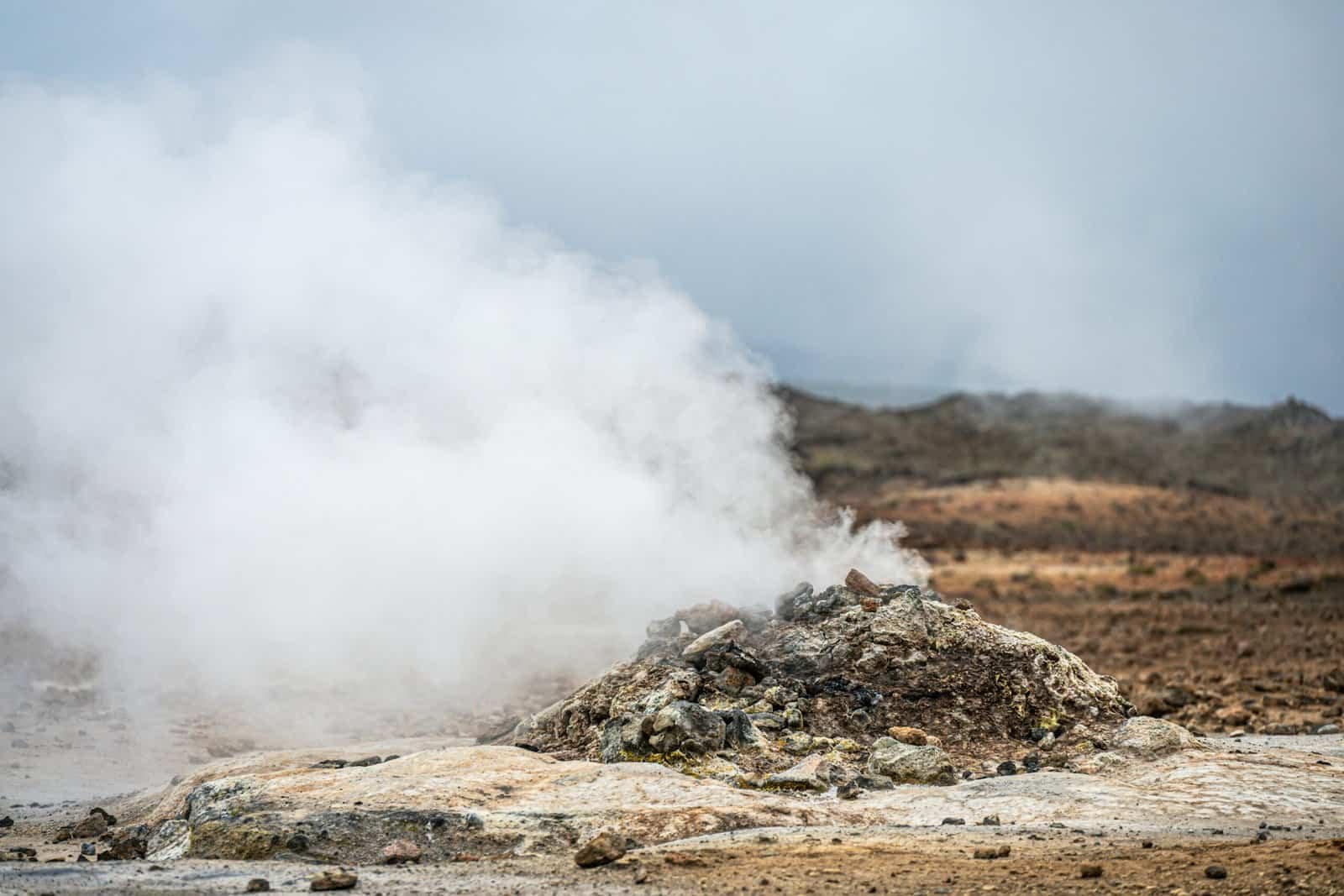
What Are The Advantages Of Geothermal Wells? 2026
Geothermal wells offer efficient heating, cooling and power, lower emissions, stable costs, long life, small surface footprint and local job creation worldwide.
Well Owner Resources
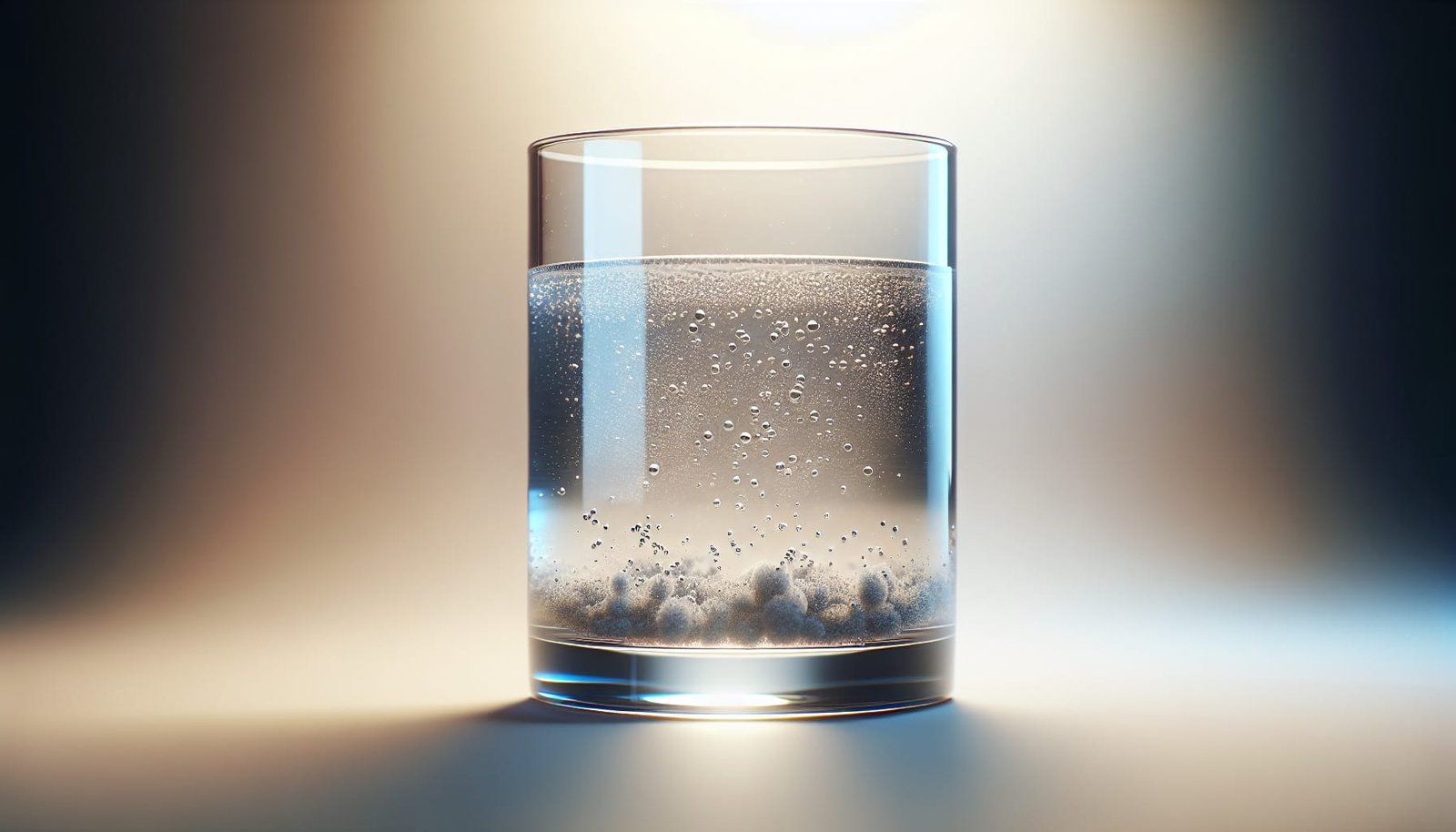
How Do I Fix Cloudy Well Water? 2026
Learn how to diagnose and fix cloudy well water—causes, testing, DIY fixes and professional treatments to restore clear, safe water for your home. Fast tips.DIY
Well Owner Resources
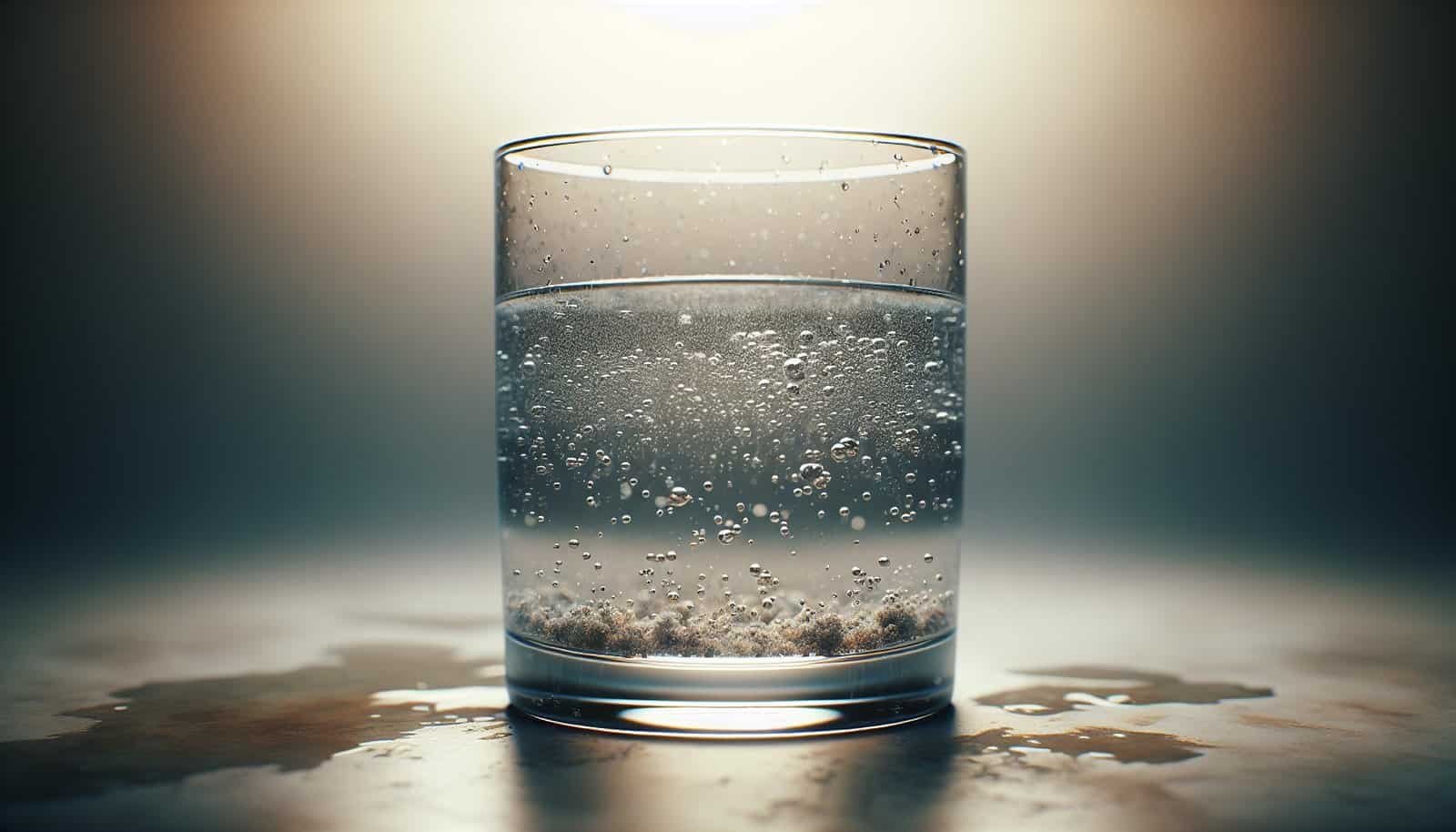
What Are Signs Of Well Water Contamination? 2026
Spot well water contamination: odd tastes, odors, discoloration, stains, health or appliance issues. Read about testing treatment and steps to protect your home

Well Owner Resources
How Often Should A Water Well Be Inspected? 2026
Learn how often to inspect your water well, from monthly checks to annual tests, warning signs, and when to call a pro to protect water quality and equipment.
Well Owner Resources
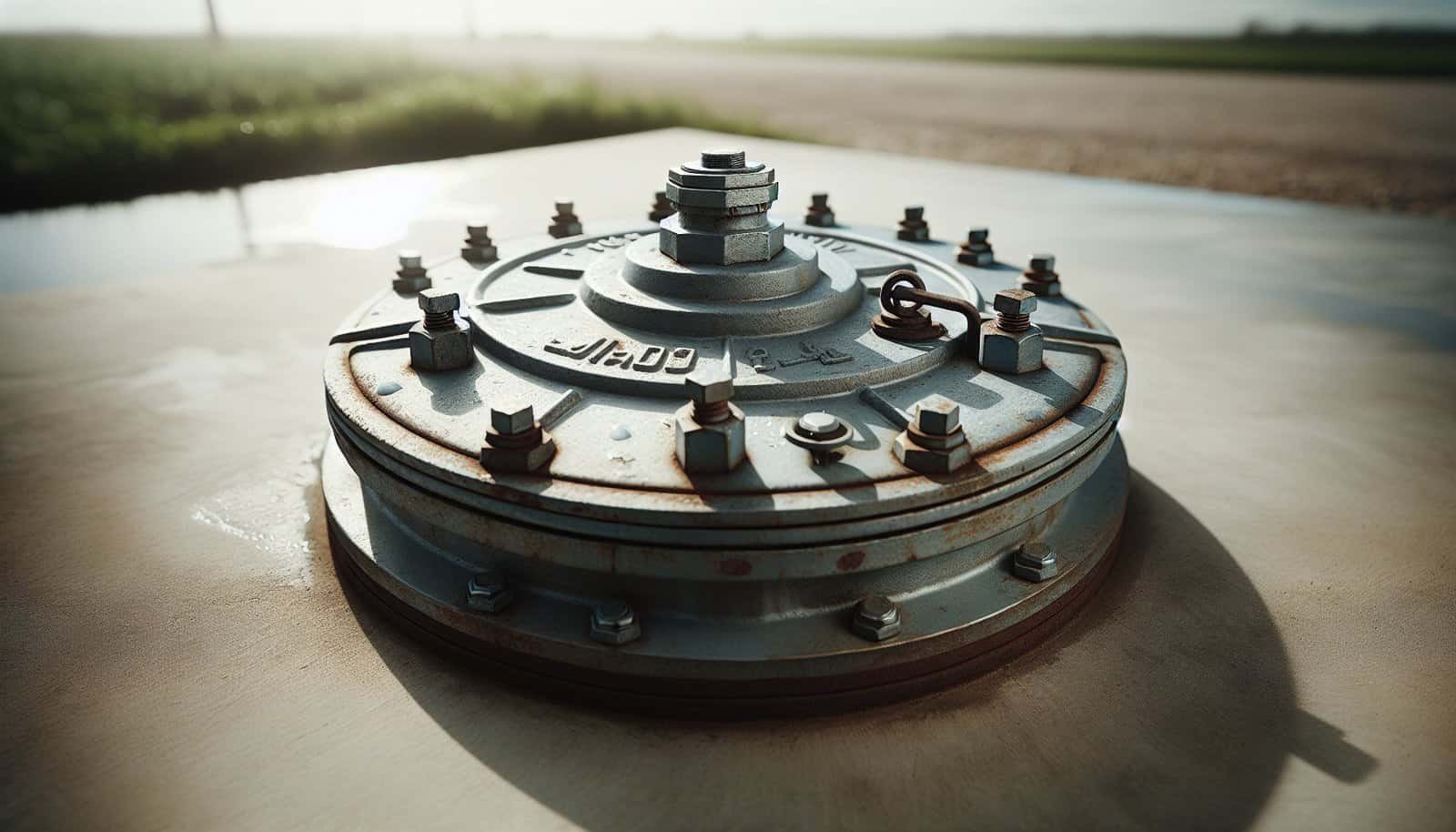
What’s The Best Way To Protect My Wellhead? 2026
How to protect your wellhead from damage, contamination, and costly repairs. Practical tips on pads, sanitary caps, drainage, insulation, security, maintenance.
Well Owner Resources
How Do I Winterize My Water Well? 2026
Protect your water well from freezing: stepwise winterizing tips, inspection checklist, tools, and when to act to avoid burst pipes, pump damage, contamination.