
Your pipes thud or bang every time the well pump shuts off, and it is loud enough that the whole house hears it. That noise has a name: water hammer, a pressure shockwave created when a moving column of water is stopped almost instantly. On residential well water systems it is one of the most common mechanical complaints we see, and one of the cheapest to fix. In 20 years of inspecting private wells, the pattern is consistent: the pump is usually fine, the plumbing is absorbing a pressure spike, and the cure is a mechanical fix that ranges from a $12 check valve to a $300 pressure tank.
This guide explains what water hammer actually is in a well system, how to tell it apart from short cycling, running dry, and thermal expansion, the seven causes that produce it, and the fixes in order from cheapest to most involved. It also covers how to choose and size a water hammer arrester, with 2026 pricing, so you can stop the noise permanently instead of living with it.
By Robert Harrison, Certified Well Inspector
Robert has 20+ years of experience inspecting and testing residential water wells across the western US.
Disclosure: As an Amazon Associate, we earn from qualifying purchases on this page. Product selections are based on independent research and real well water data.
Last updated: November 16, 2026
Table of Contents
- What Is Water Hammer in a Well System?
- How to Confirm the Noise Is Water Hammer
- 7 Common Causes of Water Hammer in Well Systems
- How to Fix Water Hammer: Step-by-Step
- Water Hammer Arrester Buyer’s Guide (2026)
- Water Hammer vs. Other Pipe Noises
- When to Call a Well Professional
- Preventing Water Hammer: Maintenance Schedule
- FAQ: Water Hammer in Well Water Systems
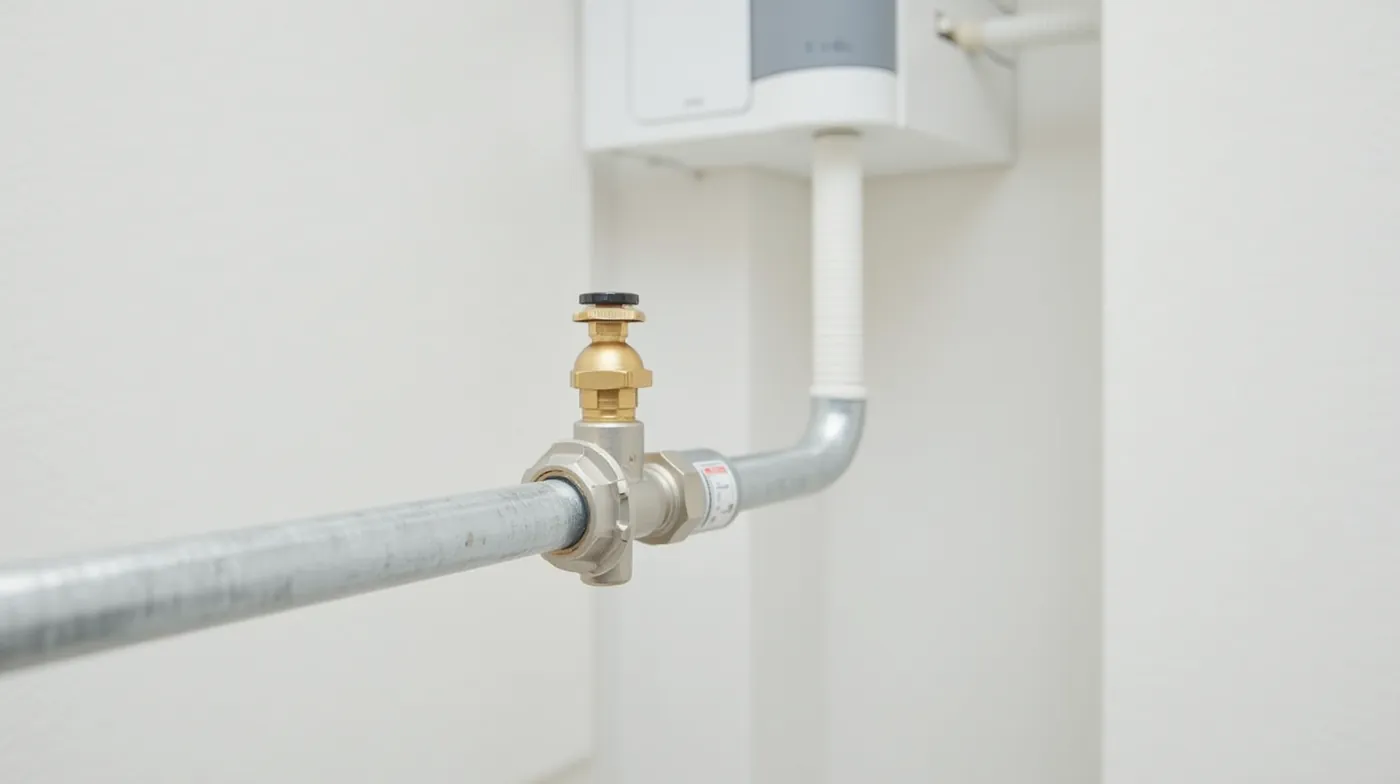
What Is Water Hammer in a Well System?
Water hammer is a pressure spike. When water is flowing and something stops it fast — the pump reaching cut-out pressure, a check valve slapping shut, a faucet turned off in one quick motion — the moving column of water cannot stop instantly. Its momentum converts into a surge of pressure that races through the pipes as a shockwave, and the pipes audibly thud, bang, or rattle as the wave hits fittings, valves, and dead ends.
Well water systems are especially prone to water hammer for three reasons. First, the moving column is long: on a typical residential well, water travels from a pump 50 to 300 feet below the surface, up through the drop pipe, and across the house, so there is a lot of moving mass to stop. Second, the pump stops abruptly: a pressure switch cuts power at the moment cut-out is reached, and the discharge water column is decelerated almost instantly. Third, the flow rate is high for the pipe size: a 1 HP pump pushing 25 to 40 gallons per minute through 1-inch pipe is moving water at roughly 4 to 7 feet per second, and stopping that flow in under a second is a textbook water hammer event.
How big is the pressure spike?
The classic fluid-mechanics estimate (the Joukowsky equation) says a water column moving at 5 feet per second, stopped in one-tenth of a second, generates roughly 400 psi of added pressure — more than ten times a normal 30/50 psi system. In real homes the spike is lower because pipes flex and fittings cushion the wave, but even a fraction of that is enough to rattle loose hangers and stress weak joints.
On municipal water, the utility’s main and your service line absorb most of the energy. On a private well, the only components between the pump and the fixtures are your pressure tank, one or two check valves, and whatever pipe hangers you have — so the house plumbing takes the full hit. That is why water hammer is a distinctly well-system problem, and why the fixes below focus on the pump end of the line, where the energy originates.
How to Confirm the Noise Is Water Hammer
Before buying anything, confirm the diagnosis. Water hammer has a very specific signature, and getting it confused with short cycling or a running-dry pump wastes money on parts that will not fix the noise.
- Listen for the timing. A single loud thump or bang when the pump shuts off (or when you snap a faucet closed) is water hammer. Repeated thumps every few seconds is short cycling. A gurgling or bubbling sound while the pump runs is air or a low water level.
- Watch the pressure gauge. Mount a 0-100 PSI well pressure gauge on the tank’s gauge port (or use the one already there). Run a faucet and watch the needle as the pump starts and stops. A healthy 30/50 system starts the pump around 30 psi and stops around 50 psi. If the needle bounces wildly at cut-out, or the pump cycles more than once every few seconds, you have a cycling problem layered on top of the hammer.
- Close the faucet slowly. Turn a faucet off over five seconds. If the bang disappears with slow closure, the hammer is being triggered by fast valve closure — the fix is an arrester and, if applicable, slowing down the fastest-closing valve in the house.
- Check the well restart test. Shut the pump off at the breaker for a minute, then restore power. If the first few seconds of restart produce a clunk or a burst of cloudy water, the check valve (or foot valve) is leaking backward and slapping shut when the pump recovers. We see this on wells that sit idle over weekends.
Field note
In our inspection experience, about half of the “water hammer” calls we hear from homeowners are actually short cycling with a loud check valve. If the pump is cycling every 3 to 5 seconds, fix the tank precharge first (see our guide on pressure tank precharge) and the hammer often goes away with it.
7 Common Causes of Water Hammer in Well Systems
Water hammer is an effect, not a disease — it is the symptom of momentum being stopped too fast somewhere in the system. These are the seven causes we see most often, in rough order of frequency.
1. Pump short cycling
When the pump starts and stops every few seconds, every stop is a mini water hammer event, and the whole house rattles. Short cycling is usually caused by a pressure tank that has lost its air cushion (bladder failure or precharge set too high), an undersized tank, or a leaking check valve. Our full diagnosis is in Well Pump Short Cycling 2026: Causes and Fixes, and it is the first thing to rule out whenever hammer is reported.
2. Pressure tank precharge set too high
A precharge at or above cut-out pressure leaves almost no air cushion in the tank, so the tank cannot absorb the pump’s stop-and-start energy. The result is hammer on every cycle plus aggressive cycling. The correct precharge is 2 psi below cut-in (28 psi on a standard 30/50 switch). Check and set it as described in the precharge guide.
3. A failing or missing check valve
Check valves stop water from falling back down the well when the pump stops. A worn swing check disc rattles on every start and stop, and a check that does not seat fully lets several feet of water column fall back — when the pump restarts, it slams the disc shut at full flow. That single-thump-on-restart is one of the clearest water hammer signatures we test for. Replacement is covered in Well Pump Check Valve 2026: How It Works, Test & Replace.
4. Pressure switch settings out of range
A switch set with too wide a differential (for example 20/60 instead of 30/50) makes the pump move a much larger volume of water per cycle, and a switch with a stuck or slow-acting contact can cut power late. Both increase the energy released at each stop. Correct settings and replacement steps are in the pressure switch guide.
5. Fast-closing valves downstream of the tank
Solenoid valves (ice makers, dishwasher fill valves, automatic washing machine valves), a pressure reducing valve, and a hose bibb closed with a quick quarter-turn all create their own local water hammer. Plumbing codes, including the model codes maintained by the International Code Council, require water hammer arresters on the discharge side of fast-closing valves for exactly this reason. If the hammer is isolated to one fixture, that fixture’s valve is usually the trigger.
6. Low water level or a running-dry condition
When the well level is low, the pump alternately lifts water and air. The air pockets make the column stop unevenly, producing thumps that sound like hammer but have a sputtering quality, often with gurgling at fixtures. If the noise arrived after a long dry spell or a pump that runs but barely delivers water, check the well level first — the details are in Well Pump Running Dry: Causes, Damage & How to Fix.
7. Long, small-diameter runs and loose hangers
Water hammer energy is higher when flow velocity is high, so a 1 HP pump feeding a long 1-inch (or smaller) run generates more shock than the same pump on 1-1/4-inch pipe. And even a modest spike needs something to rattle: pipe hangers spaced 10 to 15 feet apart, missing clamps at every joint, or a tank mounted with flexible hoses that have stretched — all convert pressure into noise. Newer PVC and PEX systems also transmit sound more loudly than the cast-iron or copper runs in older homes, which is why hammer that was “always there” can sound worse after a re-pipe.
How to Fix Water Hammer: Step-by-Step
Work down this list in order. Each step is cheaper and faster than the one below it, and in our experience steps 1 through 3 resolve the majority of well-system hammer cases.
- Count the pump cycles. Stand at the pressure gauge and watch for ten minutes of normal household use. If the pump cycles more than 6 to 8 times in ten minutes, treat it as short cycling and proceed to step 2 before anything else.
- Check and set the tank precharge. Turn off the pump at the breaker, drain the tank by running a low-point faucet until pressure drops below cut-in, wait two minutes, then read the air side through the valve. Set it 2 psi below cut-in (28 psi for 30/50). If water sprays out of the air valve instead of air, the bladder is ruptured — jump to step 6.
- Inspect the check valve. On a submersible setup, the swing check sits just above the pump in the well; on a jet pump, the foot valve is at the bottom of the well and a swing check is usually in the discharge line near the tank. If the well restart test in the diagnosis section produced a clunk or cloudy water, replace the check valve — a 1-inch swing check valve for well pumps is a modest part for a big noise difference.
- Install a water hammer arrester at the tank. Mount a 1-inch water hammer arrester on the discharge line as close to the tank as practical, threaded into a tee with the flow arrow pointing away from the tank. This is the single most effective part for the thump-at-pump-shutdown symptom. Sizing guidance is in the buyer’s guide below.
- Rebalance the pressure switch. If the differential is outside the factory range or the contact is slow, replace the switch with the correct setting (30/50 covers most homes). See the pressure switch guide for the set-screw procedure.
- Replace a failed bladder or tank. If water comes out of the air valve, or the tank is full of water and dead-weight (no air cushion), the bladder has failed. A 44-gallon bladder pressure tank restores both stored water and the air cushion that absorbs hammer energy. Set the precharge to 28 psi for a 30/50 switch after install.
- Secure the pipe and fix the root cause. Add hangers or clamps at every joint and at 6 to 10 foot intervals along runs you can reach, and add foam pipe insulation in crawl spaces and garages to dampen sound. If the hammer came with a running-dry condition, address the well level or pump sizing before expecting the noise to stay gone.
Pro tip from the field
Install the arrester on the discharge side of the check valve and within a couple of feet of the tank, not next to the faucet. The shockwave originates at the pump and travels toward the house; catching it near the source is where an arrester actually works. An arrester at the last fixture only protects that fixture.
Water Hammer Arrester Buyer’s Guide (2026)
A water hammer arrester is a small canister — mechanical or diaphragm type — that gives a sudden pressure wave somewhere to go: a spring, a piston, or a sealed air diaphragm compresses instead of the pipe wall. For a well system, the arrester at the tank is the workhorse; smaller arresters can be added at fast-closing valves like an ice maker solenoid.
Sizing by pipe and flow
| Pipe Size | Typical Pump | Arrester to Install | Typical 2026 Price |
|---|---|---|---|
| 3/4 inch | Up to 1/2 HP, small home | 3/4-inch arrester at the tank | $35 to $70 |
| 1 inch (most common) | 3/4 HP to 1 HP residential | 1-inch arrester at the tank | $60 to $120 |
| 1-1/4 inch | 1 HP and above, high-flow | 1-1/4-inch arrester at the tank | $120 to $250 |
Match the arrester to the discharge pipe diameter, not the well casing. Most residential well systems use 1-inch discharge pipe, which is why the 1-inch arrester is the volume item.
What to buy for a typical well system
| Part | When You Need It | Typical 2026 Price |
|---|---|---|
| 1-inch water hammer arrester | Thump at pump shutdown on a 1-inch system | $60 to $120 |
| 1-inch swing check valve | Clunk on restart, cloudy water at start | $25 to $60 |
| 30/50 PSI pressure switch | Wide or drifting cut-in/cut-out, failing contact | $35 to $90 |
| 44-gallon bladder pressure tank | Ruptured bladder, water out of the air valve | $250 to $450 |
| 0-100 PSI pressure gauge | Diagnosing cycling and precharge | $10 to $25 |
| Foam pipe insulation, 1-inch | Dampening remaining sound in reachable runs | $15 to $35 |
Two buying notes from experience: choose arresters rated for at least 150 psi working pressure (the spike can exceed normal system pressure several times over), and for diaphragm types make sure the unit is rated for potable water service. The mechanical spring-and-piston style is maintenance-free and fine for most homes; the diaphragm style is quieter but the diaphragm can eventually fail and needs replacing — both are available as complete replacement canisters, so a tired arrester is swapped, not repaired.
Water Hammer vs. Other Pipe Noises
Because every well system sounds different, here is the comparison we use on site to keep the diagnosis honest:
| Noise | When It Happens | Likely Cause | First Fix |
|---|---|---|---|
| Single thump, then quiet | Pump reaches cut-out, or a faucet snaps shut | Water hammer | Arrester at the tank; verify precharge |
| Repeated thumps every few seconds | Anytime, all day | Short cycling | Precharge, then bladder |
| Gurgling or bubbling | While the pump runs, at upper fixtures | Air in line, low well level | Foot valve, well level check |
| Bang only with hot water | When the water heater fills or a hot tap closes | Thermal expansion | Expansion tank on the heater line |
| Constant clicking or ticking | All the time, even with no water use | Contactor chatter or severe short cycling | Electrician; see well pump contactor guide |
| Clunk at pump start | First seconds after a restart | Check valve slamming shut | Replace check valve |
Research on hammer in pressurized distribution systems — including the work summarized by the Water Research Foundation — confirms what the field has always known: the energy comes from the moving mass, and the only durable cures are slowing the stop (arresters, air cushions) or removing the source (a cycling pump, a leaking valve).
When to Call a Well Professional
Most water hammer is a DIY fix, but bring in a well contractor or plumber when any of the following is true:
- The hammer is accompanied by visible leaks, weeping joints, or a wet well house or crawl space — a spike has already stressed the system and weak joints should be inspected under pressure.
- The pump runs but delivers little or no water, or the well takes hours to recover. That is a yield problem, not a hammer problem, and it needs a well log review or a recovery test.
- Your discharge line is 1-1/4 inch or larger, runs more than 100 feet, or feeds irrigation or a commercial fixture — the energy involved is beyond what a residential arrester is sized for.
- The pressure tank is inaccessible (buried, in a locked vault, or on a second-floor mechanical room) and the precharge cannot be verified safely.
- You have tried the steps above and the noise persists unchanged. At that point a flow test with a pressure logger at the tank and at the farthest fixture will isolate the problem segment in one visit.
Typical 2026 pricing for a professional water hammer service call in the western US runs $150 to $300 for diagnosis plus parts, and $400 to $900 when the job includes a new check valve, switch, or tank. If you have a leak or a pump that will not recover, skip the DIY sequence and call first — a failed pump mid-winter is far more expensive than a service call.
Preventing Water Hammer: Maintenance Schedule
Water hammer that has been fixed tends to come back when the same slow failures recur — air lost from the tank, a check valve that wore out again, a hanger that worked loose. The schedule we recommend to well owners:
- Every 6 to 12 months: check the pressure tank precharge (2 psi below cut-in) and count pump cycles over ten minutes of normal use.
- Every 6 to 12 months: walk any reachable pipe runs and tighten loose hangers and clamps; re-hang any pipe that has sagged.
- Annually, or at any pump service: inspect the check valve for a free-seating disc and replace it at the same time the pump is pulled, since you are in the well anyway.
- When adding fast-closing fixtures (ice maker, dishwasher, washing machine, irrigation solenoid): add a small arrester at that valve at install time. It is the cheapest time to do it.
- Before a long absence: if you expect the well to sit idle for weeks, know that a restart clunk is normal check-valve behavior; if it is loud, budget for a check valve.
Why this matters
Every un-attenuated hammer spike is a small impact test on every fitting, valve, and joint in the house. Most systems tolerate it for years, but the eventual failure is usually at the oldest or loosest joint — and it tends to happen on a cold night in January when water is least convenient to lose. Ten minutes of maintenance twice a year is the cheapest insurance a well owner can buy.
FAQ: Water Hammer in Well Water Systems
Can water hammer damage a well pump?
Directly, rarely — the hammer spike travels through the plumbing, not through the motor. But hammer is almost always a symptom of short cycling or a failing check valve, both of which do damage the pump: cycling wears the motor and overload, and a leaking check valve makes the pump work against a falling column every restart. Fix the hammer and you remove both stressors at once.
Why do my pipes bang only when the pump turns off?
Because that is the moment the moving water column stops. At cut-out the pressure switch cuts power, the pump impeller decelerates in a fraction of a second, and the column’s momentum becomes a pressure spike. The check valve then slams shut to hold the column in the well, adding a second impact. A pump that starts smoothly does not create the same event, which is why the bang is tied to shutdown rather than start-up.
How much does it cost to fix water hammer in a well system?
Parts-only, most fixes fall between $15 and $120: a pressure gauge ($10 to $25), a check valve ($25 to $60), or a 1-inch arrester ($60 to $120). If the bladder has failed, add a 44-gallon tank at $250 to $450. Professional labor typically adds $150 to $300 for a simple part swap and $400 to $900 when a tank or pump pull is involved.
Will a water hammer arrester stop all the noise?
It stops the thump at pump shutdown in the large majority of cases when the pipe is otherwise secured. It will not stop noise caused by short cycling (the pump keeps restarting) or by a running-dry condition (the pump is lifting air), so verify the tank precharge and cycle rate first. If a small residual rattle remains after the arrester, it is usually a loose hanger, not a failed part.
Can water hammer burst a pipe?
Yes, although it is uncommon in modern plastic piping. The risk concentrates at weak points: old soldered or threaded copper joints, cracked PEX fittings, corroded cast-iron connections, and any joint that has already wept. A spike of even a few hundred psi momentarily is well beyond what aged fittings are rated for. If your home has original copper or galvanized pipe, treat hammer as a leak-prevention issue, not just a noise issue.
Related guides on this site
Well Pump Short Cycling 2026: Causes and Fixes
Pressure Tank Precharge 2026: Check & Set the Correct PSI
Well Pump Pressure Switch 2026: Test, Set & Replace Guide
Well Pump Check Valve 2026: How It Works, Test & Replace
Well Pump Running Dry: Causes, Damage & How to Fix
#WaterHammer #WellWater #WellPump #WellMaintenance #PressureTank #WellSystem #WaterPressure #DIYPlumbing #WellOwner #HomeownerTips #PipeRepair #WellDrilling #WaterWellOwners #PumpRepair #PlumbingTips