
Published: May 03, 2026
By Robert Harrison, Certified Well Inspector
Robert has 20+ years of experience inspecting and testing residential water wells across the western US.
From inspecting residential wells over the past two decades, I can tell you this: most well problems start small and get expensive the longer they are ignored. The guidance below reflects what I have actually seen in real well systems, not just what the manuals say.
Your well water may look crystal clear, but if you’ve noticed white, chalky deposits on your showerhead, cloudy spots on clean dishes, or soap that won’t lather no matter how much you use — your water is hard. Hard water is the most common well water issue facing American homeowners, affecting an estimated 85% of private well supplies across the United States. Unlike bacteria or chemicals, hardness minerals (primarily calcium and magnesium) are generally safe to drink, but the scale buildup they cause silently destroys your plumbing, shortens the life of every water-using appliance in your house, and can cost well owners $1,000 to $4,000+ annually in unnecessary energy waste and premature replacements.
This complete 2026 guide walks you through everything you need to know: how to test your well water hardness accurately, what every number means, which treatment system fits your situation (water softeners, reverse osmosis, magnetic scale inhibitors, or polyphosphate systems), real 2026 costs for every option, and a practical maintenance schedule to keep scale at bay for good.
Table of Contents
- What Is Water Hardness?
- Where Hardness Comes From
- Water Hardness Scale & Classification
- Signs of Scale Damage in Your Home
- The True Cost of Scale Damage
- How to Test Your Water Hardness
- Testing Methods Compared
- Ion-Exchange Water Softeners
- Sizing a Water Softener for Your Well
- Water Softener Costs in 2026
- Reverse Osmosis Systems
- Scale Inhibitors & Conditioners
- Polyphosphate Systems
- Treatment System Comparison
- Decision Flow Chart
- Annual Maintenance Schedule
- Annual Maintenance Costs
- DIY vs Professional Installation
- Health Implications & Drinking Water
- Well-Specific Hardness Challenges
- Seasonal Hardness Changes
- Troubleshooting Common Problems
- Frequently Asked Questions
- Summary

White mineral deposits on a well pipe are one of the clearest signs of hard water. Photo: Unsplash.
What Is Water Hardness?
Water hardness is the concentration of dissolved multivalent cations — primarily calcium (Ca²⁺) and magnesium (Mg²⁺) — dissolved in your water supply. These minerals dissolve naturally as groundwater percolates through geological formations like limestone, dolomite, gypsum, and other mineral-rich rock layers over decades or centuries.
The total hardness reading you get from a test includes both calcium and magnesium expressed as equivalent calcium carbonate (CaCO₃). Some well waters also contain secondary hardness-causing minerals like iron, strontium, and barium, but these typically represent less than 5% of the total in most U.S. groundwater supplies.
Hard water is not a contaminant in the regulatory sense. The EPA does not regulate hardness because it is classified as a secondary drinking water standard — meaning it affects aesthetic qualities (taste, soap lather, spotting) and infrastructure (pipe scale, reduced heater efficiency), not public health. The EPA’s secondary guideline for hardness is greater than 100 ppm as a general indicator, but this is purely advisory.
It’s important to distinguish hardness from alkalinity. Alkalinity measures bicarbonate, carbonate, and hydroxide ions — essentially your water’s buffering capacity. High alkalinity combined with high hardness creates the most aggressive scale formation because bicarbonate converts to insoluble calcium carbonate when heated (the same reaction that makes popcorn appear in boiling hard water). Understanding this chemistry is the key to selecting the right treatment system.
Where Hardness Comes From
Your well water’s hardness level is determined by three factors:
Geology. Wells drilled into limestone or dolomite aquifers consistently produce very hard water. The American Midwest, South, and parts of the East Coast sit atop vast carbonate rock formations. Well owners in Texas, Kansas, Florida, and Pennsylvania often see hardness levels exceeding 20 gpg (340 ppm). In contrast, wells in granite or sandstone aquifers — common in the Pacific Northwest, parts of New England, and the Sierra Nevada — often produce soft water under 1 gpg (17 ppm).
Well depth. Deeper wells generally tap older, more mineral-saturated aquifers. Shallow wells (under 100 feet) draw from recent groundwater that hasn’t had as much time to dissolve minerals. Deep wells (300+ feet) often pull from confined aquifers where water has traveled through thick limestone layers for millennia.
Seasonal variation. During heavy rain or snowmelt, shallow wells may temporarily produce softer water as more recent (less mineralized) recharge dilutes the aquifer. Conversely, during drought periods, the same well may show increasing hardness readings. Seasonal monitoring is especially important for wells under 200 feet deep.

Groundwater picks up calcium and magnesium as it percolates through limestone and dolomite rock formations over time. Photo: Unsplash.
Water Hardness Scale & Classification
Water hardness is measured in grains per gallon (gpg) or parts per million (ppm), also known as milligrams per liter (mg/L). These units are essentially interchangeable: 1 gpg = 17.1 ppm. The U.S. water treatment industry traditionally uses gpg; scientific literature uses ppm. Below is the standard classification:
| Hardness (gpg) | Hardness (ppm) | Classification | What It Means |
|---|---|---|---|
| 0 – 1.0 | 0 – 17 | Soft | Minimal scale risk. No treatment needed. |
| 1.1 – 3.5 | 18 – 60 | Moderately Hard | Mild soap efficiency loss. Optional conditioning. |
| 3.5 – 7.0 | 61 – 120 | Hard | Noticeable scale buildup. Treatment recommended. |
| 7.0 – 10.5 | 121 – 180 | Very Hard | Rapid scale accumulation. Treatment essential. |
| Over 10.5 | Over 180 | Excessively Hard | Severe damage risk. Immediate treatment required. |
The critical threshold is 3.5 gpg (60 ppm). Below this level, hard water is primarily a cosmetic inconvenience — you use slightly more soap, and you might get occasional spotting on glasses. Above 3.5 gpg, scale begins forming in your water heater, pipes, and appliances, reducing efficiency and lifespan. Above 7 gpg (120 ppm), you’re looking at significant annual energy waste (up to 17% more energy to heat water at 9 gpg) and dramatically shortened appliance lifespans.
Signs of Scale Damage in Your Home
Hard water damage rarely announces itself dramatically. It creeps in slowly, and by the time you notice major problems, the damage is often well-established. Here are the most common early and advanced warning signs:
| Sign | Where to Look | Severity | What’s Happening |
|---|---|---|---|
| White/chalky buildup on faucets and showerheads | Aerator screens, showerhead face, spout tips | Mild | Calcium carbonate precipitating on cool surfaces as water evaporates |
| Soap scum film on shower walls and tub | Tiled surfaces, glass doors | Mild | Soap calcium salts forming a sticky film that traps dirt |
| Cloudy spots on glasses and dishes | Dry dishwasher load, hand-washed glassware | Mild–Moderate | Calcium and magnesium residues left after water dries |
| Reduced water pressure | Any faucet, especially hot water side | Moderate | Scale accumulating inside pipe walls, narrowing the flow path |
| Water heater taking longer to heat | Water heater output temperature | Moderate | Scale insulating the heating element or tank bottom, reducing heat transfer |
| Faulty water heater or frequent leaks | Water heater base, relief valve, tank seams | Severe | Scale “hot spots” on elements cause localized overheating; pressure buildup from scale-constricted tank expansion |
| Laundry feels stiff or looks dull | Fabric texture, color vibrancy | Moderate | Calcium salts embedding in fabric fibers, trapping detergent residues |
| Skin and hair irritation | After showering | Mild–Moderate | Soap residue remaining on skin due to poor lathering; stripped natural oils |
| Water heater making popping or rumbling noises | Water heater tank | Severe | Scale at the tank bottom causing localized boiling (“kettling”) |
| Water softener brine tank showing crystalline deposits | Brine tank interior | Moderate | System working hard to remove minerals; normal for high-hardness water |
The most insidious form of scale damage is hidden inside your water heater. A water heater with 1/8 inch of scale on the bottom can use up to 12% more energy to deliver the same amount of hot water. At 1/4 inch, that climbs to 29%. Over a 10-year heater lifespan, that adds hundreds of dollars to your energy bill — and scale is the leading cause of premature water heater failure.
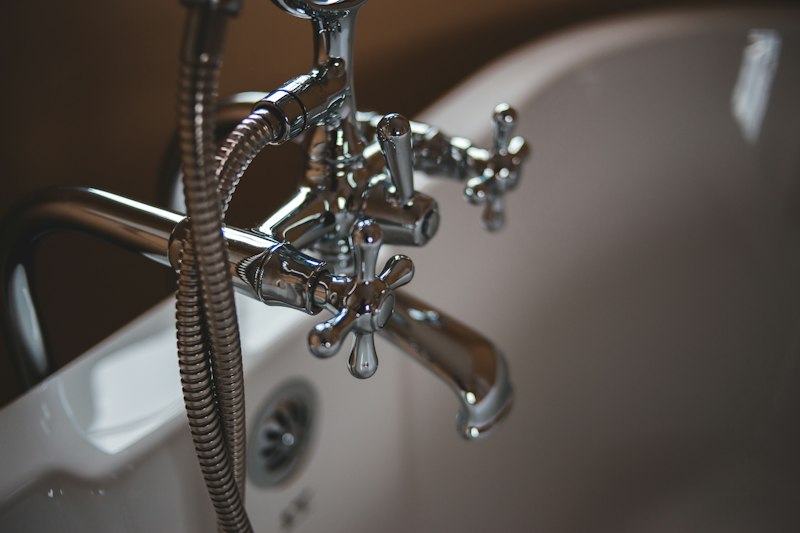
Internal scale buildup restricts water flow and reduces heat transfer efficiency in plumbing and appliances. Photo: Unsplash.
The True Cost of Scale Damage
Hard water’s financial impact is cumulative and often overlooked until a major repair or replacement is needed. The Water Quality Research Foundation estimates the average household with water above 7 gpg spends:
| Cost Category | Annual Cost Impact | Details |
|---|---|---|
| Extra detergent/soap | $500 – $800 | Hard water requires 2–3× more detergent for effective cleaning |
| Energy waste in water heater | $200 – $500 | Scale insulation reduces heating efficiency by 6–17% |
| Reduced appliance lifespan | $150 – $400 | Water-using appliances fail 2–4 years earlier without treatment |
| Plumbing repairs | $100 – $300 | Scale-induced pressure loss, valve failures, leaks |
| Dishwasher washing machine repairs | $100 – $250 | Heating elements and spray arms clogged with scale |
| Replacement coffee makers, kettles, steam irons | $50 – $150 | Small appliances with heating elements fail fastest in hard water |
| Total estimated annual impact | $1,100 – $2,400 | For homes with water above 7 gpg (120 ppm) |
Consider the water heater specifically. The average electric water heater costs $300–$800 to replace, and gas models $600–$1,500. A quality water softener costs $800–$2,500 installed and typically lasts 10–15 years. That means a properly sized softener pays for itself in avoided replacements alone, before counting the energy savings and reduced detergent costs.
How to Test Your Water Hardness
Testing your well water’s hardness is the essential first step — you can’t make an informed treatment decision without knowing your baseline. Here are the five primary testing methods available to well owners in 2026, ranked from most accessible to most accurate.
1. Test Strips (Quick & Inexpensive)
Dip strips work by chemical reaction. They’re the easiest method: just dip, wait 15 seconds, compare colors. Quality strips give results accurate to within ±1 gpg. Brands like Red Gold, Hach, and LaMotte produce reliable strips at $15–$40 for a 50-test supply. The downside: color interpretation can be subjective, and strips degrade over time if not stored properly (keep them dry and cool).
2. Digital TDS Meter (Total Dissolved Solids)
A TDS meter measures the total mineral content in ppm. While it doesn’t isolate calcium and magnesium specifically, it’s a reasonable proxy for total hardness when you’re only tracking trends. Quality digital meters cost $15–$50 and provide readings within ±2% accuracy. The limitation: TDS includes all dissolved minerals (iron, sodium, silica, etc.), so it tends to overestimate actual hardness if your well has significant iron or other dissolved solids.
3. Liquid Titration Kit (Most Accurate DIY)
Titration kits use a color-changing chemical solution that you add drop by drop until the water changes color — the number of drops equals your hardness. The most respected kit is the Hach Hardness Test Kit ($25–$45), which provides readings to ±0.5 gpg accuracy. This is the method recommended by most water treatment professionals for DIY testing and gives lab-quality results at a fraction of the cost.
4. Electronic Resin Tester (Quick-Read Digital)
Devices like the WaterBoss Resin Tester use a small resin bead that exchanges ions with your water. You add a reagent drop until the bead changes color — similar to titration but faster. Costs $40–$80 but is reusable indefinitely. Particularly useful for homeowners who want to check their water softener’s resin capacity in addition to baseline hardness testing.
5. Professional Laboratory Analysis (Gold Standard)
Professional labs analyze a water sample for full mineral composition: calcium, magnesium, iron, manganese, bicarbonate alkalinity, pH, and total hardness. Costs range from $30–$150 depending on how many parameters you test. Many state cooperative extension offices offer low-cost well water testing ($15–$40 for basic mineral panel). For well owners above 7 gpg, a professional analysis is worth it at least once to get the complete mineral picture.
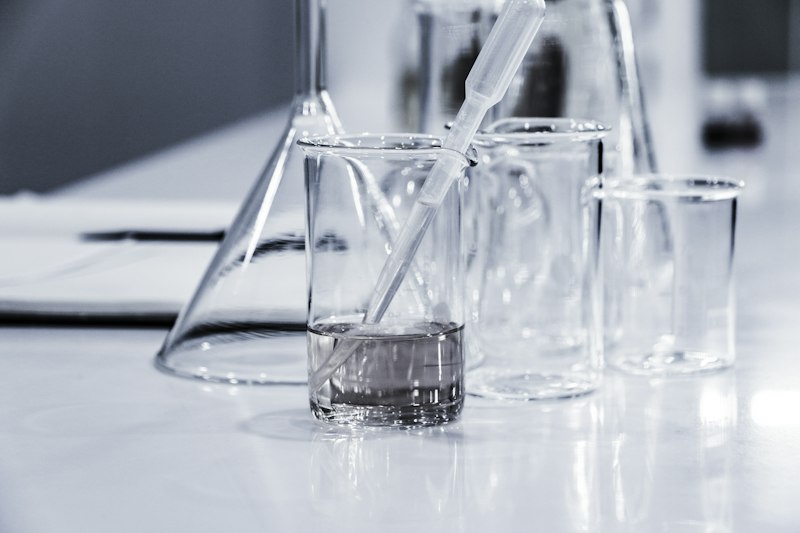
Liquid titration kits provide the most accurate DIY hardness readings and cost under $50 for a complete kit with 100+ tests. Photo: Unsplash.
Testing Methods Compared
| Method | Cost | Accuracy | Time | What It Measures | Best For |
|---|---|---|---|---|---|
| Test strips | $15–$40 | ±1 gpg | 30 seconds | Hardness (Ca+Mg) | Quick screening, seasonal monitoring |
| Digital TDS meter | $15–$50 | ±2% | 10 seconds | Total dissolved minerals | Trend tracking, general mineral monitoring |
| Liquid titration kit | $25–$45 | ±0.5 gpg | 2 minutes | Total hardness (Ca+Mg) | Accurate DIY baseline testing |
| Electronic resin tester | $40–$80 | ±0.5 gpg | 1 minute | Hardness via ion exchange | System diagnostics + baseline testing |
| Professional lab | $30–$150 | Lab-grade | 5–10 days | Full mineral profile | Complete water analysis, treatment design |
Ion-Exchange Water Softeners
Ion-exchange water softeners are the most effective and widely used solution for hard well water. They work by passing water through a resin tank filled with small beads charged with sodium (or potassium) ions. As hard water flows through, calcium and magnesium ions swap places with the sodium on the resin beads. The calcium and magnesium get trapped on the resin, and the softened water exits with sodium (or potassium) replacing the removed minerals.
The process is called regeneration (or “recharging”). Once the resin becomes saturated with calcium and magnesium — typically after several thousand gallons depending on your hardness level and system size — the system flushes the trapped minerals down the drain and reloads the resin with a concentrated salt brine solution. Most modern systems automatically regenerate on a timer or based on actual water usage.
Key advantages:
* Effectively removes 95–99% of calcium and magnesium
* Proven technology with 50+ years of track record
* Protects entire house plumbing and all water-using appliances
* Reduces detergent consumption by 50–75%
* Improves skin feel and laundry freshness
* Can reduce soap scum by up to 90%
Key limitations:
* Adds small amounts of sodium to drinking water (1–7 ppm per gpg of hardness removed)
* Requires regular salt refilling (every 2–8 weeks depending on usage)
* Uses water during regeneration (50–100 gallons per cycle)
* Salt cost: $6–$15/month depending on system size and water hardness
* Not effective for iron removal (needs pre-filtration if iron exceeds 0.3 ppm)
* Discharges brine to sewer or septic system
The sodium added to water by softening is generally negligible. A well water at 10 gpg softened adds approximately 6–7 ppm of sodium per 8-ounce glass of drinking water — roughly equivalent to a slice of whole wheat bread. People on strict sodium-restricted diets (under 2,000 mg/day) should consider a potassium-chloride based softener or a reverse osmosis system for drinking water only.
Sizing a Water Softener for Your Well
Sizing is the single most important factor in softener performance. An undersized system will exhaust resin capacity too quickly, forcing constant regeneration and wasting salt. An oversized system wastes money and takes up unnecessary space. Here’s how to calculate what you need:
| Step | Formula | Example (10 gpg hardness, 4-person home) |
|---|---|---|
| 1. Daily water usage | 75 gallons × number of occupants | 75 × 4 = 300 gallons/day |
| 2. Hardness to remove (ppm) | gpg × 17.1 | 10 × 17.1 = 171 ppm |
| 3. Daily hardness load (grains) | gpg × daily gallons | 10 × 300 = 3,000 grains/day |
| 4. Resin capacity needed | Daily load × 3 (days between regen) | 3,000 × 3 = 9,000 grains |
| 5. Select system | Choose capacity ≥ calculated | 24,000–32,000 grain capacity system |
Most residential softeners range from 8,000 to 48,000 grain capacity. For homes with 1–2 people and moderate hardness (3–5 gpg), a compact 8,000–12,000 grain system may suffice. A typical 3–4 person home with hard water (7–10 gpg) needs a 24,000–32,000 grain system. Larger homes (5+ people) or very hard water (above 10 gpg) benefit from 48,000+ grain capacity or dual-tank systems that alternate regeneration cycles.
Water Softener Costs in 2026
Water softener pricing has stabilized in 2026 after the supply chain volatility of 2022–2023. Here are current market prices for residential systems:
| System Type | Unit Cost | Installed Cost | Annual Salt Cost | Annual Maintenance |
|---|---|---|---|---|
| Compact (8,000 grain) | $400 – $800 | $600 – $1,200 | $40 – $60 | $50 – $100 |
| Standard (24,000 grain) | $800 – $1,500 | $1,200 – $2,000 | $60 – $90 | $50 – $100 |
| Large (32,000 grain) | $1,200 – $2,000 | $1,600 – $2,500 | $80 – $120 | $50 – $100 |
| Dual-tank (2 × 32,000 grain) | $2,500 – $4,000 | $3,000 – $4,500 | $100 – $150 | $100 – $150 |
| Premium smart (Wi-Fi, demand-initiated) | $1,800 – $3,500 | $2,200 – $4,000 | $70 – $110 | $80 – $150 |
Installation considerations: Professional installation typically adds $300–$800 depending on complexity. If your existing plumbing requires new drain lines, electrical outlets for the control valve, or a brine tank location upgrade, costs can rise to $1,200+. Most installers recommend running at least the hot water line through the softener (for maximum scale protection) while keeping the cold line unsoftened (for plants, ice makers, and sodium-sensitive applications).
Salt costs: Pelleted salt (highest purity) costs $6–$12 per 40-lb bag. Block salt (higher density, less brine sludge) costs $5–$10 per 50-lb block. A typical 24,000-grain system uses approximately 2–4 bags or blocks per month, depending on hardness level and household size. Annual salt costs of $60–$120 are typical for a 4-person household.
Reverse Osmosis Systems
Reverse osmosis (RO) systems force water through a semi-permeable membrane that blocks up to 95–99% of dissolved minerals, including calcium, magnesium, sodium, and many contaminants that softeners don’t address (lead, arsenic, nitrate, fluoride). RO is primarily a point-of-use solution — installed under the kitchen sink or at the whole-house level for drinking water specifically.
For hard water, RO is not a whole-house treatment replacement for a water softener. It’s a complementary system for drinking and cooking water when you want the purest possible water from your tap. However, if your hardness exceeds 10 gpg (171 ppm), RO membranes can foul quickly. In those cases, a water softener should precede the RO system to protect the expensive membranes.
| System Type | Unit Cost | Installed Cost | Filter Changes/Year | Wasted Water |
|---|---|---|---|---|
| Under-sink RO (3–5 stage) | $200 – $500 | $200 – $600 | $30 – $60 | 3:1 ratio (3 gal wasted per 1 gal produced) |
| Under-sink RO (7+ stage, alkaline remineralization) | $400 – $900 | $400 – $1,000 | $50 – $100 | 2:1 ratio with permeate pump |
| Whole-house RO | $2,000 – $5,000 | $2,500 – $6,000 | $100 – $200 | 4:1 to 5:1 ratio |
| Countertop RO (no plumbing) | $150 – $400 | $150 – $400 | $40 – $80 | 2:1 to 3:1 ratio |
2026 RO trend: Demand-initiated regeneration membranes and permeate pumps are reducing water waste from the traditional 3:1 ratio down to 1.5:1 in newer systems. When selecting an RO system for a hard-water well, prioritize models with pre-filtration stages (sediment + carbon) and consider whether your hardness warrants a whole-house softener first.
Scale Inhibitors & Conditioners
Scale inhibitors (sometimes called “conditioners” or “descalers”) take a different approach than softeners. Instead of removing calcium and magnesium, they alter the crystal structure of scale-forming minerals so they stay suspended in water rather than adhering to surfaces. Think of them as “scale anti-stick” rather than “scale remover.”
Template-Assisted Crystallization (TAC)
TAC systems use a specialized resin template that encourages calcium carbonate to form as tiny, non-adherent crystals suspended in the water stream. These crystals pass through your plumbing harmlessly and eventually settle as a fine powder that flushes away. Brands like NanoProtect and FilterRite Scale Preventer use this technology.
| Feature | TAC Systems | Magnetic/Electronic | Electrolytic (ESC) |
|---|---|---|---|
| Technology | Template-assisted crystallization | Magnetic or electronic fields | Electrolytic corrosion |
| Removes minerals? | No (crystallizes them) | No | Yes (converts to CaCO₃) |
| Adds sodium? | No | No | No |
| Requires salt? | No | No | No |
| Cost | $500 – $1,500 + installed | $200 – $600 + installed | $300 – $800 + installed |
| Lifespan | 5–10 years (resin replacement) | 10+ years (no parts) | 3–5 years (sacrificial anode) |
| Best for | Moderate hardness (3–10 gpg) | Mild to moderate (3–7 gpg) | Moderate hardness (5–12 gpg) |
Magnetic and electronic descalers apply a magnetic or electronic field to water flowing through a clamp-on device. The theory is that the field alters the charge of mineral ions, preventing them from crystallizing on hot surfaces. Scientific evidence is mixed to weak — multiple peer-reviewed studies have found minimal to no effectiveness beyond placebo. However, they are inexpensive ($200–$600), require zero maintenance, and carry no risk of side effects, so some homeowners use them as a first-line approach for mildly hard water.
Polyphosphate Systems
Polyphosphate feeders are the simplest possible treatment: a small cartridge filled with food-grade polyphosphate crystals is installed inline on your water supply. As water passes through, the phosphate slowly dissolves and sequesters calcium and magnesium ions, preventing them from combining into scale.
Polyphosphates are not a full water treatment solution. They only inhibit scale formation in water heaters and small appliances (dishwashers, coffee makers) by dosing approximately 1–4 ppm of phosphate. They don’t soften water for laundry, showering, or dishwashing purposes. However, they’re extremely cost-effective ($30–$80 per unit, with cartridges costing $15–$30 every 3–6 months) and perfect as a supplementary treatment for a specific appliance.
There are also in-line polyphosphate systems that treat the entire house water supply, typically using a small tank filled with calcite or corosex media that slowly dissolves, raising pH and adding a polyphosphate dose. These cost $150–$500 installed and are most commonly used in conjunction with a water softener to protect the resin from iron fouling and to prevent phosphate scale in reverse osmosis systems.

A properly sized ion-exchange water softener protects your entire home’s plumbing and appliances. Photo: Unsplash.
Treatment System Comparison
Choosing the right treatment system depends on your specific hardness level, iron content, budget, and what water uses you need to address. Here’s a comprehensive comparison:
| Criterion | Ion-Exchange Softener | Reverse Osmosis | TAC Conditioner | Polyphosphate Feeder | Magnetic/Electronic |
|---|---|---|---|---|---|
| Removes minerals | ✅ 95–99% | ✅ 95–99% | ❌ No | ❌ No | ❌ No |
| Adds sodium | ⚠️ Yes (1–7 ppm/gpg) | ❌ No | ❌ No | ❌ No | ❌ No |
| Whole-house coverage | ✅ Yes | ⚠️ POU only (rarely WH) | ✅ Yes | ⚠️ Appliance specific | ⚠️ Inline only |
| Drinking water purity | ⚠️ Softened (minerals removed) | ✅ Excellent (near pure) | ⚠️ Same as untreated | ❌ Untreated | ❌ Untreated |
| Scale prevention | ✅ Complete | ✅ Complete | ✅ Effective (3–10 gpg) | ✅ Partial | ⚠️ Uncertain |
| Iron handling | ✅ Yes (with extra resin) | ❌ Pre-filter needed | ⚠️ Limited | ❌ No | ❌ No |
| Upfront cost | $800–$2,500 | $200–$5,000 | $500–$1,500 | $30–$150 | $200–$600 |
| Annual cost | $100–$220 | $50–$200 | $50–$100 | $30–$60 | $0 |
| Maintenance | Salt, resin every 5–10yr | Filter changes 6–12mo | Resin every 5–10yr | Cartridge 3–6mo | None |
| Best for | Hard water (7+ gpg) | Drinking water purity | Moderate hardness | Small appliance protection | Mild hardness, no maintenance |
Decision Flow Chart
│
▼
Is hardness < 3.5 gpg (60 ppm)?
│
├── YES → No treatment needed. Monitor annually.
│
└── NO → Continue below
│
▼
Is hardness 3.5 – 7.0 gpg?
│
├── YES → Scale inhibitor (TAC) or compact softener
│
└── NO → Continue below
│
▼
Is hardness > 7.0 gpg (120 ppm)?
│
├── YES → Full ion-exchange softener required
│
└── NO → Re-test. Monitor closely.
│
▼
Does water contain iron > 0.3 ppm?
│
├── YES → Install iron pre-filter BEFORE softener
│
└── NO → Proceed with standard softener
│
▼
Do you want pure drinking water?
│
├── YES → Add under-sink RO to drinking water line
│
└── NO → Softener alone is sufficient
│
▼
INSTALL SYSTEM + Schedule maintenance
Annual Maintenance Schedule
Whatever treatment system you install, regular maintenance is essential. Here’s a practical year-round schedule:
| Frequency | Task | Time Required | Cost |
|---|---|---|---|
| Weekly | Check brine tank salt level (softeners) | 2 minutes | $0 |
| Monthly | Inspect salt bridge or mushing in brine tank | 5 minutes | $0 |
| Monthly | Check RO system water quality (TDS of product vs. feed) | 5 minutes | $0 |
| Quarterly | Clean/aerator screens on faucets (scale flush) | 30 minutes | $0 |
| Quarterly | Clean water softener brine tank (remove sludge) | 30 minutes | $0 |
| Semi-annual | Replace pre-filter sediments (RO system) | 30 minutes | $15–$30 |
| Annually | Test water hardness (titration kit) | 10 minutes | $0 |
| Replace RO membranes (every 2–3 years) | 1 hour | $50–$100 | |
| Annually | Inspect polyphosphate cartridge refill | 10 minutes | $15–$30 |
| Every 3 years | Professional water analysis (full mineral panel) | Send sample, wait for results | $40–$100 |
| Every 5–10 years | Replace softener resin tank (if needed) | Professional service | $200–$500 |
| Every 5–10 years | Replace RO membranes (final) | 1 hour | $80–$150 |
Annual Maintenance Costs
| System | Annual Salt/Chemical Cost | Annual Filter/Parts Cost | Total Annual Maintenance |
|---|---|---|---|
| Ion-exchange softener (24K grain) | $60 – $120 (salt) | $50 – $100 (resin top-up) | $110 – $220 |
| Under-sink RO system | $0 | $50 – $100 (filters + membrane) | $50 – $100 |
| TAC conditioner | $0 | $50 – $100 (resin replacement) | $50 – $100 |
| Polyphosphate feeder | $30 – $60 (cartridges) | $0 | $30 – $60 |
| Magnetic descaler | $0 | $0 | $0 |
DIY vs Professional Installation
Whether you should install your treatment system yourself or hire a professional depends on your comfort level, the complexity of your setup, and local plumbing codes.
DIY is reasonable for:
* Under-sink RO systems (straightforward, usually includes all fittings)
* Point-of-entry softeners with standard 3/4″ or 1″ PVC plumbing (if you have basic plumbing skills)
* Polyphosphate feeders (inline, no tools required)
* TAC systems with standard connections
Professional installation recommended for:
* Whole-house softeners in homes with complex plumbing layouts
* Systems requiring new electrical outlets (control valves need 110V)
* Homes with well-to-house distances over 50 feet (run length affects system performance)
* Any situation requiring a drain line from the brine tank to the sewer or septic system
* Localities with brine discharge restrictions (some cities ban saltwater brine from septic systems)
Cost comparison: DIY installation saves $300–$800 on labor for a softener. For an RO under-sink unit, DIY saves $100–$250. The trade-off: if you make a plumbing mistake, water damage can cost far more than the labor you saved. Most professional installers offer a 1-year warranty on their work, which DIY lacks.
Health Implications & Drinking Water
Hard water is not a health concern. In fact, the minerals that make water hard (calcium and magnesium) are essential nutrients. The National Institutes of Health notes that hard water can contribute meaningfully to daily calcium and magnesium intake, particularly in regions where these minerals are scarce in the diet.
The primary health consideration is the sodium addition from water softening. Each gpg of hardness removed adds approximately 0.6 ppm (mg/L) of sodium to your water. A water at 12 gpg softened adds about 7 ppm of sodium per liter — roughly equivalent to a glass of milk. For most people, this is negligible. However, individuals on strict sodium-restricted diets (< 2,000 mg/day) should:
* Use a potassium-chloride based softener (no sodium added)
* Install a separate RO system for drinking/cooking water
* Keep soft water separate from drinking water lines
Other health considerations:
* Infants: Formula prepared with softened water can have elevated sodium levels. Dilute formula with unsoftened or RO water instead.
* Plants: Softened water contains sodium that can harm sensitive plants. Use unsoftened water for gardens and houseplants.
* Blood pressure: Some observational studies link higher hardness water consumption to lower blood pressure, but causation is unproven.
* Skin conditions: Many people with eczema report improved skin comfort after installing a softener. While the mechanism isn’t fully understood, it likely relates to reduced soap scum on skin and less barrier disruption during bathing.
Well-Specific Hardness Challenges
Well water hardness presents unique challenges compared to municipal water, because you have no municipal treatment to fall back on and no utility monitoring your supply.
Variable hardness by season: Shallow wells (< 100 feet) can see hardness swing by 30–50% between wet and dry seasons. Install a test station at your wellhead or pressure tank and record readings quarterly. This helps you optimize your softener's regeneration frequency dynamically rather than on a fixed timer.
Iron and manganese interaction: Most hard-water wells also contain iron (0.1–3.0 ppm) and sometimes manganese (0.05–0.5 ppm). Iron fouls softener resin by oxidizing and coating the beads with ferric hydroxide sludge. If iron exceeds 0.3 ppm, specify an iron-handling softener with extra-resin capacity or install a manganese greensand or air-injection iron filter upstream of the softener.
Deep well hardness profiles: Deeper wells (200+ feet) often have stable but very high hardness levels (10–25 gpg). These require properly sized softeners — don’t undersize. A 15 gpg water at a 4-person home needs a minimum 32,000-grain system; a 20 gpg water needs 48,000+ grains or a dual-tank configuration.
Well capacity vs. regeneration demand: Some shallow wells (especially in sandy soil) have limited flow rates (3–5 GPM). If your softener regenerates too quickly, it may draw down the well during the brine draw phase. Modern demand-initiated regeneration (DIR) systems help by only regenerating when resin capacity is actually depleted, rather than on a fixed schedule. This is critical for low-yield wells.
Seasonal Hardness Changes
Monitoring hardness seasonally is one of the most valuable things a well owner can do. Here’s what typically happens:
| Season | Typical Hardness Change | Action Required |
|---|---|---|
| Spring (snowmelt) | Often drops 10–30% in shallow wells | Check hardness; may adjust regeneration interval to extend between cycles |
| Summer (dry season) | Often rises 10–25% as recharge slows | Verify brine tank has adequate salt; monitor for reduced softener capacity |
| Fall (rain onset) | May drop 5–15% | Inspect pre-filter for sediment wash-in from aquifer changes |
| Winter (frozen ground) | Often rises 5–15% (dilution stops) | Ensure brine tank salt won’t freeze; insulate if needed; monitor capacity |
For the most accurate approach, install a hardness test station at your pressure tank (a simple T-valve with a test port) and record titration readings monthly. This gives you the data you need to program your softener’s regeneration schedule dynamically rather than on a fixed calendar, saving salt and water.
Troubleshooting Common Problems
Softener Not Softening
Common causes:
* Salt bridge (crusted salt forming a shell over the brine) — break it with a broom handle
* Salt level too low — refill the brine tank
* Regeneration didn’t complete — check the control valve timer or demand-initiated settings
* Resin fouled by iron or bacteria — clean or replace resin
* Flow rate exceeded capacity — water flowing too fast through the resin bed for proper ion exchange
Brine Tank Too Wet
Some moisture in the brine tank is normal (that’s how brine forms). But standing water or a constantly running brine line indicates a missing or clogged standpipe, a stuck float valve, or a failed injector. Inspect the brine valve and float assembly — these are $10–$30 replacement parts.
Salty Taste in Water
If your softened water tastes salty, your softener may be over-regenerating or your resin bed is channeling (cracks forming through the resin bed). Reduce the regen frequency setting by 10% and clean the resin tank if channeling is suspected. For drinking water, always use a separate unsoftened tap or install an under-sink RO system.
Red/Brown Residue Coming from Softener
This indicates iron fouling of the resin bed. The oxidized iron is being flushed out with the brine. You’ll need to perform a resin cleanup (using a resin cleaning product like Iron Out for Softeners, ~$30) or replace the resin entirely. Prevent future fouling by ensuring your iron filter is working properly and your softener has adequate iron-handling capacity.
RO System Producing Slow Flow
RO flow rate drops are normal (membranes age) but also indicate maintenance needs. If flow drops below 0.5 GPM, replace the pre-filters first. If that doesn’t restore flow, the membrane needs replacement. In hard water applications, pre-filter clogging happens faster — monitor TDS rejection rate monthly.
Frequently Asked Questions
Is hard water bad for your health?
No. Hard water is safe to drink and provides beneficial calcium and magnesium. The minerals in hard water are the same ones found in dietary supplements and many foods. The problems from hard water are purely infrastructure-related: scale buildup, reduced appliance efficiency, and increased detergent use.
Does boiling hard water make it softer?
Partially. Boiling removes temporary hardness (bicarbonate-related) by converting calcium bicarbonate to insoluble calcium carbonate (the white flakes you see in a kettle). However, permanent hardness (sulfate and chloride-based) is not removed by boiling. For complete softening, you need an ion-exchange softener, RO system, or other mechanical treatment.
Can I drink softened water?
Yes, softened water is safe to drink for the general population. The sodium content added is minimal — approximately 7 ppm per 10 gpg of original hardness, which is far below the EPA’s secondary drinking water standard of 250 ppm for sodium. However, people on strict sodium-restricted diets, infants (for formula preparation), and some sensitive individuals may prefer unsoftened water for drinking and cooking. An under-sink RO system provides pure water regardless of your well’s hardness.
How often should I test my well water hardness?
Test annually using a titration kit. Test more frequently (quarterly) if you notice changes in water quality, after major weather events (drought, heavy flooding), or if you’re troubleshooting a treatment system problem. Send a sample to a professional lab for full mineral analysis every 3 years.
Will a water softener remove iron from my water?
Partially. Standard softeners can handle up to 3 ppm of iron. Above that, the iron will foul the resin and reduce the system’s effectiveness. For iron above 3 ppm, install a dedicated iron filtration system (air-injection, manganese greensand, or catalytic carbon) before the water softener.
How long does a water softener last?
The control valve (electronic head) typically lasts 10–15 years. The resin bed lasts 10–20 years. The brine tank and salt filter last indefinitely with basic maintenance. A quality water softener installed professionally typically provides 15–20 years of reliable service before requiring a full system replacement.
What’s the difference between water softening and water conditioning?
Water softening (ion exchange) removes calcium and magnesium ions from the water and replaces them with sodium or potassium. Water conditioning (TAC, magnetic, electronic) alters the crystallization behavior of minerals without removing them from the water. Softeners provide truly soft water; conditioners prevent scale without removing minerals (and without adding sodium).
Do I need to treat my well water for hardness if it’s below 3.5 gpg?
Not necessarily. Water below 3.5 gpg (60 ppm) is “moderately hard” and causes minimal scale or soap issues. Treatment at this level is optional and typically only justified by personal preference (softer feel, less soap, better laundry results). If you do treat at this level, a polyphosphate feeder or compact TAC system is more cost-effective than a full softener.
Can hard water cause kidney stones?
Multiple large-scale epidemiological studies have found no causal link between hard water consumption and kidney stone formation. In fact, some studies suggest a slight protective effect due to the magnesium content. Kidney stones are primarily caused by dehydration, diet (high oxalate/sodium), genetics, and metabolic conditions — not by drinking hard water.
Will a water softener fix low water pressure?
If low pressure is caused by scale buildup in your pipes, a water softener will stop further scale accumulation and over time (months to years) may allow some scale to gradually dissolve in the water stream. However, existing scale deposits won’t disappear on their own. For significant existing scale, a professional pipe cleaning or repiping may be needed. A softener is preventive, not curative, for existing scale problems.
Summary
Key Takeaways
Hard water affects 85% of U.S. private wells and costs homeowners $1,100–$2,400 annually in energy waste, extra detergent, and premature appliance replacement.
- Test first: Use a liquid titration kit for accurate DIY testing ($25–$45). Professional lab analysis every 3 years.
- 3.5 gpg (60 ppm) is your threshold: Below this, treat only if desired. Above this, treatment is strongly recommended.
- Ion-exchange softeners are the gold standard for whole-house hardness treatment ($800–$2,500 installed, $110–$220/year to maintain).
- RO systems are complementary: Use for drinking water purity; pair with a softener if hardness exceeds 10 gpg.
- TAC conditioners are a solid non-salt alternative for moderate hardness (3–10 gpg) when you want to avoid sodium.
- Maintenance matters: Check salt monthly, test hardness annually, clean pre-filters quarterly.
- Proper sizing prevents everything: An undersized softener costs more in salt and water waste than a properly sized one.
The bottom line: hard water is one of the highest-ROI water investments you can make. A properly sized water softener pays for itself in avoided water heater replacements, reduced energy bills, and less detergent — typically within 3–5 years. The real question isn’t whether you can afford to treat your hard well water. It’s whether you can afford not to.
Disclaimer: This article provides general information about well water hardness and treatment options. It does not constitute professional plumbing, medical, or engineering advice. Always consult a certified water treatment professional (CWT or CWT-H accreditation) and your local building codes before installing treatment systems. Test your water before purchasing any equipment to ensure proper sizing and system selection. Individual results may vary based on water chemistry, system installation quality, and maintenance practices.
Sources
The guidance in this article is informed by the following authoritative sources:
- USGS — Ground Water — U.S. Geological Service data on groundwater levels, well construction, and water quality.
- EPA — WaterSense — EPA guidance on water conservation and water quality standards.
- CDC — Water and Wellness — Centers for Disease Control and Prevention guidance on safe drinking water.
External links open in a new tab. Verify current details with the source before relying on them.