
Hiring a well driller is one of the highest-stakes service decisions a rural homeowner makes. The well you drill is engineered to outlast your mortgage, yet most owners spend far more time comparing carpet samples than vetting the person who will dig a 300-foot hole under their property. Knowing how to hire a well driller the right way protects you from the three classic failures: a dry or underperforming well, a poorly sealed borehole that invites contamination, and a price that runs 40–60% over the original quote.
In my years working on private well water safety, I have evaluated hundreds of completed wells, and I can tell you that the single biggest predictor of a well that performs for decades is who drilled it — not which brand of pump the owner buys afterward. This guide walks through exactly how to hire a well driller in 2026: finding licensed operators in your state, comparing written bids without getting fooled by lowball numbers, what a professional job should include, what drilling actually costs this year, and the contract terms that keep you covered if the water does not show up.
Published: November 8, 2026 · Last updated: November 8, 2026
By Lisa Martinez, Water Quality Specialist
Lisa holds a degree in Environmental Science and specializes in private well water safety and treatment.
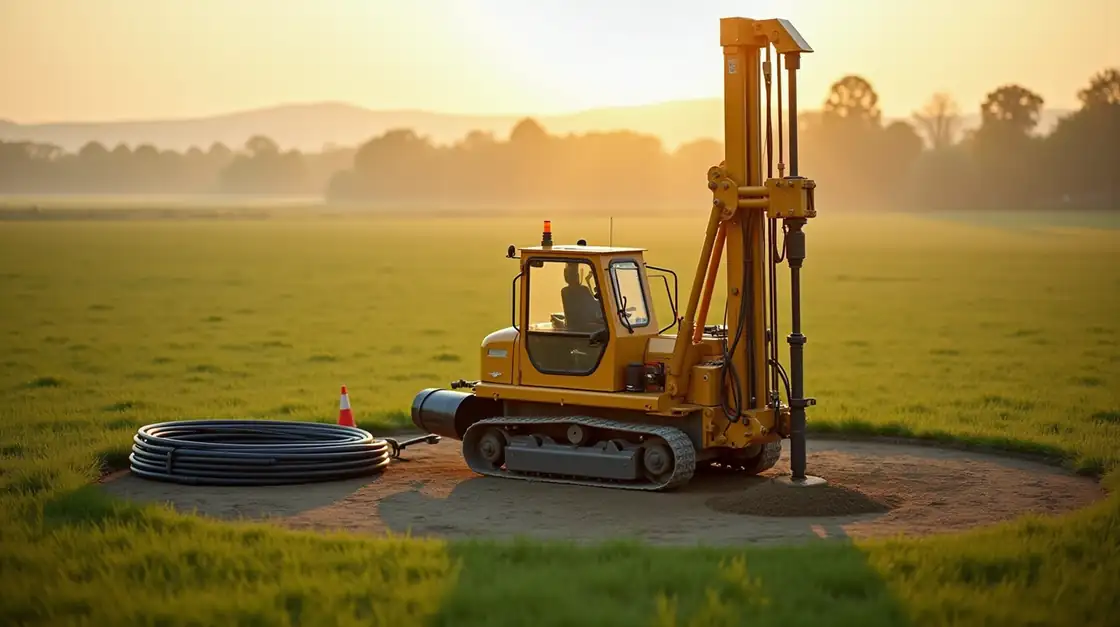
Why the Right Well Driller Matters More Than the Quote
A residential well is a 30-to-50-year engineered asset. Casing integrity, grout sealing, proper development, and yield testing are all determined on the one or two weeks the rig sits on your property. When I pull as-built documentation during well safety evaluations, the difference between a job done by a competent licensed operator and one where corners were cut is unmistakable: one file shows documented casing depth, grout column, development hours, and a measured yield; the other is a folder of silence.
Three failure modes account for nearly every bad well outcome I have seen:
- A dry or low-yield well. The driller stopped at the first water-bearing zone instead of drilling to a sustainable aquifer, or failed to develop the well so the productive sand stays packed around the screen. The well “works” on day one and is struggling by month six.
- Contamination through an unsealed borehole. Surface water, septic infiltration, or animal waste follows an ungrouted annulus down to the aquifer. E. coli in a new well is almost always a construction problem, not an aquifer problem.
- Cost overrun. The quote covered “drilling” only — casing, grout, development, testing, and permits all arrived as surprise line items later.
The stakes are personal because, as the U.S. EPA notes for private well owners, your well is entirely your responsibility. Federal drinking water rules do not cover private wells. There is no utility to call, no regulator to blame — the quality of the drilling contract is the only protection you have.
Why this matters
A properly constructed well can supply clean water for 30 to 50 years. A poorly constructed one can fail in a single flood season — and a well that must be abandoned and resealed because of contamination runs $2,000–$5,000 before you even re-drill.
How to Find Licensed Well Drillers in Your State
Most states license well drilling contractors, and every state keeps the records in a public database. Follow this sequence before you spend a dollar:
- Look up the state licensing board. In most states, well driller licenses are issued through the state water resources department, board of water commissioners, or geological survey. Search “[your state] well driller license lookup” and verify the candidate’s license is active, current, and issued to the same company that is quoting you. Also check for complaints on file — one complaint in ten years is normal; a pattern of dry-well claims is a deal-breaker.
- Use the NAWWA directory. The National Association of Well Water Associations maintains state-by-state directories of certified well contractors. Membership signals a contractor who stays current on industry standards.
- Call your county health department. Counties that administer well permit programs can tell you which drillers are in good standing, whether permits were closed out properly, and whether any operators have open violations in your area.
- Get three referrals from the same aquifer. This is the step that separates a good hire from a lucky one. Neighbors within five to ten miles sit on the same geology. A driller who has drilled dozens of wells in your specific watershed knows the local formations, the depth to productive water, and how the water table behaves seasonally.
- Check the Better Business Bureau and state attorney general complaint database. You are looking for patterns, not isolated complaints. Abandoned jobs, unreturned deposits, and repeated dry-well disputes are the ones that matter.
Pro tip
A licensed driller will give you their license number without being asked. If you have to ask twice, or the number belongs to a different company name than the one on the quote, end the conversation there.
How to Hire a Well Driller: 10-Step Checklist
Here is the complete hiring sequence I recommend to well owners, in the order that saves the most money and heartache. Work top to bottom — skipping steps 3–5 is where most disputes start.
- Define the job before you call anyone. Note the intended use (domestic only, irrigation, livestock, or a mix), the property geology, and any existing well data. If a neighbor within a mile has a well, ask for their depth and yield — drillers treat that data as gospel, and it sharpens every quote you get.
- Get three written bids. A verbal estimate is not a bid. Each written bid should itemize: per-foot drilling rate or total, casing type and depth, grout, development, yield testing, bacteriological testing, and permit fees. If a bid is one number with no breakdown, you cannot compare it — and you cannot enforce it.
- Verify licensing and insurance. Confirm the state license (step one above) and ask for a certificate of insurance covering general liability and workers’ compensation, naming your property. A driller without workers’ comp who injures an employee on your land has just made the problem yours.
- Check references from the last 12 months. Ask each reference three specific questions: Did the well meet the agreed yield? How long did development take? Did the contractor leave the site clean, sealed, and documented? Vague “they were fine” answers from references you cannot reach are worth nothing.
- Compare scope, not price. A $4,000 bid that excludes casing, grout, and development routinely ends up costing $7,000–$9,000 once the extras are added on site, with the contractor’s hand in your wallet to approve each one. Compare what is included before you compare the number.
- Put the contract in writing before any truck rolls onto the property. The contract terms to demand are covered in detail below — the critical ones are the dry-well guarantee and the payment schedule.
- Agree on dry-well terms in advance. If the well fails to produce water at the agreed flow rate, what happens? Who pays to seal it? Is there a re-drill or a refund? This is the clause that decides whether a dry hole is a $3,000 setback or a $15,000 legal dispute.
- Set the schedule and weather contingencies. A firm start window matters in drilling season, when reputable rigs are booked weeks out. Get the window and the rain policy in the contract.
- Be available for the first 24 hours of drilling. You will rarely see the inside of your aquifer again. A competent operator will point out the formation chips — the soil and rock cuttings coming out of the hole — and explain what they mean. If the operator will not let you watch or explain, note that.
- Collect the as-built documentation before the rig leaves. Casing depth, grout depth, total depth, development method and duration, yield test results, and the bacteria test report. Store it with your home records. Insurers, appraisers, and future buyers all value a documented well.
What this process costs you in time
Budget about three to four working hours total: a couple of hours for license lookups and reference calls, and an hour for bid comparison and contract review. That is the cheapest insurance you will ever buy for a $15,000 asset.
What a Professional Well Drilling Job Should Include
A complete residential well job is a package of deliverables, not just “a hole with water in it.” Hold every bid against this list:
- Permits and notifications. A licensed operator handles state and local well permits and closes them out when the job is done. Ask who files them and who pays.
- Casing installed to code. Casing protects the borehole from collapse and stops shallow, contaminated water from entering the well. The correct size and depth depend on local code and geology — see our well casing selection guide: PVC vs steel, sizes in 2026 for how casing choices work.
- Bentonite grout seal. The annulus (the space between the casing and the borehole wall) is filled with bentonite grout to a depth required by state or local code. This is the single most important contamination barrier in the entire system, and it is the first thing lowball bids skip.
- Well development. After drilling, the well is developed — usually by air-lifting or high-rate surging — until the water runs clear. Development clears fine material from around the screen and opens up the aquifer. A well that has not been properly developed will run cloudy for weeks and fail its first bacteria test.
- Yield and drawdown test. The well is pumped at its intended flow rate and the water level drop (drawdown) is measured. This proves the well can deliver the flow you contracted for and tells you how hard you can work it.
- Initial bacteriological test. Many states require a bacteria test after development; even where it is optional, it is non-negotiable for peace of mind. If coliforms show up, the well is redeveloped or disinfected before you drink from it.
- Site cleanup and a proper wellhead. A sealed, protected wellhead (a proper sanitary seal or well vault) keeps rain, vermin, and debris out of your water for the life of the well.
- Documentation package. The as-built record described in step ten of the checklist. No documentation, no deal.
Field insight
Development is where lowball bids quietly disappear. Rushing it so the truck can leave at 5 p.m. is the most common reason a brand-new well runs cloudy for weeks, fails its first bacteria test, and ends up costing the owner a second visit the contractor bills at twice the original hourly rate.
How Much Does Well Drilling Cost in 2026?
Understanding the number helps you spot both lowball bids and padded ones. The table below reflects 2026 national averages for a complete residential well job — drilling, casing, grout, development, and testing — as reported by industry contractors and state well associations.
| Well depth | Typical 2026 total cost | Usual setting |
|---|---|---|
| Shallow (under 150 ft) | $3,500 – $5,500 | Unconsolidated soils, shallow aquifers, western and plains states |
| Moderate (150–300 ft) | $5,500 – $12,000 | Mixed soils and fractured rock; the most common residential range |
| Deep (300–500 ft) | $12,000 – $25,000 | Consolidated rock; mountain and Appalachian regions |
| Very deep or hard rock (500 ft+) | $25,000 – $45,000+ | Basalt, granite, or deep aquifer systems |
Source: 2026 contractor pricing surveys compiled by state well water associations; regional variation is substantial.
On a per-foot basis, expect roughly $15–$30 per foot in soft, unconsolidated ground (sand, gravel, clay) and $35–$75 per foot in consolidated rock (granite, basalt, limestone), with diamond-bit drilling in very hard rock at the top of that range or above. Your exact number is driven by four things: depth to a sustainable aquifer, the geology you have to drill through, the casing and grout your state code requires, and local labor rates.
Warning
Regional variation is huge — the same 300-foot well can cost 40% less in unconsolidated Midwest deposits than in Appalachian hard rock. A bid or forum number from another region is meaningless for your property. Only bids from drillers who have worked in your county are comparable.
For a deeper breakdown of what drives the number, our guides on well drilling costs in 2026 and drilling rig types and what they cost walk through the pricing line by line.
Red Flags: 7 Reasons to Walk Away From a Well Driller
From reviewing well complaints with county health departments, these are the signals that separate a professional from a liability. Any one of them is enough to keep looking — all three together is a fire exit.
- No license — or a license that does not match the quote. The license is under a different company name, has expired, or the “foreman” who is actually drilling is not the licensed operator. In most states, unlicensed drilling also voids your insurance coverage for the job.
- A verbal quote that refuses to become written. “We will just get here and figure it out” is how surprise line items are born. No written, itemized bid means no enforceable scope.
- A price 30%+ below every other bid, with no explanation. The discount has to come from somewhere: skipped casing, a 3-foot grout column instead of 10, development by the minute, or tests sold separately at a markup. You are not getting a discount; you are being offered a defect.
- References you cannot verify. Only references from five years ago, references who will not take your call, or a list with no phone numbers. A contractor confident in their work will give you three recent names without hesitation.
- A “guarantee” that exists only in conversation. If the well does not produce, what exactly is guaranteed — a refund, a re-drill, a free seal? If it cannot be said in a contract clause, it does not exist.
- Pressure to sign or deposit today. “The rig is only free this week” is a sales tactic in a market where reputable contractors carry real backlogs. Legitimate urgency is stated calmly, in writing, with a real date attached.
- No documentation when the job ends. If the crew leaves without casing depths, grout records, or test results — or waves your request off — you have no proof of what was built, no basis for any future warranty claim, and a well that will be worth less at resale.
Bottom line on price
The cheapest bid that fails costs more than the mid-priced bid that succeeds. A dry well that must be sealed and re-drilled is a $10,000 mistake; a contaminated well is a health risk your family drinks every day.
The Well Driller Contract: What to Put in Writing
The contract is the document that turns a good conversation into a protected transaction. Before any equipment touches your property, make sure it contains:
- Location, depth target, and intended use. The exact wellhead location and the flow rate the well is expected to deliver (e.g., “4 GPM sustained”).
- Itemized pricing and inclusions. Drilling rate or lump sum, casing (type and depth), grout, development (method and minimum hours), yield test, bacteria test, permit fees — each listed as included or excluded.
- Payment schedule. A deposit of 20–30% is normal; 100% upfront is not. The balance is due on completion, after you have verified the work.
- The dry-well clause. What happens if the well fails to reach the contracted flow: who seals it, who pays, and whether there is a re-drill at no cost or a refund. This is the most important sentence in the document.
- Permit responsibilities. Who files, who pays, and who closes the permits out.
- Timeline and weather policy. Start window, expected duration, and how rain delays are handled.
- Workmanship warranty. A stated warranty period on the drilling work itself.
- Insurance and documentation. Confirmation of liability and workers’ compensation, and a commitment to deliver the full as-built documentation package on completion.
12 Questions to Ask Before You Hire a Well Driller
Print this list or keep it on your phone during the bid call. A professional answers these quickly and specifically; a marginal operator gets vague.
- Are you licensed to drill wells in this state, and can you give me your license number to verify?
- How many wells have you drilled in this county in the last two years?
- What is the productive aquifer in this area, and at what depth do you expect to find it?
- If you do not hit water at the expected depth, what is your plan, and what does it cost?
- What size and depth of casing will you install, and how deep will the grout column go?
- How will you develop the well, and how many hours of development does your bid include?
- Will you run a drawdown or yield test, and what result do you consider passing?
- Is the post-development bacteriological test included, and when will it be done?
- Who files the permits, and what are the permit fees?
- What exactly does your dry-well guarantee cover, and where does it appear in the contract?
- Who will be the on-site operator, and how long have they worked with your company?
- Can you give me three recent references, including at least one within ten miles of my property?
After Drilling: Testing and Documentation
The job is not done when the truck leaves — the first weeks of water production tell you whether the well was built right.
- Watch the first days of production. Clear, consistent water after development is the baseline. Persistent cloudiness or a falling water level means call the contractor while the warranty is fresh — do not wait.
- Run the initial bacteria test. If coliforms appear, the well is disinfected and retested. Our step-by-step guide on how to disinfect a well in 2026 covers the process if you need to handle it yourself.
- Commission a full water quality panel within the first year. Baseline data on iron, hardness, nitrate, pH, and bacteria gives you a reference point for every future test — see our complete guide to testing your well water, and our frequency guide on how often to test well water.
- Protect the wellhead. A proper well safety seal keeps surface contamination out for the life of the well. Inspect it annually.
- File the documentation. As-built records, test results, and the contract go in your home files. If you ever sell, a documented well is worth real money to a buyer.
See Also
Well Driller FAQ
How do I hire a well driller?
Follow the sequence in this guide: verify state licensing, pull three written itemized bids, check recent references from the same aquifer, compare scope before price, and sign a contract with a clear dry-well clause before any work starts. The whole process takes about three to four hours of your time.
How much does it cost to hire a well driller in 2026?
Nationally, a complete residential well in 2026 runs $3,500–$5,500 under 150 feet, $5,500–$12,000 at 150–300 feet, and $12,000–$25,000 for deep rock work at 300–500 feet. Per-foot rates run roughly $15–$30 in soft ground and $35–$75 in rock, with regional variation of up to 40%.
Do I need a licensed well driller?
In most states, yes — drilling a water well without a state license is illegal, and unlicensed work can void your homeowner insurance. Even in the few states without a drilling license, a licensed or certified operator carries the insurance, the permits experience, and the liability backing that protects you if the well fails.
How do I know if a well driller is good?
Look for three things: recent references from wells on the same aquifer who confirm the well still performs, a written scope that includes casing, grout, development, and testing, and a complete as-built documentation package at the end. Operators who document everything and explain what they are doing on site are the ones who deliver.
What happens if my new well comes up dry?
Your contract’s dry-well clause decides it. The professional outcome: the well is sealed at the contractor’s cost and either re-drilled or refunded. If you signed without that clause, the county health department and the state licensing board can help mediate, but outcomes vary — which is exactly why the clause matters. A partially productive well can sometimes be improved through well rehabilitation instead of re-drilling.
How long does it take to drill a residential well?
Most residential wells take one to five days on site: a day or two to reach depth in soft ground, longer in rock. Add development (one to three days) and the test cycle. In drilling season, the wait for a reputable rig’s schedule is often longer than the drilling itself.
The Bottom Line
Knowing how to hire a well driller comes down to discipline: verify the license before the conversation goes anywhere, insist on written itemized bids, compare what is included rather than what is priced, and get the dry-well terms in a contract before a single foot of hole is drilled. The well you are about to build will be a fixture of your property for decades — spend four hours of due diligence now and buy the next thirty years of water with confidence.
#HowToHireAWellDriller #WellDrilling #PrivateWell #WellOwner #WaterWell #DrillingContractor #WellPermits #WellWaterSafety #RuralLiving #CountryHome #WellInspection #Groundwater #NewWell #WaterQuality #HomeownerGuide