
Your taps run dry, the pump is either silent or humming uselessly, and the thermometer says 8 degrees. If you own a private well, this is the scariest 10 minutes of winter, and the first thing you type is the same question: how to unfreeze a well before the ice does permanent damage. This 2026 guide answers that question end to end. We cover what actually freezes in a well system (spoiler: it is usually not the pump), a safe step-by-step thaw for the water line, pressure tank, and casing, realistic timeframes for each scenario, and the five prevention fixes that stop the problem from coming back. The methods below come from hands-on field work thawing frozen well systems in some of the coldest residential climates in the country, and they are ordered from least to most invasive.
By Thomas Reynolds, Pump Systems Engineer
Thomas has installed and serviced over 1,000 well pump systems for homeowners, including freeze-damage repairs on deep-well systems across the northern plains.
Disclosure: As an Amazon Associate, we earn from qualifying purchases on this page. Product selections are based on independent research and real well water data.
Published: November 2026 · Last updated: November 8, 2026
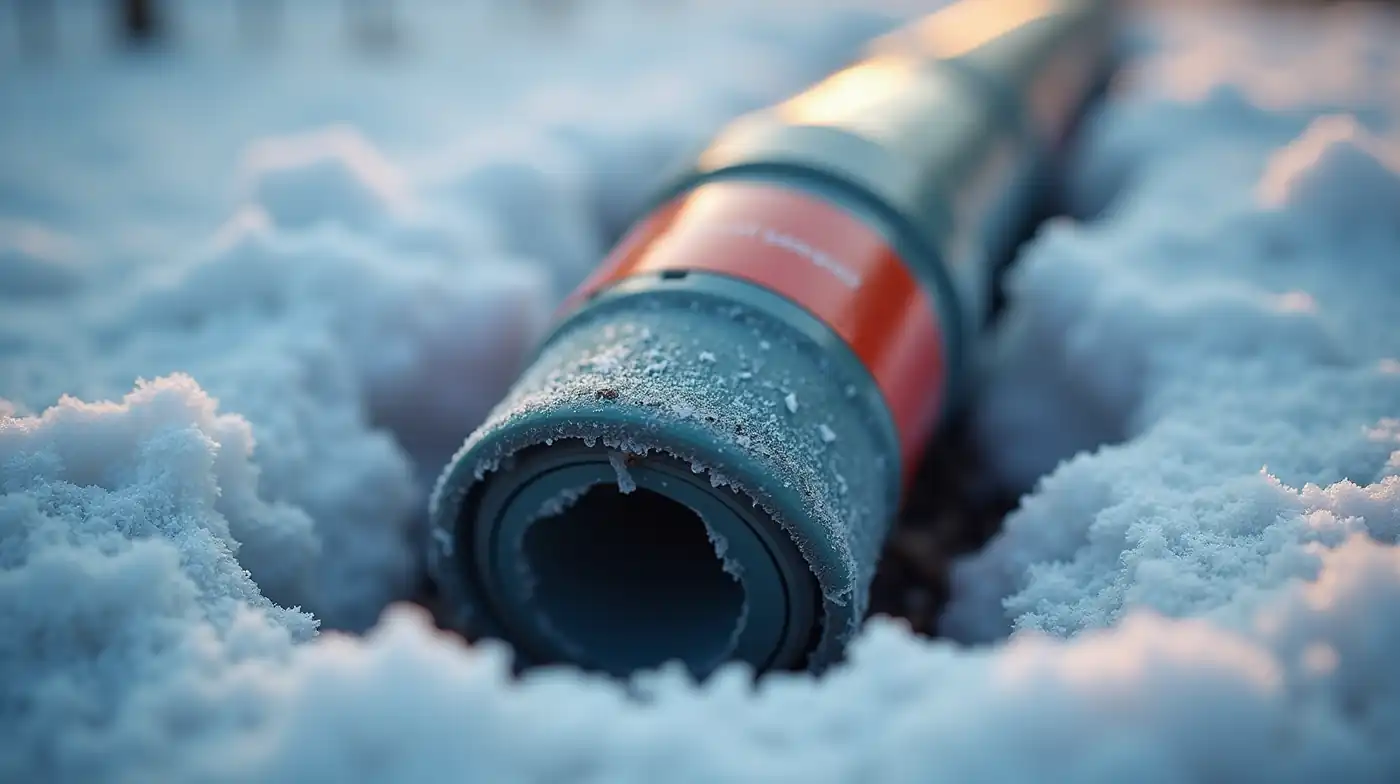
What Actually Freezes in a Well System?
Before you can learn how to unfreeze a well, it helps to know where the ice actually forms. Ground temperature stabilizes at about 50 degrees a few feet below the surface, so water sitting 60 to 120 feet down in the well rarely freezes. The trouble happens where the water meets the cold air, in a predictable order:
- The above-ground or shallow-burial run — the section of pipe from the wellhead to the house that sits at or near frost depth. This is the number-one freeze point on almost every system.
- The pitless adapter or wellhead — the sealed entry point where the line crosses the casing. Ice can build up around the adapter and seal.
- The pressure tank and pump house — in unheated pump houses or crawl spaces that dip below 32 degrees, the tank can freeze solid and even rupture.
- The submersible pump itself — the least common failure, usually only in wells that have gone dry or after a very long freeze.
Quick Answer
When your well goes silent or dry in a freeze, the blockage is almost always in the water line or wellhead, not the pump. Start thawing at the house end and work toward the well, and never use boiling water or open flame.
How Long Does It Take to Thaw a Frozen Well?
The honest answer depends on four things: how long the freeze lasted, how deep the line is buried, what the pipe is made of, and which thawing method you use. Steel pipe conducts heat better than polyethylene, so it thaws faster but is more likely to have sustained damage. Here are realistic timeframes from actual field jobs, not best-case estimates:
| Scenario | Recommended Method | Realistic Time to Full Flow |
|---|---|---|
| Short exposed run (5–15 ft), pump house | Heat lamp + insulation, tap trickling | 1–3 hours |
| 30 ft buried at 24 in, poly line | Heat tape along line + warm-water flush | 4–8 hours |
| 60 ft buried at 36 in, steel line | Wellhead heater + slow warm-water flush | 12–24 hours |
| Full line frozen, no heat tape installed | Hot-water flush from the house side | 24–48 hours |
| Ice at the pump or pitless adapter | Casing heater, pro hot-water service | 2–5 days |
Timeframes compiled from field service records on residential 3/4-inch and 1-inch supply lines, 2019–2026.
How to Unfreeze a Well Water Line: 5 Safe Methods
When the line is the problem — and statistically it usually is — here is the step-by-step thaw we use in the field. Work from the house end toward the well; ice that melts toward the house has somewhere to drain.
- Confirm the freeze before you spend money on heat. Turn the pump on manually at the switch. If it hums but no pressure builds, check the breaker and the pressure switch, then open a faucet on the lowest level of the house. Silence or a faint gurgle with no flow points to ice, not a dead pump.
- Leave one faucet trickling. A slow steady drip at the lowest fixture gives meltwater a path out and lets you watch for the first sign of thaw. Do not run it hard — a heavy flow against an ice plug can force water back up into the well.
- Heat the exposed end first. Wrap the pipe where it enters the house or pump house with self-regulating heat tape, or position a heat lamp a safe distance from the pipe. Exposed pipe thaws in hours, and every foot of line you thaw this way is a foot you do not have to dig for.
- Flush warm water through the line. Once the house-end section is warm, run water from a hose or kettle into the open line at 120–140 degrees Fahrenheit. Warm, never boiling. The flush melts the plug from the house side and carries slush out the way it came.
- Verify, then check the system. When full flow returns, close the tap and watch the pressure tank build to cut-out. A line that froze can pull small stones or scale off the pipe walls, so run the water a few minutes at each fixture and watch for debris. If the pump is cycling rapidly afterward, check your pressure tank precharge — a frozen tank can lose its air charge in the process.
| Thaw Method | Best For | Typical Cost | Risk If Done Wrong |
|---|---|---|---|
| Self-regulating heat tape | Buried and exposed lines; doubles as prevention | $40–90 | Low — designed for water pipe; keep off other tape |
| Warm-water flush | Shallow lines and any accessible open end | $0–20 | Pipe shock or cracking if water is boiling |
| Heat lamp | Pump houses, tank rooms, short exposed runs | $25–60 | Fire hazard near insulation or wood — keep 18 in clearance |
| Casing heater | Pitless adapters, ice at pump depth | $150–400 | Wet-location wiring; use a GFCI-protected circuit |
| Professional hot-water / steam service | Deep freezes, pump locked in ice, repeated DIY failure | $300–800 | Low when done by a well pro; check references first |
Warning: Never Use Boiling Water or Open Flame
Boiling water hitting a frozen poly line causes thermal shock that splits the pipe at couplings and fittings — we have replaced at least a dozen lines per winter that boiled-water DIYs cracked. A torch or heat gun near polyethylene is an outright fire risk, and melting the pipe is not a repair.
How to Unfreeze a Frozen Pressure Tank and Pump
When the line is warm but the tank is frozen — usually because the pump house or crawl space dropped below 32 degrees — the fix is to bring the tank area back above freezing, slowly. Drape a blanket over the tank, run a heat lamp at a safe distance, or wrap the tank in towels soaked with warm (not hot) water. A steel bladder tank that has frozen solid may have damaged the diaphragm; after it thaws, check the precharge with a tire gauge on the Schrader valve and watch for a tank that no longer holds pressure. Our full walkthrough is in the pressure tank precharge guide.
If the pump itself is the problem, the rules are different. A submersible pump locked in ice will draw heavy amperage and can overheat if you keep restarting it. Kill the power at the switch, thaw the line and casing first, and only restore power once you have confirmed the well has water in it. For the detailed procedure — including how to free a pump that will not spin — see our step-by-step guide on how to thaw a frozen well pump.
Pro Tip: The 10-Minute Check After Every Thaw
After any thaw, run each fixture for a full minute and watch the pressure gauge. A line that froze often sheds small stones, scale, or a pinch of sediment from the pipe walls. If the pump now short-cycles or you see sand at the aerator, flush the line and inspect the pressure switch before the next cold snap.
When Ice Reaches the Casing or Pitless Adapter
The worst-case freeze is ice at the bottom of the casing, around the pump intake or the pitless adapter seal. The line above the ice thaws fine, but the well simply will not deliver. Signs: the pump runs at normal amperage, pressure never builds, and the well seems to have gone dry even though it was fine last spring.
Your options, in order of invasiveness:
- Wait it out with heat at the wellhead. A wellhead heater or a heat-tape coil at the casing, plus the ground recovering when the cold snap ends, will often melt the plug in 24–72 hours.
- Install a casing heater. A wet-location rated heater lowered to pump depth will melt an ice collar in a day or two and, left in place, prevents the problem next winter. This is the standard fix for a well that freezes the same spot every year.
- Professional hot-water service. A well company can run a hot-water hose down the line and melt the plug from the top. It is the fastest option for a deep freeze, and the cost ($300–800) is usually less than a pump replacement.
Do Not Keep Restarting a Pump Against an Ice Plug
Every restart of a submersible that cannot deliver water stresses the motor windings. If the well will not build pressure after the line is confirmed thawed, leave the pump off and address the ice at the casing — a burned pump is the most expensive freeze repair there is.
How to Keep Your Well From Freezing: 5 Fixes That Work
Thawing is a one-time cost; prevention is a one-time fix you stop thinking about. Here are the five measures we recommend to homeowners after every freeze repair, in the order we install them:
- Insulate and re-bury the shallow run. The exposed or 12–18 inch section of line between the wellhead and the house is the weakest link. Dig it to 48–60 inches where your frost depth allows, or wrap it in 1-inch foam insulation. This single fix prevents most freezes outright.
- Run self-regulating heat tape along the buried line. Wire the tape along the pipe (never coiled), connect it through a GFCI, and the line stays above 32 degrees through any snap. It is cheap insurance and doubles as the first thaw tool when you need it.
- Fit the wellhead or pitless with a heater. A small wellhead heater protects the adapter and seal, the two parts that are impossible to replace without a well truck.
- Keep the tank and pump house above freezing. Insulate the walls, or run a small heat lamp on a timer through the night. A tank that has frozen once is a tank that may never hold a charge again.
- Add a casing heater if you freeze the same spot every year. If the well goes dry in the same cold spell for three winters running, the ice is forming at the pump depth and a casing heater is the permanent fix.
| Prevention Fix | What It Protects | Typical Cost | Best For |
|---|---|---|---|
| Insulation + re-burying the run | The exposed / shallow line segment | $0–200 | Every system, start here |
| Self-regulating heat tape | Buried line at or near frost depth | $40–90 | Cold climates, poly lines |
| Wellhead / pitless heater | Adapter, seal, top of casing | $150–400 | Deep wells, frozen wellheads |
| Casing heater | Ice at pump depth | $300–600 | Recurring freezes, dry-feel wells |
| Pump house / tank-room heat | Pressure tank, jet pump, switch | $25–150 | Unheated pump houses, crawl spaces |
The Cheapest Fix Is the One You Did Last Spring
Across a decade of freeze repairs, the pattern is consistent: systems with an insulated, properly buried exposed run almost never freeze. Every heater we install is a backup for a line that was left exposed. If you do one thing this fall, wrap and bury that shallow run.
Where to Buy: Freeze-Prevention Products That Work
These are the specific product types we spec for residential wells. Links take you to current Amazon options — search results rotate, so compare wattage, length, and wet-location ratings before ordering:
| Product | What It Is For | What to Look For |
|---|---|---|
| Self-Regulating Heat Tape (50 ft) | Buried and exposed water line | Rated for water pipe, GFCI requirement, length matching your run |
| Wellhead Heater Kit | Pitless adapter and wellhead seal | Fits your adapter type (pitless vs. capped wellhead) |
| Submersible Casing Heater | Ice forming at pump depth | Wet-location rating, submersible design, 300 W typical |
| 250-Watt Heat Lamp | Pump house, tank room, short runs | Shatter-resistant bulb, timer or dimmer compatible |
| 1-Inch Foam Pipe Insulation | Above-ground line segments | Closed-cell foam, 1 in thickness for 3/4–1 in pipe |
| Well Freeze Guard Cover | Outdoor spigots and frost-free hydrants | Fits your spigot size, keeps the valve stem dry |
Pricing and specs per manufacturer listings, checked November 2026. Verify amperage against your circuit before installing any heater.
When to Call a Well Professional
Call a well driller or pump service company rather than pushing a DIY thaw when any of these are true:
- The line is steel and you see rust-colored or pinhole water when flow returns — steel freeze damage usually means replacement, not a band-aid.
- The pump runs but the well will not deliver after 24 hours of thawing — ice at the casing needs a hot-water service or casing heater installation.
- The pump will not spin or smells hot after a thaw — motor damage needs an electrician, not patience.
- It is the third freeze in two winters — the pattern means the system needs a permanent fix, and a pro can size heat correctly for your frost depth.
- You cannot access the wellhead or the line at all — do not dig into a frozen line by guesswork; a trench cut the wrong way can hit the pipe.
How to Unfreeze a Well: FAQ
What temperature does well water freeze?
Water freezes at 32 degrees, but it needs sustained cold. A line buried at 24 inches typically freezes after 3–5 days of air temperatures in the 20s or lower; a line at 48+ inches rarely freezes at all. Water in the well itself, 60–120 feet down, stays near 50 degrees year-round and almost never freezes.
Can a frozen well burst the water line?
Yes — that is the main risk of a freeze. Water expands about 9 percent as it freezes, and polyethylene splits at couplings, fittings, and any kinked section. That is why you thaw slowly with warm water and heat, never with boiling water or flame, and why you check the line for leaks at every fitting once flow returns.
How long does it take to thaw a frozen well?
A short exposed run thaws in 1–3 hours with a heat lamp and a trickling tap. A typical buried line takes 4–24 hours with heat tape and a warm-water flush. Ice at the casing or pump depth can take 2–5 days. The timeframes table above has the full breakdown by scenario.
Should I leave a faucet on while thawing?
Yes — leave one low-level faucet trickling at a slow, steady drip. It gives meltwater a path to the house, keeps the section you have already thawed from refreezing, and the moment you see a strong stream, the plug is moving. Turn it off once full pressure returns.
How much does it cost to unfreeze a well?
DIY thawing costs $0–90: a heat lamp or a roll of self-regulating tape, plus water. Professional service — hot-water flush, casing heater installation, or line repair — typically runs $300–800 depending on depth and access. If a frozen line split and needs replacing, add the trenching cost for the affected run.
The Bottom Line
Knowing how to unfreeze a well comes down to a simple sequence: confirm the freeze, start a trickle, heat the exposed end, flush warm water from the house side, and check the whole system once flow returns. Most freezes live in the shallow line or wellhead, and a patient warm-water thaw with self-regulating heat tape handles them in a day. The freeze that comes back every year is not bad luck — it is a missing fix. Insulate and bury that shallow run this fall, add heat tape or a wellhead heater where your frost depth demands it, and the next cold snap will be a story your neighbors tell you about, not a story you tell them about.
See Also
#WellWater #UnfreezeWell #FrozenWell #WellPump #PrivateWell #WellMaintenance #WellOwner #WaterLine #PressureTank #WinterWellCare #WellDrilling #HomeWater #WellCare #RuralHome #WellWaterSystem