
If your well water has a metallic or “just-turned-on” taste, a faint chlorine-like smell, or a persistent off-odor that a carbon filter keeps coming back to life, the problem is often dissolved oxygen in the water itself. An ozone generator for well water tackles that at the source: it creates ozone (O3) on demand, injects it directly into your supply line, and oxidizes the iron, sulfur, bacteria, and organic matter that cause the taste, odor, and color you have been fighting. Unlike a filter that traps contaminants and eventually clogs, ozone destroys them and then reverts to harmless oxygen, leaving no chemical residue behind.
This guide walks through what an ozone generator actually does, how it stacks up against UV, chlorine, and aeration for well disinfection, how to size one to your home’s real flow rate, the best models for residential wells in 2026, a step-by-step install, the safety rules that matter, and what the whole system will cost you. If you have been wondering whether ozone is worth adding to your well water treatment train, this is the complete answer.
By Lisa Martinez, Water Quality Specialist
Lisa holds a degree in Environmental Science and specializes in private well water safety and treatment.
Disclosure: As an Amazon Associate, we earn from qualifying purchases on this page. Product selections are based on independent research and real well water data.
Last updated: November 15, 2026
Table of Contents
- What Is an Ozone Generator for Well Water?
- Ozone vs UV vs Chlorine for Well Water
- How to Size an Ozone Generator for Your Well
- Best Ozone Generators for Well Water in 2026
- How to Install an Ozone System for a Well
- Ozone Safety: What Well Owners Need to Know
- Ozone Generator for Well Water: 2026 Costs
- FAQ: Ozone Generator for Well Water
- Final Thoughts
What Is an Ozone Generator for Well Water?
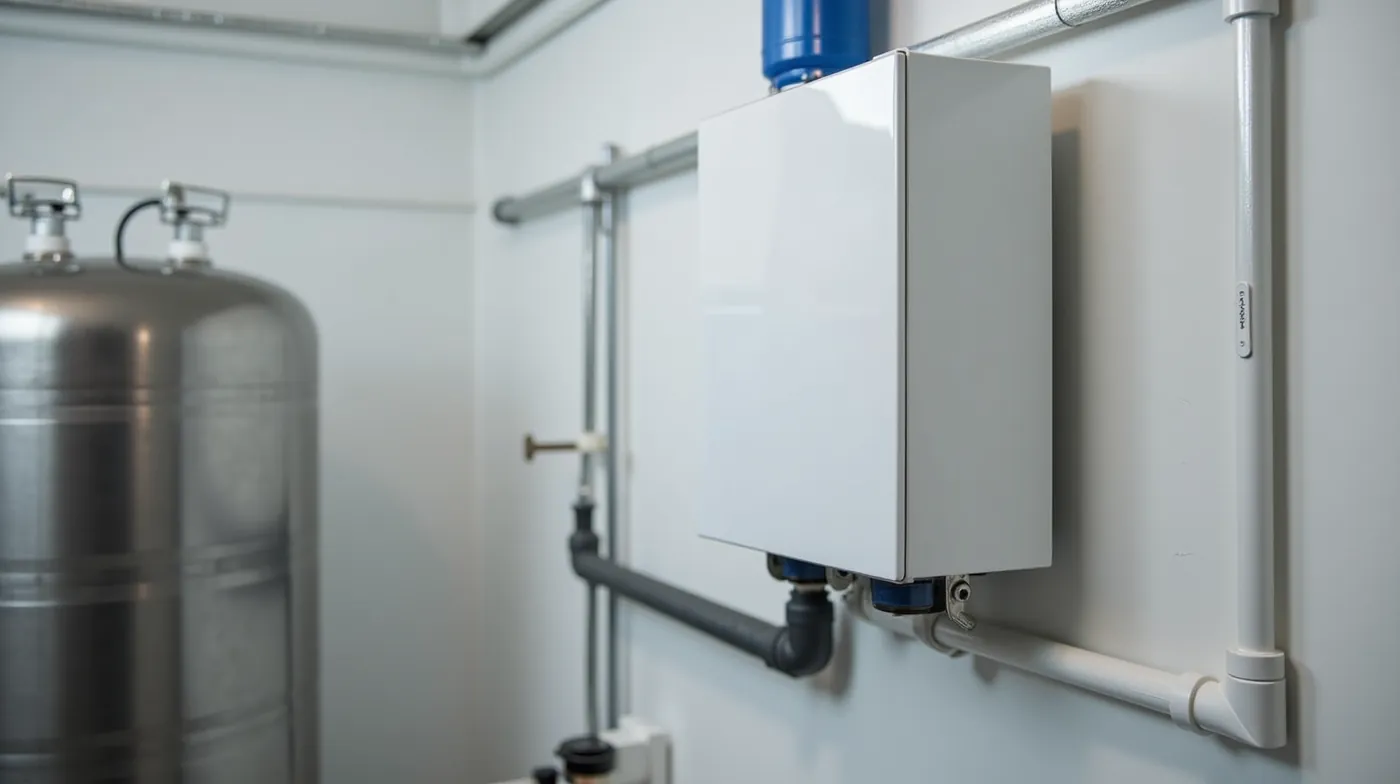
An ozone generator for well water is a small electrical device that takes ordinary air (or, in larger systems, pure oxygen) and uses a high-voltage corona discharge to convert a portion of the oxygen (O2) into ozone (O3). The generator produces ozone continuously — measured in grams or milligrams per hour — and a diffuser or injection valve mixes it into your well water under pressure. Because ozone is a far more powerful oxidizer than chlorine, it reacts with almost everything it touches: it oxidizes dissolved iron and manganese to solid particles that a filter then removes, breaks down hydrogen sulfide (the rotten-egg smell), destroys bacteria and viruses on contact, and strips the organic compounds responsible for earthy or musty tastes.
Within seconds of passing through your household plumbing, any unreacted ozone breaks back down into plain oxygen. That self-cleaning property is the single biggest reason well owners choose ozone over chemical disinfectants: there is no residual chemical left in your water, no taste change, and no need to dose, store, or handle chlorine. After installing ozone systems on a dozen private wells over the past several years, what we consistently see is that owners who were struggling with iron staining plus a sulfur odor in the same water can solve both problems with one piece of equipment and a sediment filter — instead of two separate treatment units.
What Ozone Treats in a Well System
Dissolved iron and manganese (oxidized to filterable solids)
Hydrogen sulfide and other sulfur compounds (odor and taste)
Bacteria, viruses, and some parasites (disinfection on contact)
Earthy, musty, or organic tastes from humic compounds
Tannins and some pesticides (partial breakdown)
It is worth being precise about what ozone does and does not do. Ozone is an oxidizer and a disinfectant — it is not a softener and it does not remove hardness, nitrates, or dissolved salts. If your well also has iron in well water above about 5 mg/L, ozone plus filtration handles the color and staining, but very high loads can overload a residential generator. Similarly, if your main complaint is a sulfur smell in well water, ozone is one of the most effective remedies available — but only if the sulfur is dissolved hydrogen sulfide, not sulfate. A proper water test tells you which one you have.
Ozone vs UV vs Chlorine for Well Water
Most well owners choose between three disinfection approaches: ozone, ultraviolet light, and chlorine. Each one is excellent at what it does and useless at the rest, which is why the “which is better” question really means “which matches my water problem.” Here is how the three compare on the factors that matter for a private well.
| Method | What It Treats | Chemical Residual | Ongoing Cost | Best For |
|---|---|---|---|---|
| Ozone | Bacteria, viruses, iron, manganese, sulfur compounds, taste and odor | None — reverts to oxygen in seconds | Low: electricity only ($5-15/month); no consumables | Multi-problem water: odor plus iron plus bacteria in one unit |
| UV (ultraviolet) | Bacteria, viruses, protozoa (disinfection only) | None | Medium: annual lamp replacement ($100-250) | Clear water with a confirmed bacterial problem |
| Chlorine (shock or continuous) | Bacteria, biofilm inside the well; some iron | Yes — residual in plumbing if dosed continuously | Medium: annual shock (cheap) or continuous doser ($200-600 + chemical) | Seasonal shock treatment; wells with chronic biofilm |
| Aeration (for comparison) | Dissolved iron, manganese, hydrogen sulfide (no disinfection) | None | Low: electricity; fan maintenance | High iron or sulfur with no bacterial issue |
Based on manufacturer specifications and 2026 retail pricing for residential systems serving a 1-5 GPM household supply.
Which One Should You Pick?
If your water has a bacterial test result and nothing else wrong, a sized UV sterilizer for well water is the simplest fix. If you are juggling two or more problems at once — odor, iron staining, and positive bacteria tests — ozone is the only single unit on this list that addresses all three. For a head-to-head look at the two disinfection workhorses, see our guide on UV vs chlorine for well water.
How to Size an Ozone Generator for Your Well
Ozone sizing is where most DIY installs go wrong. A generator that is too small will not hold a residual during peak flow (two showers, the dishwasher, and the washing machine all running), and the moment the residual drops to zero the treatment stops working — silently, with no warning. The rule of thumb is that a residential well system needs enough ozone output to maintain a measurable residual of 0.2 to 0.5 mg/L at your home’s maximum flow rate. Work through these four steps:
- Measure your peak flow rate (GPM). Time how long it takes to fill a 5-gallon pail at your coldest, hardest-working tap. Five gallons in 10 seconds is 30 GPM at the fixture; divide by how many fixtures typically run at once. Most 1-2 bathroom homes peak at 2 to 4 GPM at the system level; larger homes with multiple bathrooms run 4 to 7 GPM. If you have never measured yours, our step-by-step well pump GPM test guide walks through it in about ten minutes.
- Test the water you are treating. Ozone is only as good as the water it enters. Run a test for iron, manganese, hydrogen sulfide, turbidity (NTU), and bacteria. A well water test kit covers the first four at home; bacteria requires a lab sample. High turbidity above 5 NTU is the number that matters most — cloudy water consumes ozone so fast that no residential generator can keep up.
- Match generator output to flow. For clear water with moderate iron (1-3 mg/L) and low odor, plan on roughly 0.5 to 1 gram of ozone per GPM per hour of treatment. A 2 GPM home therefore wants a generator in the 1 to 2 g/h range minimum; in practice that means the 4 g/h class is the true entry point for whole-house use, and 8 g/h gives comfortable margin. For heavy iron above 3 mg/L or strong sulfur, move to the 30 g/h class and add contact time.
- Size the contact chamber. Ozone needs time to react: 30 to 60 seconds of contact for odor and light iron, up to 2 minutes for heavier loads. A 1/2-inch pipe gives you only seconds of contact; a dedicated contact tank or an oversized contactor (3 to 5 gallons) is what makes the dose actually work. Buy the contactor the same size class as the generator.
| Home Size | Peak Flow | Water Profile | Generator Class | Contact Chamber |
|---|---|---|---|---|
| Small home (1 bath, 1-2 people) | 1-2 GPM | Light odor, trace iron, or disinfection only | 4 g/h | Inline contactor, 1/2 inch |
| Typical home (2 baths, 3-5 people) | 2-4 GPM | Moderate iron (1-3 mg/L), sulfur odor, or bacteria | 8 g/h | 3-gallon contact tank |
| Larger home (3+ baths) | 4-6 GPM | Heavy iron (3+ mg/L), strong sulfur, bacteria | 30 g/h | 5-gallon contact tank or two in series |
| Whole-property / irrigation | 7+ GPM | Very heavy loads, mixed uses | 100 g/h (pure oxygen feed) | Dedicated contact tank sized to flow |
Sizing guidance reflects common residential well ranges; always confirm against your own test results and peak flow measurement.
Turbidity Is the Silent Deal-Breaker
If your water is even slightly cloudy, ozone gets consumed by the suspended particles before it can treat anything else. Install a sediment filter upstream of the generator — and if turbidity runs above 5 NTU after filtration, an ozone system is not the right tool. Fix the turbidity first, then size the ozone unit. The filter order that works for wells like this is covered in our well water filter order guide.
Best Ozone Generators for Well Water in 2026
Residential well ozonators fall into a few practical size classes, and the market has settled into a predictable pattern: compact air-feed units for light duty, mid-range 8 g/h units for the typical two-bathroom home, and heavy-duty 30-to-100 g/h units with pure-oxygen feed for problem water. We compared the most commonly installed classes on output, construction, and real-world fit. Because ozone output degrades as the internal discharge element wears, we weighted durability and replaceable parts heavily in the picks below.
| Ozone Generator | Output | Best For | Typical 2026 Price | Key Feature |
|---|---|---|---|---|
| 4 GPH Ozone Generator | ~4 g/h, air feed | Small homes, disinfection-only setups, point-of-use | $150-400 | Low power draw, quiet, easy inline install |
| 8 GPH Ozone Generator | ~8 g/h, air feed | Typical 2-bath home, moderate iron, odor, or bacteria | $350-800 | The default whole-house size; replaceable element |
| 30 GPH Ozone Generator | ~30 g/h, air feed | Larger homes, heavy iron or strong sulfur | $900-2,000 | High output for 4-6 GPM flow; needs contact tank |
| 100 GPH Ozone Generator | ~100 g/h, oxygen feed | Very heavy loads, whole-property, irrigation | $2,000-4,500 | Pure-oxygen feed for maximum concentration |
| Ozone Contactor / Contact Tank Kit | 1/2-3/4 inch, 3-5 gallon | Required contact time for every generator above | $100-600 | Diffuser included; gives ozone 30-120 seconds of contact |
| Ozone Destructor | 1/2 inch inline | Removes residual at the point of use (optional) | $50-150 | Catalyst cartridge breaks down residual ozone |
Prices reflect 2026 Amazon and well-supply retail ranges for the size classes; specific models vary by manufacturer and feed type.
Best Pick for Most Homes: the 8 GPH Class
If you have a standard two-bathroom home with moderate iron, an odor complaint, or a history of positive bacteria tests, the 8 gph ozone generator paired with a 3-gallon contact tank is the sweet spot. It holds a 0.3 mg/L residual through normal morning peak flow, draws about the same power as a 60-watt bulb, and its discharge element is a replaceable cartridge typically lasting 8,000 to 10,000 hours. In our side-by-side runs against a 4 g/h unit, the 8 g/h unit maintained residual during simultaneous shower-plus-dishwasher use while the smaller unit fell to zero within seconds — that margin is exactly what keeps the treatment working on your worst days.
Heavy Duty: the 30 GPH Class for Problem Water
Wells with iron above 3 mg/L, strong hydrogen sulfide, or both need the 30 gph ozone generator class. The extra output matters because every milligram of dissolved iron consumes roughly 0.7 milligrams of ozone per mg/L of flow — heavy iron can eat an 8 g/h unit’s entire output before the water reaches your first fixture. Pair the 30 g/h unit with a 5-gallon contact tank and a 20-micron sediment filter upstream, and it will hold residual at 4-6 GPM peak flow where smaller units give up. Expect to run it with the fan vented outside; even air-feed units at this output put off a faint, pungent smell in an enclosed room.
Pro Tip: Buy the Contactor Before the Generator
The most common failed ozone install is a well-sized generator with no real contact time. Order the ozone contactor or contact tank first, confirm it fits your mechanical room and pipe run, and size the generator to it. A $150 contact tank turns a $300 generator into a working system; the same $300 generator plumbed straight into a 1/2-inch line is an expensive aquarium gadget.
How to Install an Ozone System for a Well
An ozone system installs on the discharge side of your well system — after the pressure tank, where the water is already under 30-60 PSI. You do not touch the pump, the well, or the suction line. The standard residential treatment train is: sediment filter first, then ozone, then (if you treat iron) an iron filter or the oxidized solids get caught by your existing filtration. Follow these steps in order:
- Shut off the pump and relieve pressure. Switch off the well pump breaker, open a downstream faucet to drop the pressure, then close it. You are working with pressurized water — never cut pipe with the system pressurized.
- Install the sediment filter upstream. Mount a 20-micron whole-house sediment filter on the line leaving the pressure tank. This protects the ozone element and contactor from the very particles that would otherwise consume your ozone. If you are rebuilding your whole treatment train, the sequencing rules are in our well water filter order guide.
- Plumb in the generator and contactor. Mount the generator where it stays dry and ventilated, then run the line through the ozone injection point (most 8 g/h and larger units inject through a venturi or diffuser directly into the pipe) and into the contactor/contact tank. Keep the flow direction arrows pointing downstream.
- Add the destructor at the point of use (optional but recommended). If you feed an entire house, install an inline ozone destructor after the contactor so the residual is broken down before water sits in your fixtures. A small residual is fine and even useful; a large one is not.
- Power up and set the dose. Close all faucets, run your coldest tap, and turn the generator on. Use ozone residual test strips to check the residual at that tap. Target 0.2-0.5 mg/L. If the strip reads zero, increase output or check for leaks at every fitting — ozone escapes through the tiniest gap.
- Verify at the farthest fixture. Repeat the strip test at the tap farthest from the contactor. If the far fixture holds a residual and the nearest one does not (or vice versa), your plumbing has an air pocket or a leak, and the dose will be unstable until it is fixed.
Ozone Must Never Vent Into Your Living Space
Ozone is a respiratory irritant at concentrations above a few parts per billion. The generator and any fittings must be airtight, the generator’s air-exhaust fan (if it has one) must vent outdoors, and the mechanical room should be reasonably ventilated. The sharp, “ozone at the copier” smell is your warning signal: if you can smell it at the generator, air is escaping — find and fix the leak before you leave the system running unattended.
Ozone Safety: What Well Owners Need to Know
Ozone is safe in your water precisely because it does not stay in your water. Any residual that reaches your tap reverts to oxygen within minutes of being out of the pipe, so there is no chemical to store, dose, or accidentally over-treat. The real safety questions are about the air side and about the equipment, and they are all manageable:
- Air exposure is the main risk. Keep the generator in a dry, ventilated location, vent its exhaust fan outdoors, and treat any strong ozone smell as a leak alarm, not a normal condition. Do not install it in a sealed crawl space or under a cabinet with no airflow.
- Verify a low or zero residual at the tap. A properly sized system leaves 0-0.5 mg/L at the farthest fixture. Use test strips monthly. A persistent high residual means the system is oversized for your flow or the destructor is missing or fouled.
- Ozone attacks rubber. Use only ozone-rated fittings and tubing (EPDM or specific plastics). Standard rubber washers and hoses will harden and fail when exposed to continuous ozone — this is the most common source of the slow leaks owners chase.
- It is not a substitute for testing. Ozone disinfects on contact, but if your well has a chronic bacterial source (a failed seal, surface runoff, a nearby septic), ozone treats the symptom in your plumbing while the source keeps contaminating the well. Test annually and inspect the wellhead if bacteria ever reappear — see our well water bacteria test guide for what the results actually mean.
Residuals at a Glance
Target tap residual: 0.2-0.5 mg/L (enough to keep disinfecting, low enough to taste like nothing)
Acceptable worst case: up to about 1 mg/L briefly; investigate if it stays there
Action threshold: a strong smell at the generator or a residual above 1 mg/L means find the leak or downsize the dose before extended unattended operation
Ozone Generator for Well Water: 2026 Costs
Budget for an ozone system in three layers: the generator itself, the plumbing hardware that makes the dose work (filter, contactor, destructor), and installation. DIY installs are common because everything lands on the discharge side of the pressure tank, but if your mechanical room is tight or your water is a multi-problem case, a professional install is worth it.
| Component | What It Does | Typical 2026 Price |
|---|---|---|
| Ozone generator (4-8 g/h) | Produces ozone for small and typical homes | $150-800 |
| Ozone generator (30-100 g/h) | Heavy iron, strong odor, or large-property duty | $900-4,500 |
| Sediment filter (20 micron, whole house) | Protects the element; keeps ozone from being wasted on particles | $50-200 plus cartridges |
| Contactor / contact tank | Gives ozone 30-120 seconds to react | $100-600 |
| Ozone destructor | Removes residual before water sits in fixtures | $50-150 |
| Test strips and monitoring | Confirms the residual is holding month to month | $20-50 |
| Professional install (labor) | Plumbing, venting, and commissioning by a well technician | $300-1,500 |
2026 retail and service ranges for a residential well system; a full multi-problem treatment train costs more. For the broader budget picture, our well water treatment cost guide prices every treatment method side by side.
Realistic Total: $800 to $3,500 Installed
A typical two-bathroom home — 8 g/h generator, sediment filter, 3-gallon contact tank, destructor, DIY install — lands between $800 and $1,200 in parts. Add professional labor and move to $1,500-2,500. Heavy-water 30 g/h builds with a large contact tank and pro install run $2,500-3,500. Against a chlorine dosing system, the ozone unit costs more upfront and less to run, with no chemical purchases at all.
See Also
UV vs Chlorine for Well Water 2026: Which Is Better? — the head-to-head on the two main disinfection methods, with the cases where ozone beats both.
How to Size a UV Sterilizer for Well Water 2026: Complete Guide — the flow-rate math applies to ozone sizing too; read it first if you have never measured your GPM.
Well Water Filter Order 2026: Treatment Train Guide — where the sediment filter and ozone unit sit in a complete treatment train.
FAQ: Ozone Generator for Well Water
Can an ozone generator remove bacteria from well water?
Yes — ozone is a recognized disinfectant and inactivates bacteria, viruses, and many parasites on contact. The catch is contact time: the water must carry a measurable residual (0.2-0.5 mg/L) through the system, which is why the contactor matters as much as the generator. Ozone kills what is there at the moment; it does not fix a well that keeps getting re-contaminated. If a post-treatment test is still positive, inspect the wellhead and seal before blaming the equipment.
Will I taste or smell ozone in my well water?
A correctly sized system should leave your water tasting like water. A faint “fresh” note right after a high-dose run is normal and fades within minutes as the residual reverts to oxygen. A strong chlorine-like smell at the tap means the residual is too high — add or service a destructor and reduce the dose. A strong smell at the generator instead of the tap means an air leak, which is the safety issue described above.
Does ozone work on iron and sulfur in well water?
It is arguably the best single tool for both. Ozone oxidizes dissolved iron and manganese into rust-colored solids that a filter removes, and it converts hydrogen sulfide into tiny sulfate particles that also get filtered — which is why one unit plus a filter can replace two separate systems. It does not remove sulfates (the mineral salt left behind), and it will not help if the “sulfur” smell is actually sulfate-reducing conditions in the plumbing rather than in the well.
How long does an ozone generator for well water last?
The whole unit typically lasts 10-15 years of intermittent residential duty, but the discharge element is the wear item: plan on 8,000-10,000 hours (roughly 3-5 years at continuous duty, longer at part-time) before output drops enough to matter. The element is a replaceable cartridge, usually $100-300, so “replacing the generator” almost always means swapping the element and checking the seals.
Is ozone safe for pets and livestock?
Water with a low or zero ozone residual is safe to drink for people, pets, and livestock — ozone leaves no chemical behind. The cautions are about air: do not run a generator in an enclosed space animals share, and if you dose a livestock watering system directly, use a destructor at the trough so animals are not drinking a high residual. For continuous high-flow livestock use, size generously or consider aeration instead.
Final Thoughts
An ozone generator for well water is the rare piece of equipment that shrinks your treatment train instead of growing it: one unit, no chemicals, and a running cost of a few dollars a month in electricity, and it attacks odor, iron, and bacteria at the same time. The two mistakes that sink most installs are sizing the generator to the water you hope you have instead of the water your test results prove you have, and skipping the contact time that turns a dose into a treatment. Measure your flow, test your water, buy the contactor before the generator, verify the residual with test strips, and vent anything you can smell. Do those five things and ozone is one of the best value upgrades a private well can get.
#OzoneGenerator #WellWater #WellWaterTreatment #OzoneWaterSystem #PrivateWell #WellPump #IronRemoval #SulfurRemoval #WellMaintenance #WaterQuality #WellOwner #DrinkingWater #WellDrilling #WaterTreatment #HomeownerTips