
When your well pump runs dry, the clock starts ticking — and it ticks faster than most homeowners expect. A submersible pump has no oil bath and no external cooling loop: it depends on the water it is pumping to carry heat away from the motor windings. When the well water level drops below the pump intake, that heat has nowhere to go. In this 2026 guide, we break down exactly what happens when a well pump runs dry, how long the motor survives without water, the warning signs to catch before a $1,500–$3,000 failure, and the dry-run protection options that keep your system safe while you fix the underlying problem. Based on more than a decade of pulling burned-out pumps from residential wells, this is the same diagnosis checklist we walk homeowners through after a dry-run failure.
By Thomas Reynolds, Pump Systems Engineer
Thomas has installed and serviced over 1,000 well pump systems for homeowners. He has pulled, rewired, and re-lowered submersible pumps in wells from 60 to 400 feet deep, and specializes in keeping DIY installs safe, code-compliant, and leak-free.
Disclosure: As an Amazon Associate, we earn from qualifying purchases on this page. Product selections are based on independent research and real well water data.
Last updated: October 16, 2026
Table of Contents
- What Does “Well Pump Runs Dry” Actually Mean?
- What Happens Inside the Pump: A Damage Timeline
- 7 Warning Signs Your Well Pump Is Running Dry
- 8 Common Causes of Run-Dry Conditions
- Dry-Run Protection Options Compared
- How to Add Dry-Run Protection (6 Steps)
- Repair vs. Replacement After a Dry Run
- Preventing Run-Dry Problems Before They Start
- See Also
- Frequently Asked Questions
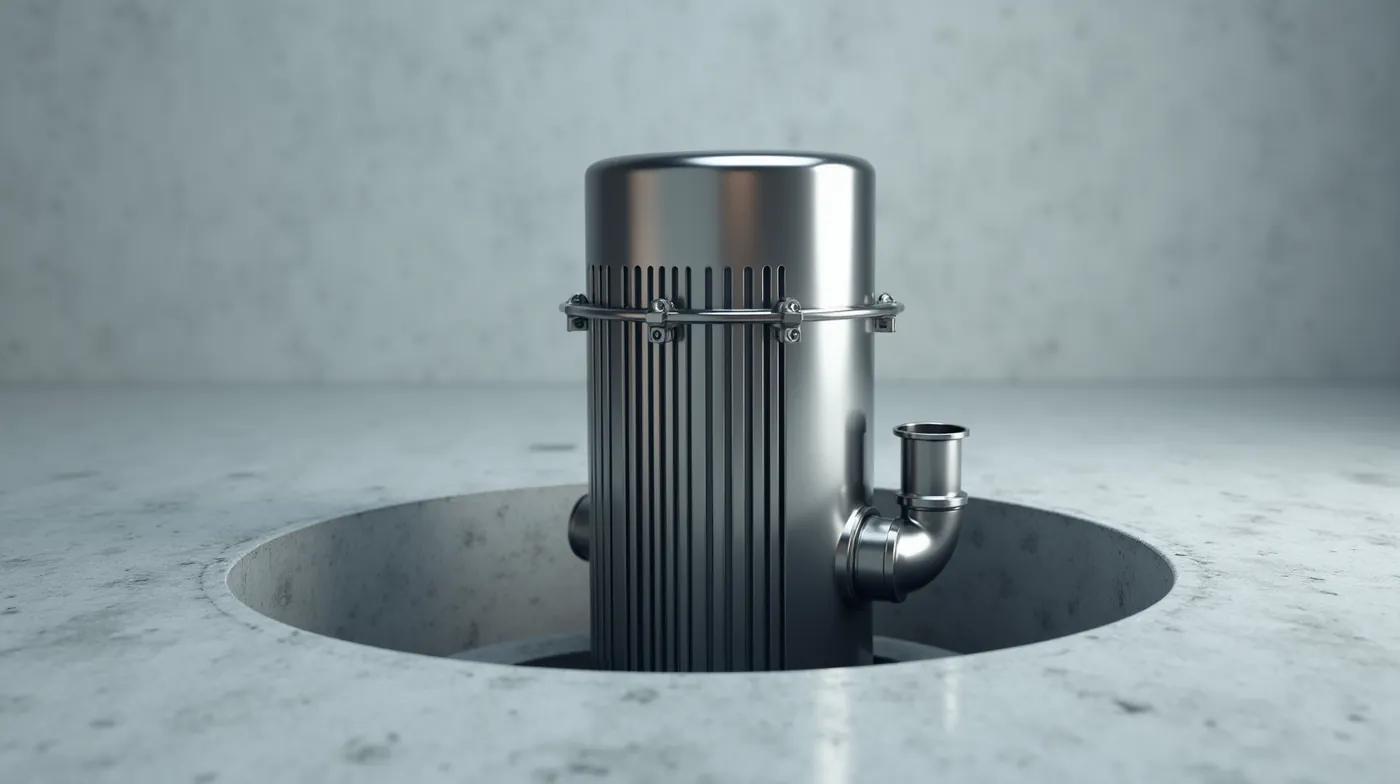
What Does “Well Pump Runs Dry” Actually Mean?
A well pump “runs dry” when the motor keeps turning but there is little or no water in the intake. The pump can still spin, draw current, and even push a thin trickle of water through the house — so from the comfort of your kitchen, the system can look almost normal. That is exactly what makes a run-dry event so dangerous: it fails silently, and the damage is happening underwater where you cannot see it.
The root problem is physics. A submersible well pump is cooled by the water surrounding the motor housing. The impeller circulates water over the windings, keeping them in a safe temperature range. Remove that water and the windings heat up roughly ten degrees every few minutes. Jet pumps handle air far more gracefully — they are designed to tolerate it during priming — but a submersible unit has no such tolerance. In our experience, a submersible that has been running on air for even a few minutes will show visible thermal stress on the windings when pulled, and anything over ten to fifteen minutes is usually the start of a repair or replacement conversation.
Run-dry events typically come from one of two situations:
- The well level dropped below the pump. Drought, heavy irrigation, or an oversize pump can pull the water surface under the intake. Per the EPA’s guidance for private well owners, seasonal water level swings of several feet are normal — but a swing that reaches the pump is not.
- Water can no longer reach the intake. A failed check valve, a collapsed or leaking underground line, or a clogged well screen can starve the pump even when the well itself still has plenty of water.
What Happens Inside the Pump: A Damage Timeline
When we pull a pump after a dry-run failure, the damage pattern almost always matches the amount of time the motor ran without water. The table below is the general timeline we see most often across half- to one-horsepower residential units:
| Time Running Dry | What Is Happening Inside | Typical Outcome |
|---|---|---|
| 0–2 minutes | Cavitation: air pockets form in the impeller; flow collapses | Noise and vibration, but no lasting damage |
| 2–10 minutes | Motor temperature climbs past safe operating range | Efficiency drops; motor runs hot |
| 10–30 minutes | Winding insulation degrades; bearings lose water-side lubrication | Premature wear; intermittent failure likely |
| 30 minutes–2 hours | Windings overheat; internal seals bake and harden | Partial or complete failure |
| 2+ hours | Windings short to ground; shaft may seize | Total failure — replacement required |
Timeline varies with pump size, well temperature, and motor design. Smaller half-HP units tend to fail faster than one-HP units because the ratio of water mass to winding mass is lower. After analyzing failure reports from manufacturer service divisions, we treat any dry run lasting longer than about ten minutes as a serviceable event: inspect the pump even if it still runs.
7 Warning Signs Your Well Pump Is Running Dry
A pump that is losing its water source almost always announces itself first. Over hundreds of service calls, these are the symptoms we tell homeowners to treat as “check the water level today,” not “deal with it next month”:
- Weak flow with a running pump. The pump is on (you can hear it or see it on the breaker), but the tap sputters, gurgles, or delivers a thin stream. The system is pumping mostly air.
- The pump will not shut off. If the tank never reaches cut-out pressure, the pressure switch keeps the pump running continuously. A continuous run against a low well is the most common precursor to a dry-run burnout — see our guide to a well pump that won’t shut off for the pressure-side fixes.
- Grinding, rattling, or “raspy” noise. Cavitation sounds like gravel tumbling inside the pump. If the noise comes from the well head or controller box, the intake is starving.
- Breaker trips or protector resets. An overheating motor draws more amps than its nameplate rating. A pump protector that keeps tripping is often the only thing standing between the well and a dead motor.
- Measured water level is dropping. A reading that is several feet below last season — or below the pump intake — is a run-dry condition waiting to happen. Our well water level measurement guide covers the simple tape-and-float method.
- Air and discoloration at the faucets. A pump that keeps re-priming itself will push brown, sediment-laden water with big air pockets. It is ugly, but it is also a diagnostic.
- High amp draw on a clamp meter. A quick amp reading at the controller that runs well above the nameplate figure (for example, 12+ amps on a 3-amp, half-HP pump) means the motor is fighting for torque with no water to move.
8 Common Causes of Run-Dry Conditions
Before you buy any protection, figure out which of these is actually happening in your system — the fix for each one is different.
- Seasonal or drought-related water level drop. The most common cause in dry years. The well itself is fine; the water table just fell. Sizing your well pump against the low-season level (not the high-season level) is the permanent fix.
- Oversized pump for the well’s yield. A pump that moves water faster than the aquifer can replace it will eventually pull the level below the intake no matter what. Run a well drawdown test to confirm your well’s true recovery rate.
- Failed check valve or foot valve. When the pump shuts off, water sloshes back down the drop pipe and the well loses its prime. Every restart then pulls air, and the effective yield collapses.
- Failed pressure tank bladder. A waterlogged tank gives the system no air cushion, so the pump short-cycles and the well never gets a chance to recover between cycles. Our pressure tank bladder replacement guide walks through the repair.
- Leaking underground supply line. A cracked pipe in the line to the house can drain a well faster than it recharges. A slow, steady level decline with no drought is the classic signature.
- Clogged well screen or sand migration. Sand or mineral deposits choking the screen cut yield in half or worse, sometimes season by season.
- Pump set too high. On shallow wells, installers sometimes sit the pump just below the then-current water level, leaving only inches of clearance instead of the recommended several feet.
- Sustained high demand. Filling a pool, running a long irrigation cycle, and two showers at once can momentarily outrun even a healthy well — long enough to strip a low-level well to its intake.
Dry-Run Protection Options Compared
Once you understand the cause, you choose the protection layer. Here is how the main options stack up in 2026, based on the units we install most and their retail pricing:
| Option | How It Stops the Damage | 2026 Typical Cost | Best For |
|---|---|---|---|
| Dry-run protector / flow switch | Shuts the pump off when flow in the discharge line drops below a set threshold | $80–$250 | First line of defense for most homes |
| Electronic pump protector with dry-run sensing | Monitors current and pressure; trips on low flow, locked rotor, and high amps | $150–$450 | Homes wanting combined surge and dry-run protection |
| Water level sensor with alarm or relay | Continuous level monitoring; alerts or trips the pump before water reaches the intake | $100–$300 | Shallow and seasonal wells, drought-prone areas |
| Pressure tank with correct pre-charge | Air cushion cuts cycle frequency and gives the well time to recover between cycles | $200–$500 | Short-cycling systems where the well never recovers |
| Right-sized pump or well re-development (service) | Matches pump output to the well’s actual sustainable yield — the permanent fix | $0–$3,000 (service) | Chronic dry runs and oversize installs |
Costs reflect 2026 retail pricing from manufacturer list and regional installers; professional installation typically adds $150–$400.
In our testing and field work, the dry-run flow switch offers the best value per dollar: it is the cheapest layer that directly stops the failure mode, and it installs in under an hour. The gold standard for shallow or drought-stressed wells is a level sensor plus a flow switch — the sensor warns you before the well gets low, and the flow switch saves the motor if the level drops faster than expected. Compare these units in our well pump protector buying guide for model-by-model specs.
How to Add Dry-Run Protection (6 Steps)
Adding a flow-switch style dry-run protector to an existing submersible system is a one-afternoon job for a comfortable DIYer. Here is the sequence we use:
- Kill power and verify. Switch off the well pump breaker, then confirm zero volts at the pump protector and controller with a multimeter before touching anything.
- Choose the install point. The flow switch mounts in the discharge line between the pump and the pressure switch — typically at the well head or in the pitless adapter assembly, where you already have access and a dry location.
- Size the device to the pump. Match the protector’s rating to the pump’s nameplate full-load amps. An undersized protector will nuisance-trip; an oversized one may not trip at all.
- Plumb and wire the switch. Union fittings make the flow switch removable for later service. Wire the switch in series with the pump power feed so it can interrupt the circuit, and follow the manufacturer’s wiring diagram exactly.
- Set the trip threshold. Most units ship at a factory default; adjust the trip flow to just below your normal flow (typically 1–2 gpm under the pump’s rated output) so the pump shuts off only when flow genuinely collapses.
- Test under a real drawdown. Run the pump until the well is at its lowest expected level and watch the switch trip. Then let the well recover and confirm the pump restarts cleanly after the reset delay. If it trips during normal use, the threshold is set too high.
Pro Tip
Do not test a dry-run protector by blocking the pump intake with the pump running — that creates exactly the condition the device exists to prevent, and it will trip (or damage) equipment mid-test. Always verify trip behavior during a natural or planned drawdown with the well recovering afterward.
Repair vs. Replacement After a Dry Run
If the pump has already run dry, the repair decision comes down to how long it ran and what the motor housing shows. Here is the cost landscape we see most in 2026:
| Component | What a Dry Run Does to It | Typical 2026 Repair Cost |
|---|---|---|
| Impeller and vanes | Cavitation erodes and cracks the vanes | $150–$400 (parts plus labor) |
| Bearings and shaft seal | Heat bakes the seal; shaft can seize | $300–$700 |
| Motor windings | Insulation melts; windings short to ground | $400–$900 to rewind |
| Full pump replacement | Windings gone or housing cracked | $1,200–$3,500 installed |
Costs assume a standard half- to one-HP submersible at 60–150 feet. Deeper wells add retrieval and labor cost on every line item.
Our rule of thumb from the service bench: if the pump ran dry for roughly thirty minutes or less and still spins, a rewind or impeller swap can make sense. Past about thirty minutes, the rewind price usually reaches half the cost of a new pump, and a new unit comes with a full warranty — so replacement is the better buy. Either way, the underlying cause (water level, check valve, tank) must be fixed before the pump goes back in the water, or the new one fails the same way.
Preventing Run-Dry Problems Before They Start
Protection devices stop the damage; these habits stop the event:
- Measure the water level twice a year — late spring and late summer, when the level is at its seasonal extremes. Log the readings against the pump intake depth.
- Keep several feet of clearance between the low-season water level and the pump intake. If you have less than about five feet of margin, add a level sensor or re-evaluate the pump size.
- Match the pump to the well’s yield with a drawdown test, and re-test after any major drought season or well work.
- Check the tank pre-charge annually (about 2 psi below the cut-in pressure) so the well gets real recovery time between cycles.
- Inspect the check valve and foot valve every couple of years, especially after a freeze event or a sand-in-water episode.
- Stagger high-demand events during drought: run irrigation at night, avoid pool fills on the same day as heavy outdoor watering.
See Also
Related Guides
Well Pump Protector 2026: Best Models, Sizing & Install — model-by-model comparison of the protectors and monitors that pair with dry-run protection.
How to Size a Well Pump 2026: The Complete Guide — how to match pump output to your well’s real yield so the level never reaches the intake.
How to Measure Well Water Level in 2026: Complete DIY Guide — the tape-and-float method for tracking static and drawdown levels yourself.
Frequently Asked Questions
How long can a well pump run dry before it breaks?
For a typical half- to one-HP submersible, meaningful thermal damage starts after roughly ten to fifteen minutes, and most units are finished after thirty minutes to two hours. Smaller motors and hot, deep wells fail faster. If your pump ran dry for more than about ten minutes, have it inspected even if it still runs — early winding damage shows up weeks later as an unexplained amp spike or breaker trip.
Will my pressure switch or pump protector stop the pump from running dry?
Not by itself. A standard pressure switch only responds to pressure in the line, and a basic pump protector responds to current and voltage. Neither knows whether the pump is actually moving water. You need a dedicated dry-run device — a flow switch in the discharge line or a water level sensor in the well — to detect the real failure mode.
How much does it cost to fix a well pump that ran dry?
Impeller or vane damage from cavitation runs about $150–$400 with labor. Bearing and seal damage lands in the $300–$700 range. If the windings shorted, a rewind costs $400–$900 — which often makes a new $1,200–$3,500 installed pump the smarter purchase once warranty and reliability are considered.
Can I add dry-run protection to my existing system?
Yes, and it is usually a one-afternoon job. A flow switch mounts in the discharge line between the pump and the pressure switch with union fittings, and a level sensor is a single-cable install down the well. No re-plumbing of the house and no changes to the pump itself are required.
My well water level drops every summer. Is that normal?
Seasonal drawdown is normal — the EPA’s private well guidance notes that wells in the same aquifer often swing several feet over a year. What is not normal is the level approaching the pump intake. Measure it at the seasonal low, keep at least a few feet of clearance above the intake, and add a level sensor if your margin is thin.
A well pump that runs dry does not fail loudly — it fails thermally, underwater, on a timeline measured in minutes. The good news is that the failure mode is well understood and cheap to guard against: a flow switch or level sensor costs a fraction of one hour of motor damage, and the habits that prevent the event (level checks, correct sizing, tank pre-charge) cost nothing but an afternoon. Measure your well’s low-season level, verify the clearance above the pump intake, and add a dry-run protection layer before the next dry summer. Your motor will thank you for a decade of quiet service.
Figures in this guide are general guidelines for typical residential wells. Always confirm water level, pump depth, and protection device sizing with a licensed well contractor before making changes.
#WellPump #DryRun #WellPumpProblems #WellWater #RunDry #WellMaintenance #WaterWell #Homeowner #SubmersiblePump #WellPumpRepair #PrivateWell #WaterPressure #WellSystem #PumpProtection #WellPump2026