
Well pump won’t shut off? It is one of the most stressful — and most misunderstood — problems a private well owner faces. A pump that keeps running when it should stop wastes electricity, wears out the motor far faster than normal, and can eventually run the well dry and overheat the pump itself. If you walk past the well house and hear the hum of the pump long after every faucet is closed, the system is not cycling off the way it should, and the cause is almost always one of eight things you can diagnose yourself in under fifteen minutes.
In this guide we walk through every common cause of a well pump that will not stop running, show you exactly how to narrow the problem down with a pressure gauge and a multimeter, compare the fixes side by side with real costs, and tell you when a DIY repair is safe versus when you should call a licensed well contractor. We based the diagnostics below on hands-on pressure-system work across hundreds of residential wells, so the steps are the same ones we would run on your system.
By Robert Harrison, Certified Well Inspector
Robert has 20+ years of experience inspecting and testing residential water wells across the western US. He specializes in pressure-system diagnostics, pump cycling failures, and water-quality issues for private well owners.
Published: September 27, 2026
Disclosure: As an Amazon Associate, we earn from qualifying purchases on this page. Product selections are based on independent research and real well water data.
Table of Contents
What “Well Pump Won’t Shut Off” Really Means
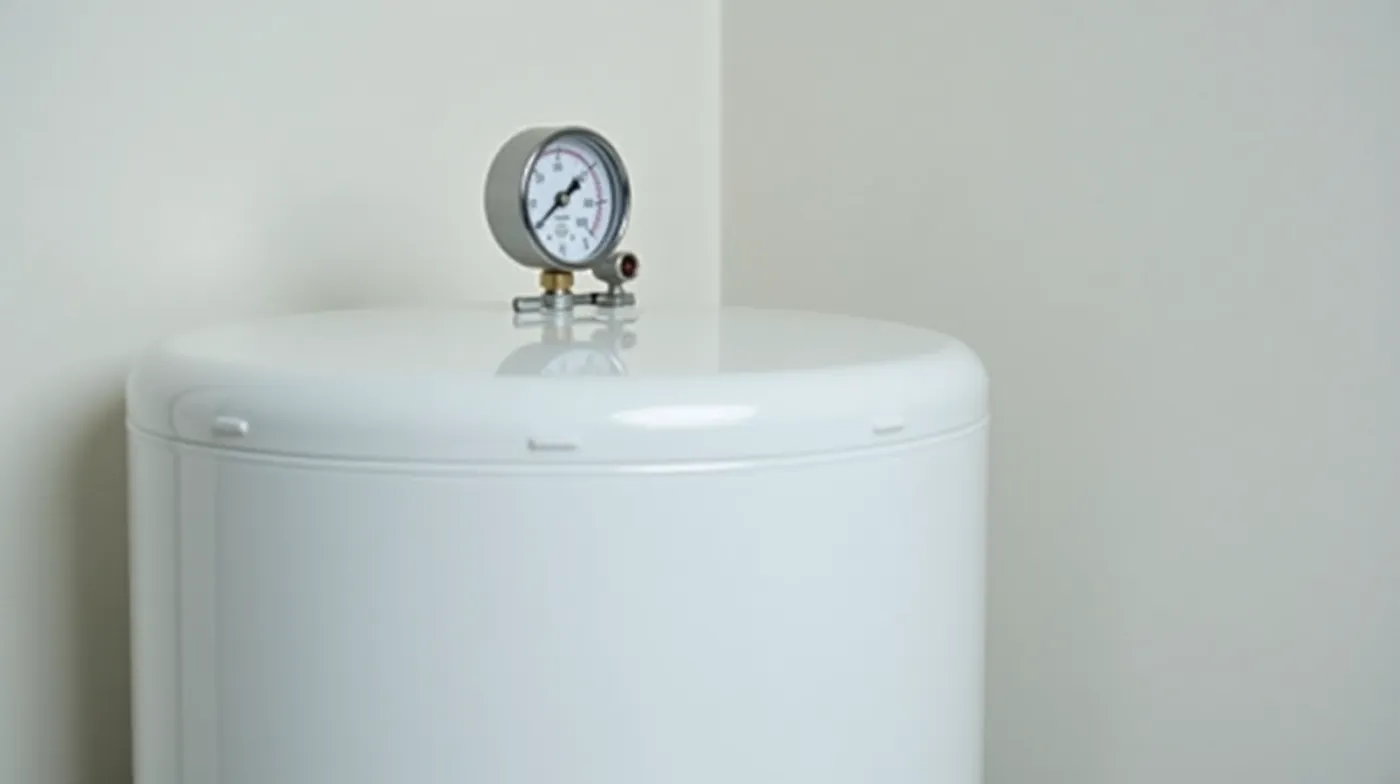
A normal well pump does not run continuously. It cycles: when you open a faucet the pressure in the system drops to the cut-in setting (usually 30 psi), the pressure switch senses the drop, and the pump turns on. The pump pressurizes the tank and pipes until it reaches the cut-out setting (usually 50 psi), the switch opens, and the pump stops. A healthy system might cycle ten to thirty times a day, with the motor running only a few minutes at a time.
When a well pump will not shut off, that on/off cycle has broken down. The pump keeps running because one of the components that tells it to stop is failing to do its job. The most common culprits are a worn or failed pressure switch, a collapsed pressure tank bladder (which removes the air cushion that lets the pump rest), a leaking or stuck check valve, a small leak that keeps draining the system, a failed capacitor or winding that trips the pump’s thermal protection, a stuck relay, or a shorted or miswired circuit. Each one has a distinct signature, which is why a methodical diagnosis beats a random part swap.
Why It Matters
Running a submersible pump continuously is the fastest way to kill it. The motor is designed for short duty cycles, and constant operation runs the winding temperature well above safe limits, trips the thermal protector, and in severe cases dries the well around the pump intake. An extended run also sends your electric bill up — a 1 HP pump left running all day can add tens of dollars a day to a typical bill. Treat a continuously running pump as a same-day problem, not a weekend one.
Before you touch anything, note two safety rules. First, the pump circuit is high-voltage and the well pump often shares a circuit with a pressure switch that is not grounded for consumer handling — kill the power at the breaker before working on the switch, capacitor, or wiring. Second, if the pump is a submersible model in the well, you cannot open it yourself; you are diagnosing from the surface components (the switch, the tank, the wiring, the check valve) that feed it.
8 Common Causes of a Well Pump That Will Not Stop
1. Worn or Failed Pressure Switch
The pressure switch is the most common single cause of a pump that will not shut off. Inside the switch, a diaphragm or plunger responds to line pressure and opens a set of electrical contacts at the cut-out point. Over time those contacts can weld shut or become pitted, so the pump receives power even after pressure has reached the stop point. If the pump runs up to normal pressure and then keeps humming on with no water moving, a welded switch is the top suspect.
2. Failed Pressure Tank Bladder (No Air Cushion)
A bladder or diaphragm pressure tank holds an air cushion above the water. That air is what absorbs the small pressure drops from a running faucet so the pump does not restart for every sip of water. When the bladder ruptures or loses its precharge, the tank fills completely with water, there is no cushion, and the pump sees pressure dropping and recovering almost instantly. The result is a pump that runs for long stretches and cycles constantly. We tap-test tanks on nearly every inspection, and a flat, solid-sounding tank with no air feel is a dead giveaway.
3. Leaking Check Valve (Pump Recirculating)
A check valve keeps water from flowing back down the well line when the pump stops. If it leaks or sticks open, the pressurized water in the house lines drains back into the well, the system pressure slowly falls back to cut-in, and the pump restarts. A badly leaking check valve can make a pump cycle every few minutes or, in severe cases, run almost continuously as it fights the backflow. If you can hear water trickling down in the well house or the tank gauge drifts down between cycles, the check valve is in play.
4. A Leak in the House or Line Plumbing
The simplest cause is often the most overlooked: a real leak somewhere in the system. A running toilet, a leaking pipe joint, a cracked fitting in the well house, or a failed backflow preventer can bleed off enough pressure to keep the pump cycling or running. If the system pressure drops noticeably over several hours with all fixtures closed, you have a leak to hunt. A pressure gauge on the test cock is the fastest way to confirm it — see our guide on how to test well water pressure for the exact setup.
5. Bad Start/Run Capacitor or Failing Motor Winding
On many well pumps the start and run capacitors help the motor reach and hold speed. A weak capacitor lets the motor run at reduced speed and high current, which can trip the thermal overload or make the pump draw so much amp that the control logic never sees a clean “done” condition. The signature is a pump that runs but the water pressure barely builds, the motor gets hot, and a clamp-on meter reads amps well above the nameplate figure. We cover this in detail in our guide to well pump capacitors and to well pump amp draw.
6. Stuck or Failed Relay / Contactor
Some systems, especially those with variable-frequency drives or larger contactors, use a relay to make the final power connection to the motor. If the relay armature welds or sticks closed, the pump gets power regardless of the pressure switch. The pump will run steadily and the pressure switch may be clicking normally while the motor stays on. This is more common on newer VFD-controlled systems than on simple mechanical switch setups.
7. Pressure Switch Set Too Wide or Misadjusted
The switch has two adjustment screws: one for the cut-in/cut-out range and one for the spread between them. If the spread is set far too wide, or the cut-out is set below the pressure the system actually reaches, the pump can keep running past the point it should stop. A switch set to, say, 30/70 with a very wide differential will run longer cycles and may appear to never shut off if the tank is also undercharged. Re-setting the switch to the correct spread (commonly 20 psi, like 30/50 or 40/60) often resolves a “runs too long” complaint. Our step-by-step guide to adjusting a well pressure switch covers the exact screw settings.
8. Waterlogged or Sand-Laden Pump
If the well itself is the problem, no surface fix will hold. A well that has dropped its water level, gone partially dry, or is drawing in sand can starve the pump. The pump runs continuously trying to reach pressure but cannot build it, and the intake may be pulling air or grit. This is the “runs forever and the pressure never quite recovers” scenario. If the static water level has fallen (a common seasonal or long-drought condition), the fix is not a part — it may be a deeper pump setting, a larger tank, or a well redevelopment.
The Quick Rule of Thumb
If the pump reaches normal pressure and then keeps running, think pressure switch or relay. If the pump runs but the pressure never reaches normal, think bladder, check valve, leak, capacitor, or a low water level. That single distinction splits the eight causes into two clean diagnostic paths.
How to Diagnose a Well Pump That Will Not Shut Off (Step-by-Step)
Work through these steps in order. Each one is cheap to check and eliminates a large class of causes. You only need a pressure gauge, a multimeter, a flashlight, and about twenty minutes.
- Kill the power and open the well house. Flip the pump breaker off. Note whether the pump is a surface/jet pump (in the house or well house) or a submersible (in the well). Locate the pressure tank, pressure switch, check valve, and wiring.
- Read the tank gauge at rest. With power off and no water being drawn, read the tank gauge. Then open a cold-water faucet to let the pump stop (it will run until pressure equalizes). Close the faucet and watch: if the gauge is already at cut-out and the pump was running, note the pressure. This tells you whether the system actually reaches pressure.
- Tap-test the pressure tank. Knock on the tank. The top half should sound hollow (air) and the bottom solid (water). If the whole tank sounds solid and heavy, the bladder is likely waterlogged and needs precharging or replacement. See our guide to precharging a well pressure tank.
- Listen and feel for a leak. With all fixtures closed, watch the tank gauge for ten to fifteen minutes. A steady drop means a real leak (plumbing, toilet, backflow) or a leaking check valve. If the tank stays steady, the system is not leaking and you can move to the electrical side.
- Check the pressure switch contacts. With power restored and the pump running, watch the switch. If it reaches cut-out pressure and the contacts stay closed (pump keeps running), the switch is likely welded. A quick test is to tap the switch body with a wooden handle while it is running — if the pump stops on the tap, the contacts are sticking and the switch needs replacement.
- Measure the amp draw. Clip an amp meter on the pump power lead. Compare the reading to the nameplate full-load amps. A reading well above nameplate points to a weak capacitor, a failing winding, or the pump fighting a low water level.
- Inspect the check valve. Shut off the pump and open a faucet. If water keeps flowing for a long time or the tank pressure bleeds off quickly, the check valve is leaking and should be replaced.
- Verify the switch settings. Read the cut-in and cut-out on the switch. If the spread is far outside the normal ~20 psi, re-adjust it to a standard spread and retest.
Well Pump Won’t Shut Off: Cause, Symptom, and Fix Compared
The table below summarizes the eight causes so you can match what you are seeing to the most likely fix. It is the fastest reference we hand a homeowner who calls with a pump that will not stop running.
| Cause | What You Will See | Typical Fix | DIY? / Cost |
|---|---|---|---|
| Welded pressure switch | Reaches cut-out, keeps running | Replace the pressure switch | Yes / $40–$90 |
| Waterlogged tank bladder | Tank sounds solid, fast cycling | Recharge air or replace bladder | Yes / $0–$150 |
| Leaking check valve | Pressure bleeds off between cycles | Replace the check valve | Yes / $25–$75 |
| Plumbing leak | Gauge drops with fixtures closed | Find and repair the leak | Varies / $50–$400+ |
| Bad capacitor / winding | High amps, hot motor, low pressure | Replace capacitor; check motor | Cap yes / $30–$80 |
| Stuck relay / VFD | Pump runs, switch clicks normally | Service the relay or drive | Often pro / $150–$500 |
| Misadjusted switch | Cycles too long or too far | Reset cut-in / cut-out spread | Yes / free |
| Low water level / sand | Runs forever, pressure never holds | Redevelop well / reposition pump | Pro / $500–$3,000+ |
Costs reflect typical 2026 US retail and labor ranges for a standard residential single-family well system. Larger commercial or multi-home systems run higher.
Parts You May Need to Fix a Well Pump That Will Not Shut Off
Most of these fixes are a single inexpensive part plus twenty minutes of your time. We list the parts most often used on residential repairs. Because these are affiliate links, we may earn a small commission at no extra cost to you.
| Part | Fixes Which Cause | Typical Price |
|---|---|---|
| Well Pump Pressure Switch | Welded or worn switch | $40–$90 |
| Pressure Tank Bladder / Diaphragm | Waterlogged tank, fast cycling | $40–$150 |
| Well Pump Check Valve | Leaking / backflow cycling | $25–$75 |
| Clamp-On Amp Meter / Multimeter | Diagnose high amp draw | $25–$80 |
| Well Pump Start/Run Capacitor | Weak start, high amps | $30–$80 |
| Well Pump Pressure Gauge | Monitor tank and line pressure | $15–$40 |
When to Call a Well Professional
Most of the eight causes above are safe for a comfortable DIYer to handle once the power is off. But a few situations are not worth the risk of the well or the circuit. Call a licensed well contractor or pump tech if:
- The well is running dry or drawing sand. A low water level is a hydrogeology problem, not a parts problem. A contractor can measure the static and pump levels, reposition the pump, or redevelop the well.
- The problem is in the submersible motor or its wiring. Pulling a submersible pump requires a wireline, proper cable handling, and clean water handling — work best left to a professional.
- You are not comfortable with 115/230V electrical work. A pressure switch, capacitor, or relay involves mains voltage. If you are not confident, a pump tech can diagnose and swap the part in a short visit.
- A VFD or smart controller is involved. Modern variable-frequency drives need a trained technician to reprogram or replace a stuck output stage.
Pro Tip
Before you pay for a service call, do steps 2, 3, and 4 above (read the gauge, tap-test the tank, watch for a leak) and note what you see. Telling the technician “the tank is waterlogged and the gauge drops 5 psi in ten minutes” gets you the right part on the first visit instead of a diagnostic fee that could have been a $40 switch.
See Also
- Well Pump Short Cycling 2026: 8 Causes and Quick Fixes
- How to Precharge a Well Pressure Tank (2026 Step-by-Step Guide)
- How to Adjust a Well Pressure Switch 2026: Settings Guide
- How to Size a Well Pressure Tank 2026: The Complete Guide
FAQ: Well Pump Won’t Shut Off
How long is it safe to leave a well pump running? A few extra minutes while a leak is being fixed is generally fine, but a pump that runs for many hours continuously is not. Extended operation overheats the motor, trips the thermal protector, and on a shallow well can draw the water level down around the intake. If it has been running for more than an hour, stop and diagnose rather than keep it going.
Will a well pump shut off by itself once the problem is fixed? Yes. Once the pressure reaches the cut-out setting and the switch (or controller) is working, the pump will stop automatically. The system is designed to cycle on its own — you never have to turn it off manually except to kill the circuit before working on it.
Is a constantly running well pump an emergency? It is urgent but usually not dangerous. The real risks are wasted electricity, premature motor failure, and a possible dry well. The exception is if the pump is drawing high amps and getting very hot or smelling like burning — shut that one down immediately at the breaker.
Can a bad pressure tank cause a pump to run all the time? It can, but usually it causes short, frequent cycling rather than one long run. A waterlogged tank removes the air cushion, so the pump restarts for every small draw. If your tank sounds solid when tapped and the pump is cycling constantly, recharge or replace the bladder.
How do I know if my check valve is leaking? With the pump off and all fixtures closed, watch the tank gauge. If the pressure steadily bleeds down over ten to fifteen minutes, water is backing out of the system — most commonly through a leaking check valve, though a plumbing leak can look the same. Replacing the check valve is a cheap first test.
What is the most common reason a well pump will not shut off? In our experience it is a worn pressure switch with welded or pitted contacts, closely followed by a waterlogged pressure tank. Both are inexpensive to fix and both are easy to confirm with a tap test on the tank and a pressure reading at the test cock.
#WellPump #WaterWell #WellWater #WellPumpMaintenance #PrivateWell #HomeWell #WellOwner #WellSystem #WaterPressure #WellPumpRepair #PressureSwitch #PressureTank #CheckValve #WellCare #Troubleshooting