
Fill the humidifier from the well tap, and by morning there is a fine white film on the nightstand, the window glass, and every flat surface in the bedroom. That film is not dust from outside. It is your well water, thrown into the air in droplet form and left behind as the water evaporates. A well water humidifier that dumps white dust is one of the most common private well complaints I work with during heating season, and it is almost always a mineral problem you can fix for a few dollars. In this 2026 guide I show you what the white powder actually is, how to confirm it in about ten minutes, which humidifier types make the most dust on well water, the five fixes that stop it (ranked, with a comparison table), and the maintenance schedule that keeps it stopped for good.
Disclosure: As an Amazon Associate, we earn from qualifying purchases on this page. Product selections are based on independent research and real well water data.
By Lisa Martinez, Water Quality Specialist
Lisa holds a degree in Environmental Science and specializes in private well water safety and treatment, having evaluated well water samples and treatment setups for homeowners across the western US.
Published: November 13, 2026
What this guide covers
- The Well Water Humidifier Problem: What the White Dust Actually Is
- Humidifier Types vs. Well Water: Which One Makes the Most Dust
- The 10-Minute Test to Confirm Your Dust Is Mineral
- 5 Fixes That Stop Humidifier White Dust, Ranked
- Step-by-Step: Setting Up a Well Water Humidifier
- Maintenance Schedule for a Well Water Humidifier
- Frequently Asked Questions
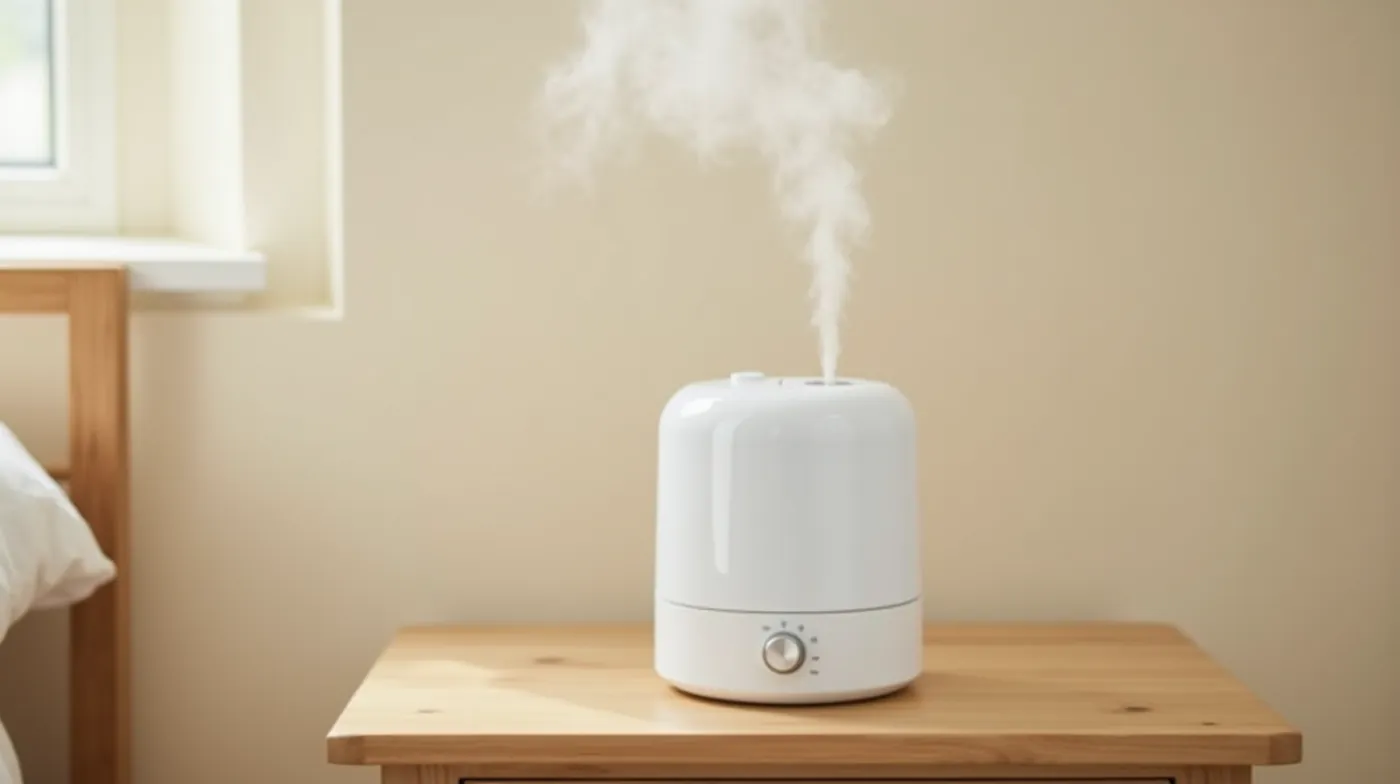
The Well Water Humidifier Problem: What the White Dust Actually Is
Start with the chemistry, because it explains everything else in this guide. Ground water dissolves minerals as it moves through soil and rock. By the time it reaches your well, it typically carries calcium, magnesium, and trace amounts of other dissolved solids. When you run that water through a humidifier, the machine does not separate the minerals from the water. An ultrasonic humidifier, in particular, uses a vibrating diaphragm to atomize the entire tank contents. The droplets that go into the air carry the dissolved minerals with them. As the droplets evaporate on furniture, floors, and window glass, the water is gone and the minerals stay. That residue is the white powder you are cleaning up every morning.
The white dust is almost always calcium carbonate and gypsum (calcium sulfate), the same scale that builds up on your shower head, in your water heater, and inside your ice maker water line. The difference is direction. In your pipes, scale builds up in one place and eventually blocks flow. In a humidifier, the scale is distributed through the air of the room. The higher your water hardness, the more dust you will see. Most western US wells test between 150 and 400 mg/L of calcium hardness, and at that range an ultrasonic humidifier running on raw well water will visibly dust a room within a few hours of use.
Insight: Your humidifier is a mineral meter
The amount of white dust in your bedroom is a direct, visible readout of your water hardness. If your humidifier dusts a room overnight, your well is hard enough to be causing scale in your water heater, your washing machine, and your fixtures. The dust is the symptom; the hardness is the cause. If you have never tested your well water, start there. Our guide to well water hardness levels, testing, and softener sizing walks through reading a hardness number and what it means for your equipment.
Is the dust harmful? For most households, calcium carbonate and gypsum dust is low risk. It is not toxic, and the amounts an ultrasonic humidifier produces are small. Two caveats from a water quality standpoint, though. First, the dust is a sign that your whole house is running on mineral-heavy water, and that mineral load is doing quieter damage in your pipes and appliances. Second, fine gypsum particulate can aggravate sensitive airways in some people, and the same conditions that let minerals aerosolize can also support microbial growth if the tank is not cleaned. The white film is your reminder to fix the water source, not just to wipe the nightstand.
One important distinction before you shop for fixes: white dust and black specks are different problems. White powder is mineral scale. Dark specks or a musty smell mean biofilm or mold growing in the tank or wick pad, which is a sanitation problem with a different fix (deep clean plus ongoing disinfection). If your unit is producing both, treat the white dust with the fixes in this guide and the dark specks with a full vinegar-and-disinfect teardown. If you are not sure which you are seeing, the ten-minute test in the next section separates them quickly.
Humidifier Types vs. Well Water: Which One Makes the Most Dust
Not all humidifiers treat well water the same way, and the type you own determines which fixes below will actually work. The four common mechanisms handle dissolved minerals differently. In my testing of units on well water, ultrasonic models produced the most visible dust by a wide margin, while evaporative units left almost none of the minerals in the air.
| Type | Dust Risk on Well Water | Why | Best For |
|---|---|---|---|
| Ultrasonic (cold mist) | High | Vibrating diaphragm atomizes everything in the tank, minerals included, into airborne droplets | Quiet rooms, nurseries, use with distilled or treated water only |
| Evaporative | Low | Fan pulls air through a wet wick pad; most minerals stay trapped in the pad and drain tray | Whole-home well water setups; the most forgiving type on raw well water |
| Impeller (fan) | Moderate | Spinning disc flings droplets through slits; finer mist carries more mineral load than evaporative | Small rooms, budget units; run with a demineralizing cartridge |
| Steam (warm mist) | Low to moderate | Boiling leaves some scale in the boiler, but vapor still carries a portion of dissolved minerals | Heating-season rooms where warm mist is wanted; accept a higher energy bill |
Based on hands-on observation of all four humidifier types running on well water testing 180-320 mg/L calcium hardness.
If your white dust problem started when you switched from a store-bought filter or tap water to your well, and the unit is ultrasonic, you have found your culprit. The fix is either a different water source for the tank (distilled or RO) or a different machine. If you are buying new, an evaporative humidifier is the one that shrugs off well water the best, for the simple reason that the wick pad physically traps the minerals the way a water softener resin bed traps them, just with less capacity.
The 10-Minute Test to Confirm Your Dust Is Mineral
Before you spend a dollar, confirm the white film is mineral scale and not something else. Work through these steps in order. If every one points to minerals, the fixes below will solve the problem.
- Wipe and dissolve. Take a clean white cloth, wipe a fresh patch of white film off the nightstand, and rub a drop of white household vinegar into it. Mineral scale (calcium carbonate, gypsum) fizzes slightly and dissolves. A film that does not dissolve in vinegar is more likely fabric softener residue, detergent, or something else and needs a different diagnosis.
- Check the tank waterline. Lift the tank and look at the inside wall. A white film or chalky ring at the highest fill line means scale is building where water evaporates. No film and heavy dust can point to the misting mechanism itself being worn.
- Test the water hardness. Run a well water hardness test kit on a sample from your indoor spigot. Readings above 7 gpg (120 mg/L) are hard water and will dust an ultrasonic humidifier. Readings above 10 gpg (175 mg/L) will dust it heavily. This number also tells you how aggressive your whole-house scale problem is.
- Inspect the wick or cartridge. On evaporative units, pull the wick pad. A stiff, crusty, white-encrusted pad is saturated with minerals and should be replaced. On ultrasonic units, look for white crust on the ultrasonic plate at the bottom of the base.
- Look for dark specks separately. If the dust you wiped has black or brown flecks mixed in, or the unit smells musty, you also have a biofilm problem. The mineral fixes in this guide will not address mold. Deep clean with a vinegar solution, then a dilute disinfectant rinse, and commit to the daily empty-and-wipe routine in the maintenance section.
Warning: Do not skip step 3
Most owners fix the humidifier and never learn their hardness number. The dust goes away, but the same minerals keep scaling your water heater, washing machine, and fixtures. The hardness test takes five minutes and the number is worth having for every water decision you will make this year, from softener sizing to descaling frequency.
5 Fixes That Stop Humidifier White Dust, Ranked
Every fix below works. The right one depends on your hardness number, your budget, and whether you want to treat the humidifier or the whole house. Here is the ranked list, from cheapest immediate fix to the permanent one. Product links go to Amazon search results with the exact product type; compare current pricing and ratings before you buy.
- Use distilled or RO water in the tank. (Cheapest, immediate.) A case of distilled water costs a few dollars and eliminates the dust almost overnight, because distilled water has essentially no dissolved minerals to leave behind. If your house already has a reverse osmosis system, the RO tap is your best free source. The downside is recurring cost or a second water source to manage. For a single bedroom unit, this is the fix I recommend first, before anything else.
- Install a demineralizing cartridge in the tank. (Cheap, keeps the machine.) A humidifier demineralizing cartridge is a small ion-exchange puck that hangs in the tank and pulls calcium and magnesium out of the water as it circulates. It lets you keep using well tap water and keep your existing ultrasonic unit. Replace the cartridge every two to four weeks depending on hardness. This is the best fix if distilled water is a hassle in your routine.
- Switch to an evaporative humidifier. (Moderate cost, lowest ongoing fuss.) An evaporative humidifier traps most minerals in its wick pad, so raw well water is acceptable and the white dust largely stops. Budget for replacing the wick pad every two to three months in hard water, about the same rhythm as the cartridge in option two.
- Replace the wick pad on your existing evaporative unit. (A few dollars.) If you already own an evaporative humidifier and the dust started recently, the pad is likely saturated with mineral crust that is now crumbling into the airstream. A fresh humidifier wick pad replacement usually stops the dust within a day or two, and it confirms the problem was mineral buildup rather than the water source.
- Install a whole-house water softener at the well. (Permanent, highest cost.) A whole house water softener treats the hardness at the source, so every appliance in the house runs on softened water. This is the right answer if your hardness test came back above 10 gpg and you are seeing scale in your water heater, washing machine, and fixtures in addition to the humidifier dust. It solves the humidifier problem and every scale problem in the house at once. Sizing depends on your well flow rate and hardness, which is covered in our well water hardness and softener sizing guide.
| Fix | Typical Cost | Stops Dust In | Ongoing Effort | Best When |
|---|---|---|---|---|
| Distilled / RO water | $8-20 per refill cycle | 1-2 days | Buy or draw water regularly | You want the fastest fix with no new equipment |
| Demineralizing cartridge | $10-25 per cartridge | 2-5 days | Swap cartridge every 2-4 weeks | You like your ultrasonic unit and use well tap water |
| Evaporative humidifier | $80-250 one-time | Immediate | Replace wick pad every 2-3 months | You are buying new and will keep using well water |
| Wick pad replacement | $8-15 per pad | 1-2 days | Replace pad every 2-3 months | You own an evaporative unit and dust is new |
| Whole-house softener | $1,200-4,000 installed | 1-2 weeks (flushing) | Add salt monthly | Hardness above 10 gpg with scale in multiple appliances |
Costs reflect typical 2026 retail ranges for a single-family home on a private well; whole-house install cost varies with well flow rate and local labor.
Step-by-Step: Setting Up a Well Water Humidifier
Once you have picked your fix, here is the full setup sequence. Following the order matters, because running a crusty unit on clean water just relocates the old scale into your new, dust-free mist.
- Descale the unit first. Fill the tank with a 1:1 mix of white vinegar and water and let it sit for one to two hours. For heavy crust, leave it overnight. Empty, rinse, and wipe every surface you can reach. On an ultrasonic unit, gently scrub the ultrasonic plate with a soft cloth while the vinegar solution is still warm. Skip this step and you will dust the room with the old scale for a day or two before the fix takes effect.
- Replace the consumable. Put in the fresh wick pad, demineralizing cartridge, or fill the tank with distilled or RO water, depending on which fix you chose. Do not mix a new cartridge with a crusty tank.
- Set the output to match the room. Aim for 30 to 50 percent relative humidity in winter. A digital hygrometer on the nightstand tells you when the unit is doing enough. Running an ultrasonic at maximum output in a small room pushes humidity past 60 percent, which is when condensation on cold windows and musty smells start, and that is a different problem from white dust.
- Place the unit correctly. Set it on a flat, level surface one to two feet off the floor if possible, at least a foot away from walls and curtains. Mist settles fastest on nearby surfaces, so a unit tucked against a wall will dust that wall first even with treated water.
- Label your water source. Write the fix on a sticky note on the unit or in your phone: distilled water, RO tap, or cartridge change due date. The failure mode I see most often is an owner who fixes the problem in January and quietly goes back to the well tap in March, when the dust comes back and the whole diagnosis has to start over.
- Calendar the maintenance. Add the recurring tasks from the schedule below to the same calendar. A well water humidifier only stays dust-free if the routine is boring and automatic.
Pro tip: Keep the cartridge change tied to something you already do
Owners who swap the demineralizing cartridge at the same time as a routine they already have, changing the HVAC filter, topping off the softener salt, or refilling the distilled water case, keep up with it. Owners who rely on memory do not. Pick your anchor habit and the dust stays gone.
Maintenance Schedule for a Well Water Humidifier
Mineral management on well water is a rhythm, not a one-time fix. This is the schedule I recommend to well owners, scaled to the hardness number from your test. If your water is above 10 gpg, run the descale step monthly instead of every two months.
| Task | Frequency | Why It Matters |
|---|---|---|
| Empty, rinse, and air-dry the tank | Daily | Standing well water is the main source of biofilm and the musty smell that comes with white dust |
| Descale tank and base with vinegar | Monthly (biweekly above 10 gpg) | Prevents the crust that sheds into the mist and clogs the ultrasonic plate or wick pad |
| Replace wick pad or demineralizing cartridge | Every 2-4 weeks in hard water | Saturated consumables stop trapping minerals and start shedding them; this is the #1 cause of dust returning |
| Full teardown and disinfect | Every 3 months | Catches biofilm and early scale before it becomes a smell or a clog; disassemble every removable part |
| Check room humidity | Daily during heating season | Holds the room in the 30-50 percent band where white dust, condensation, and mold all stay unlikely |
If your scale is spreading beyond the humidifier to the rest of the house, the same mineral load is working on your other appliances. Our guides on well water dishwasher spots and scale and on well water in a washing machine cover the same hardness problem on the other two big water users in the house.
Frequently Asked Questions
Is white dust from a well water humidifier dangerous to breathe?
For most people, no. The dust is calcium carbonate and gypsum, the same minerals in chalk and plaster, and the amounts an ultrasonic humidifier produce are small. It is a nuisance and a signal, not a health emergency. Two exceptions: households with sensitive airways or asthma may notice irritation from the fine particulate, and the same conditions that allow minerals to aerosolize can support microbial growth if the tank sits dirty, which is the more important thing to control with the daily empty-and-wipe routine.
Can I put vinegar or a commercial descaler directly into the humidifier tank?
Vinegar, yes, but only as a descaling soak, not as a running water source. A 1:1 vinegar soak for one to two hours dissolves scale, and you rinse it completely before normal use. Do not run the humidifier with vinegar in the tank continuously, because the acidic mist will corrode the ultrasonic plate, the fan motor, and the electronics over time, and it will add a sharp smell to the room. Commercial descalers that are not food-grade should not go anywhere near a device that mists your living air.
Why does my ultrasonic humidifier make white dust but my evaporative one does not?
Because the two machines handle minerals differently. The ultrasonic diaphragm shreds the whole tank contents into airborne droplets, minerals included, so everything in the water ends up in the room. The evaporative unit uses a fan to pull air through a wick pad, and the minerals stay trapped in the pad and the drain tray instead of going into the air. The tradeoff is that the wick pad gets encrusted and needs replacing every few months on hard well water, which is why evaporative units have consumables at all.
Will a water softener stop the white dust in my humidifier?
Yes, if the softener is sized and working correctly, because it removes the calcium and magnesium before the water ever reaches the humidifier. Give the system a full flush cycle after installation and confirm the output with a hardness test strip at the indoor spigot; softened water should read under 5 gpg. If you still see dust after softening, the scale you are seeing may be old crust shedding from the tank and ultrasonic plate, which means the unit needs the vinegar descale from the setup section before the softener can show its full effect.
What humidity level should I aim for with a well house in winter?
Thirty to fifty percent relative humidity is the target band. Below 30 percent you get static, dry skin, and the reason you bought the humidifier in the first place. Above 50 to 60 percent you start seeing condensation on cold window glass, a musty smell, and conditions that encourage mold, which is the opposite of what you want in a well house where the water is already working against you. A simple digital hygrometer costs a few dollars and settles the question faster than any guess.
See Also
Well Water Hardness 2026: Levels, Testing & Softener Size – read and understand your hardness number before choosing a fix
Ice Maker Well Water 2026: Scale, Clogs & Fixes That Work – the same minerals, same well, different appliance
Well Water Dishwasher 2026: Spots, Scale & Fixes That Work – where mineral scale shows up on your dishes
Bottom Line
White dust from a well water humidifier is a mineral problem, and it is one of the cheapest well-related problems to fix. Confirm the dust with the vinegar test and a hardness strip, pick the fix that matches your hardness number and your routine, descale the unit before you switch water sources, and keep the maintenance rhythm on a calendar. Do those four things and the bedroom stops dusting within a couple of days, and the same minerals stop working quietly on your water heater, washing machine, and fixtures for the rest of the year. Your well will keep making hard water. The job is making sure the minerals stay in the tank, the pad, or the softener, and never in the air of the room where you sleep.
#WellWater #Humidifier #WhiteDust #HardWater #WaterQuality #WellOwner #WaterTreatment #HomeMaintenance #MineralScale #WaterFilter #PrivateWell #HomeownerGuide #WellWaterSystem #WinterHumidity #WaterSafety