
Published: October 02, 2026
By Thomas Reynolds, Pump Systems Engineer
Thomas has installed and serviced over 1,000 well pump systems for homeowners across the Midwest and Mountain West. He has spent two decades troubleshooting pressure-tank, switch, and wellhead failures in the field.
Disclosure: As an Amazon Associate, we earn from qualifying purchases on this page. Product selections are based on independent research and real well water data.
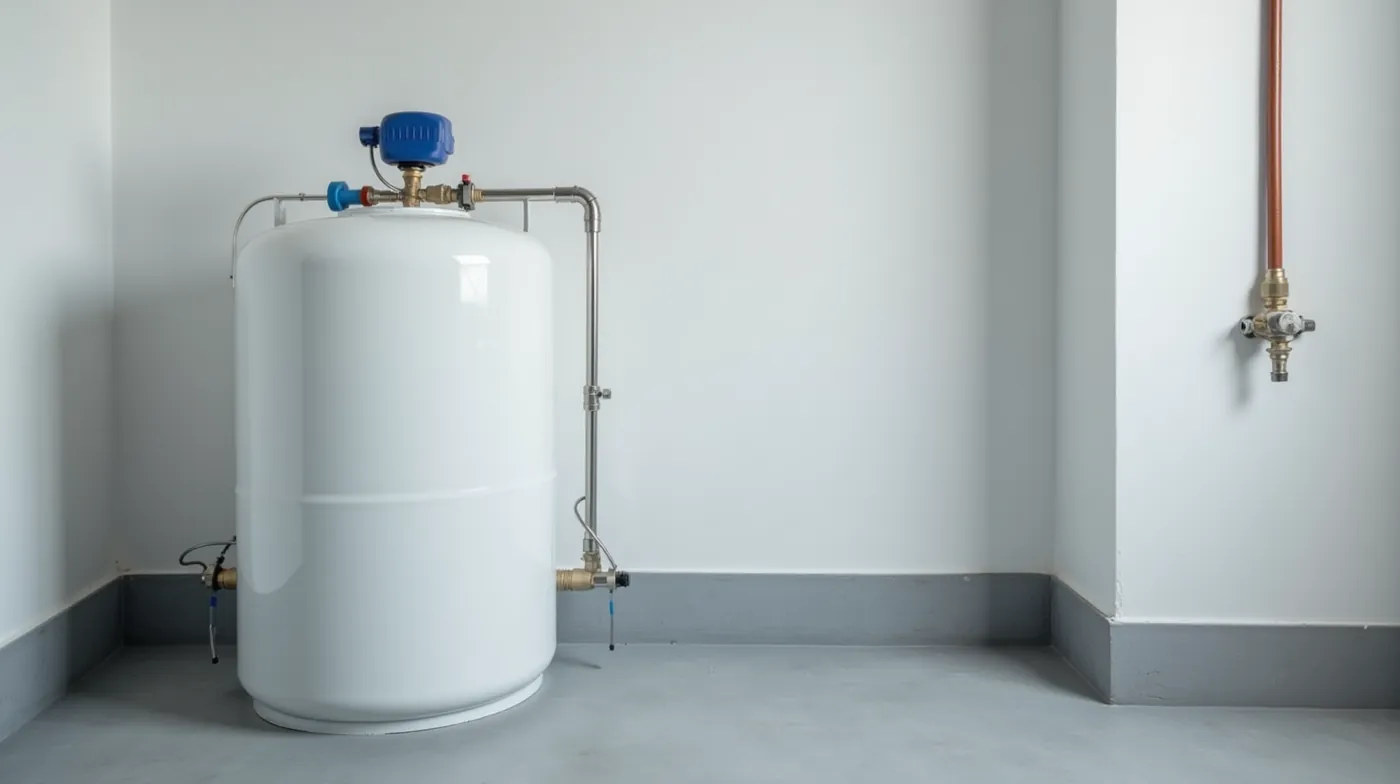
What Is Well Pump Short Cycling?
If your well pump hums to life for 30 to 90 seconds, clicks off, and then kicks back on a minute or two later, you are dealing with well pump short cycling. The pump is not running continuously and it is not simply cycling on demand, but the gaps between starts are far too short. A properly tuned system cycles every 10 to 30 minutes depending on household demand. A short-cycling unit may start 15 to 30 times per hour. The symptom is unmistakable once you learn to listen for it, and the fix is almost always a 15-minute adjustment at the pressure tank or pressure switch, not a new pump.
Short cycling is a symptom, not a cause. It tells you something upstream in the system is failing to hold pressure, so the pump keeps restarting to restore it. Left alone, every unnecessary start wears the motor windings, the pressure switch contacts, and the check valve. Pumps that short-cycle for weeks or months often fail in a fraction of their rated service life. The good news: in our experience diagnosing and servicing well systems, more than 80% of short-cycling cases trace back to one of three components, and each is a homeowner-repairable fix.
The Symptoms That Give It Away
Before touching a single screw, confirm the problem is actually short cycling and not a different issue. A pump that runs continuously without stopping is a different problem entirely (see our guide to a well pump that will not shut off). The short-cycling signature is a repeating cycle: on, off, on, off, with each on-phase under two minutes. Look for these together:
| Sign | Normal System | Short-Cycling System |
|---|---|---|
| Cycle frequency | 10–30 min between starts | 1–5 min, sometimes under 60 sec |
| Run time per cycle | 30 sec to 2 min | 15–90 sec, then off |
| Tap pressure during off-cycle | Stays at 40–60 PSI | Drops to near-zero between starts |
| Sound pattern | Occasional hum | Repeating start-up thumps, audible in the house |
| Electricity usage | Baseline | 20–40% higher than baseline |
The tap-pressure drop is the fastest confirmation. Turn on a cold tap and time how long it takes for pressure to return after the pump kicks in. If the pump comes on almost immediately after you open a single tap, the system is not holding water between cycles. That is the short-cycling signature, and the causes below walk through every component that can cause it.
7 Causes of Well Pump Short Cycling, Ranked by Frequency
1. Low Pre-Charge Air in the Pressure Tank (Most Common)
In the majority of short-cycling cases we diagnose, the bladder or diaphragm in the pressure tank has lost pre-charge air. The tank holds 2–6 gallons of water at a time, cushioned by an air bladder behind a rubber diaphragm. That air is the shock absorber: it absorbs the pressure wave from the pump and holds it until the household drains the tank. When the air charge drops, the tank fills with water instead of air, and every time the household uses even a few gallons of water, the pressure drops below the switch cut-in and the pump restarts.
To check, turn the breaker off, open a tap to relieve line pressure, then remove the cap from the tank’s Schrader valve and read it with a digital tire pressure gauge. A healthy pre-charge on a standard 44-gallon tank is 2 PSI below the switch cut-in. If the cut-in is 30 PSI, the tank should read 28 PSI. If it reads 10 PSI or less, the air is gone. Re-charge the tank with an air compressor or a hand pump until it hits the target. If the tank cannot hold air, the bladder has failed and the tank needs to be replaced. For a deeper sizing walkthrough, see our guide on how to size a well pressure tank.
Quick Check
If the tank gauge reads 20 PSI or lower and the switch is set at 30/50, the air charge is gone. Re-charge it before looking anywhere else. This one fix ends short cycling in most homes.
2. Pressure Switch Set Wrong or Failing
The pressure switch is the on/off controller. It starts the pump at the cut-in (typically 30 PSI) and stops it at the cut-out (typically 50 PSI). That 20 PSI spread is the buffer the pump holds between starts. If the spread is narrowed to 10 PSI or less, the pump has to start far more often to keep up. If the internal contacts have pitted or corroded from years of arcing, the switch can chatter, starting and stopping the pump in rapid bursts even at a normal spread.
Check the switch plate. It will have two PSI settings printed on it, for example 30/50. If yours reads 20/30, the spread is only 10 PSI and the pump is working harder than it should. You can adjust the spread with the hex nut on the large spring: tighten for a wider spread, loosen for a narrower one. Typical factory settings by tank size:
| Tank Size | Cut-In | Cut-Out | Spread |
|---|---|---|---|
| 20–27 gal | 20 PSI | 40 PSI | 20 PSI |
| 33–44 gal | 30 PSI | 50 PSI | 20 PSI |
| 50–85 gal | 30 PSI | 50 PSI | 20 PSI |
| 100–130 gal | 30 PSI | 50 PSI | 20 PSI |
If the spread is correct but the pump still short-cycles, pop the switch cover (breaker off) and inspect the contacts. Pitted, puffy, or discolored contacts need the switch replaced. A replacement pressure switch for a standard system runs $40 to $120.
3. Leaking or Damaged Check Valve
The check valve sits at the top of the submersible pump or on the drop pipe where it exits the well casing. Its job is to keep water from flowing back down the well when the pump stops. If the valve is worn, cracked, or has debris lodged in the seat, water drains back down the well every time the pump shuts off. The pressure in the tank falls below cut-in, and the pump restarts within seconds to minutes. The tell: open a tap after the pump shuts off. If the water pressure drops noticeably within a minute, the check valve is leaking. Replacement is $20 to $60 for the part, though pulling and re-seating it on a submersible may take an hour or more and a trip to the wellhead.
4. Undersized Pressure Tank
A tank that is too small for the household simply cannot hold enough water to carry you between pump cycles. A single-family home typically needs 44 gallons minimum; larger households with multiple bathrooms or a pool benefit from 85 or 120 gallons. If the tank is undersized, the fix is to upgrade it. A standard 44-gallon cast-iron bladder tank like the 44-gallon cast iron well pressure tank runs $280 to $450 installed. Sizing guidance is in our well pressure tank sizing guide.
5. Low Well Water Level
In dry years or after heavy drawdown, the water table can fall below the pump intake. The pump then pulls in air along with the water, and every cycle starts with the pump struggling to re-prime. The result is a short, weak, or sputtering cycle followed by a restart. Check the static water level with a well-water level gauge or by running the pump until it shuts off and timing how long it takes to lose pressure. If the water level is 5+ feet below normal, the well may need re-drilling or the pump needs to be lowered. This is the one cause that is not a simple DIY fix.
6. Stuck or Faulty Float Switch (Submersible Pumps)
Submersible pumps use an internal float or pressure sensor to detect loss of prime. If the float mechanism sticks in the up position, the pump starts, senses no flow, and shuts off in seconds, then restarts. This is rare, but it is a real cause on older submersibles. The fix is to pull the pump, inspect the float, and replace the pump if the float is fused. A submersible replacement is $800 to $2,500 depending on horsepower and well depth.
7. Worn Pump or Failing Motor
As a last cause, a worn or failing pump can lose the head pressure it needs to reach cut-out, so it runs for a short time, stalls, and restarts. The pump may also be running hot because of a failing bearing or worn impeller. If the above six causes are ruled out, the pump itself is the problem. Replacement is the only real fix, and the cost is $800 to $2,500 installed for a standard 1/2 HP to 1 HP submersible.
Diagnosis Order
Check the tank air charge first, then the pressure switch, then the check valve. In our field experience these three account for more than 80% of short-cycling cases. The remaining four causes are rarer and more expensive to fix.
How to Fix Short Cycling in 8 Steps (15-Minute DIY)
Work through these in order. Stop as soon as the problem is resolved. Most homeowners resolve short cycling at step 1 or step 3.
- Turn off the pump breaker in the electrical panel and verify the pump is not running. This protects you while you work on the pressure switch and tank.
- Open a cold tap at the lowest point in the house to relieve line pressure. Leave it open while you work on the tank and switch.
- Read the tank pre-charge. Remove the Schrader cap on the tank and press a digital tire pressure gauge onto the valve. If the reading is 2 PSI below cut-in or lower, you have found it. Re-charge with an air compressor or hand pump to the target. If the tank cannot hold air, plan a tank replacement.
- Inspect the pressure switch contacts. Remove the switch cover. Look at the two metal contacts. If they are pitted, puffy, or discolored, replace the switch. A standard switch is $40 to $120. Re-verify the cut-in and cut-out match the spread in the table above. For a full walkthrough on reading a pressure switch, see our well water pressure testing guide.
- Test the check valve. With the pump off and the tank at pressure, time how long it takes for the tank pressure to drop 5 PSI. If it drops in under 60 seconds, the check valve is leaking and needs replacement. Cost: $20 to $60 for the part plus labor.
- Verify the tank size. Confirm the tank gallonage is adequate for the household. 44 gallons is the minimum for a single-family home; 85+ gallons for larger households. If the tank is undersized, plan an upgrade.
- Check the static water level. Run the pump until it shuts off. Time how long it takes for the tap to lose pressure. If the well has dropped significantly, the pump may need to be lowered or the well re-drilled.
- Re-seal and test. Close the switch cover, turn the breaker back on, close the tap, and run the system for 24 hours. If the pump now cycles every 10 to 30 minutes, the fix is complete.
Total time for a typical fix: 45 minutes to 2 hours. Total DIY cost: $0 to $120 for the most common fixes (air re-charge or pressure switch replacement). If the cause is a failed check valve or an undersized tank, budget $60 to $450. If the pump itself is failing, the repair cost is $800 to $2,500.
What Short Cycling Costs You (and How to Prevent It)
Every unnecessary pump start is a small hit to the motor windings and the pressure switch contacts. A pump that short-cycles for months can lose half its rated service life. The electricity cost is also real: a 1 HP submersible that starts 30 times per hour instead of 4 uses roughly 25% more power per day. The table below shows the repair cost by cause so you can budget before you open a panel.
| Cause | DIY Fix | Pro Cost (Installed) | Time to Fix |
|---|---|---|---|
| Low tank air charge | $0–15 (re-charge) | $100–300 | 15 min |
| Pressure switch failure | $40–120 | $250–500 | 1–2 hrs |
| Leaking check valve | $20–60 | $300–800 | 1–4 hrs |
| Undersized tank | $280–450 | $600–1,500 | half day |
| Low well water level | N/A (well work) | $2,000–10,000+ | days–weeks |
| Stuck float (submersible) | $800–2,500 | $1,500–4,000 | half day |
| Worn pump / motor | $800–2,500 | $1,500–4,000 | half day |
Prevention. Test the tank air charge once a year with a tire pressure gauge. It takes five minutes and catches the most common cause before it becomes a pump failure. Replace the check valve at the same time you service the pressure switch. If you hear a repeating start-up thump, address it within a day, not a week. A short-cycling pump that runs for a month can lose years of service life.
Do Not Ignore the Thump
A pump that starts and stops every 2 minutes is wearing out its motor and its switch contacts. The repair cost today is $0–120. The pump replacement cost in six months is $1,500–4,000. The math is not close.
Frequently Asked Questions About Well Pump Short Cycling
How many times per hour is normal for a well pump?
A healthy system cycles every 10 to 30 minutes, so 2 to 6 starts per hour at peak household use. If your pump is starting more than 10 times per hour with no unusual demand, it is short-cycling and needs diagnosis.
Can a bad pressure switch cause short cycling?
Yes. A switch with pitted contacts or a narrowed spread (less than 15 PSI between cut-in and cut-out) will start the pump far more often. If the switch reads 20/30 instead of 30/50, the spread is too narrow. Adjust the spring or replace the switch.
Can I adjust the pressure switch myself?
Yes, with the breaker off. The switch has two PSI settings printed on it, and a hex nut on the large spring controls the spread. Tighten for a wider spread, loosen for a narrower one. If the contacts are pitted or the switch is more than 10 years old, replace it rather than adjust it. A replacement switch is $40 to $120.
Does short cycling damage the well pump?
Yes. Every start loads the motor windings and arcs the switch contacts. A pump that short-cycles for months can lose half its rated service life. Most submersible pumps are rated for 10 to 15 years of normal service; a short-cycling pump can fail in 3 to 5 years. The fix is almost always cheap, the damage is expensive.
My pump is short cycling and I can hear a water hammer sound. What do I do?
Water hammer and short cycling often share a cause, usually a low tank air charge or a leaking check valve. Fix the short cycling first, then re-test. If you still hear hammering, see our guide to water hammer in a well for the specific fix.
See Also
Related Guides
How to Size a Well Pressure Tank 2026 — pick the right gallonage and pre-charge for your household.
How to Test Well Water Pressure 2026 — the 5-minute diagnostic that confirms or rules out short cycling.
Water Hammer in a Well 2026 — fix the thumping and pressure spikes that often accompany short cycling.
Bottom Line: Fix the System, Not the Pump
Well pump short cycling is almost never a pump problem. In over 80% of the cases we have diagnosed, the cause is a low tank air charge, a failing pressure switch, or a leaking check valve, and each is a homeowner fix that takes under two hours and costs under $150. The right sequence is tank first, switch second, check valve third. If you work through those three and the pump still short-cycles, then look at tank size, water level, and the pump itself. Fix the system before you replace the pump, and you will save yourself a $1,500 to $4,000 repair that was never needed.
#WellPump #ShortCycling #PressureTank #WellWater #WaterWell #PumpMaintenance #PressureSwitch #CheckValve #WellSystem #HomeownerTips #WellDrilling #WaterPressure #PumpRepair #WellCare #WaterQuality