
Published: October 02, 2026
By Robert Harrison, Certified Well Inspector
Robert has 20+ years of experience inspecting and testing residential water wells across the western US.
Disclosure: As an Amazon Associate, we earn from qualifying purchases on this page. Product selections are based on independent research and real well water data.
You have a well pump breaker trips problem, and the house has no water. From 20 years of well inspections, I can tell you that a tripped pump breaker is almost never a mystery and almost never the breaker itself. In my experience the cause is one of eight things, and you can narrow it to two or three in about 15 minutes with a multimeter. This 2026 guide walks through all eight causes in order of how often I actually see them in the field, what each one looks like, and the exact fix.
Before you pull the panel cover, one rule: a well pump circuit should be on its own dedicated breaker, sized to the pump nameplate. If yours is not, that is very likely the entire problem, and the rest of this article is a quick confirmation. If it is dedicated and it is still tripping, work through the causes below from 1 to 8.
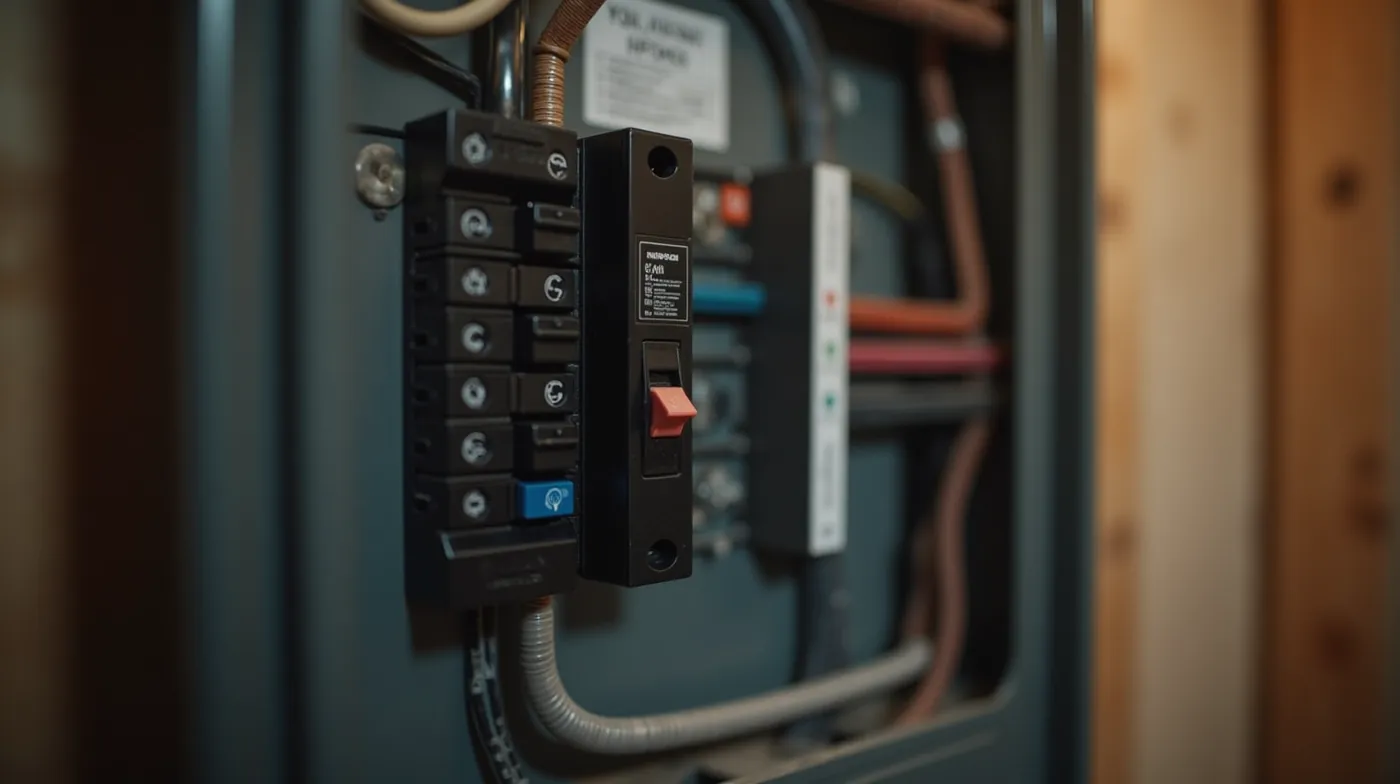
Reading a trip pattern before you touch anything
The single most useful thing you can do is not fix anything yet, it is describe exactly when the breaker trips. The timing is the diagnosis. After watching a well pump trip a breaker, I ask the homeowner one question: did it trip the instant you reset it, or did the pump run for a while first? That one answer splits the eight causes below into two very different groups, and it saves you from swapping parts that are not at fault.
If the breaker trips the moment you push it back, the problem is on the electrical side: a short, a bad contactor, a failed start capacitor, or a loose connection. If the pump runs for 30 seconds to a few minutes and then trips, the problem is on the load side: the pump is drawing too much current, usually because it is undersized, clogged, aging, or fighting a pressure switch that will not let it rest. Use the table below to place your symptom, then jump to that cause.
| What you observe | Most likely cause | First thing to check |
|---|---|---|
| Trips the instant you reset the breaker | Short in pump wiring, failed start capacitor, or bad contactor | Unplug the pump leads at the junction box and try the breaker again |
| Pump hums for a few seconds, then trips | Failed start capacitor or locked rotor | Test the start capacitor with a multimeter |
| Pump runs 1 to 5 minutes, then trips | Pump drawing too much current (clog, age, undersized) or shared-circuit overload | Measure running current and compare to the nameplate |
| Trips only on cold mornings or in winter | Heavier start-up load in cold conditions, plus a heat tape or heater on the same circuit | Check what else is wired to the same breaker |
| Trips randomly, no clear pattern | Loose or corroded connection, or an intermittent short | Inspect and re-torque the panel and junction-box lugs |
Symptom-to-cause quick reference compiled from field inspections, 2026.
The 8 most common causes, in order of how often they show up
Cause 1: The breaker is sized for the wrong job, or the circuit is not dedicated
This is the number one cause I find in older homes, and it is the first thing to rule out because it is the cheapest to confirm. A well pump needs a dedicated circuit. If your pump shares a breaker with a basement freezer, a well-pipe heat tape, a sump pump, or a space heater, the combined load can push past the breaker rating even though each device on its own looks fine. The pump starts, the other load is already drawing current, and the breaker sees the sum and opens.
The fix is not to swap in a bigger breaker. A bigger breaker masks the overload and lets the wire carry more current than it was rated for, which is how panel fires start. The correct fix is to give the pump its own breaker and its own wire run, sized to the pump nameplate. Most residential submersible and jet pumps run on a 15 or 20 amp circuit, but check the pump label, because a 1 horsepower or larger unit may call for a 30 amp circuit with heavier wire. If you are not comfortable pulling a panel cover, this is the one job in the list I always hand to a licensed electrician, because it touches the main panel.
The 80 percent rule
A continuous load, and a running well pump qualifies, should not exceed 80 percent of the breaker rating. On a 20 amp breaker that is 16 amps. If your pump nameplate says it draws 18 amps on a 20 amp circuit, it is oversized for that breaker even before you add any shared load. That mismatch is the trip.
Cause 2: The pump is drawing more current than its nameplate
When the breaker is correctly sized and dedicated but still trips after a few minutes, the pump is drawing too much current. In my experience there are three reasons a healthy pump starts drawing extra. First, it is simply undersized for the well, so it runs longer and harder than it should. Second, it is aging, and worn bearings or a clogged impeller make the motor work against more resistance. Third, the water level in the well has dropped, so the pump lifts water from deeper and draws more to do it. Any of these pushes the current past the breaker limit after the pump has been running a short while, which is exactly the run-then-trip pattern in the table above.
The way to confirm this is to measure the running current with a clamp meter and compare it to the nameplate rating printed on the pump. If the measured current is more than 20 percent above the nameplate, the pump is the problem, not the breaker. At that point the fix is usually to replace or repair the pump, or to address the low water level, and the breaker is doing its job. If you are not sure the pump is simply underpowered for your demand, see our well pump short cycling guide, because a pump that is too small for the household often shows cycling symptoms before it starts tripping the breaker.
Pro tip from the field
A cheap clamp-on meter is the single most useful tool for this whole article. Clip it around one pump wire with the pump running and you can read the current draw in seconds. I keep one in the truck for every well call, and a digital multimeter with a clamp under forty dollars will answer half the questions in this article before you ever replace a part.
Cause 3: A failing start capacitor is shorting or over-drawing
A start capacitor gives the motor the extra kick it needs to get spinning, and a bad one is a very common trip cause, especially on jet pumps and smaller submersibles. When a capacitor is failing, it can draw 2 to 4 times normal current, or it can short out entirely. The signature is a trip on start, or a pump that hums for a few seconds, buzzes, and then the breaker opens. If your pump used to start fine and now trips almost every time you reset the breaker, suspect the capacitor before anything else.
Testing is straightforward and safe once the circuit is off and the capacitor is discharged. A good start capacitor reads a specific microfarad value; a dead one reads zero or wildly off. Because the part is inexpensive, I usually replace rather than repair when a capacitor is confirmed bad. If you are replacing one, make sure the new unit matches both the microfarad rating and the voltage of the old one, and see our well pump capacitor guide for the exact testing steps and the specs to match before you order a well pump start capacitor.
Cause 4: A worn or mis-set pressure switch that will not let the pump rest
A pressure switch that is worn out, corroded, or set to the wrong cut-in and cut-out pressures can make the pump start and stop in rapid succession, a pattern called short cycling. Each start pulls a high inrush current, and a pump that restarts every few seconds hammers the breaker with start after start until it opens. The symptom is a breaker that trips after a few seconds of running, often with the pump audibly cycling before it stops.
Check the switch settings against what the system should be running at, and look for pitted or burnt contacts on the switch itself. A switch with damaged contacts can also stick, holding the pump on until the breaker gives out. Replacing a switch is a simple, cheap job once the circuit is off, and a quality well pump pressure switch costs less than a service call. If the pump is cycling even when the switch looks healthy, the underlying cause is usually pressure tank or demand related, and our well pump short cycling guide covers the full list of what drives rapid cycling.
Cause 5: A loose or corroded connection is intermittent
A loose wire at the panel, at the pump junction box, or at the pressure switch can overheat and create a resistance that makes the breaker trip, sometimes only under load and sometimes at random. This is the cause that has no clean pattern, which is why it is in the last row of the symptom table. In the field I look for discolored or warm lugs, melted insulation, and terminals that are not fully seated. Re-torquing a loose connection is free and takes minutes, but it must be done with the circuit fully off. If a connection has melted or the insulation is damaged, that wire and connector should be replaced, not re-torqued, because the metal and insulation are already compromised.
Cause 6: The breaker or the wiring has aged out
Breakers wear out. A breaker that has opened and closed thousands of times over decades can develop internal contacts that open under normal load, and the honest fix is to replace the breaker with a new one of the correct rating. The same is true of wiring that has been running hot for years; insulation degrades and can develop a slow short. If you have ruled out the pump, the capacitor, and the switch, and the breaker still trips intermittently, the breaker or the wire run itself may be the weak link. Replacing a breaker is a licensed-electrician job because it is inside the main panel, but it is a small, cheap fix once you are there.
Cause 7: A short in the pump windings or the submersible cable
When the pump itself is the short, the breaker trips almost immediately on reset, and this is the most serious cause in the list because it means the pump may need to be pulled and rewound or replaced. A submersible pump that has been running dry, that was flooded with sediment, or that is simply old can develop a short between the windings and the housing. The only reliable way to confirm is to isolate the pump from the circuit and measure resistance to ground on each lead. If any lead reads near zero to ground, the pump is shorted. At that point the decision is between a rewinding repair and a new pump, and I will always compare the repair cost against a new unit before recommending one. If you are in that situation, our how to replace a well pump guide walks through the full process and what the new unit should cost.
Insight from the field
The difference between cause 7 and every other cause is that a shorted pump will trip the breaker even with no water demand, even at the coldest and quietest time of day. If your breaker trips when nothing in the house is using water, stop chasing the pressure switch and the capacitor and test the pump windings to ground, because that is where the fault is.
Cause 8: A tripped breaker that is actually protecting you
The last cause is the one I most want homeowners to hear. Sometimes the breaker is tripping because it should be. If the pump is genuinely drawing too much, if the wiring is old, or if there is a real short, the breaker opening is the correct, safe behavior. Swapping in a bigger breaker in that situation does not fix the problem, it removes the protection and lets the real fault keep damaging the pump, the wiring, or, in a worst case, the panel. The goal of this article is to find and fix the underlying cause so the breaker can stop tripping, not to talk the breaker into staying closed over a live fault.
When a breaker trip means something bigger than a part
Most trips are a capacitor, a switch, or a shared circuit, and all of those are cheap and quick. But a trip can also be the first visible sign of a bigger problem, and I want you to recognize the red flags early so a small fix does not become an expensive one.
- The breaker keeps tripping even with the pump isolated. If you unplug the pump leads at the junction box and the breaker still trips, the fault is in the wiring or the panel, not the pump. That is an electrician job, not a homeowner job.
- You smell burning or see discoloration. A burning smell or blackened lugs means something has been overheating. Do not reset and run it again. Turn it off and have a licensed electrician inspect the panel and the wire run.
- The trip started after a power surge or a storm. Lightning or a voltage spike can damage the pump motor, the capacitor, and the control box all at once. If the trip began right after a storm, assume the surge is the trigger and check the pump and the control equipment together.
- The pump is running dry. A well that has gone dry, or a pump that is drawing from above the water table, will overheat and draw high current. A trip in that context is the pump telling you the water level is the problem, and the fix is addressing the well, not the breaker.
- The panel is warm or the breaker housing is hot. A breaker that is warm to the touch at the wall is carrying more than it should. That is an overload or a connection issue that needs a professional, and it is not safe to keep using until it is inspected.
If any of those are present, the safe move is to stop and call a licensed electrician or a well pump professional rather than keep resetting the breaker. A tripping breaker that is doing its job is the cheapest warning a well system can give you, and ignoring it is how small electrical faults become expensive damage.
What the fix costs: parts and labor
The good news is that most well pump breaker trip fixes are on the cheap end of home repairs. The table below shows what I typically see for parts and, where applicable, professional labor, based on 2026 pricing in the western US. Your local numbers will vary, but this gives you a realistic budget so you are not surprised when you call a pro.
| Fix | Typical parts cost | Typical pro labor | DIY friendly? |
|---|---|---|---|
| Start capacitor | $25 to $80 | $100 to $200 | Yes, with the circuit off |
| Pressure switch | $30 to $120 | $100 to $250 | Yes, with the circuit off |
| Replace or resize the breaker | $10 to $40 | $150 to $350 | No, licensed electrician |
| Dedicated pump circuit | $50 to $150 in wire and breaker | $300 to $800 | No, licensed electrician |
| Re-torque / replace loose connection | $0 to $60 | $100 to $250 | Yes, with the circuit off |
| Rewind or replace shorted pump | $400 to $1,800 | $300 to $900 to pull and set | No, professional |
2026 pricing compiled from western US parts suppliers and licensed electrician quotes; your region may differ.
The pattern worth noticing: the cheap fixes (capacitor, switch, connection) are the DIY ones and they solve most trips. The expensive fix (a shorted pump or a new dedicated circuit) is the one that belongs to a professional. If you can do the first three checks yourself, you will either fix the trip for under a hundred dollars or you will have enough information to pay a pro for exactly the right job instead of a vague diagnosis.
Where to buy the parts
If your diagnosis points to a capacitor, a pressure switch, or a new breaker, these are the parts that solve the most well pump breaker trips. All are available with next-day shipping and are the exact types I keep in stock for well calls. Match the specs to your existing part, and you will have the fix in a day.
| Part | Fixes | What to match before ordering |
|---|---|---|
| Well pump start capacitor | Hums then trips, trip on start | Microfarad rating and voltage on the old part |
| Well pump pressure switch | Short cycling, stuck-on pump | Cut-in / cut-out pressures and terminal layout |
| Standard 20 amp breaker | Aged breaker, intermittent trip | Amp rating and your panel brand (QO, Homeline, etc.) |
| Digital multimeter with clamp | Diagnosis tool for every cause | AC current clamp range of at least 400 amps |
| Well pump junction box gasket | Moisture-related loose connections | Box diameter to match your pump |
Part recommendations reflect the components most commonly swapped during well pump breaker trip repairs, 2026.
Frequently asked questions
Can I just put in a bigger breaker to stop the trips?
No. A bigger breaker lets more current flow than the wire is rated for, which can overheat the wiring and start a fire. If the pump genuinely draws more than the breaker, the fix is a correctly sized dedicated circuit, not an oversized breaker. Only a licensed electrician should change a breaker or a wire run in the main panel.
How do I tell if the problem is the pump or the wiring?
Unplug the pump leads at the pump junction box with the circuit off, then turn the breaker back on. If the breaker stays on with the pump disconnected, the fault is in the pump or the pump wiring. If it still trips with the pump disconnected, the fault is in the house wiring or the panel, and you should call an electrician.
How often should I check my well pump breaker and connections?
Once a year, during your spring or fall well maintenance, check that the breaker is not warm, that the lugs at the panel and the pump junction box are tight and not discolored, and that the pump runs its normal cycle without tripping. It takes ten minutes and can catch a failing connection before it becomes a trip.
My pump only trips in winter. Is that normal?
Not exactly, but cold makes the problem worse. Cold conditions add start-up current, and if a heat tape or pipe heater shares the circuit, the combined load pushes the breaker over. Check what else is on the breaker and confirm the pump has a dedicated circuit sized to its nameplate.
What is the 80 percent rule for a well pump breaker?
A well pump is a continuous load, and continuous loads should not exceed 80 percent of the breaker rating. On a 20 amp breaker that is 16 amps. If your pump nameplate draw is higher than that, the pump needs a larger dedicated circuit, not a bigger breaker over a too-small wire.
Conclusion
A well pump breaker trips because the pump or its circuit is drawing more current than the breaker allows, and in my experience that is almost always one of eight things, not a mystery. The fastest path is to read the trip pattern, check that the pump has a correctly sized dedicated circuit, then work through the cheap causes, a failing start capacitor, a worn pressure switch, and loose connections, before moving on to the expensive ones, an over-drawing or shorted pump. Most trips are solved for under a hundred dollars with a capacitor or a switch, and the only time you need a professional is when the pump itself is shorted or the main panel is involved. Find the real cause and fix it, and your breaker stops being a daily chore and goes back to doing what it is there for, quietly protecting your well system.
See also:
- Having the pump cycle on and off every few seconds? Read our well pump short cycling guide for the full list of what drives rapid cycling.
- Confirmed a bad capacitor? Our well pump capacitor guide has the exact testing steps and specs to match.
- Ended up needing a new pump? See how to replace a well pump for the complete process and costs.
#WellPump #BreakerTrips #WellWater #PrivateWell #PumpRepair #WellMaintenance #SubmersiblePump #JetPump #StartCapacitor #PressureSwitch #WellDrilling #WaterWell #WellSystem #HomeOwner #WellWaterGuide