
Turn on the tap and get a stream that looks like tea instead of water, and most well owners know exactly what to do next: worry. In our water-quality work across hundreds of private wells, brown well water is one of the most common complaints we see — and it is almost never the deep aquifer itself. In roughly 9 of 10 brown-water cases, the source sits in the upper part of the well, the distribution piping, the hot water tank, or a treatment unit in the house. In this guide we break down the six causes of brown well water, show you how to tell them apart using color, staining, and timing, walk through a six-step diagnosis you can run yourself with a simple test panel, and give the exact fix for each cause, plus the prevention habits that keep the water clear year-round.
By Lisa Martinez, Water Quality Specialist
Lisa holds a degree in Environmental Science and specializes in private well water safety and treatment. She has analyzed 500+ well water samples across the western US, separating cosmetic staining from genuine contamination risk.
Published: October 17, 2026
Disclosure: As an Amazon Associate, we earn from qualifying purchases on this page. Product selections are based on independent research and real well water data.
📊 Key Data Point
The EPA sets a secondary (advisory) standard of 0.3 mg/L for iron because that is where taste, odor, and staining complaints become common, and 5.0 mg/L where the water is genuinely undesirable. Brown color almost always appears once dissolved iron crosses roughly 0.3 mg/L, tannins exceed 10 mg/L, or disturbed sediment stays suspended in the line. Per EPA guidelines, none of these by itself makes the water unsafe to drink — but each one points to a different fix, which is why the diagnosis below matters.
Table of Contents
- What Does Brown Water in a Well Look Like?
- 6 Causes of Brown Well Water (and How to Tell Them Apart)
- How to Diagnose Brown Well Water in 6 Steps
- How to Fix Brown Well Water, by Cause
- Where to Buy: Gear for Testing and Fixing Brown Well Water
- How to Prevent Brown Well Water From Coming Back
- Frequently Asked Questions
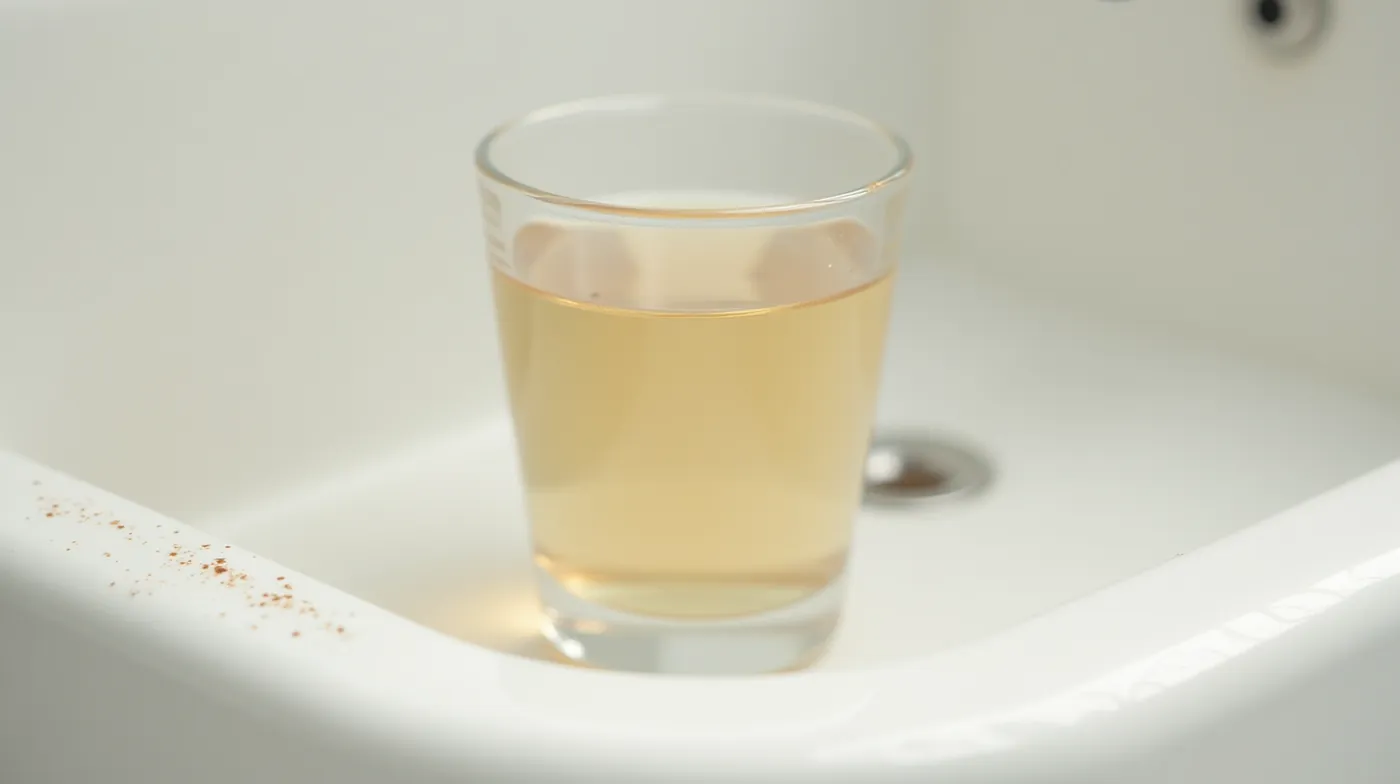
What Does Brown Water in a Well Look Like?
Before we get to causes, spend thirty seconds watching the water, because the details of how the brown appears are diagnostic. When we interview well owners about a brown-water problem, the answer to how it looks narrows the cause list dramatically.
- Tea-colored or amber, clear in the glass, then darkens after a minute or two. This is the classic dissolved-iron signature. The water is clear as it leaves the tap, but once dissolved (ferrous, Fe2+) iron meets air at the surface it oxidizes to ferric (Fe3+) iron and the glass slowly turns amber or brown.
- Immediately muddy or opaque, with a gritty feel. Suspended sediment or silt — usually a disturbed well after drilling, a pump change-out, a storm, or a cracked casing letting gravel into the water column.
- Rust-red with visible flakes or stringy brown material in the pipe or on the tank wall. Corroding steel components, or iron bacteria building a slime layer that sheds into the line.
- Amber or tea-colored that never stains anything and does not smell of metal. This points toward tannins from decaying vegetation in the aquifer, which tint the water without the staining or metallic taste iron produces.
- Brown only at one or two fixtures, or brown in the hot water but clear in the cold. The problem is inside the house — a corroding section of pipe, a depleted anode in the hot water tank, or a copper heat exchanger in a tankless unit — not the well itself.
⚠️ Warning
If the water is brown and smells like sulfur or sewage, or if you have had a failed septic drain field, recent construction on the property, or a failed bacteria test in the past year, stop and get a full bacteria panel before anything else. Cosmetic color is one thing; a coliform or E. coli reading is a health issue that changes the fix from a filter to a well disinfection.
6 Causes of Brown Well Water (and How to Tell Them Apart)
1. Dissolved Iron Oxidizing at the Tap
This is the single most common cause we see. Most aquifers carry a small amount of dissolved iron — typically 0.2 to 1.5 mg/L — in the reduced Fe2+ state, which is colorless and invisible. The moment that water exits the pipe, is aerated, or sits in an open glass, oxygen converts it to Fe3+ iron oxide. The glass turns amber, then tea-colored, then brown over a few minutes. The giveaway: the water looks clear the instant it comes out of the tap, and a white towel or the inside of a plastic bottle takes on orange-tan staining after a day of use. If a lab panel shows total iron above 0.3 mg/L — the EPA secondary standard — and the glass test matches, this is almost always your answer. Our in-depth breakdown of iron levels, safe ranges, and removal options lives in our guide to iron in well water: causes, safe levels, and removal.
2. Rusting Steel Pipe, Fittings, or a Dead Anode
Homes wired with older galvanized steel supply pipe, or with a steel pressure tank that has lost its protective coating, shed rust directly into the water. The pattern we look for: brown water that is worst first thing in the morning or after the house has sat unused (the iron has time to sit and oxidize in the static line), and a hot water tank whose sacrificial anode is exhausted. When the anode is gone, the tank shell itself becomes the corroding surface, and the first minutes of hot water come out reddish-brown. A simple check — open the hot tap, let it run five minutes, and watch the glass — tells you whether the hot side is the culprit before you spend a dime on filtration.
3. Tannins From Decaying Vegetation
Tannins are organic compounds leached from decaying leaves, bark, and roots that filter down through soil into shallow, sandy, or organic-rich aquifers. They tint water amber to tea-brown — sometimes so convincingly that owners assume iron — but they do not stain dishes or fixtures the way iron does, and they carry no metallic taste. Tannin levels above roughly 10 mg/L are where the color becomes obvious, and they are most common in wells near wooded areas, peat, or heavy leaf litter, and in low-pH water. The fast discriminator: a white cloth soaked in the water overnight. Iron leaves a rust-colored stain; tannins leave little or nothing, and the water never turns the orange of oxidized iron. Our full coverage of identification and treatment is in tannins in well water: causes, testing, and removal.
4. Disturbed Sediment After Well Work or a Storm
Every time the well is disturbed — a new drill, a pump or motor replacement, a deep clean, or even a heavy storm that shakes loose fines from the screened section — silt and sand lift into the water column. The result is water that looks immediately muddy-brown, feels gritty, and may settle out in the glass within a few minutes leaving a tan layer at the bottom. This is usually temporary and self-correcting: pumping the well down and letting the aquifer recover settles most of it back. If the water is still gritty more than a few days after the work, or the cloudiness comes and goes with heavy use, that points to a deeper problem with the well structure — which is step 6 of the diagnosis. Our step-by-step procedure for flushing a well is in how to flush a well: step-by-step guide for homeowners.
5. Iron Bacteria and Slime Biofilm
Iron bacteria (most often Gallionella or Leptothrix) are not pathogens, but they are a classic brown-water cause that owners miss because a standard bacteria test for coliforms comes back negative. These microorganisms oxidize dissolved iron and build a brown, stringy, sometimes jelly-like slime on pipe walls, pressure tanks, and the well casing. The signature: brown stringy material in the tank or on the inside of the lid, a rusty smell even when the water looks only lightly tinted, and the problem getting worse over weeks as the biofilm thickens. Iron bacteria love oxygen-rich, low-nutrient, slightly acidic water, which is why they often appear in the upper well and in hot water tanks. The fix is chemical, not mechanical: oxidizing the biofilm with chlorine or a non-chlorine oxidizer and disinfecting the well — see our well disinfection guide for the full chlorination procedure.
6. Well Structure Problems: Broken Casing, Gravel, or Annular Flow
The last cause is the one that warrants a professional visit. If the well casing is cracked, the grout seal has failed, or the sand filter pack around the screen has broken down, water and fines can enter through the annular space between casing and formation. The pattern: brown or gritty water that is persistent, returns quickly after any amount of pumping, often gets worse in dry season when the water table drops, and may be accompanied by a drop in yield. Unlike the other five causes, no amount of filtration at the house will solve a structural problem — the well itself needs evaluation and likely re-grouting or casing repair. If your brown water matches this pattern, treat it as a structural issue and involve a licensed well contractor rather than shopping for filters.
💡 Expert Insight
In the samples we have analyzed, the single best predictor of the cause is timing. Brown water that appeared within days of well work is sediment until proven otherwise. Brown water that crept in over months, with staining and a metallic taste, is iron. Brown water that never stains and never smells is tannins. And brown water that is gritty, persistent, and tied to seasonal water levels is structural. Start with timing, then confirm with a panel.
How to Diagnose Brown Well Water in 6 Steps
You can narrow a brown-water mystery to a single cause with about an hour of observation and a modest lab panel. Here is the exact sequence we use when a new brown-water complaint comes in.
- Do the tap test. Run a cold tap for the first two minutes and collect a sample in a clear glass. Note whether the water is brown immediately (suspended sediment, rust, or biofilm) or clear at first and darkening (dissolved iron or tannins). Repeat at a second fixture on a different floor if you have one.
- Do the 10-minute settle test. Leave the glass untouched for ten minutes. A layer of sand or silt settling to the bottom means suspended solids — a disturbed well or casing issue. A glass that darkens but stays clear of particles points to dissolved iron or tannins.
- Do the cloth test. Soak a white cotton cloth or paper towel in the water overnight. Rust-orange staining means iron; no stain or a faint tea mark with no color shift means tannins; a gritty residue means sediment.
- Run a lab panel. A standard well water panel covering iron, manganese, tannins, pH, hardness, and a full bacteria (total coliform + E. coli) test runs a few hundred dollars through a state-certified lab and takes the guesswork out of the diagnosis. If you want a fast home read before the lab results arrive, an well water test kit with iron and pH strips will flag iron and acidity within an hour.
- Check the hot water side. Run the hot tap for five minutes into a glass. Brown only here points at the hot water tank anode or a corroding internal component, not the well. While you are at it, note when the anode was last replaced — three to five years is the typical service window for steel tanks.
- Review the well history. Write down when the brown water started relative to: well work or drilling, a pump or motor change, a storm, a septic problem, or a new neighbor’s construction. The date it started relative to those events is the single most useful clue in the whole diagnosis — persistent post-storm or post-work grit is sediment, and a slow onset over months is iron or tannins.
✅ Pro Tip
Collect your lab sample from a dedicated outside tap if you have one, and skip the first three to five minutes of flow so you are testing the well water itself, not whatever was sitting in the house plumbing. Label the bottle with the date and time — a panel taken the day after a pump change-out will look very different from one taken a month later, and the lab needs that context to interpret it.
How to Fix Brown Well Water, by Cause
Once the panel and observation tests point at a cause, the fix is usually one of the options below. The table compares the main treatment routes on what they handle, typical installed cost, and the maintenance they demand — so you can match the solution to the actual problem instead of buying the most expensive unit in the catalog.
| Treatment | Best For | Typical Installed Cost | Upkeep |
|---|---|---|---|
| Iron Filter System (greensand / birm) | Dissolved iron above 0.3 mg/L; handles manganese too | $1,200 – $3,500 | Quarterly backflush; annual salt / media check |
| Aerator + Sediment Filter | High dissolved iron (1+ mg/L); pre-treatment before a filter | $600 – $2,000 | Replace 5-micron cartridge every 1–3 months |
| GAC Carbon Filter | Tannins, taste/odor; paired with pH raise for stubborn tannins | $400 – $1,500 | Replace or backflush media every 6–12 months |
| Water Softener | Low-level iron (under ~1 mg/L) plus hardness | $800 – $2,500 | Add salt; standard softener maintenance |
| Spin-Down / Whole-House Sediment Filter | Disturbed-silt periods; protects pumps and appliances | $50 – $300 | Spin-clean or replace cartridge monthly during silt periods |
| Well Disinfection (chlorine shock) | Iron bacteria biofilm; coliform contamination | $150 – $800 (DIY or pro) | Repeat if biofilm regrows; annual bacteria test |
| Replace anode / corroding steel components | Brown hot water only; rust from in-house steel | $50 – $600 (anode); pipe re-pipe is project-sized | Replace anode every 3–5 years |
Costs reflect 2026 installed prices for a typical single-family well system in the US; per manufacturer specs and regional contractor quotes.
Where to Buy: Gear for Testing and Fixing Brown Well Water
If your diagnosis lands on iron, tannins, or sediment, these are the pieces we recommend homeowners actually need, in the order you would buy them. Start with testing before you buy treatment — a $200 lab panel has saved well owners from a $3,000 filter they did not need more times than we care to count.
- Test first: an all-in-one well water test kit for a fast home read, plus a state-certified lab panel for the numbers that matter. Iron test strips are the fastest way to confirm the oxidizing-glass diagnosis before spending on anything else.
- For iron: an iron filter system with greensand or birm media is the standard whole-house fix for iron above 0.3 mg/L. If iron is above 1 mg/L, add an aerator upstream so the iron oxidizes in the unit instead of in your pipes, and back it with a 5-micron sediment cartridge to catch the oxidized flakes. Our full sizing and model comparison is in the iron filter for well water buyer guide.
- For tannins: a GAC carbon filter handles moderate tannin tint; stubborn cases need a pH raise to about 7 first, because tannin color is most stubborn in acidic water.
- For sediment periods: a spin-down sediment filter at the point of entry protects the pump, pressure tank, and appliances while the well settles, and it is the cheapest line item on this list.
- For brown hot water only: replace the hot water tank anode rod before buying anything else — it is a $50–100 fix that resolves more hot-side brown water complaints than any filter.
How to Prevent Brown Well Water From Coming Back
Fixing the current episode is the easy part. Keeping the water clear year-round is a handful of habits we recommend to every well owner we test for:
- Test annually, and after any event. A basic panel (iron, manganese, pH, hardness, bacteria) once a year, plus a follow-up panel within a month of any well work, storm, or septic issue. Catching iron at 0.25 mg/L beats catching it at 2 mg/L after it has been staining the house for a year.
- Flush the well after every piece of work. Any pump change, motor swap, or repair should end with a proper flush and recovery period — the procedure in our well flushing guide — so you are not drinking the silt the job kicked up.
- Replace the hot water tank anode every 3–5 years. It is the cheapest corrosion fix available, and a dead anode is a leading cause of brown hot water that gets misdiagnosed as a well problem.
- Watch the water after heavy rain. A short burst of muddy water after a storm is normal; if it lasts more than a day or comes with a loss of pressure or yield, check the well structure before assuming it will pass.
- Keep iron bacteria in check. If you have had a biofilm problem, run a chlorine shock annually or at the first sign of stringy brown material, and keep the pressure tank drained and cleaned — biofilm loves a still, oxygenated tank. See our pressure tank cleaning guide for the routine.
- Do not let the pump run dry. Dry running can crack casing seals and pull fines into the well — a slow-motion version of the structural cause above.
Frequently Asked Questions
Is brown well water safe to drink?
Usually yes, when the cause is iron, tannins, or short-term sediment — the EPA has no primary (health-based) maximum for iron or tannins. It becomes a safety question when the brown water comes with a sulfur or sewage smell, follows a septic failure or flood, or a bacteria panel returns positive for coliform or E. coli. When in doubt, run the bacteria test before drinking the water regularly.
Why does my well water turn brown after sitting overnight?
Two common reasons. If the water is clear at first and turns brown as it sits, that is dissolved iron oxidizing — an iron filter or softener solves it. If the water is brown immediately in the morning but clears after running a few minutes, rust or biofilm is sitting in the static plumbing and washing out — check the anode, the pressure tank, and any steel in the line.
How long does brown water last after drilling or pump work?
For most wells, a few days to two weeks of settling, with a proper flush at the end of the job. If the water is still gritty after two to three weeks, or if it returns as brown every dry season, that is a structural sign (casing or seal issue) and the well contractor should be back, not a filtration vendor.
Can a water softener fix brown water on its own?
Only for low-level iron, roughly under 1 mg/L — resin in a softener removes some dissolved iron, but it is not an iron treatment, and high iron will foul the resin and destroy the softener in a season. If your panel shows iron above 1 mg/L, buy a dedicated iron filter and keep the softener for hardness.
When should I call a professional about brown water?
Call a licensed well contractor if the water is persistently gritty, the well is losing pressure or yield, or the brown water tracks with dry-season water levels — those are structural signs. Call a well disinfection service (or DIY the procedure in our disinfection guide) if the water smells of sulfur/sewage or a bacteria test is positive. For everything else — iron, tannins, a dead anode — a lab panel and the fixes above are a homeowner-scale job.
See Also
- Iron in Well Water 2026: Causes, Safe Levels and Removal — the full iron deep-dive behind the most common brown-water cause.
- Tannins in Well Water 2026: Causes, Testing and Removal — identifying and treating the tea-colored, non-staining twin of iron.
- Iron Filter for Well Water 2026: Complete Buyer Guide — sizing, media types, and the best models for iron removal.
- How to Flush a Well 2026: Step-by-Step Guide — clearing disturbed sediment after well work.
🔗 #BrownWellWater #WellWater #PrivateWell #IronInWellWater #TanninsInWater #RustInPipes #WellWaterTest #WellDisinfection #WaterQuality #WellOwner #RuralLiving #WellMaintenance #WellWaterTreatment #HomeWell #WaterWellOwners